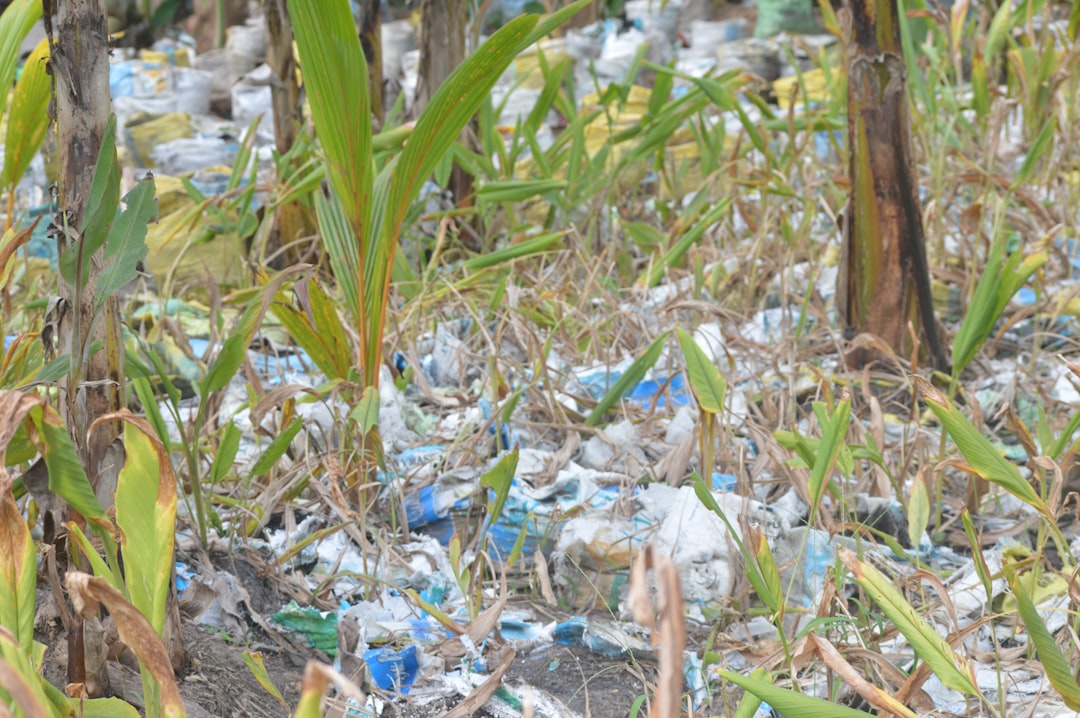
You stand at your bin, a plastic container in hand, a flicker of uncertainty clouding your judgment. Is this recyclable? The temptation to toss it in, hoping for the best, is strong. However, this assumption, while well-intentioned, can contaminate entire batches of recyclables, rendering them useless. It’s crucial to develop a keen eye for identifying plastics that won’t make it through the recycling process. This guide aims to equip you with the knowledge to make informed decisions, reducing waste and improving the effectiveness of your recycling efforts.
The Importance of Correct Plastic Identification
Why Contamination Matters
You might think a single non-recyclable item is insignificant. It’s not. Each item you place in the recycling bin undergoes a sorting process. If incorrect materials get mixed in, they can jam machinery, damage equipment, and, most importantly, contaminate entire bales of otherwise valuable recyclables. This contamination can lead to a load being rejected and sent to landfill, undoing all your good work. Understanding what isn’t recyclable is as vital as knowing what is.
The Economic and Environmental Impact
Recycling is an industry, and contamination directly affects its economic viability. When recyclables are contaminated, they are worth less or become completely worthless. This increases the costs associated with processing, potentially leading to higher fees for waste management or reduced investment in recycling infrastructure. Environmentally, sending contaminated loads to landfill adds to the growing problem of waste. Conversely, accurate sorting ensures that valuable resources are recovered and can be reprocessed into new products, conserving raw materials and reducing energy consumption and greenhouse gas emissions.
The Role of Recycling Codes
If you’re looking to deepen your understanding of how to identify non-recyclable plastic types, you might find the article on the importance of recycling and its impact on the environment particularly insightful. This resource provides valuable information on the different types of plastics and how to recognize which ones cannot be recycled. For more details, you can read the article here: Understanding Non-Recyclable Plastics.
Decoding the Resin Identification Codes
You’ve likely seen those little numbers enclosed in a triangle of arrows, often with a number from 1 to 7. These are known as Resin Identification Codes (RICs), and they are your primary tool for understanding plastic types. However, a common misconception is that these codes automatically mean a plastic is recyclable. This is far from the truth.
What the Numbers Actually Mean
The RICs do not indicate a plastic’s recyclability. Instead, they identify the type of plastic resin used to manufacture the item. Each number corresponds to a specific polymer.
Number 1: PET or PETE (Polyethylene Terephthalate)
- Characteristics: PET is a clear, strong, and lightweight plastic. It’s commonly used for beverage bottles (water, soda, juice), some food containers (like peanut butter jars and salad dressing bottles), and certain household cleaning product bottles. You might also find it in some blister packaging.
- Recyclability: In most municipal recycling programs, PET is widely accepted and highly recyclable. It’s a valuable material for reprocessing.
- How to Identify: Look for the triangle with a ‘1’ inside. Often, the letters “PETE” or “PET” will be printed nearby.
Number 2: HDPE (High-Density Polyethylene)
- Characteristics: HDPE is a rigid, opaque, or translucent plastic. It’s known for its toughness and resistance to chemicals. Common examples include milk jugs, detergent bottles, shampoo bottles, motor oil containers, and some grocery bags.
- Recyclability: Like PET, HDPE is generally well-received by most curbside recycling programs and is a highly recyclable plastic.
- How to Identify: Search for the triangle with a ‘2’ inside. The letters “HDPE” are usually printed alongside it.
Number 3: PVC (Polyvinyl Chloride)
- Characteristics: PVC is a versatile plastic, found in everything from pipes and window frames to flexible films (cling wrap), credit cards, and some medical tubing. It can be rigid or flexible depending on plasticizers added during manufacturing.
- Recyclability: PVC is rarely accepted in curbside recycling programs. Its recycling process is complex, often requires specialized facilities, and can release harmful chemicals if not handled properly.
- How to Identify: Look for the triangle with a ‘3’ and the letters “PVC” printed on it.
Number 4: LDPE (Low-Density Polyethylene)
- Characteristics: LDPE is a flexible, soft plastic. It’s commonly used for grocery bags, shrink wrap, bread bags, foam packaging (like polyethylene foam), and squeeze bottles.
- Recyclability: While recyclable, LDPE is often not accepted in curbside bins because it can clog sorting machinery. Many grocery stores and dedicated collection points offer drop-off recycling for plastic bags and films.
- How to Identify: Find the triangle with a ‘4’ and the letters “LDPE” nearby.
Number 5: PP (Polypropylene)
- Characteristics: PP is a durable plastic that is heat-resistant and has good chemical resistance. It’s found in yogurt cups, margarine tubs, medicine bottles, some food containers, car parts, and reusable shopping bags.
- Recyclability: Polypropylene’s recyclability varies significantly by location. Some municipalities accept it, while others do not. When it is accepted, it’s usually for specific types of containers.
- How to Identify: Look for the triangle with a ‘5’ and the letters “PP.”
Number 6: PS (Polystyrene)
- Characteristics: PS comes in two forms: rigid and foamed. Rigid PS is used for disposable cutlery, CD cases, and yogurt containers. Foamed PS, often called Styrofoam, is used for take-out food containers, cups, packing peanuts, and insulation.
- Recyclability: Polystyrene, especially in its foamed form, is very rarely accepted in curbside recycling programs. It’s bulky, lightweight, and breaks down easily, making it difficult to process. Though some specialized recycling facilities exist, they are uncommon.
- How to Identify: Search for the triangle with a ‘6’ and the letters “PS.”
Number 7: Other
- Characteristics: This category is a catch-all for plastics that don’t fit into the above categories, or for multi-layered plastics (plastics made of two or more different types of plastic bonded together). This can include things like bioplastics (PLA), polycarbonate, acrylic, and various laminated packaging materials.
- Recyclability: Due to its diverse nature, “Other” plastics are almost never recyclable in standard curbside programs. Multi-layered plastics, in particular, are extremely difficult to separate and reprocess.
- How to Identify: This will be the triangle with a ‘7’ inside, often with “OTHER” printed below.
Beyond the Number: Other Visual Cues
Examining Form and Function of Plastic Items
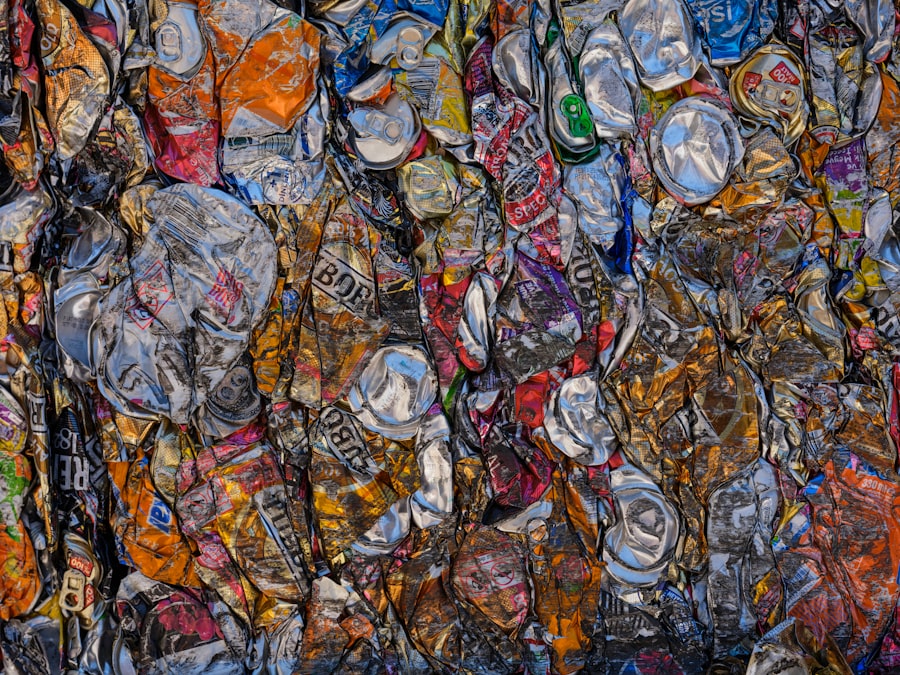
While the RIC is your primary guide, you cannot solely rely on it. The shape, origin, and intended use of a plastic item often provide crucial clues about its recyclability.
Lightweight and Flexible Plastics
Plastic Bags and Films
- Description: Any thin, flexible plastic that you can easily crinkle or stretch is a potential problem for curbside recycling. This includes grocery bags, produce bags, bread bags, dry cleaning bags, and all forms of plastic wrap (cling film).
- Problem: These materials have a low melting point and can easily get tangled around the machinery at recycling facilities. Imagine long, thin strands of spaghetti getting caught in a blender – that’s essentially what happens. This tangling can bring entire sorting lines to a halt, leading to significant operational disruptions and costs.
- What to do: Look for designated drop-off locations, typically at grocery stores, that specifically collect plastic bags and films for recycling. Check your local municipal website for any other specialized collection points for these items.
Styrofoam (Expanded Polystyrene – EPS)
- Description: You recognize it by its characteristic lightweight, airy structure. This includes take-out food containers, cups, packing peanuts, and protective packaging for electronics.
- Problem: Styrofoam is about 95% air, making it incredibly bulky and inefficient to transport for recycling. Furthermore, it easily breaks apart into small pieces that can contaminate other recyclables. Its chemical composition also makes it difficult and expensive to reprocess.
- What to do: In most areas, Styrofoam is not accepted in curbside bins. Some art supply stores or specialized recycling centers may accept it, but these are exceptions. Your best bet is often to refuse it when possible (e.g., by bringing your own reusable containers for take-out) or to dispose of it in the general waste.
Small Plastics
Straws, Lids, and Cutlery
- Description: These are typically small, often rigid, plastic items like drinking straws, single-use plastic cutlery (forks, knives, spoons), and the small caps or lids that come with some containers.
- Problem: Their small size means they can fall through the sorting screens at recycling facilities, ending up in the compost or in the landfill. Even if they are made of commonly recyclable plastic (like PP or PS), their size makes them problematic.
- What to do: These items are generally not accepted in curbside recycling. It’s best to avoid single-use plastic cutlery and straws altogether by using reusable alternatives. If they do end up in your recycling bin, they will likely be treated as contaminants.
Items with Food Residue
Greasy or Soiled Containers
- Description: Take-out containers with significant food residue, pizza boxes with grease stains, containers that held oily foods, or any plastic item with more than a trace amount of food or liquid.
- Problem: Food contamination is a major issue for recyclers. Even a small amount of grease or food can spoil a whole batch of paper or plastic recyclables. Imagine trying to make new paper from a box covered in cheese and grease – it’s not feasible. The organic matter can also attract pests and create odors.
- What to do: Rinse out all food and beverage containers thoroughly. For items like pizza boxes, if they are heavily soiled with grease, it’s often better to tear off the clean portions for recycling and discard the greasy parts in the general waste.
Multi-Layered or Composite Plastics
Tetra Paks and Snack Pouches
- Description: These are packaging materials made from multiple different layers of plastics, paper, and aluminum foil bonded together. Examples include juice boxes and milk cartons (Tetra Paks), and many snack food bags, coffee pouches, and pet food bags.
- Problem: The different materials are fused together and are extremely difficult to separate using standard recycling processes. Specialized facilities are required to break down these composites, and these are not widely available.
- What to do: Unless your local program specifically states otherwise, assume these are not recyclable and dispose of them in your general waste.
Items Made of Mixed Materials
Toys with Electronics or Batteries
- Description: Any plastic item that contains electronic components, batteries, or is a composite of plastic and other materials (like metal or fabric) in a non-separable way.
- Problem: These items require specialized disposal due to the presence of hazardous materials (like batteries) or other integrated components that cannot be processed in standard recycling streams.
- What to do: Consult your local waste management authority for guidelines on disposing of electronics and hazardous waste. These items should never go in your regular recycling bin.
Black Plastics
Dark-Colored Containers
- Description: While not all black plastics are non-recyclable, many recycling facilities struggle to sort them.
- Problem: Optical sorters, common in modern recycling plants, rely on light reflectivity to differentiate between materials. Black plastic absorbs too much light, making it difficult for these machines to detect and sort them accurately. This often leads to black plastic items being incorrectly channeled to landfill.
- What to do: It’s a good rule of thumb to be cautious with black plastics. If the RIC is anything other than a 1 or 2, and especially if it’s a 3, 6, or 7, it’s highly unlikely to be recycled. Some progressive facilities are improving their technology to sort black plastics, but it’s still a common point of failure. If in doubt, and if it’s not a clear yogurt cup or similar item made of a commonly accepted plastic, it’s safer to err on the side of caution.
The Nuances of Local Recycling Rules
Identifying non-recyclable plastic types can be challenging, but understanding the different categories is essential for effective waste management. For a deeper insight into this topic, you might find it helpful to read a related article that discusses various plastic types and their recyclability. This resource provides valuable information that can aid in recognizing which plastics can be recycled and which cannot. To explore this further, check out this informative piece on plastic recycling.
Understanding Your Municipal Guidelines
| Plastic Type | Identification Method |
|---|---|
| Polyvinyl Chloride (PVC) | Check for the “3” inside the recycling symbol |
| Polystyrene (PS) | Look for the “6” inside the recycling symbol |
| Other Non-Recyclable Plastics | Check for the absence of a recycling symbol or any specific identification code |
You’ve examined the RIC, considered the item’s form and function, but you still feel a degree of uncertainty. This is where understanding your local recycling program becomes paramount.
Why “Wish-Cycling” Is Harmful
You know it as “wish-cycling” – that hopeful act of tossing something in the recycling bin with the thought, “Maybe they can recycle this.” While the intention is good, the reality is that this practice does more harm than good. As previously mentioned, wish-cycling introduces contaminants that can ruin entire loads of recyclables, increase processing costs, and ultimately lead to more waste ending up in landfills. It’s better to be certain than to hope.
Checking Your Local Authority’s Website
- Your First Stop: The most reliable source of information about what you can and cannot recycle is your local municipal waste management authority or recycling provider. Most have dedicated websites with clear, up-to-date lists of accepted materials.
- What to Look For: Pay close attention to sections detailing specific types of plastics. They will often list which RIC numbers are accepted, and sometimes even specify acceptable forms (e.g., “only rigid containers,” “no plastic bags”).
- Contact Information: If the website is unclear or you have specific questions, don’t hesitate to call or email your local recycling program. They are there to help you recycle correctly.
Specific Items Your Locale Might Reject
- Plastic Take-out Containers: While some municipalities accept specific types of plastic take-out containers (often those made of PET or PP, with RICs 1 and 5), many do not. These can be contaminated with food, or their shape and size might make them difficult to sort.
- Plastic Cutlery with Food Traces: Even if your program accepts RIC 5 (PP) cutlery, if it has food residue, it’s best to discard it or rinse it thoroughly.
- Foam Cups and Trays: Unless explicitly stated, assume that Styrofoam (PS foam) is not accepted.
- Plastic Film and Bags: As discussed, these are almost universally rejected from curbside bins and require separate drop-off.
The Impact of Advanced Sorting Technologies
Some larger, more sophisticated recycling facilities are implementing advanced sorting technologies. This can include things like eddy current separators, ballistic separators, and optical sorters that can identify and sort a wider range of materials. This might mean that a plastic item that was previously not recyclable in your area could become recyclable in the future, or vice-versa. This is another reason why staying informed about your local program’s guidelines is crucial, as these technologies evolve.
Practical Steps to Reduce Non-Recyclable Plastics
Making Conscious Choices in Your Daily Life
Beyond simply identifying what not to recycle, you can take proactive steps to minimize the amount of non-recyclable plastic that enters your home and, consequently, the waste stream.
Rethink Your Purchases
- Choose Alternatives: Before you buy something made of plastic, ask yourself if there’s a more sustainable alternative. Can you buy the item in glass, metal, or cardboard packaging? Is there a reusable option available?
- Bulk Buying: Opting for bulk items reduces your reliance on individual plastic-packaged products. Bring your own containers to bulk stores if possible.
- Avoid Single-Use: Actively avoid single-use plastics such as disposable water bottles, coffee cups, straws, and cutlery. Invest in reusable versions that will last.
- “Choose to Refuse”: This simple mantra can be incredibly powerful. Refuse plastic bags at the checkout, say no to plastic straws, and politely decline unnecessary plastic packaging.
Improve Your Home Habits
- Rinse and Dry: Make it a habit to rinse all food and beverage containers thoroughly before placing them in the recycling bin. Ensure they are dry to prevent mold and odor.
- Break Down Cardboard: While not plastic, it’s often placed alongside plastics. Breaking down cardboard boxes maximizes space in your bin and makes them easier to process.
- Know Your Bin Size: Understand the capacity of your recycling bin and its collection schedule. Overfilling can lead to recyclables being left behind or blowing away.
- Designated “No” Bin: Consider having a small, separate bin for items you know for certain are not recyclable, so they don’t accidentally end up in your main recycling bin.
Advocate for Change
- Educate Others: Share your knowledge with friends, family, and neighbors. The more people understand proper recycling practices, the more effective our collective efforts will be.
- Support Businesses with Sustainable Practices: Patronize businesses that use minimal or recyclable packaging. Your purchasing power can influence industry standards.
- Engage with Local Government: If you notice issues with your local recycling program or believe there are areas for improvement, voice your concerns to your local council or waste management authority.
Common Mistakes to Avoid
Ensuring Your Recycling Efforts Are Effective
Even with the best intentions, there are common pitfalls that can undermine your efforts to recycle correctly. Being aware of these mistakes can help you refine your approach.
Misinterpreting Recycling Symbols
As emphasized throughout this guide, the RICs are about identification, not universal recyclability. Seeing a ‘1’ or a ‘2’ doesn’t automatically mean it’s accepted in your local program, especially if it’s a small item or heavily contaminated. Treat each item with scrutiny, and always refer to your local guidelines.
“When in Doubt, Throw it Out” – The Counterintuitive Truth
This saying, often associated with food safety, is also highly relevant to recycling. If you are genuinely unsure whether an item is recyclable in your area, it is always better to place it in the general waste. Introducing a contaminant is far more detrimental to the recycling process than a single item ending up in landfill. The energy and resources used to try and recycle an incorrect item, and the potential damage it causes, outweigh keeping it out of the system.
Assuming All Plastics Are the Same
The diversity of plastic types, each with its own unique chemical properties, means that a one-size-fits-all approach to recycling is impossible. PET bottles are recycled differently from PP tubs, which are recycled differently from LDPE films. Recognizing these differences is the first step to understanding why not all plastics are created equal when it comes to their end-of-life.
Ignoring Local Variations
Recycling infrastructure and capabilities vary significantly from one municipality to another. What is readily accepted in one town might be a contaminant in the next. Relying on generic recycling advice found online without cross-referencing it with your local program can lead to errors. Always prioritize your local guidelines.
Contaminating with Non-Plastic Items
This article focuses on non-recyclable plastics, but it’s worth remembering that non-plastic items can also contaminate recycling bins. Items like batteries, electronics, textiles, and food waste in general should be kept separate unless your program explicitly states otherwise.
By understanding the nuances of plastic identification, consulting your local guidelines, and adopting mindful consumption habits, you can significantly improve the effectiveness of your recycling efforts. This not only benefits the environment but also contributes to a more efficient and sustainable recycling system for everyone. Your diligence in this matter is a critical component of a truly circular economy.
FAQs
What are the different types of non-recyclable plastics?
There are several types of non-recyclable plastics, including polystyrene (PS), polyvinyl chloride (PVC), and mixed plastics that cannot be easily separated for recycling.
How can I identify non-recyclable plastics?
Non-recyclable plastics are often labeled with a resin identification code number 3, 6, or 7. Additionally, non-recyclable plastics may have a “non-recyclable” or “not recyclable” label on the packaging.
Why are certain plastics non-recyclable?
Certain plastics are non-recyclable because they are difficult to process or have limited market demand for recycled materials. Additionally, some non-recyclable plastics may contain harmful chemicals or additives that make them unsuitable for recycling.
What should I do with non-recyclable plastics?
Non-recyclable plastics should be disposed of in the regular trash. It is important to follow local waste management guidelines for proper disposal of non-recyclable plastics.
Are there any alternatives to non-recyclable plastics?
Yes, there are alternatives to non-recyclable plastics, such as using reusable containers, choosing products with minimal packaging, and opting for biodegradable or compostable materials. It is important to consider the environmental impact of the materials we use and seek out sustainable alternatives whenever possible.