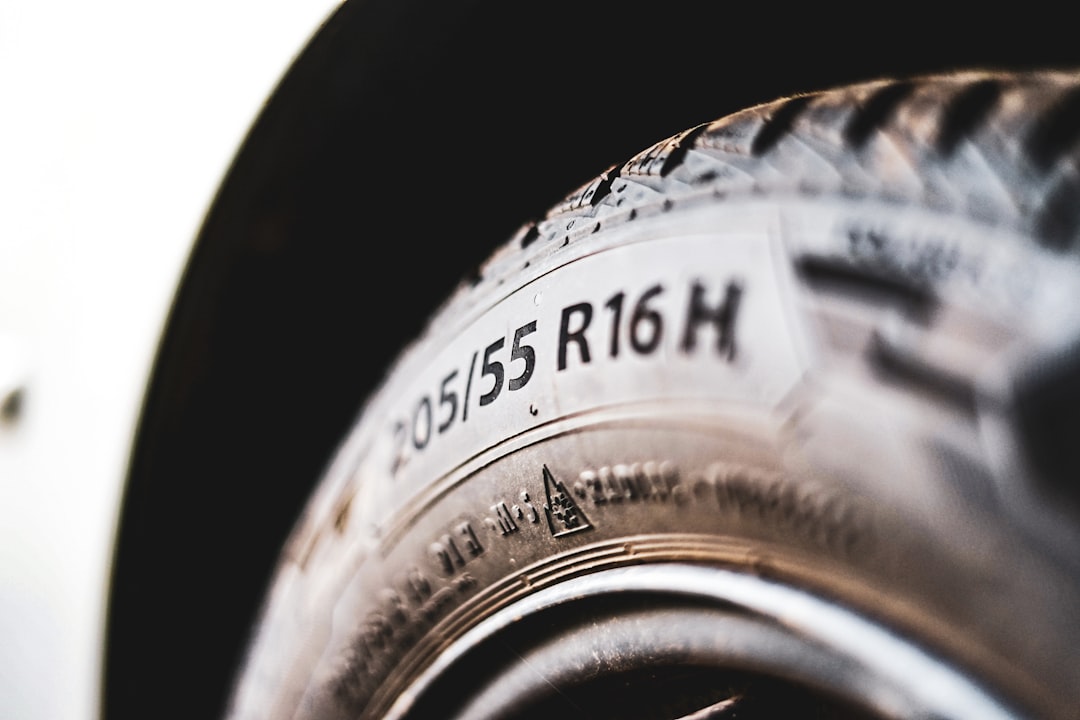
You’ve made the switch to electric. That’s a significant step, and you’re likely enjoying the quiet acceleration and reduced environmental impact. As you settle into your EV ownership, you’ll want to ensure all components, including your tires, are performing optimally and lasting as long as possible. This isn’t about chasing peak performance or stroking your ego; it’s about practical, cost-effective maintenance that benefits your wallet and the planet. Electric vehicles present unique demands on their tires, primarily due to their significant weight from the battery pack and the instant torque delivered by the electric motor. Understanding these factors is crucial for maximizing your tire lifespan.
Your electric car’s tires are bearing a heavier burden than those on many gasoline-powered counterparts. This isn’t a subtle difference; it’s a fundamental aspect of EV design. The substantial weight, all concentrated low in the chassis, creates increased pressure on your tires. Furthermore, the immediate and powerful torque delivery from electric motors means that acceleration and deceleration can accelerate wear if not managed.
The Weight Factor: Batteries, Batteries Everywhere
The defining characteristic of most EVs is their large battery pack, typically located under the floor. This placement contributes to a lower center of gravity, which is excellent for handling. However, it also means your vehicle is significantly heavier. Imagine the continuous pressure exerted on your tires. This constant downward force requires tires that are robust enough to handle the load without premature deformation or structural fatigue. This added weight directly translates into more stress on the tire’s sidewalls and tread.
Torque and Traction: The Instant Response Challenge
Electric motors deliver their maximum torque from a standstill. This exhilarating feature, while enjoyable, can put immense stress on the point of contact between your tires and the road. Aggressive acceleration, even if brief, can cause the tire to spin more readily than a traditional engine might allow, leading to increased tread wear. Similarly, sudden braking, though recuperative braking systems help mitigate this, still places demands on your tires.
EV-Specific Tire Design: Not Just Any Tire Will Do
Manufacturers are increasingly designing tires specifically for EVs. These tires often feature:
Reinforced Sidewalls
To cope with the increased weight of the battery pack, EV tires frequently have stiffer sidewalls. This provides additional support and prevents excessive deformation under load, contributing to a longer lifespan and more predictable handling.
Lower Rolling Resistance Compounds
While seemingly counterintuitive to durability, many EV tires are engineered for low rolling resistance. This is essential for maximizing your vehicle’s range. However, the compound must be carefully balanced to avoid sacrificing wear resistance. The focus here is on finding a compound that achieves efficiency without becoming a soft, fast-wearing material.
Quieter Tread Patterns
One of the benefits of EVs is their quiet operation. Tire noise can detract from this. EV-specific tires often incorporate advanced tread designs to minimize road noise. This design can also influence how the tire wears, and understanding this can be beneficial for your maintenance strategy.
To effectively reduce tire wear on electric cars, it’s essential to understand the unique factors that contribute to tire degradation in these vehicles. A related article that provides valuable insights on this topic can be found at Hey Did You Know This. This resource offers practical tips and strategies to help electric car owners extend the life of their tires while maintaining optimal performance and safety on the road.
The Importance of Proper Inflation
Tire pressure is arguably the most critical factor in tire lifespan. It’s also the easiest to manage. Underinflated tires develop excessive heat, leading to premature wear on the outer edges. Overinflated tires, on the other hand, reduce the contact patch with the road, concentrating wear on the center of the tread.
Checking Your Tire Pressure Regularly
This isn’t a task to be done on a whim. Aim to check your tire pressure at least once a month, and always before long journeys. Your vehicle’s recommended tire pressure can usually be found on a sticker inside the driver’s side doorjamb, in your owner’s manual, or sometimes on the fuel filler door.
The Right Time to Check
Always check tire pressure when the tires are cold. Driving heats up the air inside your tires, increasing the pressure. Checking them after driving will give you an inaccurate reading, potentially leading you to overinflate.
Understanding Pressure Units
Tire pressure is typically measured in pounds per square inch (PSI). Ensure you are using the correct unit of measurement when setting your pressure.
The Impact of Underinflation
Underinflated tires:
Increase Rolling Resistance
This means your electric car has to work harder to move, consuming more energy and reducing your range. This is especially detrimental for EVs.
Cause Uneven Wear
The tire’s outer edges will wear down faster than the rest of the tread.
Can Lead to Overheating
The increased flexing of the tire’s sidewall generates heat, which can degrade the tire’s internal structure and potentially lead to a blowout.
The Consequence of Overinflation
Overinflated tires:
Reduce the Contact Patch
This means less grip on the road, which can be dangerous, especially in wet conditions.
Lead to Center Tread Wear
The middle of the tread will wear out much faster than the shoulders.
Result in a Harsher Ride
The reduced cushioning effect of an overinflated tire makes for a less comfortable driving experience.
Strategic Tire Rotation: Distributing the Load

Tire rotation is a fundamental maintenance practice that helps ensure even wear across all your tires. Given the unique torque characteristics and weight distribution of EVs, consistent and correct rotation is even more vital.
Why Rotating Matters for EVs
Electric vehicles often have a different weight distribution than gasoline cars, and their drivetrain can lead to uneven wear patterns if left unaddressed. For instance, some EVs have stronger braking or acceleration on one axle than the other.
Front vs. Rear Wear Patterns
Front tires on many vehicles tend to wear faster due to steering and braking forces. However, in some EVs, the driving axle might experience accelerated wear. Understanding your specific vehicle’s tendencies is key.
Drivetrain Configuration
Front-wheel drive, rear-wheel drive, and all-wheel drive configurations will all have unique wear patterns. For example, an all-wheel-drive EV might experience more even wear initially, but the sheer weight can still lead to faster overall wear.
When to Rotate Your Tires
As a general rule, aim to rotate your tires every 5,000 to 7,500 miles. However, always consult your vehicle’s owner’s manual for the manufacturer’s specific recommendation, as EV models can vary.
Following the Owner’s Manual
Your EV’s manual will provide the most accurate and vehicle-specific advice on tire rotation intervals and patterns.
Listening to Your Tires
Sometimes, you might notice a change in road noise or handling that indicates uneven wear, even if you haven’t reached the recommended mileage.
Understanding Tire Rotation Patterns
There are several common tire rotation patterns:
The Front-to-Rear Pattern
This is the simplest pattern, moving the front tires to the rear and the rear tires to the front. This is often suitable for vehicles with directional tires.
The Cross-Rotation Pattern
In this pattern, the front tires are moved to the rear on the opposite side, and the rear tires are moved to the front on the opposite side. This is a common choice for non-directional tires.
The Rearward-Cross Pattern
This involves moving the front tires straight to the rear and the rear tires to the front on the opposite side. This is also typically for non-directional tires.
Matching Tires to Axles
Some tire manufacturers or vehicle manufacturers recommend keeping tires on the same side of the vehicle to maintain balance, especially if there are any slight imbalances in the tires themselves.
The Art of Alignment: Keeping Things Straight
Wheel alignment refers to the angles of your wheels in relation to the road and to each other. When your wheels are out of alignment, it can lead to premature tire wear, reduced fuel efficiency (and thus range in an EV), and compromised handling.
The Impact of Misalignment on EVs
EVs are often heavier and have instant torque, which can exacerbate the effects of poor alignment. Even slight misalignment can cause your tires to scuff against the road surface, accelerating wear.
Steering Pull
If your vehicle consistently pulls to one side, it’s a strong indication that your alignment is off.
Uneven Tire Wear
Look for patterns like feathering (where one edge of the tread is smoother than the other) or cupping (where there are depressions in the tread).
Reduced Handling Responsiveness
A misaligned vehicle may feel less stable or responsive, especially when cornering.
Common Causes of Misalignment
Even minor impacts can knock your wheels out of alignment. Consider these common culprits:
Potholes and Curbs
Hitting these objects, especially with force, can easily misalign your wheels.
Speed Bumps
While designed for slowing traffic, hitting them too quickly can also have an effect.
Wear and Tear
Over time, the suspension components that maintain alignment can wear out.
When to Get Your Alignment Checked
You should have your alignment checked:
Annually
As a preventative measure, an annual alignment check is a good practice, especially for a valuable investment like an EV.
After Major Impacts
If you’ve hit a significant pothole or curb, it’s wise to get your alignment inspected.
If You Notice Symptoms
As mentioned above, any signs of steering pull, uneven wear, or handling issues warrant an immediate check.
Reducing tire wear on electric cars is essential for maintaining optimal performance and extending the lifespan of your vehicle. One effective strategy is to regularly check tire pressure, as under-inflated tires can lead to increased friction and faster wear. Additionally, rotating your tires periodically can help distribute wear more evenly. For more tips on maintaining your electric vehicle, you can read a related article that offers valuable insights on this topic. Check it out here for more information.
Tire Maintenance Beyond the Basics: Balancing and Auditing
| Technique | Effectiveness |
|---|---|
| Proper tire inflation | High |
| Regular tire rotation | High |
| Smooth driving | High |
| Avoiding hard braking | Medium |
| Wheel alignment | High |
While inflation, rotation, and alignment are the cornerstones of tire care, other practices can further extend the life of your EV’s tires. These include tire balancing and regular visual inspections.
The Role of Tire Balancing
Tire balancing ensures that the weight of the tire and wheel assembly is evenly distributed. If a tire is unbalanced, it will cause vibrations, especially at higher speeds. These vibrations not only create an uncomfortable ride but also contribute to uneven tire wear.
How Imbalance Affects Tires
An unbalanced tire will cause certain spots on the tire to hit the road with more force than others, leading to accelerated wear in those specific areas.
When to Balance
Tires should be balanced whenever new tires are installed, or when you notice vibrations in the steering wheel or throughout the vehicle.
Regular Visual Inspections: Your First Line of Defense
Don’t underestimate the power of simply looking at your tires. Regular visual inspections can catch potential problems before they become serious.
Tread Depth Examination
Your tires have wear indicators embedded in the tread grooves. When the tread wears down to the level of these indicators, it’s time for new tires. Aim to maintain adequate tread depth for safety, especially in wet conditions.
Sidewall Scrutiny
Look for any signs of cracking, blistering, bulges, or cuts on the sidewalls. These are all indicators of potential structural weakness and should be addressed immediately.
Object Detection
Periodically check your tires for any embedded objects like nails, screws, or glass. These can cause slow leaks or punctures.
Considering EV-Specific Tire Practices
As EV technology and tire design evolve, so too will the best practices for their maintenance. Stay informed about any manufacturer updates or recommendations specific to your vehicle model.
Tracking Tire Wear Patterns
By consistently monitoring your tire wear, you can begin to understand how your specific driving habits and vehicle interact with its tires. This knowledge can inform future tire choices and maintenance schedules.
Choosing the Right Replacement Tires
When the time comes to replace your tires, consider tires specifically designed for EVs. While they may have a higher initial cost, their enhanced durability, efficiency, and suitability for EV weight and torque can offer a better long-term value and contribute to maximizing the lifespan of your next set.
By actively engaging in these tire maintenance practices, you’ll not only extend the life of your electric car’s tires but also ensure a safer, more efficient, and more enjoyable driving experience. This proactive approach to tire care is a sensible investment in your EV’s performance and your overall satisfaction as an owner.
FAQs
1. What causes increased tire wear on electric cars?
Electric cars tend to have increased tire wear due to the instant torque provided by electric motors, which can put more stress on the tires during acceleration.
2. How can tire pressure affect tire wear on electric cars?
Improper tire pressure can lead to uneven wear on the tires of electric cars, causing them to wear out more quickly. It is important to regularly check and maintain the correct tire pressure.
3. What role does regenerative braking play in tire wear on electric cars?
Regenerative braking, a feature in many electric cars, can contribute to increased tire wear as it puts additional stress on the tires when slowing down the vehicle.
4. How can driving habits impact tire wear on electric cars?
Aggressive driving, frequent hard acceleration, and abrupt braking can all lead to increased tire wear on electric cars. Smooth and steady driving can help reduce tire wear.
5. What maintenance practices can help reduce tire wear on electric cars?
Regular tire rotations, wheel alignments, and maintaining proper tire pressure can all help reduce tire wear on electric cars. Additionally, choosing high-quality tires designed for electric vehicles can also make a difference.