Deciding on the right tire for your vehicle involves more than just aesthetics or a glance at the price tag. One of the most persistent questions for drivers concerns tire width – should you opt for the narrower or wider option? This choice, while seemingly straightforward, carries significant weight, particularly when it comes to the longevity of your tires, often referred to as tread life. This article will delve into the intricate relationship between tire width and how long those treads will serve you, breaking down the various factors that contribute to wear and tear.
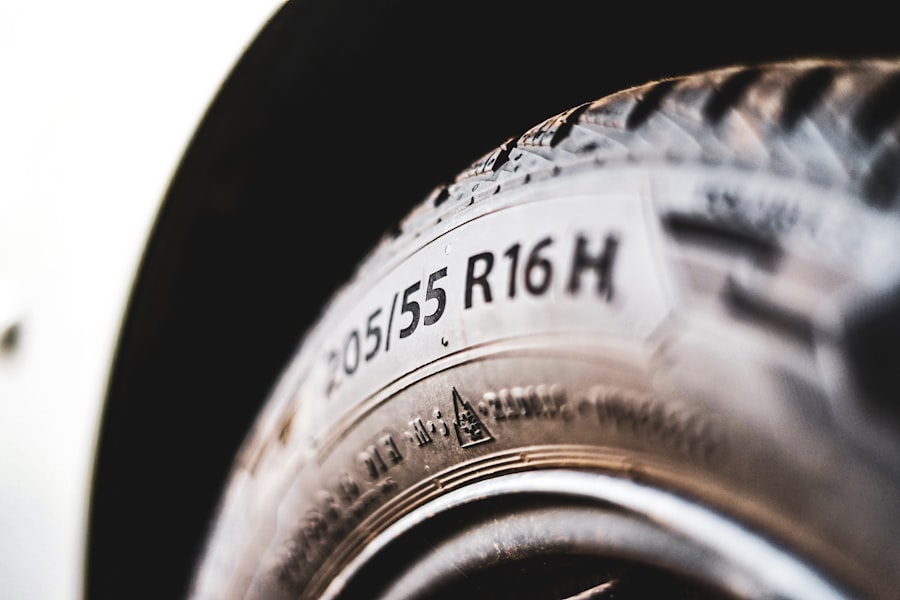
Before we dissect the impact on tread life, it’s crucial to establish what we mean by “narrow” and “wide” tires in the context of your vehicle. Tire width is measured in millimeters and is one of the key specifications found on the sidewall of your tire, typically represented as the second number in the tire size code (e.g., in 215/65R16, 215 is the width in millimeters). Generally, for a given rim diameter, a tire with a larger millimeter measurement is considered wider, and one with a smaller measurement is considered narrower. This width dictates the tire’s contact patch with the road – the area where the rubber meets the asphalt.
The Contact Patch: A Crucial Interaction
The contact patch is arguably the most critical element when discussing tire performance, and consequently, its durability. It’s the actual footprint of your tire on the road surface.
How Width Influences Contact Patch Shape and Size
- Wider Tires: Generally, a wider tire will have a larger surface area in contact with the road. This larger area can distribute the vehicle’s weight over a greater expanse. However, the shape of this contact patch is also influenced by the tire’s profile and construction. A wider tire might also be flatter, leading to a broader but potentially shorter contact patch.
- Narrower Tires: Conversely, narrower tires will have a smaller contact patch. This means the pressure exerted by the vehicle’s weight is concentrated over a smaller area. The shape of a narrower tire’s contact patch can be more elongated.
Pressure Distribution and Tire Wear
The way your tire’s weight is distributed across the contact patch directly impacts how the tread wears down.
The Effect of Increased Pressure on Narrower Tires
When you have a narrower tire, the forces exerted by the vehicle are compressed into a smaller area. This can lead to increased pressure per square inch on the tread. Over time, this concentrated pressure can accelerate wear in the center of the tread, as it bears a disproportionate amount of the load. Imagine pressing down on a table with your fingertip versus the palm of your hand; the fingertip exerts more concentrated pressure.
The Advantage of Distributed Load on Wider Tires
Wider tires, by virtue of their larger contact patch, can distribute the vehicle’s load more evenly. This reduced pressure per square inch across the tread can lead to a more uniform wear pattern. Instead of focusing wear in a single area, the wear is spread out over a larger surface, potentially extending the life of the tread.
When considering the impact of tire width on tread life, it’s essential to explore various factors that influence performance and longevity. A related article that delves into this topic is available at Hey Did You Know This, which discusses how narrow versus wide tires can affect tread wear, traction, and overall driving experience. Understanding these differences can help drivers make informed decisions about their tire choices for optimal performance and safety.
Driving Dynamics and Tire Wear Patterns
Beyond the static pressure distribution, the way you drive, and how the tire functions during motion, significantly affects tread life. Tire width plays a role in how the tire interacts with the road during acceleration, braking, and cornering.
Acceleration and Braking Forces
When you accelerate or brake, considerable forces are applied to the tire. The efficiency with which the tire can grip and transfer these forces has a direct impact on wear.
Grip and Slip During Acceleration
- Wider Tires: Generally, wider tires offer a larger surface area for grip, which can translate to better traction during acceleration. This improved grip means less wheel spin, and therefore, less rubber being scrubbed off the tire unnecessarily. Less slippage directly correlates to reduced wear.
- Narrower Tires: While narrower tires can also provide adequate grip, they may be more prone to wheel spin under aggressive acceleration, especially if the vehicle has high horsepower. This initial slippage can cause rapid wear on the tread.
Braking Effectiveness and Tire Scrubbing
- Wider Tires: A larger contact patch can provide more biting edges for braking, leading to shorter stopping distances. The wider surface can better dissipate the heat generated during braking, which is a significant factor in tread degradation. Less overheating can mean longer tread life.
- Narrower Tires: Narrower tires might require a bit more pedal effort to achieve the same stopping power, and the concentrated braking forces could lead to hotter tires. This increased heat can accelerate the breakdown of the rubber compounds in the tread.
Cornering Forces and Tread Stress
Cornering is where tires are put under lateral (sideways) stress. The width of the tire plays a crucial role in how it handles these forces and how the tread is affected.
Lateral Grip and Tire Deformation
- Wider Tires: Wider tires typically offer more lateral grip due to their increased contact area and potentially stiffer sidewalls, which contribute to better resistance against deformation. This allows them to resist rolling over or deforming excessively under cornering loads, leading to more even wear across the tread. The shoulder blocks on wider tires are often designed to handle these lateral forces more effectively.
- Narrower Tires: Narrower tires may deform more during hard cornering. This deformation can cause the outer edges of the tread to wear faster than the center or inner edges. The shoulders of narrower tires might not be as robust in handling prolonged lateral stress, leading to uneven wear patterns, often referred to as “feathering” or “edge wear.”
Maintaining Tire Shape and Wear Uniformity
- Wider Tires: The inherent stiffness of wider tires, combined with their tread design, often allows them to maintain a more consistent shape under cornering stress. This consistency is key to ensuring that the entire tread surface makes contact with the road and wears uniformly.
- Narrower Tires: The tendency for narrower tires to deform can lead to some parts of the tread being in constant contact while others are lifted or stressed differently, creating localized hot spots and accelerated wear.
Environmental Factors and Tire Degradation
Beyond the direct forces applied by driving, external environmental factors can also influence how tire width affects tread life.
Temperature Extremes and Rubber Hardening
The ambient temperature can significantly impact the rubber compounds that make up your tires, and this effect can be modulated by tire width.
Heat and Rubber Degradation
- Wider Tires: Wider tires, with their larger contact patch, can dissipate heat more effectively during both driving and braking. This improved heat dissipation helps to prevent the rubber from reaching temperatures that accelerate degradation. Lower operating temperatures generally mean a slower rate of tread wear.
- Narrower Tires: When subjected to similar driving conditions, narrower tires can trap more heat within their smaller contact patch. This can lead to a faster breakdown of the rubber compounds over time, resulting in a reduced tread life. Repeated exposure to high temperatures can also cause the rubber to harden, making it more brittle and prone to cracking.
Cold Weather and Tire Compound Performance
- Wider Tires: While not directly a tread life issue for the most part, in extreme cold, wider tires might require slightly more effort to “warm up” to their optimal operating temperature, potentially leading to a brief period of slightly increased wear on very cold starts. However, this is usually a minor factor compared to heat degradation.
- Narrower Tires: In cold weather, the effects of increased pressure on the tread (as discussed earlier) can be exacerbated if the rubber compound becomes harder. This can contribute to more rapid wear on the center of the tread, even in cooler conditions.
Road Surface Conditions and Tire Material Interaction
The type of road surface you frequently drive on is a major determinant of tire wear, and width can subtly influence this interaction.
Abrasive Surfaces and Tread Wear
- Wider Tires: On highly abrasive surfaces, the larger contact patch of a wider tire distributes the load, which can be beneficial in preventing rapid wear. However, the sheer amount of rubber in contact means more material is being exposed to abrasion. The design of the tread blocks (e.g., more sipes, deeper grooves) on wider tires often compensates for this.
- Narrower Tires: On rough, abrasive surfaces, the concentrated pressure of narrower tires can lead to faster wear. The smaller contact patch means each bit of tread is under more direct stress from the road’s texture. The tread grooves might also fill up with debris more easily on rough surfaces, leading to less effective grip and increased scrubbing.
Potholes and Impact Damage
- Wider Tires: The increased air volume within a wider tire can offer more cushioning against impacts from potholes or uneven surfaces. This can potentially reduce stress on the tire structure and tread, contributing to a longer life.
- Narrower Tires: Narrower tires have less air volume. Impacts from potholes can transfer more shock directly to the tire and rim, potentially leading to damage that could compromise tread integrity or lead to premature replacement. While this isn’t direct tread wear, it can indirectly affect the lifespan of the tire.
Tire Construction and Design Considerations
The physical construction and engineering of a tire also play a vital role, and these can differ significantly between narrow and wide variants.
Sidewall Stiffness and Tread Stability
The sidewall of a tire is the part that runs from the rim to the tread. Its stiffness is a critical factor in how the tire behaves under load.
How Sidewall Design Affects Tread Deformation
- Wider Tires: Manufacturers often design wider tires with stiffer sidewalls. This increased stiffness helps the tire resist bulging or deforming excessively under load, especially during cornering and braking. A more stable tread footprint means more even pressure distribution and thus more uniform wear.
- Narrower Tires: Narrower tires may have more flexible sidewalls to achieve a compliant ride. While this can be good for comfort, it can lead to greater sidewall flex and more significant tread deformation under stress. This deformation can cause certain areas of the tread to consistently bear more load, leading to accelerated and uneven wear.
Tread Compound and Durability
The “recipe” of rubber compounds used in the tread is crucial for its longevity. While this isn’t exclusive to width, there are often differences in how manufacturers approach these compounds for different tire sizes.
Material Science and Wear Resistance
- Wider Tires: To handle the increased demands and larger contact footprint, manufacturers may use harder, more durable rubber compounds in wider tires, prioritizing longevity. These compounds are engineered to resist abrasion and heat buildup.
- Narrower Tires: While some narrower performance tires might use softer compounds for grip, many standard narrow tires might be formulated with a balance of grip and wear. However, if a narrower tire is also designed for comfort, its compound might be softer, leading to faster wear. The choice of compound is inextricably linked to the intended performance profile of the tire, which can vary with width.
When considering the impact of tire width on tread life, it’s essential to explore various factors that contribute to performance and longevity. A related article discusses how narrow versus wide tires can affect not only traction but also wear patterns, which ultimately influences how long your tires last. For more insights on this topic, you can read the full article here. Understanding these differences can help drivers make informed decisions about their tire choices and maintenance strategies.
Vehicle Load and Tire Pressure Management
| Tire Type | Tread Life (miles) |
|---|---|
| Narrow Tires | 40,000 |
| Wide Tires | 30,000 |
The weight your vehicle is carrying and how you maintain its tire pressure are fundamental to tire life, and tire width can influence how these factors interact.
Vehicle Weight and Load Distribution
The total weight of your vehicle, including passengers and cargo, is distributed across all four tires.
Impact of Load on Pressure and Wear
- Wider Tires: With a larger contact patch and a greater ability to distribute load, wider tires may be slightly more forgiving of minor overloading. However, exceeding the load capacity of any tire will lead to accelerated wear and potential structural damage.
- Narrower Tires: Narrower tires, with their concentrated contact patch, are more sensitive to overloading. Carried weight is more intensely pressed onto a smaller area, significantly increasing the pressure and accelerating tread wear.
Tire Pressure: The Silent Killer of Tread Life
Underinflation or overinflation can drastically impact tire wear, irrespective of width, but the consequences can be magnified by tire dimensions.
Underinflation Effects
- Wider Tires: Underinflated wide tires will develop excessive heat due to increased flexing. The outer edges of the tread will wear faster than the center.
- Narrower Tires: Underinflated narrow tires will wear disproportionately on the outer edges of the tread, as the center tends to lift slightly. This concentrates wear on the shoulders.
Overinflation Effects
- Wider Tires: Overinflated wide tires will have a reduced contact patch, with the center of the tread carrying the brunt of the load. This leads to rapid wear in the center of the tire.
- Narrower Tires: Overinflated narrow tires will also exhibit rapid wear in the center of the tread, as the entire tire is bowed upwards. This effect can be more pronounced on narrower tires because their smaller overall footprint means the central contact area is smaller to begin with. Maintaining the correct tire pressure, as recommended by your vehicle manufacturer, is paramount for ensuring even wear and maximizing tread life, regardless of whether you have narrow or wide tires.
In conclusion, the decision between narrow and wide tires carries a tangible impact on tread life. While wider tires often offer advantages in load distribution, heat dissipation, and cornering stability, which can contribute to more uniform and prolonged tread wear, narrower tires can be more fuel-efficient and may offer a softer ride. Ultimately, the optimal choice depends on your vehicle, driving habits, and priorities. However, understanding these nuanced relationships between tire width, driving dynamics, environmental factors, construction, and vehicle management will empower you to make a more informed decision that prioritizes both performance and the longevity of your tires.
FAQs
1. What is the difference between narrow and wide tires for tread life?
Narrow tires typically have less surface area in contact with the road compared to wide tires. This means that narrow tires may experience less tread wear over time compared to wide tires.
2. Do narrow tires generally last longer than wide tires?
In general, narrow tires tend to have a longer tread life compared to wide tires. This is because the smaller contact patch of narrow tires results in less friction and wear on the tread.
3. Are there any factors that can affect the tread life of narrow and wide tires?
Yes, factors such as tire compound, driving habits, road conditions, and tire maintenance can all impact the tread life of both narrow and wide tires.
4. Which type of tire is better for maximizing tread life in specific driving conditions?
For driving conditions that involve a lot of highway driving, narrow tires may be better for maximizing tread life due to their reduced friction and wear. However, for off-road or rough terrain driving, wide tires may be more suitable.
5. How can I determine whether narrow or wide tires are best for maximizing tread life for my vehicle?
It’s important to consider your specific driving habits, the type of roads you typically drive on, and the recommendations of your vehicle manufacturer. Consulting with a tire professional can also help you determine the best tire option for maximizing tread life for your vehicle.