
Your introduction to the world of stormwater management is about to be significantly altered by a new approach to tire-derived particulate matter. You’ve likely seen the dark streaks on roads after a rainstorm, the tell-tale sign of tire wear. This dust, a complex cocktail of polymers, carbon black, and other chemicals, doesn’t simply vanish. Instead, it washes into gutters, drains, and eventually, our waterways, posing a substantial environmental challenge. This article delves into the principles, development, and implications of revolutionary tire dust filtration for stormwater runoff, aiming to provide a clear, no-nonsense understanding of its potential.
The ubiquitous nature of vehicles means that tire wear is an unavoidable byproduct of modern transportation. You might not think about it, but every kilometer you drive contributes to this phenomenon. This seemingly minor cosmetic issue carries significant environmental weight.
The Composition of Tire Wear Particles (TWP)
What exactly makes up this tire dust? It’s a complex blend, far from inert.
Polymers and Elastomers
The core of a tire is made from synthetic rubber, a polymer. As the tire interacts with the road surface, these polymers, along with their butadiene and styrene components, are abraded.
Carbon Black
A key ingredient in tires, carbon black acts as a reinforcing filler, providing strength and durability. It’s also a primary component of the visible black dust.
Additives and Contaminants
Beyond the fundamental components, tires contain a range of additives, including vulcanizing agents (like sulfur), accelerators, antioxidants, and plasticizers. Furthermore, the abrasion process can pick up metal particles from tire bead wires, road surface materials (like asphalt and concrete), and even airborne pollutants that settle on the tire surface.
Sources and Pathways of TWP into Stormwater
The journey of TWP from your car to the environment is multifaceted.
Direct Abrasion on Road Surfaces
The most significant source is the direct wear and tear of tire treads against the asphalt or concrete. This friction constantly generates fine particles.
Brake and Driveline Wear
While the focus is on tires, it’s important to acknowledge that brake pad wear and driveline abrasion also contribute metallic and particulate matter to the same runoff streams.
Road Surface Degradation
The road surface itself, particularly asphalt, also releases fine particulate matter that can become entrained with TWP.
Atmospheric Deposition
TWP, once airborne, can be transported by wind and subsequently deposited onto road surfaces, driveways, and other impervious areas, only to be washed away by the next rainfall.
Environmental Concerns Associated with TWP
The implications of TWP entering our ecosystems are varied and concerning.
Aquatic Toxicity
TWP contain chemical compounds that have been shown to be toxic to aquatic life. These can impact fish, invertebrates, and other organisms, disrupting food webs and biodiversity.
Ecotoxicological Effects
Beyond direct toxicity, TWP can accumulate in sediments and biota, leading to long-term harmful effects. Certain chemicalsLeached from TWP can interfere with endocrine systems and reproductive processes in aquatic organisms.
Persistence and Bioaccumulation
Some components of TWP, particularly heavy metals and persistent organic pollutants that can be adsorbed onto the particles, may persist in the environment for extended periods and potentially bioaccumulate up the food chain.
Contribution to Microplastic Pollution
TWP are a significant source of microplastics entering the environment. These tiny plastic fragments persist for centuries and are increasingly found in oceans, freshwater systems, and even our food.
Stormwater runoff is a significant environmental concern, particularly due to the pollution caused by tire dust, which can adversely affect water quality and aquatic ecosystems. To address this issue, innovative filtration systems are being developed to effectively capture and remove tire dust from stormwater before it enters natural water bodies. For more insights into the impact of stormwater runoff and potential solutions, you can read a related article at this link.
The Need for Effective Filtration: Traditional Methods and Their Limitations
Given the extensive problem posed by TWP, effective mitigation strategies are crucial. Historically, stormwater management has relied on certain approaches, but their efficacy against fine particles like TWP is often limited.
Conventional Stormwater Infrastructure
What are the standard solutions you might encounter?
Detention and Retention Basins
These structures are designed to hold stormwater, allowing sediment to settle out. However, their effectiveness diminishes for very fine particles like TWP, which remain suspended for longer periods.
Swales and Vegetated Filter Strips
These green infrastructure elements aim to slow down runoff and promote infiltration, with vegetation acting as a filter. While beneficial for larger sediment, their ability to capture microscopic TWP is variable and often not the primary design function.
Catch Basins and Grates
These are the first line of defense, preventing larger debris from entering the drainage system. Standard grates, however, are not designed to capture fine particles.
Limitations in Capturing Fine Particles
Why do these conventional methods fall short for TWP?
Particle Size and Density
TWP are often in the micro- and nanometer size range. Their small size and sometimes low density make them easily transported by water flow, bypassing settling processes in basins or getting through less dense filtration media.
Wash-off and Bypass
Even in vegetated systems, high flow rates during intense rain events can lead to wash-off of captured particles, or the water can simply bypass the filtration media.
Chemical Leaching from Captured Material
In some cases, if TWP are captured by conventional means, the trapped pollutants can still leach out over time, negating some of the benefits.
The Evolving Regulatory Landscape
Environmental regulations are increasingly recognizing the impact of stormwater pollution, including TWP. This puts pressure on developing more advanced solutions.
Total Maximum Daily Loads (TMDLs)
Regulatory bodies are setting stricter limits on the amount of pollutants, including those associated with TWP, that can be discharged into waterways.
Stormwater Permits and Best Management Practices (BMPs)
Municipalities and industries are required to implement BMPs to manage stormwater runoff, and there’s a growing emphasis on selecting BMPs that are effective against a wider range of pollutants.
Introducing Revolutionary Tire Dust Filtration Technology
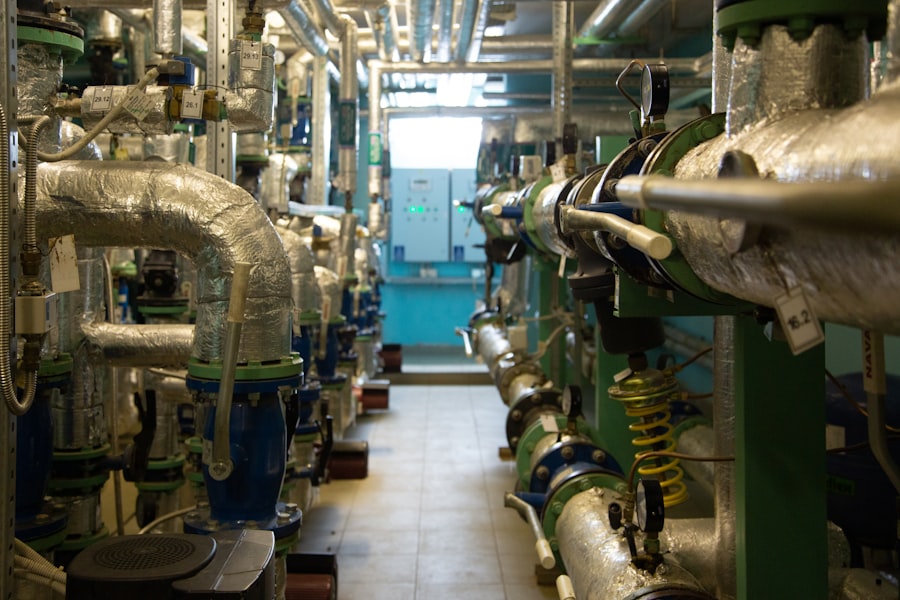
This is where the innovation comes in. You’re looking at a paradigm shift in how we address a specific, yet significant, component of stormwater pollution.
The Core Principle of Advanced Filtration
The fundamental idea is to create a barrier or a process that can effectively capture these elusive tire wear particles.
Enhanced Particle Capture Mechanisms
Unlike passive settling, these technologies employ active particle capture mechanisms. This could involve electrostatic attraction, advanced physical sieving, or chemical adsorption.
Targeted Design for TWP
The filtration media and design are specifically engineered to address the physicochemical properties of TWP, such as their size, shape, and surface characteristics.
Key Technological Innovations
What specific advancements are making this possible?
Advanced Media Development
Researchers are developing novel filtration materials.
Nanofiber Composites
These materials offer very small pore sizes and high surface area, enabling efficient capture of microplastics and fine particles.
Activated Carbon and Zeolite Blends
These porous materials can adsorb dissolved chemical contaminants often found in or associated with TWP, in addition to physically trapping particles.
Electrostatically Charged Media
Some innovative materials are designed with an electrostatic charge that actively attracts and holds TWP, improving capture efficiency beyond purely physical means.
Modular and Integrated Systems
The filtration is being incorporated into existing infrastructure.
Inline Filters for Storm Drains
These are designed to be installed directly within storm drain pipes or at the inlet of catch basins, intercepting runoff before it enters the larger system.
Retrofittable Filter Units
The aim is often to create solutions that can be easily integrated into existing stormwater infrastructure without requiring a complete overhaul.
Self-Cleaning or Low-Maintenance Designs
An important consideration for widespread adoption is minimizing the need for frequent and costly maintenance. Some systems may incorporate backwashing mechanisms or durable, long-lasting filtration elements.
Performance Metrics and Validation
How do you know these systems actually work?
Laboratory Testing and Benchmarking
Rigorous laboratory tests are conducted using simulated stormwater runoff containing known concentrations of TWP. This allows for controlled assessment of capture efficiency.
Field Trials and Monitoring
The most crucial validation comes from real-world deployments. Monitoring of treated stormwater in actual urban environments provides data on performance under variable conditions.
Standardized Testing Protocols
The development of standardized protocols for testing TWP filtration efficacy is essential for comparing different technologies objectively.
Implementation and Design Considerations
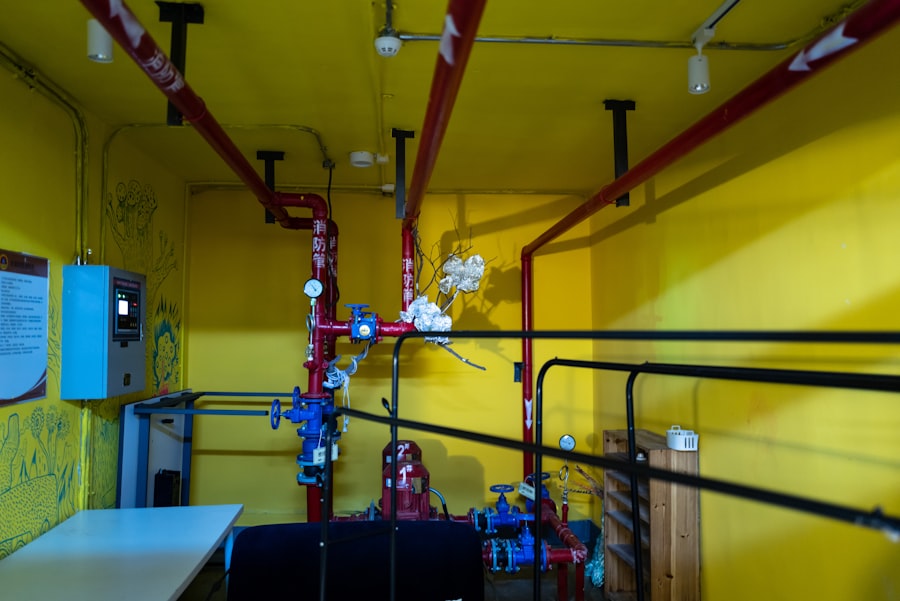
Simply having a technology isn’t enough; it needs to be practical for widespread use. You need to consider how it fits into the existing urban fabric.
Integration into Existing Stormwater Networks
How does this new technology connect with what’s already there?
Storm Drain Inlets and Outlets
One of the most logical locations for TWP filters is at the immediate entry points to the storm drain system. This intercepts pollutants at the source.
Catch Basin Modifications
Existing catch basins can be retrofitted with filtration inserts or upgraded with more advanced filtration systems within their chambers.
Green Infrastructure Enhancement
While perhaps not a standalone solution, TWP filtration can complement existing green infrastructure. For example, a bio-retention cell could be designed with an additional pre-filter stage specifically for TWP.
Material Durability and Longevity
How long will these filters last, and what happens to the captured material?
Resistance to Environmental Factors
The filtration media must be able to withstand exposure to sunlight, extreme temperatures, and the chemical composition of stormwater without degrading.
Maintenance and Replacement Cycles
Understanding the lifespan of the filtration elements is critical for operational planning and cost assessment. This includes how often maintenance is required and how the captured TWP are safely removed and disposed of.
End-of-Life Management of Filtered Material
Disposal of captured TWP is a significant consideration. Depending on the contaminants present, specialized disposal or even potential recycling pathways might need to be explored to avoid simply shifting the pollution problem.
Cost-Effectiveness and Scalability
Can this be applied practically and affordably?
Initial Capital Investment
The upfront cost of purchasing and installing TWP filtration systems is a key factor for municipalities and developers.
Operational and Maintenance Costs
Ongoing expenses related to cleaning, replacement, and disposal of captured material must be factored into the long-term economic viability.
Economic Benefits of Reduced Environmental Damage
While harder to quantify, the long-term economic benefits of protecting water quality, reducing aquatic ecosystem damage, and potentially avoiding future remediation costs are important considerations.
Scalability for Urban Environments
The technology must be adaptable to different scales, from individual storm drains in a residential area to large-scale collection systems in high-traffic urban corridors.
Stormwater runoff is a significant environmental concern, particularly in urban areas where tire dust can contribute to pollution. Recent advancements in filtration systems designed to capture and treat this runoff have shown promise in mitigating the harmful effects of tire dust on water quality. For more insights into innovative solutions addressing this issue, you can explore a related article that discusses various filtration technologies and their effectiveness in urban settings. To learn more, visit this informative article.
The Future of Stormwater Management and TWP Filtration
| System Type | Filtration Efficiency | Surface Area | Maintenance Frequency |
|---|---|---|---|
| Tire Dust Filtration System | 90% | 1000 sq ft | Quarterly |
| Stormwater Runoff Filtration System | 85% | 1500 sq ft | Bi-annually |
You are witnessing the beginning of a more targeted and effective approach to polluted runoff.
Broader Environmental Benefits
Beyond just filtering tire dust, what else can this achieve?
Reduction of Other Fine Particulates
The advanced filtration methods employed for TWP are often effective at capturing other types of fine particulate matter, including dust from road surfaces and brake wear.
Improved Water Quality in Receiving Waters
By removing a significant source of pollution, these systems contribute directly to cleaner rivers, lakes, and oceans. This has cascading benefits for ecosystems and human health.
Contribution to Microplastic Reduction Goals
As TWP are a major source of microplastics, effective filtration directly addresses this growing environmental concern.
Policy and Regulatory Advancements
How will this influence future regulations?
Inclusion in Stormwater Design Standards
As the technology matures and its efficacy is proven, it is likely to be incorporated into updated stormwater management design standards and requirements.
Incentives for Adoption
Governments and environmental agencies might offer incentives or grants to encourage the adoption of TWP filtration technologies, particularly in sensitive watershed areas.
Research and Development of New Materials
Continued investment in research will drive the development of even more efficient, cost-effective, and sustainable filtration solutions.
The Role of Public Awareness and Engagement
Your understanding and support are also important.
Educating Communities
Raising public awareness about the sources and impacts of TWP pollution is crucial for garnering support for mitigation efforts.
Citizen Science Initiatives
Engaging the public in monitoring stormwater quality or participating in pilot projects can foster a sense of ownership and responsibility.
Collaboration Between Industry, Government, and Academia
Successful implementation requires ongoing collaboration to innovate, test, and deploy these advanced filtration solutions.
The development of revolutionary tire dust filtration marks a significant step forward in managing the complex challenges of urban stormwater runoff. By understanding the problem, appreciating the limitations of older methods, and embracing the innovations in filtration technology, you are better equipped to grasp the potential of these solutions to protect our environment. The focus remains on practical application, cost-effectiveness, and measurable environmental improvement.
FAQs
What is stormwater runoff tire dust filtration system?
A stormwater runoff tire dust filtration system is a type of filtration system designed to capture and remove tire dust and other pollutants from stormwater runoff before it enters water bodies or the municipal stormwater system.
How does a stormwater runoff tire dust filtration system work?
These filtration systems typically use a combination of physical filtration, settling, and biological processes to capture and remove tire dust and other pollutants from stormwater runoff. This can include the use of filter media, sedimentation chambers, and vegetation to trap and remove pollutants.
What are the benefits of using stormwater runoff tire dust filtration systems?
The use of these filtration systems can help to reduce the amount of tire dust and other pollutants entering water bodies, which can improve water quality and protect aquatic ecosystems. Additionally, these systems can help to comply with stormwater regulations and reduce the impact of urban runoff on the environment.
Where are stormwater runoff tire dust filtration systems typically used?
These filtration systems are commonly used in urban and industrial areas where there is a high risk of tire dust and other pollutants entering stormwater runoff. They can be installed in parking lots, roadways, and other areas with high levels of vehicular traffic.
What are some common types of stormwater runoff tire dust filtration systems?
Common types of filtration systems include biofiltration systems, such as bioretention cells and bioswales, as well as proprietary filtration systems that use specialized filter media and design features to capture and remove tire dust and other pollutants from stormwater runoff.