
Your access to affordable and reliable transportation is likely taken for granted. You see a car, need a tire, and a new one is readily available. But imagine a different reality, one where the cost of new tires is prohibitive, and the only pathway to keeping essential vehicles on the road lies in the secondary market. This is the landscape for many developing nations, and used tire exports play a significant, often overlooked, role in their economies.
While the developed world often views used tires as waste, a problem to be managed and disposed of, for many nations in Africa, Asia, and Latin America, they represent a vital resource. The influx of these once-discarded items fuels a complex ecosystem of small businesses, supports transportation infrastructure, and contributes to local employment, acting as an unexpected engine for economic development.
The journey of a used tire from its point of origin is a global one, a testament to the interconnectedness of modern commerce, even in its less glamorous aspects. Developed nations generate an immense volume of tires annually. As vehicles are retired, or their tires reach the end of their legal tread life, they enter a disposal stream. While much of this is processed domestically for recycling or energy recovery, a significant portion finds its way to international markets, particularly those with a burgeoning demand for affordable automotive parts.
Understanding the Source Markets
- Developed Nations as Primary Suppliers: The United States, Canada, and countries within the European Union are principal exporters of used tires. These regions have stringent regulations regarding tire wear and often more affluent populations willing to replace tires preemptively, leading to a consistent supply of viable used tires. The sheer volume generated means that domestic processing alone cannot absorb the entire outflow.
- The “Worthwhile Usability” Threshold: Tires are not simply exported in any condition. A crucial factor is their remaining tread depth and structural integrity. Brokers and exporters carefully select tires that still possess a significant operational life, making them economically attractive to buyers in developing countries. This selectivity ensures that the imported tires are not merely scrap but functional components.
- Logistical Challenges and Costs: Moving large volumes of tires across continents is not without its complexities. Shipping costs, port handling fees, and the logistical coordination required to manage bulk shipments are significant considerations. These costs, however, are often absorbed by the economic advantage of purchasing used tires compared to new ones.
The Role of Intermediaries
- Tire Brokers and Export Companies: A specialized industry exists to facilitate the used tire trade. These companies act as intermediaries, sourcing tires from collection centers, repair shops, and even tire retailers in developed countries. They then prepare the tires for export, ensuring they meet import regulations and arranging for their transportation.
- Consolidation and Packaging: To maximize shipping efficiency and minimize damage, used tires are often consolidated and baled or shrink-wrapped. This process not only protects the tires during transit but also makes them easier for receivers to handle and store.
- Market Research and Demand Identification: Successful intermediaries conduct thorough market research to identify which types of tires are in highest demand in specific developing regions. Factors such as vehicle types prevalent in a country, local road conditions, and the availability of specific tire sizes all influence this demand.
The issue of used tire exports to developing nations has garnered significant attention due to its environmental and health implications. A related article that delves deeper into this topic can be found at Hey Did You Know This, where it explores the challenges faced by these countries in managing the influx of used tires and the potential risks associated with improper disposal.
Economic Lifelines: How Used Tires Fuel Local Economies
The primary economic impact of used tire imports lies in their ability to make vehicle ownership and operation more accessible. This affordability cascades through various sectors, creating employment and stimulating business activity in ways that new tire imports often cannot due to their higher cost.
Affordability as a Catalyst
- Reducing Transportation Costs: For individuals and businesses in developing nations, the cost of keeping vehicles operational is a major factor. New tires can represent a significant portion of a vehicle’s value. Used tires, even those with substantial tread remaining, are considerably cheaper, lowering the overall cost of transportation. This makes it more feasible for individuals to own and operate vehicles for personal use, commuting, and independent small-scale commerce.
- Enabling Small Businesses and Entrepreneurship: The accessibility of affordable tires directly supports a wide range of small businesses. Taxis, delivery services, agricultural transport, and local hauling operations all rely heavily on operational vehicles. Lower tire costs translate to higher profit margins or the ability to offer more competitive pricing, fostering entrepreneurship and enabling individuals to earn a livelihood.
- Supporting the Informal Economy: A significant portion of economic activity in many developing nations occurs within the informal sector. Used tires are particularly crucial for this segment, where affordability is paramount and formal supply chains may be less established. Vehicles equipped with used tires are the backbone of many informal trade routes and local service provisions.
Employment Generation at Multiple Levels
- Tire Repair and Retreading Workshops: The presence of a readily available and affordable supply of used tires fuels a robust industry of tire repair and retreading workshops. These are often small, locally owned businesses that employ skilled technicians. They inspect, repair minor damages, and sometimes even retread tires to extend their lifespan further.
- Tire Fitting and Sales: Local garages and informal tire vendors play a critical role in the distribution and installation of used tires. These establishments provide employment for mechanics and sales personnel, catering to the immediate needs of vehicle owners. The demand for these services is directly linked to the volume of used tires entering the market.
- Logistics and Handling: The unloading, sorting, and distribution of imported used tires within the destination country also create jobs. This can involve individuals working at ports, warehouses, or acting as local transporters to move tires to various sales points.
Stimulating Ancillary Industries
- Vehicle Maintenance Services: When vehicles are easier to keep on the road due to affordable tires, there is a corresponding increase in demand for other associated vehicle maintenance services. This includes mechanics for general repairs, suspension specialists, and alignment technicians.
- Fuel and Lubricant Sales: More operational vehicles naturally lead to increased consumption of fuel and lubricants, benefiting local fuel stations and suppliers.
- Roadside Assistance and Towing: As more vehicles, particularly those relied upon for income generation, are kept in service, the demand for roadside assistance and towing services also sees a boost.
The Rise of Local Tire Businesses: From Import to Innovation
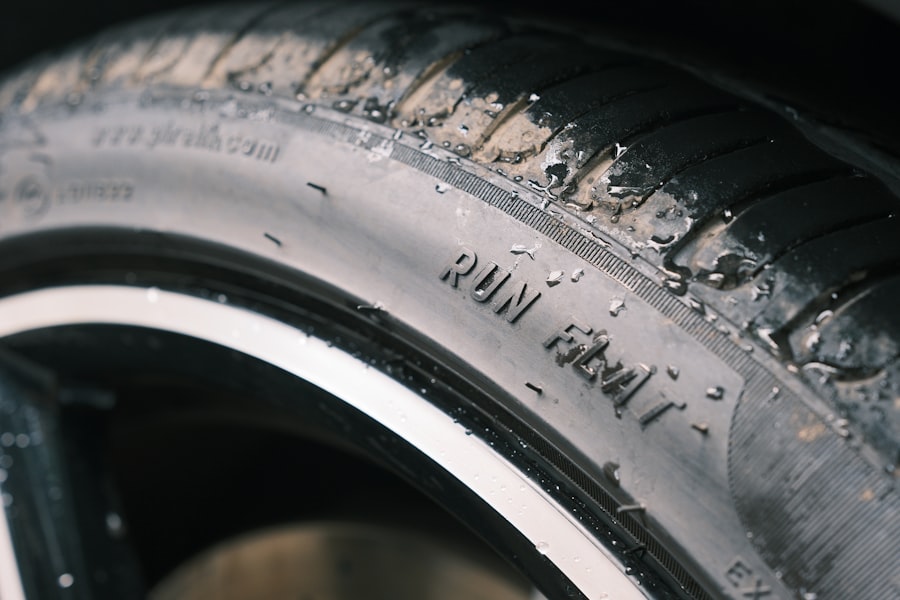
The used tire trade is not a static import process; it often spurs the development of local businesses that adapt and innovate based on the available resources. Instead of simply being passive recipients, communities develop their own expertise in handling, preparing, and selling these vital components.
Local Adaptation and Sorting
- Categorization and Standardization: Upon arrival, used tires are often sorted by size, brand, and remaining tread depth. Local businesses develop their own systems for categorizing these tires to cater to specific customer needs and price points. This creates a de facto local standardization process.
- Specialized Importers and Distributors: Over time, some of the larger importing entities evolve into specialized tire distribution companies. These businesses establish networks of smaller retailers and workshops, becoming key players in the local automotive supply chain.
- Addressing Specific Local Needs: Local businesses are adept at identifying the most in-demand tire types for their specific markets. For instance, in regions with predominantly agricultural or off-road use, tires suitable for those conditions will be highly sought after, and local businesses will prioritize their sourcing and distribution.
The Value Addition of Repair and Retreading
- Extending Usable Life: Local repair shops are crucial in extending the functional life of imported used tires. Minor punctures, cuts, and sidewall damages that might lead to immediate disposal in a developed market are often expertly repaired, making the tire safe and usable for a longer period.
- The Art of Retreading: While not as prevalent as simple repairs, some regions may see the development of basic retreading operations, where a new tread is applied to a used tire casing. This process, if done according to safety standards, can significantly extend a tire’s life and provide an even more affordable option.
- Job Creation in Skilled Trades: These repair and retreading activities require skilled labor, fostering the development of tradespeople with specialized knowledge in tire maintenance and reconstruction. This contributes to a more skilled workforce within the community.
The Entrepreneurial Spirit in Tire Sales
- Informal Tire Markets: Beyond formal garages, informal tire markets often spring up, particularly in urban centers. These markets are characterized by numerous small vendors selling a variety of used tires, creating a vibrant, albeit sometimes chaotic, commercial environment.
- Competitive Pricing and Bargaining: The informal nature of these markets often leads to competitive pricing and a culture of bargaining, further benefiting consumers.
- Meeting Immediate Demand: These local sellers are adept at meeting immediate demand, providing quick replacements for drivers who need to resume their work with minimal downtime.
Environmental Considerations: Navigating the Challenges

While the economic benefits are clear, the import of used tires is not without its environmental challenges. Responsible management and ethical sourcing are crucial to mitigating potential negative impacts and ensuring that this trade remains a net positive for recipient nations.
Waste Management and Disposal Issues
- End-of-Life Tire Accumulation: If used tires are not adequately managed or if the demand for them decreases, there is a risk of them accumulating as waste. Developing nations may lack the sophisticated waste management infrastructure present in developed countries, making the disposal of large quantities of tires problematic.
- Illegal Dumping and Environmental Hazards: Improper disposal can lead to illegal dumping in vacant lots, waterways, or uncontrolled landfills. This creates significant environmental hazards, including fire risks, breeding grounds for disease vectors like mosquitoes, and soil and water contamination.
- Lack of Domestic Recycling Capacity: Many developing countries have limited domestic capacity for advanced tire recycling technologies. This means that when used tires reach their absolute end-of-life, they may have fewer viable disposal or repurposing options locally.
Potential for Inadvertent Environmental Dumping
- Lower Standards of Inspection: While legitimate exporters select usable tires, there is a risk that some less scrupulous actors might attempt to export tires that are closer to their end-of-life, effectively offloading waste onto developing nations.
- Challenges in Enforcement: Enforcing regulations and ensuring compliance with import standards can be challenging for developing countries, particularly concerning the quality and condition of imported used goods.
- The “Wishcycling” Phenomenon: In some instances, there might be a well-intentioned but ultimately ineffective attempt to provide “recyclable” materials that lack a local market or processing capability, leading to unintended waste.
The Importance of Sustainable Practices
- Joint Responsibility: Both exporting and importing nations share a responsibility to ensure the sustainable management of used tires. This involves clear regulations, robust inspection processes, and collaborative efforts to develop better end-of-life solutions.
- Promoting Local Recycling Initiatives: Supporting and investing in local tire recycling and repurposing initiatives in developing countries can help transform waste into valuable resources, reducing reliance on dumping.
- International Cooperation and Knowledge Transfer: Sharing best practices and technological advancements in tire management and recycling between developed and developing nations can accelerate progress towards more sustainable solutions.
The issue of used tire exports to developing nations has garnered significant attention due to its environmental and economic implications. Many countries receive these tires as a low-cost solution for their transportation needs, but the long-term effects on local ecosystems can be detrimental. For a deeper understanding of this complex topic, you can read a related article that explores the challenges and opportunities associated with this practice. To learn more, check out this insightful piece on the subject here.
Looking Ahead: Towards a More Responsible Trade
| Year | Quantity (in tons) | Top Exporting Countries | Top Importing Countries |
|---|---|---|---|
| 2015 | 1,200,000 | United States, Japan, Germany | India, Malaysia, Vietnam |
| 2016 | 1,300,000 | United States, Japan, Germany | India, Malaysia, Vietnam |
| 2017 | 1,400,000 | United States, Japan, Germany | India, Malaysia, Vietnam |
The trade in used tires represents a complex interplay of economic necessity and environmental responsibility. While it undeniably provides economic lifelines for many developing nations, a forward-looking approach is crucial to ensure this trade is sustainable and beneficial in the long term.
Strengthening Regulatory Frameworks
- Harmonized Import Standards: Encouraging the development of harmonized international standards for the export and import of used tires can ensure that only tires with a genuine remaining lifespan enter developing markets.
- Enhanced Inspection Procedures: Implementing rigorous inspection procedures at both exporting and importing ports is essential to prevent the shipment of substandard or environmentally harmful tires.
- Tracking and Traceability: Developing systems for tracking the origin and destination of used tire shipments can improve accountability and facilitate better waste management.
Investing in Local Solutions
- Support for Recycling Technologies: Developed nations and international organizations can play a vital role in supporting the transfer of appropriate and scalable tire recycling technologies to developing countries.
- Promoting Tire-Derived Products: Encouraging the development of markets for tire-derived products, such as playground surfaces, rubberized asphalt, and construction materials, can create new economic opportunities and reduce reliance on disposal.
- Educational Outreach and Training: Investing in training programs for local mechanics, repair technicians, and waste management professionals can enhance their capacity to handle used tires responsibly and innovatively.
Fostering a Circular Economy for Tires
- Extended Producer Responsibility (EPR): Exploring the implementation of EPR schemes, where tire manufacturers are responsible for the end-of-life management of their products, could incentivize better design and more sustainable disposal practices globally.
- Innovation in Tire Design: Encouraging tire manufacturers to design tires that are more durable, easier to repair, and more readily recyclable at their end-of-life can contribute to a more circular economy.
- The “Second Life” Mindset: Cultivating a broader societal mindset that recognizes the potential for a “second life” for products, rather than viewing them as immediately disposable, is fundamental to achieving true sustainability in the tire industry and beyond.
The used tire export market, while often operating outside the spotlight, is a critical component of the economic fabric in many developing nations. You, as a consumer in a developed country, indirectly contribute to this ecosystem with every tire replacement. Understanding this global flow and its implications allows for a more informed perspective on the interconnectedness of global economies and the often-unseen pathways through which essential goods and services are provided. The challenge ahead lies in ensuring this trade evolves to be not just economically viable, but also environmentally responsible and socially equitable, transforming what was once considered waste into a truly sustainable resource.
FAQs
1. What are used tire exports to developing nations?
Used tire exports to developing nations refer to the practice of exporting used tires from developed countries to developing nations for various purposes such as recycling, resale, or reuse.
2. Why are used tire exports to developing nations a topic of concern?
Used tire exports to developing nations are a topic of concern due to potential environmental and health hazards. Improper disposal or burning of used tires can release harmful chemicals and pollutants into the environment, posing risks to human health and the ecosystem.
3. What are the potential benefits of used tire exports to developing nations?
Used tire exports to developing nations can provide affordable tire options for consumers, support local economies through tire recycling and resale businesses, and contribute to the reduction of waste in developed countries.
4. How are used tire exports regulated and monitored?
Used tire exports are regulated and monitored through international agreements, national regulations, and environmental treaties. Organizations such as the Basel Convention and the World Trade Organization play a role in overseeing the trade of used tires and ensuring compliance with environmental standards.
5. What are some sustainable alternatives to exporting used tires to developing nations?
Sustainable alternatives to exporting used tires to developing nations include promoting domestic tire recycling and reuse programs, investing in tire retreading technologies, and supporting the development of sustainable tire manufacturing practices in developing nations.