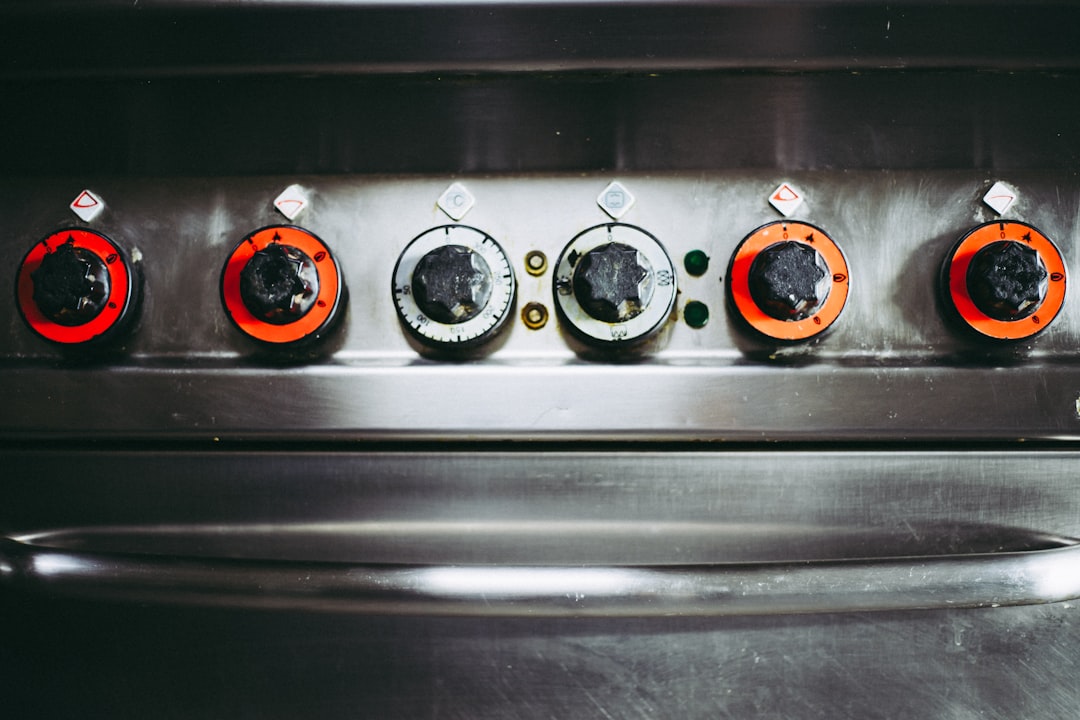
You’re staring at your appliance, a blank face where a comforting display of functions used to be. Instead, it’s a cryptic string of letters and numbers – an error code. And it’s not just any error code; it’s one that seems stubbornly unrecoverable based on the initial troubleshooting suggested in your manual. You’ve tried the unplug-and-wait trick, cycled the power multiple times, and the blinking lights or persistent error message are staring back at you, unmoved. This isn’t the minor inconvenience of a forgotten setting; this is a declaration of a more significant issue that your appliance, in its current state, is unable to self-correct. This guide is designed to take you through the process of attempting to clear these seemingly unrecoverable appliance error codes, providing a structured approach when the standard solutions fall short.
Before diving into the steps, it’s crucial to grasp what constitutes an “unrecoverable” error code in the context of modern appliances. These codes often signify a deeper problem than a simple glitch.
The Role of Digital Control Boards
Modern appliances are essentially sophisticated computers. Their control boards, often referred to as the “brain,” manage every aspect of their operation, from temperature regulation in your refrigerator to the spin cycle of your washing machine. Error codes are the language the control board uses to communicate when it detects a deviation from its programmed parameters.
Identifying Different Types of Errors
Error codes can range from minor sensor malfunctions to critical component failures. Some errors are transient and can be cleared by a simple power cycle. Others indicate a persistent problem that requires more involved intervention. When you’re facing an “unrecoverable” code, it typically falls into the latter category, suggesting a sustained issue that the appliance’s internal diagnostics can’t resolve on their own.
Why Standard Troubleshooting Might Fail
The basic troubleshooting steps recommended in most appliance manuals – unplugging for a minute, checking for obvious blockages – are designed for common, easily resolvable issues. They aim to reset the system or clear minor obstructions. However, more complex problems require more sophisticated approaches.
Persistent Faults Versus Temporary Glitches
A temporary glitch might be caused by a brief interruption in power, a fleeting sensor reading anomaly, or a minor communication error between components. These are often cleared by a power reset. An unrecoverable error code, however, suggests a more persistent fault. This could mean a component is consistently failing to perform its function, a circuit is constantly out of spec, or a critical sensor is providing a definitive, incorrect reading that the control board cannot override.
If you’re dealing with unrecoverable appliance error codes, it can be frustrating to troubleshoot the issue on your own. A helpful resource to consider is the article found at Hey Did You Know This, which provides insights and tips on how to effectively clear these error codes. By following the guidance in this article, you can better understand the underlying problems and take the necessary steps to resolve them, ensuring your appliances function smoothly once again.
Advanced Diagnostic and Reset Procedures
When the basic steps fail, you’ll need to move beyond simple power cycling. These advanced procedures aim to force a system reset or bypass certain diagnostic checks that are preventing normal operation.
Performing a Hard Reset (Beyond a Simple Unplug)
A hard reset, often referred to as a “hard reboot” or “factory reset” in a broader technological context, involves a more thorough clearing of the appliance’s memory and a complete power cycle.
The Importance of Disconnecting All Power Sources
Simply unplugging the appliance might not fully discharge the capacitors in the control board that retain residual power. For a hard reset, you need to ensure that all power is completely removed for an extended period. This means not only unplugging the appliance from the wall but also, if applicable and safe to do so, turning off the circuit breaker that supplies power to the appliance.
Extended Power Disconnection (The Waiting Game)
The duration of the power disconnection is critical. While a minute might suffice for minor glitches, for persistent error codes, you’ll likely need to leave the appliance disconnected for a much longer period. This can range from several minutes to several hours, depending on the appliance’s complexity and the severity of the suspected fault. The goal is to allow any residual charge in the control board’s components to dissipate completely.
Accessing and Interpreting Diagnostic Modes
Many modern appliances have built-in diagnostic modes that can provide more detailed information about error codes and system status. Accessing these modes, however, often requires a specific sequence of button presses or a combination of interactions that aren’t immediately obvious.
Manufacturer-Specific Diagnostic Entry Sequences
Each appliance manufacturer, and often each appliance model, will have its own unique method for entering diagnostic mode. This information is rarely found in the standard user manual. You’ll typically need to consult online resources, appliance repair forums, or specialized service manuals. These sequences can involve pressing a combination of buttons simultaneously, holding down a specific button for an extended period while powering on, or navigating through a menu with a particular series of inputs.
Understanding Error Logs and Manufacturer Codes
Once in diagnostic mode, you might be able to access error logs that provide more granular details about the fault. This often involves interpreting manufacturer-specific error codes, which are distinct from the user-facing error codes. These internal codes can point to specific components, circuits, or sensor readings that are triggering the problem.
Investigating Potential Component Failures
If a hard reset and diagnostic mode exploration don’t resolve the issue, you’ll need to consider the possibility that a component has indeed failed. This stage requires a more hands-on approach and a willingness to investigate the appliance’s internal workings.
Visual Inspection of Internal Components
Before attempting any electrical testing, a thorough visual inspection can often reveal obvious signs of damage or wear. This requires safely accessing the appliance’s internal components.
Safety Precautions for Internal Access
Always ensure the appliance is completely disconnected from power before opening any panels or touching internal components. Wear appropriate safety gear, such as gloves and eye protection. Static discharge can also damage sensitive electronic components, so consider using an anti-static wrist strap.
Identifying Signs of Burned, Damaged, or Loose Connections
Look for any components that appear burned, discolored, or physically damaged. Check for loose wires or connectors, especially those that lead to heating elements, pumps, motors, or sensors. A visual inspection can sometimes highlight a problem that isn’t immediately apparent from the error code alone.
Basic Electrical Testing (Where Applicable)
For those comfortable with electrical testing, some basic checks can help isolate faulty components. This requires a multimeter and an understanding of electrical safety.
Using a Multimeter to Test for Continuity and Resistance
A multimeter can be used to test for continuity (whether a circuit is complete) and resistance (the opposition to electrical flow). For example, you could test the heating element in an oven or a dryer. If the resistance reading is significantly outside the specified range or shows no continuity, the component is likely faulty.
Checking Power Supply to Components
You can also use a multimeter to verify that power is reaching specific components. If a motor isn’t working, you can check if voltage is being supplied to its terminals. If power is present but the motor doesn’t operate, the motor itself may be the problem.
Resetting the Control Board with User-Non-Accessible Techniques
In some cases, the unrecoverable error code is a persistent flag on the control board that requires a reset method not readily available to the average user. These methods often involve more direct interaction with the control board itself.
The “Fuse Reset” Method (If Applicable)
Some appliances have internal fuses that, when blown, can trigger specific error codes on the control board. Replacing or even momentarily removing and reinserting these fuses can sometimes reset the system.
Locating Internal Fuses
You’ll need to consult your appliance’s service manual or online resources to locate any internal fuses. These are typically small, cylindrical components with metallic caps.
The Process of Fuse Replacement or Reseating
If you find a blown fuse, it indicates a problem that likely caused the fuse to blow in the first place. Simply replacing it might lead to it blowing again. However, some situations involve a temporary overload, and reseating a seemingly intact fuse might clear a persistent error by interrupting the circuit for a sufficient period.
Advanced Control Board Reset Procedures
Beyond basic power cycling, some control boards might have specific, non-obvious reset procedures. These can sometimes involve a combination of button presses and power interruptions that are designed for technicians.
Manufacturer-Specific Board Resets
Manufacturers sometimes embed reset functions within their control boards that are not documented in the user manual. These might require specific diagnostic tools or complex button sequences. Accessing this information typically requires delving into service manuals.
Using Diagnostic Ports (For Advanced Users)
Some appliances feature diagnostic ports that allow technicians to connect specialized equipment to clear error codes and reconfigure settings. While accessing and using these ports is usually beyond the scope of typical DIY troubleshooting, understanding their existence highlights the complexity of advanced resets.
If you’re struggling with unrecoverable appliance error codes, it can be quite frustrating to find a solution. Fortunately, there are resources available that can guide you through the troubleshooting process. For a comprehensive overview of how to tackle these issues effectively, you might find this article on appliance error codes particularly helpful. It provides step-by-step instructions and tips that can make a significant difference in resolving your appliance problems. You can read more about it here.
Deciding When to Seek Professional Assistance
| Error Code | Possible Causes | Steps to Clear |
|---|---|---|
| E001 | Power supply issue | Check power source and reset the appliance |
| E002 | Temperature sensor malfunction | Replace temperature sensor or reset the appliance |
| E003 | Internal circuitry problem | Reset the appliance or contact customer support |
Despite your best efforts, some unrecoverable error codes signify problems that are beyond the capabilities of DIY repair. Knowing when to call a professional is a crucial part of the process.
Recognizing the Limits of DIY Troubleshooting
There comes a point where further investigation might lead to more damage or even present safety hazards. If you’re not comfortable with electrical testing, or if the problem points to a complex internal system failure, it’s time to step back.
Complex Electronic Failures
Components like the main control board itself can fail. Replacing these parts often requires specialized knowledge and calibration. If your diagnostics point to a failure of the control board, professional intervention is usually necessary.
Safety Concerns and Potential for Further Damage
Working with appliances, especially those involving water or gas, carries inherent risks. Attempting repairs beyond your skill level can lead to electric shock, water damage, or other hazardous situations. It can also result in more extensive and costly damage to the appliance.
The Value of Professional Diagnostics and Repair
Appliance repair technicians have the tools, knowledge, and experience to accurately diagnose and repair complex issues. They can access manufacturer-specific service information and have a broader understanding of common failure points.
Access to Specialized Tools and Information
Technicians often possess diagnostic software and hardware that can communicate directly with the appliance’s control board, providing deeper insights into error codes and system performance. They also have access to official service manuals that detail repair procedures and part specifications.
Cost-Effectiveness of Professional Repair
While it might seem counterintuitive, sometimes a professional repair can be more cost-effective in the long run. They can often resolve the issue efficiently, preventing further damage and the need for more extensive repairs down the line. They can also advise you on whether a repair is economically viable compared to replacing the appliance.
By systematically approaching these unrecoverable error codes, you can increase your chances of understanding and resolving the issue. However, always prioritize safety and acknowledge when your expertise has reached its limit.
FAQs
What are appliance error codes?
Appliance error codes are specific combinations of letters and numbers that indicate a problem or malfunction within the appliance. These codes are designed to help users and technicians identify the issue and take appropriate action to resolve it.
Why are some appliance error codes unrecoverable?
Unrecoverable appliance error codes typically indicate a serious or irreversible issue within the appliance. These codes may be triggered by hardware failures, critical system errors, or other issues that cannot be easily resolved through standard troubleshooting methods.
How can I clear unrecoverable appliance error codes?
Clearing unrecoverable appliance error codes often requires advanced troubleshooting techniques and may involve resetting the appliance’s control panel, power cycling the appliance, or performing a factory reset. In some cases, it may be necessary to consult the appliance’s user manual or contact the manufacturer for specific instructions.
What should I do if I encounter an unrecoverable appliance error code?
If you encounter an unrecoverable appliance error code, it is important to first refer to the appliance’s user manual for guidance on troubleshooting and resolving the issue. If the error persists, it is recommended to contact the manufacturer’s customer support or a certified technician for further assistance.
Can unrecoverable appliance error codes be indicative of a larger issue?
Yes, unrecoverable appliance error codes can be indicative of a larger underlying issue within the appliance. These codes may signal the need for professional inspection and repair to prevent further damage or safety hazards. It is important to address unrecoverable error codes promptly to ensure the appliance’s proper functioning.