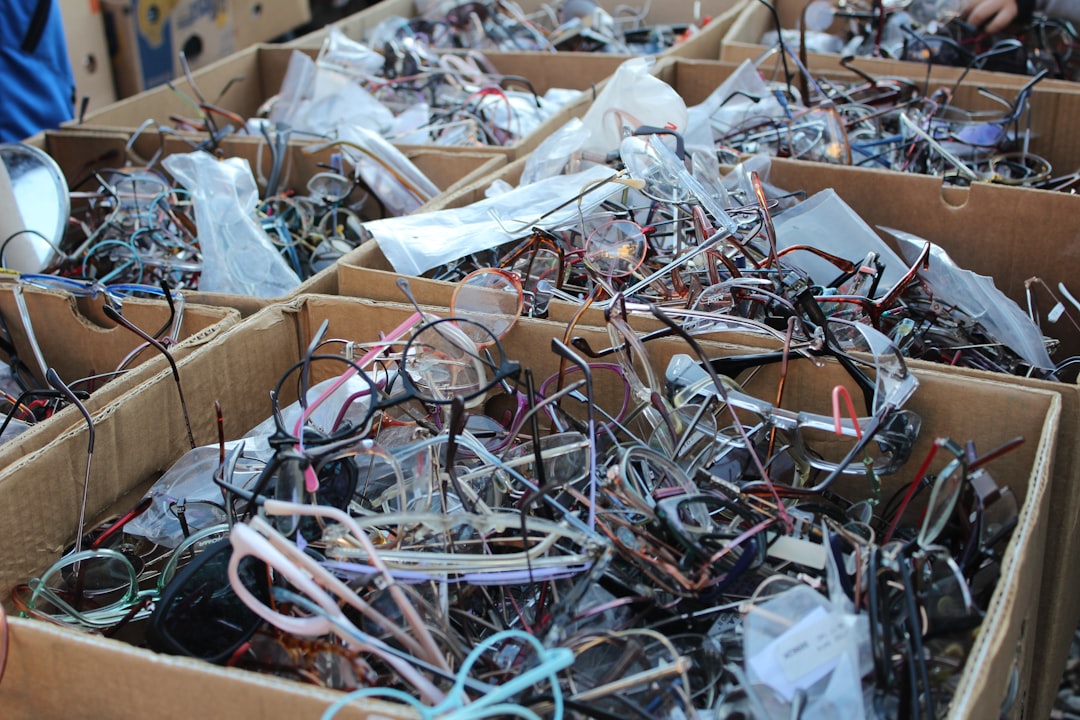
You’re standing on the precipice of a growing crisis. It’s not a distant, abstract threat discussed in scientific journals alone; it’s a tangible accumulation of discarded technology, a silent monument to your consumption: appliance e-waste piles. These aren’t just forgotten refrigerators gathering dust in a backyard corner; they are vast, often unregulated, landscapes of discarded electronics, from washing machines and dishwashers to outdated televisions and microwaves. The environmental impact of these mountains of metal, plastic, and circuitry is profound and demands your urgent attention.
You likely don’t give much thought to the lifespan of your appliances. They serve you, fulfilling their designated functions with admirable efficiency. But what happens when that efficiency wanes, when a repair becomes prohibitively expensive, or when a newer, shinier model beckons? This is where the e-waste problem begins. Appliance e-waste encompasses a broad spectrum of discarded electrical and electronic equipment (EEE) that typically operates on mains electricity.
Defining the Scope: From Kitchens to Living Rooms
The defining characteristic of appliance e-waste is its reliance on electrical power. This distinguishes it from smaller electronic devices like mobile phones, though the lines can sometimes blur. For the purpose of understanding the environmental burden, consider the following categories:
Large Household Appliances: The Giants of Discard
These are the most visible and heaviest components of e-waste. Think of the workhorses of your home:
- Refrigeration and Freezing Appliances: Refrigerators, freezers, and wine coolers. These often contain refrigerants, some of which are potent greenhouse gases.
- Washing and Drying Appliances: Washing machines, dryers, and washer-dryer combinations. These are bulky and their components, like motors and control boards, can be complex.
- Cooking Appliances: Ovens (electric and gas, though the latter’s e-waste aspect is primarily the control systems and igniters), cooktops, microwaves, and dishwashers. These contain heating elements, glass, and various electronic control units.
The environmental impact of appliance e-waste piles is a pressing issue that requires urgent attention. As electronic appliances reach the end of their life cycle, they often end up in landfills, contributing to pollution and resource depletion. A related article that delves deeper into this topic can be found at Hey Did You Know This, which discusses the various ways e-waste affects our planet and highlights the importance of responsible recycling and disposal practices.
Small Household Appliances: The Proliferating Problem
While individually lighter, the sheer volume of discarded small appliances contributes significantly to e-waste. You might underestimate their impact until you consider how quickly they are replaced:
- Kettles, Toasters, and Coffee Makers: These often have simple heating elements but also intricate plastic housings and sometimes basic digital displays.
- Irons and Hair Dryers: These involve heating elements, motors for fans, and plastic components.
- Vacuum Cleaners: Motors, filters, and plastic casings are common materials.
- Fans and Heaters: Primarily composed of motors, plastic, and heating elements.
Entertainment and Communication Equipment (Often Integrated): The Entertainment Abyss
While some might categorize these separately, many modern appliances integrate entertainment and communication features, blurring the lines. Smart televisions, smart refrigerators with built-in displays, and even internet-connected kitchen appliances fall into this category.
- Televisions and Monitors: Increasingly sophisticated, these contain valuable
FAQs
What is e-waste and how does it impact the environment?
E-waste refers to electronic products that have reached the end of their useful life and are discarded. When not properly disposed of, e-waste can release harmful chemicals and heavy metals into the environment, contaminating soil, water, and air.
How do appliance e-waste piles contribute to environmental pollution?
Appliance e-waste piles contribute to environmental pollution by releasing toxic substances such as lead, mercury, and cadmium into the environment. These substances can contaminate soil and water, posing a threat to human health and the ecosystem.
What are the potential health risks associated with appliance e-waste piles?
Exposure to the toxic substances found in appliance e-waste piles can lead to a range of health issues, including respiratory problems, neurological disorders, and reproductive issues. Children and pregnant women are particularly vulnerable to the health risks associated with e-waste exposure.
How can appliance e-waste be properly disposed of to minimize its environmental impact?
To minimize the environmental impact of appliance e-waste, it should be properly disposed of through recycling programs or by taking it to designated e-waste collection centers. This ensures that valuable materials are recovered and harmful substances are safely handled.
What are some sustainable practices for reducing appliance e-waste and its environmental impact?
Sustainable practices for reducing appliance e-waste and its environmental impact include extending the lifespan of appliances through proper maintenance and repair, donating or selling used appliances, and purchasing energy-efficient and durable products. Additionally, supporting e-waste recycling initiatives and advocating for responsible e-waste management can help minimize the environmental impact of appliance e-waste piles.