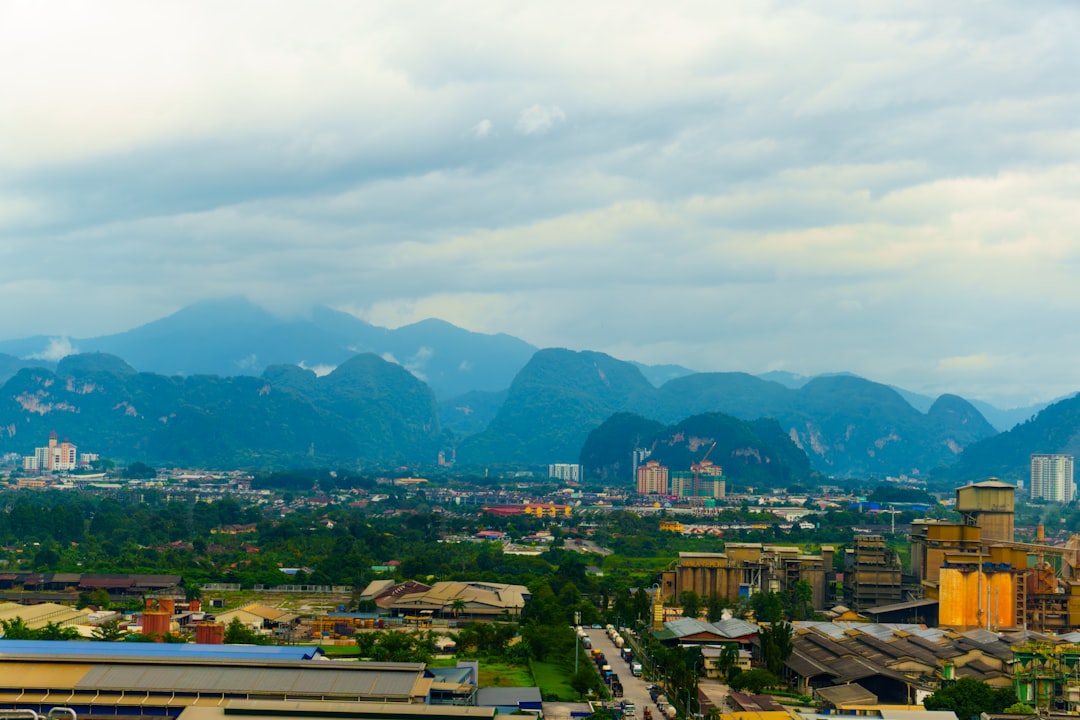
You walk through your city every day. You see the streets, the buildings, the parks. You might think it all just… happened. But it didn’t. It was planned, designed, orchestrated. And behind the seemingly straightforward layout of your urban environment lie layers of intention, often hidden, sometimes controversial. Uncovering urban planning isn’t about admiring pretty postcards of skylines; it’s about understanding the forces that shape your daily life, the decisions made long before you arrived, and the subtle, and not-so-subtle, agendas that continue to influence its evolution.
At its core, urban planning is about deciding what goes where. This might seem simple, but the consequences are profound. Zoning ordinances are the primary tool for this, dictating everything from building height and density to what types of businesses can operate in specific areas.
The Genesis of Separation: Euclidean Zoning
You’ve likely encountered the concept of zoning without realizing its origins. The most prevalent form, Euclidean zoning, named after a 1926 Supreme Court case, is built upon the idea of separating incompatible land uses.
Residential Purity: Creating Enclaves
This often translates into vast tracts of solely residential areas, meticulously separated from commercial or industrial zones. The intention, at least on the surface, was to protect residents from the noise, pollution, and perceived degradation of other land uses. You might live in a neighborhood where a grocery store is a significant drive away, precisely because it’s zoned as something else.
Commercial Arteries: Concentrating Activity
Similarly, commercial zones are often designated along major roads or in distinct downtown districts. This creates areas of concentrated economic activity, theoretically making services accessible while keeping them separate from your home.
Industrial Shadows: The Unseen Zones
Industrial zones, often the most heavily regulated due to environmental concerns, are typically relegated to the fringes of the city, sometimes bordering lower-income neighborhoods. This spatial segregation is a direct result of zoning decisions, impacting where jobs are located and where people are exposed to industrial impacts.
Beyond the Basic: Performance and Incentive Zoning
While Euclidean zoning remains dominant, other approaches exist, often attempting to address its limitations.
Flexibility Through Performance: What Matters is the Outcome
Performance zoning moves away from rigid use categories and instead focuses on the impacts of development. Rather than saying “no retail here,” it might say “retail is allowed if it meets these noise, traffic, and aesthetic standards.” This can offer more flexibility but also requires robust monitoring and enforcement.
Guiding Growth with Incentives: Rewarding Desired Development
Incentive zoning offers developers the opportunity to deviate from standard regulations in exchange for providing public benefits. This could include offering more housing units if the developer includes affordable housing, or allowing a taller building if they incorporate public plazas or retail space at ground level. The agenda here is to coax development towards socially desirable outcomes.
In the realm of urban planning, the intricacies of industry secrets and hidden agendas often shape the development of our cities in ways that are not immediately apparent to the public. A fascinating article that delves into these covert practices is available at this link: Urban Planning Industry Secrets and Hidden Agendas. This piece uncovers the motivations behind certain planning decisions and highlights the importance of transparency in creating sustainable and equitable urban environments.
The Invisible Hand: Transportation Networks
How you move around your city is not an accident; it’s a highly planned outcome. Transportation networks are arguably the most influential element of urban planning, dictating access, opportunity, and even social interaction.
The Automobile’s Reign: A Post-War Legacy
The mid-20th century, particularly in North America, was a period of rapid suburbanization fueled by the automobile. Urban planning actively facilitated this through massive investments in road infrastructure.
Arterial Expansion: The Endless Drive
The construction of wide, multi-lane roads, highways, and bypasses was prioritized. This made it easier to commute from ever-expanding suburbs to city centers, effectively shaping the physical form of metropolitan areas. You experience this every time you find yourself on a highway that seems to cut through neighborhoods.
Parking as a Right: The Cost of Convenience
Ample parking became a non-negotiable expectation, often mandated by zoning codes. This significantly influences the design of businesses, shopping centers, and even residential buildings, dedicating vast amounts of valuable land to storing vehicles.
Shifting Gears: The Re-Emergence of Public Transit
While the car dominated for decades, there’s a growing recognition of the limitations and environmental costs of this singular focus. Urban planners are now grappling with how to re-prioritize or integrate alternative modes of transportation.
The Backbone of Connectivity: Rail and Bus Systems
Investment in or reinvestment in public transit systems – subways, light rail, buses – aims to provide viable alternatives to private car ownership. The success of these systems is directly tied to strategic planning, with routes and frequencies often reflecting demographic data and economic hubs.
The Pedestrian and Cyclist: Reclaiming the Street
The “complete streets” movement, for instance, advocates for designing streets that are safe and accessible for all users, including pedestrians and cyclists. This involves adding sidewalks, bike lanes, and traffic calming measures, a conscious effort to shift away from a car-centric design.
The Architects of Desire: Housing and Development Policies
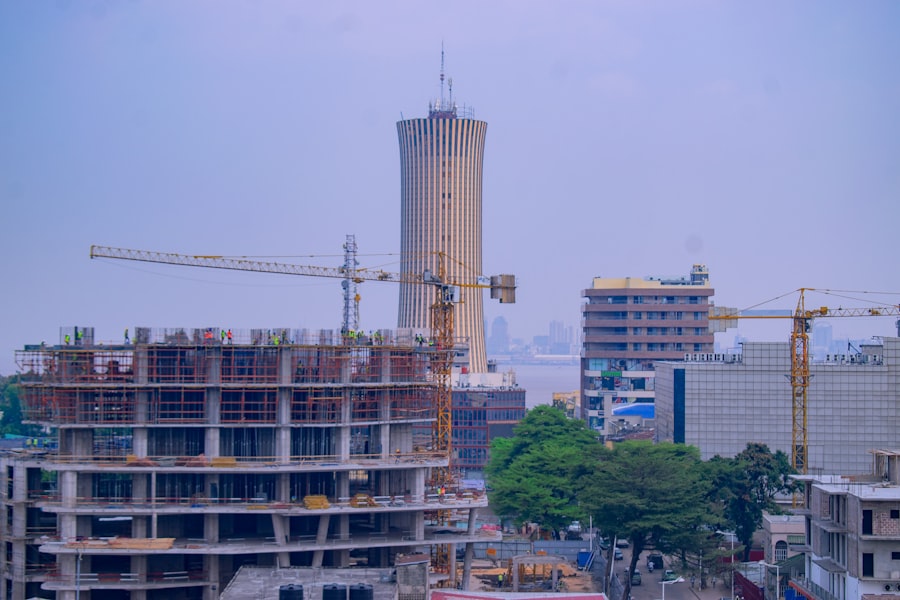
The type, quantity, and, crucially, the affordability of housing in your city are the direct results of specific planning decisions and development policies.
The Specter of Exclusion: Redlining and its Aftermath
Historically, discriminatory practices like redlining, where lenders and insurers refused to offer services to people in certain neighborhoods based on race or ethnicity, have had a profound and lasting impact on urban development.
Segregation by Design: Creating Unequal Opportunities
These policies effectively channeled investment and development into predominantly white neighborhoods while disinvestment and neglect were concentrated in minority communities. The physical manifestations of this segregation are still visible in many cities today, impacting property values, school quality, and access to amenities.
The Lingering Effects: Gentrification and Displacement
While redlining is no longer explicitly legal, the legacy of these historical decisions contributes to ongoing issues like gentrification. As certain neighborhoods become desirable again, rising property values and rents can displace long-term residents, many of whom are from the communities historically marginalized by such policies.
The Marketplace and the Public Good: Balancing Interests
Development policies attempt to strike a balance between market forces and the public good. This is a constant negotiation, and the agendas at play can be complex.
Density and Sprawl: The Trade-offs of Growth
Planners wrestle with how to accommodate population growth. Some advocate for increased density within existing urban footprints to preserve open space and reduce sprawl. Others may favor outward expansion, which can lead to different sets of environmental and infrastructure challenges. You see the implications in the rising cost of housing or the vanishing undeveloped land around your city.
Affordable Housing: A Persistent Challenge
The provision of truly affordable housing remains a significant challenge. Policies like inclusionary zoning, which requires a percentage of new developments to be affordable, are attempts to address this, but their effectiveness is often debated and depends heavily on implementation and enforcement.
The Face of Power: Public Spaces and Amenities

The parks you relax in, the libraries you visit, the community centers that serve your neighborhoods – these are not accidents of nature. They are products of conscious planning, often reflecting the priorities and agendas of those who hold power.
The Grand Vision: Central Parks and Civic Monuments
Historically, grand public spaces, like central parks or monumental civic buildings, were often conceived as symbols of municipal pride and civic identity. These were planned to impress and to create focal points for public life.
Aesthetic Aspirations: Shaping the Public Image
The design of these spaces often prioritized aesthetic qualities and intended to project an image of order, progress, and prosperity. The agenda here was often about creating a city that looked good on paper and to visitors.
The Exclusionary Undertones: Who Gets to Enjoy Them?
However, the access and use of these spaces have not always been equitable. Historically, some public spaces were implicitly or explicitly designed for certain demographics, and access could be controlled or limited.
The Local Touch: Neighborhood Parks and Community Resources
In contemporary planning, there’s a greater emphasis on providing amenities at the neighborhood level. This acknowledges the importance of local access to green space and community facilities.
The “NIMBY” Effect: Local Resistance to Development
Despite the general desire for local amenities, you might also encounter the “Not In My Backyard” (NIMBY) phenomenon. Residents may approve of parks and community centers in principle but resist their placement in their immediate vicinity due to concerns about traffic, noise, or property values. This highlights the tension between collective needs and individual preferences.
The Equity Lens: Distributed Opportunity
Modern planning often strives to ensure that public amenities are distributed equitably across all neighborhoods, regardless of socioeconomic status. The agenda is to ensure that all residents have access to quality public spaces and services, though achieving this ideal is a continuous struggle.
In the realm of urban planning, there are often hidden agendas and industry secrets that can significantly impact community development. A fascinating article explores these intricacies and sheds light on the motivations behind certain planning decisions. For those interested in uncovering the truth behind urban development, you can read more about it in this insightful piece on urban planning industry secrets. Understanding these underlying factors can empower citizens to engage more effectively in local governance and advocate for their communities.
The Unseen Agendas: Power, Profit, and Politics
| Secrets and Hidden Agendas in Urban Planning Industry |
|---|
| 1. Gentrification tactics |
| 2. Manipulation of public participation |
| 3. Influence of developers on zoning decisions |
| 4. Displacement of low-income communities |
| 5. Lack of transparency in decision-making processes |
Beneath the surface of zoning maps and development plans, you’ll find the undeniable influence of power, profit, and politics. These forces often operate behind the scenes, shaping priorities and influencing outcomes in ways that aren’t always transparent.
The Influence of Capital: Developers and Economic Growth
Major development projects are often driven by significant financial investment. Developers have a clear agenda: to maximize their return on investment. This can lead to planning decisions that favor large-scale commercial projects or luxury housing, sometimes at the expense of more pressing community needs.
The Economic Imperative: Jobs vs. Livability
Planners are often pressured to approve projects that promise job creation and economic growth. While these are important considerations, there can be a tension with other desirable outcomes, such as preserving affordable housing, protecting existing community character, or mitigating environmental impacts.
Lobbying and Political Pressure: Shaping the Rules
Developers and real estate interests often engage in lobbying efforts and political contributions, influencing zoning laws, development regulations, and the composition of planning commissions. This can create an uneven playing field where the voices of ordinary citizens may be less influential than those with significant financial backing.
The Public Interest: Advocacy and Citizen Engagement
Fortunately, the narrative isn’t solely driven by capital. Citizen advocacy groups, neighborhood associations, and public interest organizations play a crucial role in scrutinizing planning decisions and pushing for more equitable and sustainable outcomes.
The Power of Collective Voice: Holding Planners Accountable
These groups organize, research, and advocate, providing a counterweight to powerful development interests. Your participation in public hearings, writing to your elected officials, or joining a local advocacy group can help ensure that planning decisions reflect the broader public interest.
The Imperfect Process: Idealism Meets Reality
Urban planning is inherently a messy and imperfect process. It involves conflicting interests, competing priorities, and the constant challenge of balancing long-term vision with immediate needs. Uncovering these secrets and agendas isn’t about finding a grand conspiracy, but about understanding the complex web of influences that shape the very fabric of your urban existence. Whether you realize it or not, you are a stakeholder in this ongoing process, and understanding its intricacies is the first step to influencing its direction.
FAQs
What are some common industry secrets in urban planning?
Some common industry secrets in urban planning include the manipulation of public input, the prioritization of profit over community needs, and the use of complex zoning laws to benefit specific developers.
What are some hidden agendas in the urban planning industry?
Hidden agendas in the urban planning industry may include favoritism towards certain developers or corporations, the exclusion of marginalized communities from decision-making processes, and the promotion of gentrification under the guise of “urban renewal.”
How do industry secrets and hidden agendas impact urban development?
Industry secrets and hidden agendas can impact urban development by leading to the construction of projects that do not meet the needs of the community, the displacement of long-time residents, and the exacerbation of social and economic inequalities within cities.
What are some ethical challenges faced by urban planners?
Ethical challenges faced by urban planners may include balancing the interests of developers with the needs of the community, ensuring transparency and fairness in decision-making processes, and advocating for the inclusion of diverse voices in urban development projects.
What can be done to address industry secrets and hidden agendas in urban planning?
To address industry secrets and hidden agendas in urban planning, it is important to promote transparency in decision-making processes, prioritize community engagement and input, and hold urban planners and developers accountable for their actions. Additionally, advocating for policies that prioritize equitable and sustainable urban development can help address these issues.