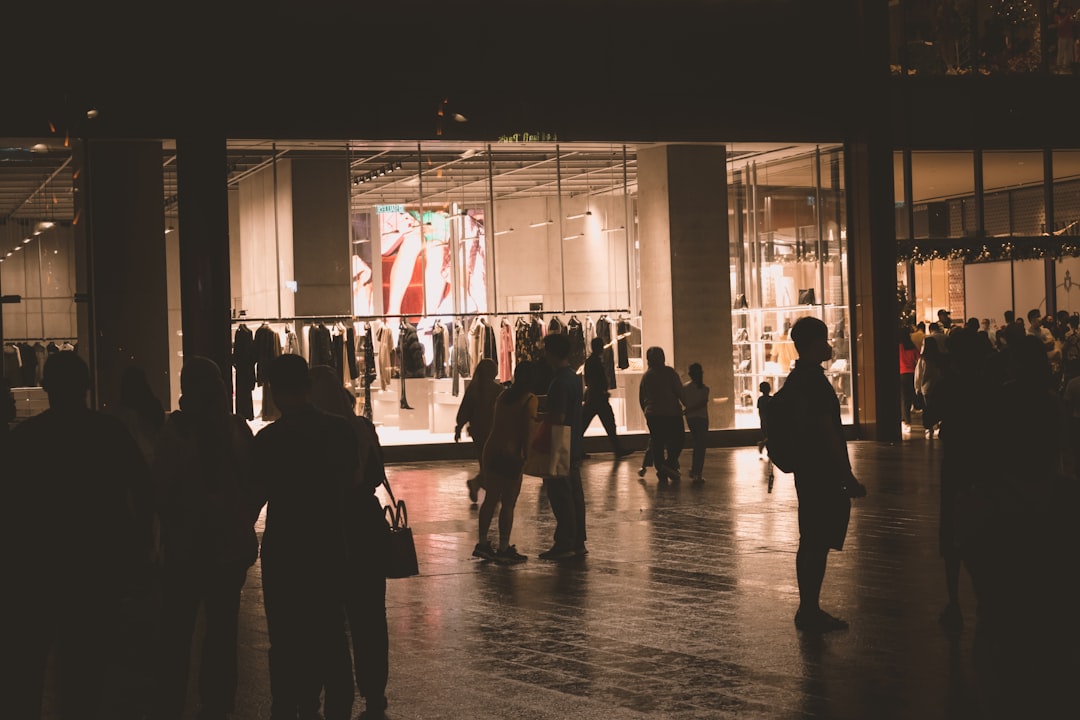
You walk into a store. The doors slide open, and your senses are immediately engaged. What do you see? What do you feel? The choices you make from this very first encounter are influenced by a subtle art, a deliberate science: retail psychology. One of the most potent tools in a retailer’s arsenal is the store layout, and nowhere is this more apparent than in the strategic utilization of the perimeter. You might not consciously register it, but the way the store is organized around its edges plays a significant role in what you buy, how much you spend, and even how long you stay. This isn’t by accident. Retailers invest considerable thought and resources into understanding your behavior, and the perimeter is a prime example of their applied knowledge.
The perimeter of a retail space is more than just the exterior walls. It encompasses the outer ring of aisles, shelves, and displays that typically hug the walls of the store. This area is often the first you encounter as you enter and the last you leave. It’s a high-traffic zone, an introduction and a farewell. Understanding its psychological impact requires looking beyond mere product placement.
Your Initial Impressions: The Gateway Effect
As you step through the entrance, your eyes naturally tend to scan outward, towards the periphery. This is a primal instinct, a way of orienting yourself and understanding your surroundings. Retailers leverage this by placing products designed to make an immediate positive impression along the perimeter. These are often items that are visually appealing, frequently replenished, or strategically discounted.
Sensory Engagement from the Outset
Think about the displays you encounter first. Are they colorful? Do they feature new arrivals or popular items? This initial sensory input acts as a psychological hook. Retailers want you to feel welcomed, intrigued, and curious. The perimeter is the perfect place to deliver this early positive reinforcement, setting a tone for your entire shopping experience. If you’re greeted with dull, empty shelves, your perception of the store’s overall value and appeal can diminish before you’ve even explored further.
The Illusion of Abundance
Well-executed perimeter displays can create an illusion of abundance. Even if the store isn’t packed with products, strategically placed, well-lit displays can make it feel that way. This is crucial because feeling overwhelmed by choice can be as detrimental as feeling lacking. Retailers aim for a balance, and the perimeter is often where they establish this.
Guiding Your Journey: The Flow of Traffic
The perimeter isn’t just about what you see; it’s about how you move. Retailers rarely place high-demand, staple items like milk or bread immediately at the entrance. Instead, you’ll often find these items located deeper within the store, forcing you to navigate through other sections. This strategic placement utilizes the perimeter to guide your natural tendency to walk along the walls.
The “Decompression Zone” and Your Initial Pathfinding
Upon entering, most people will naturally follow the path of least resistance, which often leads them along the perimeter. This initial movement is almost instinctive. Retailers understand that you need a moment to adjust to the new environment – a “decompression zone.” By placing enticing displays or directional signage along the perimeter, they can gently influence your trajectory without being overtly controlling.
Encouraging Exploration Through Deliberate Placement
The deliberate placement of essential or high-demand items towards the back or sides of the store, accessed via perimeter pathways, encourages you to explore the entire store. This increases your exposure to other products, potentially leading to impulse purchases or the discovery of items you weren’t actively looking for. If you only ever saw what you came for, your shopping trip would be shorter and less profitable for the retailer.
Retail psychology plays a crucial role in how consumers interact with store layouts, particularly the power perimeter design, which encourages shoppers to explore high-margin items placed along the store’s outer edges. For a deeper understanding of these concepts, you can read a related article that delves into the intricacies of retail strategies and consumer behavior at Hey Did You Know This. This resource provides valuable insights into how effective store layouts can enhance the shopping experience and drive sales.
Product Placement Strategies: What You See Where
The specific types of products retailers choose to position along the perimeter are not arbitrary. They are chosen for their psychological impact and their ability to drive sales. You’ll notice patterns emerge if you pay attention.
High-Margin and High-Demand Items: The Anchor Products
Often, the most profitable or frequently sought-after items are strategically placed around the perimeter. This includes many grocery staples like dairy, bread, and produce in supermarkets, or popular electronics and apparel in general merchandise stores.
The Necessity Factor: Driving Foot Traffic
Items you need regularly, like fresh produce or milk, are often the reason you visit a store in the first place. Placing these along the perimeter ensures that you are drawn into the store and compelled to traverse through other sections to reach them. This is a cornerstone of grocery store layouts, for example. You wouldn’t find the milk right by the door.
Perishables and Their Prime Real Estate
Fresh produce, meat, and dairy are all perishable and require frequent replenishment. Their placement along the perimeter, where they are visible and easily accessible for stock rotation, makes logistical sense. Psychologically, this also taps into your desire for freshness and quality, presenting these items in their best light within well-lit, accessible displays.
Impulse Buys and Promotional Displays: The Temptation Zone
Beyond necessities, the perimeter is also a prime location for items designed to catch your eye and encourage impulse purchases. These are often strategically placed near entrances, exits, and high-traffic junctions.
End Caps and Their Allure
While technically not always part of the “perimeter” in the strictest sense of hugging the wall, end caps of aisles that open onto perimeter pathways are prime real estate. Retailers often use these for special promotions, new product launches, or seasonal items, knowing you’ll see them as you navigate the outer aisles.
The “Path of Least Resistance” and Opportunistic Buying
As you move along the perimeter, you’re often following a predetermined path. Retailers exploit this by placing tempting, often discounted, items in your direct line of sight. These are items you might not have planned to buy, but their prominent display, perhaps alongside a compelling price offer, can trigger a spontaneous purchase.
Illumination and Aesthetics: Shaping Your Perception
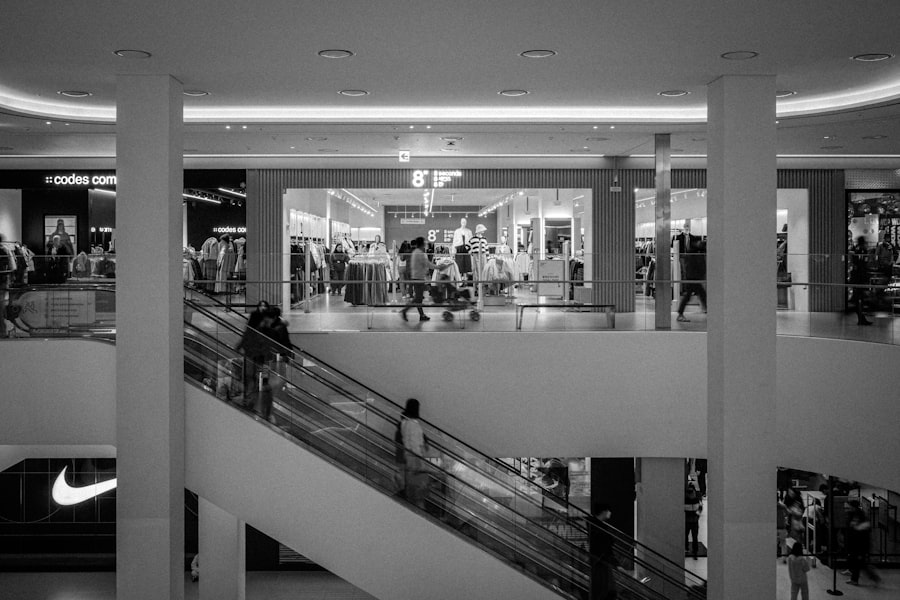
The visual environment of a store is a powerful psychological tool. The perimeter, being the introduction and conclusion of your journey, is often subjected to specific lighting and design choices to enhance its impact.
Strategic Lighting: Highlighting and Inviting
Lighting plays a critical role in how you perceive products and the overall atmosphere of a store. Along the perimeter, lighting is often used to draw your attention and make products appear more appealing.
Spotlighting Key Merchandise
Bright, focused lighting is frequently used on perimeter displays to highlight specific products or promotions. This creates a visual hierarchy, guiding your gaze towards what the retailer wants you to see. Products that are brightly lit will always attract more attention than those in dimmer areas.
Creating an Inviting Ambiance
Beyond product illumination, perimeter lighting contributes to the store’s overall ambiance. A well-lit perimeter can make a store feel welcoming and spacious, encouraging you to linger. Conversely, a dimly lit or poorly designed perimeter can make a store feel uninviting or even claustrophobic.
Visual Merchandising: The Art of Presentation
The way products are arranged, the use of signage, and the overall aesthetic of the perimeter displays are all carefully considered to influence your behavior.
The Power of Grouping and Color
Retailers often group similar products together along the perimeter to make them easier to find and to create visually appealing displays. The strategic use of color can also be powerful, influencing mood and attracting attention. Bright, bold colors are often used for promotional items, while more subdued palettes might be used for premium goods.
Signage as a Guide and a Persuader
Signage along the perimeter serves multiple purposes. It can direct you to specific sections, highlight promotions, or provide product information. Well-designed signage is clear, concise, and persuasive, subtly influencing your decisions as you move through the store.
The Psychological Impact on Your Behavior

The physical arrangement of the perimeter directly affects your mental state and your purchasing decisions. Understanding these psychological links is key to grasping the power of this store layout strategy.
Influencing Your Perception of Value and Quality
The types of products and the way they are presented on the perimeter can shape your perception of the store’s overall value proposition and the quality of its offerings.
High-Quality Displays for High-Quality Perceptions
Seeing well-organized, attractive displays of fresh produce or premium goods along the perimeter can subconsciously suggest that the entire store offers high-quality items. Conversely, a messy, poorly stocked perimeter can create a negative first impression that is difficult to overcome.
The “Halo Effect” of Prime Locations
Products placed in prime perimeter locations often benefit from a “halo effect.” Their prominent display can make them seem more desirable and important, even if their actual quality or price doesn’t differ significantly from items placed elsewhere.
Encouraging Exploration and Extended Shopping Trips
By strategically guiding your movement, the perimeter layout can encourage you to stay longer and explore more of the store, leading to increased spending.
The Instinctive Walk and the Extended Stay
As established, you tend to walk along the perimeter. When this walk is filled with interesting displays and opportunities for discovery, you are more likely to continue your journey, discovering more products and potentially making additional purchases. The longer you stay, the more opportunities there are for impulse buys.
Creating a Narrative for Your Shopping Experience
The perimeter can be used to tell a story. The initial displays can set a theme for the store, and the flow along the perimeter can guide you through different product categories and promotions, creating a more engaging and memorable shopping experience.
Retail psychology plays a crucial role in how consumers interact with store layouts, particularly with the power perimeter design that encourages shoppers to explore high-margin items. A fascinating article that delves deeper into this concept can be found at this link, where the strategic placement of products around the store’s perimeter is discussed in detail. By understanding these psychological triggers, retailers can enhance the shopping experience and ultimately drive sales.
Beyond the Obvious: Advanced Perimeter Tactics
| Metrics | Power Perimeter Store Layout |
|---|---|
| Increased Sales | Studies show that power perimeter store layouts can lead to increased sales due to the strategic placement of high-margin items like fresh produce, dairy, and meat around the perimeter of the store. |
| Customer Traffic | Power perimeter layouts can attract more customer traffic as shoppers are drawn to the outer edges of the store where the fresh and high-demand items are located. |
| Impulse Purchases | By strategically placing essential items like bread, milk, and eggs around the perimeter, retailers can encourage impulse purchases as customers navigate the store. |
| Customer Experience | Power perimeter layouts can enhance the overall customer experience by creating a more open and inviting shopping environment, allowing for easier navigation and better visibility of products. |
Retailers are constantly refining their strategies, and the perimeter is no exception. There are more nuanced approaches to leveraging this space.
The “Speed Bump” Effect: Slowing You Down
While the perimeter is often about guiding movement, it can also be used to intentionally slow you down. Strategically placed displays or product arrangements can act as “speed bumps,” encouraging you to pause and consider items.
Creating Micro-Moments of Decision
A particularly eye-catching display or a well-placed promotional item can create a micro-moment where you stop and decide whether to engage. These brief pauses, multiplied across the perimeter, can significantly increase your time spent in a particular area and your chances of making a purchase.
The Benefit of “Discovery” Zones
Certain perimeter sections can be designed as “discovery zones,” showcasing unique, artisanal, or limited-edition products. This appeals to your desire for novelty and can create a sense of excitement and reward for exploring the store.
The Role of Technology and Sensory Stimuli
As technology advances, so do the ways retailers engage you on the perimeter. Sensory elements are also being integrated more effectively.
Interactive Displays and Digital Signage
Increasingly, you’ll encounter interactive displays or digital signage along the perimeter. These can provide product information, showcase videos, or even offer personalized recommendations, further capturing your attention and influencing your decisions.
Scent Marketing and Auditory Cues
Some retailers strategically use scent marketing – the diffusion of appealing aromas – along the perimeter to enhance the shopping experience and trigger positive associations. Similarly, the background music or soundscape can contribute to the overall atmosphere and influence your mood and pace.
In conclusion, the perimeter store layout is a sophisticated psychological tool. From the moment you enter a store, the carefully orchestrated displays, lighting, and product placements along its outer edges are working to influence your perceptions, guide your behavior, and ultimately, encourage you to spend. You might not always be aware of it, but the perimeter is a masterclass in applied retail psychology, designed to make your shopping journey more engaging and, for the retailer, more profitable.
FAQs
What is retail psychology?
Retail psychology is the study of how consumers behave and make purchasing decisions in a retail environment. It involves understanding the psychological factors that influence consumer behavior, such as perception, motivation, and decision-making processes.
What is a power perimeter store layout?
A power perimeter store layout is a retail store design where the most essential and high-demand products are placed around the perimeter of the store. This layout is strategically designed to attract customers to the outer edges of the store, where they are more likely to make impulse purchases and spend more time browsing.
How does retail psychology influence consumer behavior in a store?
Retail psychology influences consumer behavior in a store by using various techniques to attract, engage, and persuade customers to make purchases. This can include factors such as store layout, product placement, pricing strategies, and sensory cues that create a positive shopping experience and encourage buying behavior.
What are some common retail psychology tactics used in stores?
Common retail psychology tactics used in stores include creating a sense of urgency with limited-time offers, using color and lighting to influence mood and perception, offering free samples or demonstrations to encourage trial and purchase, and using strategic product placement to guide customer flow and increase exposure to certain items.
How can retailers use retail psychology to improve sales and customer satisfaction?
Retailers can use retail psychology to improve sales and customer satisfaction by understanding and applying consumer behavior principles to their store design, product presentation, and customer interactions. By creating a positive and engaging shopping experience, retailers can increase sales, build customer loyalty, and enhance overall satisfaction.