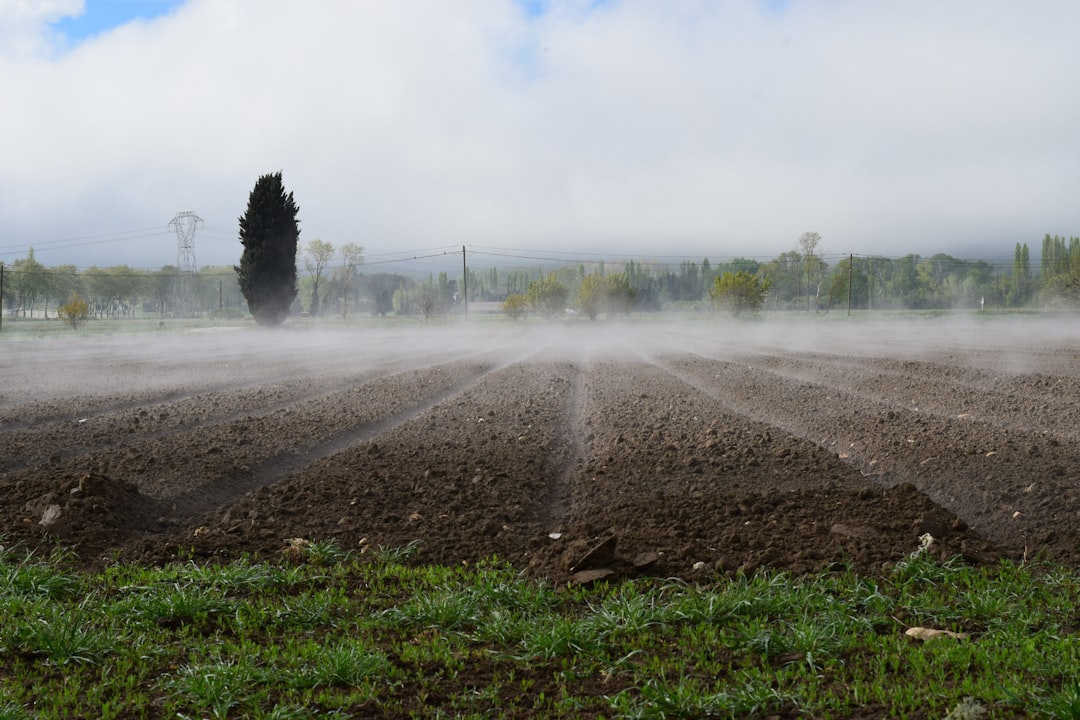
Understanding Phosphorus’s Role in Agriculture
Phosphorus is a vital macronutrient for plant growth and development. It plays a critical role in numerous physiological processes, including energy transfer, photosynthesis, sugar and starch formation, cell division, and heredity. Without adequate phosphorus, plants exhibit stunted growth, delayed maturity, and reduced yields. However, phosphorus is also one of the most immobile nutrients in the soil and can be prone to fixation, making it difficult for plants to access. Furthermore, excess phosphorus application can lead to environmental concerns such as eutrophication of water bodies. This necessitates a careful and precise approach to phosphorus fertilization to ensure optimal plant uptake while minimizing waste and environmental impact.
The Importance of Phosphorus for Crop Production
Phosphorus is fundamental to the establishment and vigor of young plants. Its role in root development is particularly significant. Early root growth is directly influenced by phosphorus availability, which in turn impacts the plant’s ability to absorb water and other nutrients from the soil. As crops mature, phosphorus continues to be essential for flowering, fruiting, and seed development. The efficiency of nitrogen assimilation and utilization also relies on sufficient phosphorus levels. Consequently, deficiencies can manifest as purplish discoloration of leaves, particularly on older foliage, a visual indicator of impaired metabolic processes.
Phosphorus Availability and Soil Dynamics
The behavior of phosphorus in the soil is complex. Unlike many other nutrients, phosphorus moves primarily through diffusion, a process that is slow and limited by the nutrient’s low mobility. This immobility is compounded by phosphorus’s tendency to react with other soil components, such as calcium, aluminum, and iron, forming insoluble compounds that are unavailable to plants. Soil pH significantly influences phosphorus availability, with optimal uptake occurring in a slightly acidic to neutral range (pH 6.0-7.0). Outside this range, phosphorus fixation increases. Organic matter also plays a role, as it can chelate certain cations, making them less available to bind with phosphorus, and can also be a source of mineralizable phosphorus over time.
Environmental Considerations of Phosphorus Fertilization
The application of phosphorus-based fertilizers carries environmental risks. When phosphorus is applied in excess of crop needs or in a manner that leads to significant runoff, it can enter surface waters. This influx of phosphorus acts as a nutrient, stimulating the growth of algae and aquatic plants. Excessive algal blooms, known as eutrophication, deplete dissolved oxygen in the water, leading to the death of fish and other aquatic organisms. This ecological disruption can have significant economic and recreational consequences for local communities. Therefore, responsible phosphorus management is not only crucial for agricultural productivity but also for maintaining healthy aquatic ecosystems.
Variable rate phosphorus fertilizer application is an innovative approach that optimizes nutrient use efficiency and minimizes environmental impact. For further insights into this topic, you can explore a related article that discusses the benefits and methodologies of precision agriculture in nutrient management. To read more, visit this article.
The Limitations of Traditional Phosphorus Application Methods
Historically, phosphorus fertilization has often been applied uniformly across entire fields, based on generalized soil test results or established crop recommendations. While this approach can prevent widespread deficiencies, it often leads to over-application in some areas and under-application in others. This lack of precision is a direct consequence of the inherent variability in soil properties and cropping conditions within a single field. Without an understanding of these variations, uniform application represents a compromise that can compromise both efficiency and environmental stewardship.
Uniform Application and Soil Heterogeneity
Fields are rarely uniform. Subtle changes in soil type, organic matter content, drainage patterns, and previous land use can create significant variations in nutrient-holding capacity and availability across a single acre. Applying a single rate of phosphorus fertilizer across such a heterogeneous environment means that areas with naturally higher soil phosphorus levels or a greater capacity to retain phosphorus may receive more than they need, while areas with lower levels or higher fixation rates may not receive enough. This leads to an inefficient use of fertilizer resources and potential imbalances in nutrient availability for crops.
The Concept of “Average” Fertilization
The traditional approach of uniform application is essentially an attempt to fertilize to the “average” needs of a field. However, crop nutrient requirements are not averaged; they are localized. A crop growing in a sandy loam soil with low organic matter will have different phosphorus needs than a crop in a heavier clay soil with a high organic matter content, even within the same field. Relying on an average can lead to suboptimal plant nutrition in some zones, resulting in reduced yield potential, and over-fertilization in others, leading to nutrient losses and increased costs.
Economic and Environmental Inefficiencies
The economic inefficiencies of uniform application are clear. Farmers are purchasing and applying fertilizer that may not be necessary in certain areas, contributing to higher input costs without a proportional increase in yield. Environmentally, the over-application of phosphorus in some zones increases the risk of nutrient runoff and leaching, contributing to negative environmental impacts, as previously discussed. This practice represents a missed opportunity to optimize resource allocation and minimize environmental footprints.
Variable Rate Application (VRA) for Phosphorus: A Precise Solution
Variable Rate Application (VRA) of fertilizers represents a paradigm shift in agricultural nutrient management. Instead of applying a single, uniform rate, VRA involves applying fertilizers at varying rates across a field based on site-specific information. This site-specific information is typically derived from soil testing, yield mapping, remote sensing, or a combination of these technologies. The goal of VRA is to match nutrient application precisely to the actual needs of the crop in each management zone within the field, thereby optimizing nutrient use efficiency, improving crop performance, and reducing environmental impact.
The Principles of Precision Agriculture
VRA is a cornerstone of precision agriculture, a farming management concept that utilizes information technology to observe, measure, and respond to inter- and intra-field variability in crops. By leveraging data-driven insights, farmers can make more informed decisions about planting, fertilizing, irrigating, and pest management. This allows for a more efficient allocation of resources, leading to increased profitability and sustainability. The core principle is to manage variability within a field rather than treating the entire field as a homogenous unit.
How VRA Systems Work
A VRA system for phosphorus fertilization typically involves several key components. First, data is collected to create management zones within the field. These zones can be based on soil electrical conductivity maps, soil type maps, yield data from previous seasons, or NDVI (Normalized Difference Vegetation Index) maps generated from aerial or satellite imagery. Second, soil samples are taken and analyzed within each management zone to determine existing phosphorus levels and identify potential deficiencies or excesses. Third, precise recommendations for phosphorus application are generated for each zone. Finally, a VRA-equipped fertilizer spreader, controllable via GPS, applies the phosphorus at the prescribed rates as the equipment moves across the field, ensuring that each zone receives the appropriate amount of nutrient.
Benefits of Optimizing Phosphorus with VRA
The primary benefits of optimizing phosphorus fertilization with VRA are manifold. Economically, it can lead to reduced fertilizer costs by eliminating unnecessary applications in areas where soil phosphorus levels are already adequate. It can also increase profitability by improving crop yields in areas that were previously under-fertilized. Environmentally, it minimizes the risk of phosphorus over-application and subsequent runoff, contributing to better water quality. Furthermore, by ensuring that crops have access to the nutrients they need, VRA can lead to improved crop health and stress resilience.
Data Acquisition and Management Zones for VRA
The success of VRA hinges on the quality and interpretation of the data used to delineate management zones and inform application rates. Without accurate and relevant data, VRA prescriptions can be no more effective than uniform application, and potentially less so if based on flawed information. The process of acquiring and managing this data is therefore a critical step in the implementation of a VRA program.
Soil Sampling and Analysis for Phosphorus
Stratified soil sampling is a fundamental technique for VRA. Instead of taking a composite sample from an entire field, soil samples are collected from within each identified management zone. Typically, 10-20 cores are taken within each zone and composited to represent that specific area. These samples are then sent to a laboratory for analysis, which should include not only phosphorus but also other essential nutrients, soil pH, organic matter content, and CEC (Cation Exchange Capacity). The results of these analyses provide a detailed understanding of the nutrient status and soil properties of each management zone, forming the basis for VRA prescription maps.
Yield Mapping and Historical Data
Yield monitors on harvesters, coupled with GPS technology, generate detailed yield maps that illustrate crop production variability across a field. By analyzing historical yield maps over several seasons, patterns of high and low productivity can be identified. These patterns often correlate with underlying soil fertility, topography, or drainage variations that influence nutrient availability. Yield data can be used to define management zones, highlighting areas that consistently underperform, suggesting potential nutrient limitations, or areas that consistently overperform, indicating sufficient or even excessive nutrient supply.
Remote Sensing Technologies (NDVI, etc.)
Remote sensing technologies, such as those utilizing satellite or drone imagery, provide insights into crop health and vigor. The Normalized Difference Vegetation Index (NDVI) is a commonly used metric derived from such imagery. NDVI values are correlated with chlorophyll content and plant biomass, indicating how effectively plants are photosynthesizing. Areas with lower NDVI values might suggest nutrient deficiencies, water stress, or disease, while higher NDVI values indicate robust plant growth. By integrating NDVI data with other datasets, researchers and farmers can develop more comprehensive management zones that account for crop performance throughout the growing season, not just at harvest.
Creating Management Zones
The process of creating management zones involves integrating multiple data layers. Soil electrical conductivity (EC) mapping, for instance, can delineate areas with different soil textures and moisture-holding capacities. Combining EC maps with soil type maps, yield maps, and NDVI data allows for the creation of distinct management zones that reflect a holistic understanding of field variability. These zones are then used to develop differential phosphorus fertilization strategies, ensuring that each zone receives an application rate tailored to its specific needs. This data-driven approach moves beyond generalized recommendations to provide precise nutrient management.
Recent studies have highlighted the benefits of variable rate phosphorus fertilizer application in optimizing crop yields while minimizing environmental impact. This approach allows farmers to apply fertilizers more precisely based on soil nutrient levels and crop needs, leading to improved efficiency and sustainability. For further insights into innovative agricultural practices, you can read more in this informative article on modern farming techniques. By adopting such strategies, farmers can enhance productivity while also protecting natural resources.
Developing and Implementing VRA Prescription Maps
Once management zones have been established and soil test data analyzed, the next critical step is to develop VRA prescription maps. These maps serve as the operational guide for the VRA-equipped fertilizer spreader, dictating the precise rate of phosphorus to be applied at specific locations within the field. The accuracy and efficacy of these prescriptions directly influence the success of the VRA program.
Translating Soil Test Results into Application Rates
The core of prescription map development lies in translating soil test results into actionable application rates. For phosphorus, this typically involves using established agronomic guidelines that relate soil test P levels to crop requirements. For example, a zone with low soil test P might receive a higher application rate to build up fertility and meet the crop’s needs, while a zone with high soil test P might receive a lower rate or even no supplemental phosphorus, focusing instead on micronutrients or other management strategies. Different soil test methods (e.g., Mehlich-3, Olsen) and their associated interpretive ranges need to be understood by the agronomist or consultant developing the prescription.
Incorporating Crop Needs and Growth Stages
Phosphorus requirements vary not only by soil conditions but also by crop type and its growth stage. Different crops have different uptake curves and phosphorus demands at various points in their life cycle. A prescription map might be developed for a specific crop; however, the underlying soil data can also inform multi-year nutrient management plans. For instance, a zone that consistently tests low for phosphorus might warrant a higher initial application or a split application strategy to ensure sustained availability throughout the growing season. Consideration of crop rotation is also paramount in long-term phosphorus management planning under VRA.
Software and Tools for Prescription Generation
Specialized agricultural software and geographic information system (GIS) platforms are essential for generating VRA prescription maps. These tools allow for the integration of various data layers (soil tests, yield maps, satellite imagery), the delineation of management zones, and the application of mathematical algorithms to calculate the appropriate fertilizer rates for each zone. The output is typically a digital map that can be directly loaded into the GPS controllers of modern VRA-equipped spreaders. These systems enable a seamless transition from data analysis to in-field application.
Calibrating and Operating VRA Equipment
The effective implementation of VRA prescriptions requires precise calibration of the fertilizer application equipment. The spreader must be accurately calibrated to deliver the specified rates of phosphorus at the intended application width and speed. Factors such as fertilizer density, granule size, and spreader mechanics need to be accounted for. GPS guidance systems are critical for ensuring that the equipment follows the prescription map accurately and that the correct rates are applied to the intended management zones. Regular checks and recalibrations are essential to maintain application accuracy throughout the season.
Monitoring and Evaluating Phosphorus VRA Programs
The implementation of a VRA program for phosphorus fertilization is not a one-time event but an ongoing process of monitoring, evaluation, and refinement. Continuous assessment of the program’s effectiveness against established goals is crucial for optimizing future applications and ensuring long-term success.
Post-Application Soil Testing and Analysis
Following a VRA phosphorus application, further soil testing can provide valuable feedback on the program’s impact. Samples taken from different management zones can reveal how effectively the applied phosphorus has been incorporated into the soil and whether it has reached the target levels. This information helps in assessing the accuracy of the initial recommendations and identifies any discrepancies between planned and actual nutrient availability. Such post-application data forms a crucial part of the learning loop in precision agriculture.
Crop Scouting and Visual Assessment
Regular crop scouting throughout the growing season offers another vital method for evaluating the effectiveness of VRA. Observing plant growth, color, and overall health in different management zones can provide visual cues about nutrient status. For example, if a zone that received a higher phosphorus application exhibits uniformly vigorous growth and healthy foliage, it suggests the intervention was successful. Conversely, if deficiencies are still observed in areas that were intended to be optimized, it may indicate issues with the prescription, application, or unforeseen soil conditions.
Yield Response Monitoring and Analysis
The ultimate measure of any fertility management program is its impact on crop yield. Analyzing yield data from VRA-treated fields, particularly when historical yield maps are available, can demonstrate the program’s success. By comparing yields in zones that received different phosphorus rates, farmers can identify which application strategies led to the most significant yield improvements. This data-driven evaluation helps in refining future prescription maps and confirming the economic benefits of VRA. Statistical analysis can help discern significant yield differences attributable to VRA.
Economic and Environmental Impact Assessment
Beyond yield, a comprehensive evaluation of VRA programs should also include an assessment of their economic and environmental impacts. Tracking fertilizer costs, input savings, and yield gains for each management zone provides a clear picture of the economic return on investment. Environmentally, monitoring for signs of nutrient runoff or leaching in areas surrounding the fields, or through more advanced soil and water monitoring techniques, helps to confirm that the VRA approach is indeed reducing environmental risks. Documenting these impacts is essential for demonstrating the long-term sustainability benefits of precision phosphorus management.
FAQs
What is variable rate phosphorus fertilizer application?
Variable rate phosphorus fertilizer application is a method of applying phosphorus fertilizer to crops based on the specific needs of different areas within a field. This approach takes into account soil variability and uses technology such as GPS and yield mapping to determine the optimal application rates for different areas.
What are the benefits of variable rate phosphorus fertilizer application?
Variable rate phosphorus fertilizer application can lead to more efficient use of fertilizer, reduced environmental impact, and improved crop yields. By tailoring the application rates to the specific needs of different areas within a field, farmers can optimize the use of phosphorus fertilizer and minimize over-application in areas that may not require as much.
How is variable rate phosphorus fertilizer application implemented?
Variable rate phosphorus fertilizer application is implemented using precision agriculture technologies such as GPS, yield mapping, and soil testing. These technologies allow farmers to create prescription maps that specify the optimal application rates for different areas within a field. These maps are then used to guide the variable rate application equipment during the fertilizer application process.
What factors are considered when determining variable rate phosphorus fertilizer application rates?
When determining variable rate phosphorus fertilizer application rates, factors such as soil type, organic matter content, pH levels, and historical yield data are taken into consideration. By analyzing these factors, farmers can create prescription maps that specify the optimal application rates for different areas within a field.
What are the challenges of implementing variable rate phosphorus fertilizer application?
Challenges of implementing variable rate phosphorus fertilizer application include the initial investment in precision agriculture technologies, the need for accurate and up-to-date soil and yield data, and the potential complexity of creating and implementing prescription maps. Additionally, variable rate application equipment may require specialized calibration and maintenance.