
African soils present a complex and diverse agricultural landscape, a stark contrast to the generalized approaches often applied to soil management globally. Decades of varying agricultural practices, climatic conditions, and inherent geological formations have resulted in a mosaic of soil types, each with its own distinct physical and chemical characteristics. A one-size-fits-all approach to fertilization is therefore highly unlikely to yield optimal results across the continent. Recognizing and addressing these specific needs is the cornerstone of effective soil optimization.
Soil Texture and Structure
The physical makeup of African soils varies significantly. In some regions, particularly certain arid and semi-arid zones, soils can be sandy, characterized by large particle sizes, poor water retention, and low nutrient holding capacity. This necessitates amendments that improve cation exchange capacity and water infiltration. Conversely, other areas may feature clayey soils, with fine particles that can lead to poor drainage and aeration, potentially hindering root development and nutrient availability. The aggregation of soil particles, forming stable soil structure, is also crucial. Poor structure can impede water and air movement, leading to anaerobic conditions that can negatively impact microbial activity and nutrient cycling.
Impact of Sand Content
- Water Drainage: Sandy soils drain rapidly, leading to increased water requirements for crops and a higher risk of nutrient leaching due to rainwater or irrigation.
- Nutrient Retention: The low surface area of sand particles means they hold fewer nutrient ions, making crops more susceptible to nutrient deficiencies.
- Erosion: Loose sandy soils are prone to wind and water erosion, further depleting valuable topsoil and nutrients.
Challenges of Clay Content
- Waterlogging: Heavy clay soils can become waterlogged after rainfall, suffocating plant roots and promoting the development of anaerobic conditions.
- Compaction: Clay soils are susceptible to compaction, reducing pore space and hindering root penetration and aeration.
- Nutrient Fixation: Certain clay minerals can bind essential nutrients, making them unavailable for plant uptake.
The Importance of Soil Aggregation
- Aeration: Well-aggregated soils have sufficient pore space for oxygen to reach plant roots and soil microbes.
- Water Infiltration and Retention: Aggregates act like sponges, facilitating water absorption and holding moisture for plant use.
- Root Growth: A healthy soil structure allows for unimpeded root elongation and exploration of the soil profile for water and nutrients.
Soil pH and Acidity
Soil pH is a critical factor influencing nutrient availability and microbial activity. Many African soils tend to be acidic, particularly in regions with high rainfall and leached soils. Acidity can render essential nutrients like phosphorus, calcium, and magnesium less available to plants, while increasing the solubility of potentially toxic elements such as aluminum and manganese. Managing soil pH through liming or other amendments is often a prerequisite for successful fertilization and crop establishment. Conversely, some alkaline soils, though less common, can also restrict the availability of micronutrients like iron and zinc.
Nutrient Availability and pH
- Phosphorus Fixation: In acidic soils, phosphorus readily binds with iron and aluminum, forming insoluble compounds that plants cannot absorb.
- Micronutrient Deficiencies: Low pH can reduce the availability of essential micronutrients such as zinc and copper in some soil types.
- Aluminum Toxicity: High levels of acidity can lead to toxic concentrations of aluminum, which can damage root systems and inhibit plant growth.
Impact on Microbial Communities
- Beneficial Microbes: Many beneficial soil microbes, responsible for nutrient cycling and disease suppression, thrive in a specific pH range. Extreme acidity can disrupt these microbial populations.
- Decomposition: The rate of organic matter decomposition, a crucial process for nutrient release, is pH-dependent.
Organic Matter Content
Organic matter is the lifeblood of any soil, and its levels in African soils vary considerably. In some areas, intensive cultivation without adequate replenishment has led to significant depletion of soil organic matter. Low organic matter content directly impacts soil fertility by reducing nutrient holding capacity, water retention, and the habitat for beneficial soil organisms. Rebuilding and maintaining soil organic matter through practices like composting, cover cropping, and residue management is fundamental to improving soil health and reducing reliance on synthetic fertilizers.
Role of Organic Matter in Soil Fertility
- Nutrient Reservoir: Decomposing organic matter releases essential nutrients that plants can utilize.
- Cation Exchange Capacity (CEC): Organic matter significantly contributes to the soil’s CEC, enhancing its ability to hold onto positively charged nutrient ions.
- Buffering Capacity: Organic matter helps buffer soil pH, resisting drastic changes that can negatively affect nutrient availability.
Impact on Soil Physical Properties
- Water Retention: Organic matter acts like a sponge, increasing the soil’s capacity to absorb and retain water.
- Soil Structure: It promotes the aggregation of soil particles, leading to improved aeration and drainage.
- Reduced Compaction: Soils rich in organic matter are generally less prone to compaction.
Nutrient Status and Deficiencies
African soils often exhibit specific nutrient deficiencies that can limit crop yields. These deficiencies are frequently linked to the soil’s parent material, leaching due to rainfall, and historical cropping patterns. Common deficiencies include nitrogen, phosphorus, potassium, and various micronutrients such as zinc, boron, and sulfur. Identifying these specific deficiencies through soil testing is crucial for developing precise fertilizer recommendations.
Nitrogen Losses
- Leaching: Nitrogen, particularly in nitrate form, is highly mobile and prone to leaching in sandy or high-rainfall environments.
- Denitrification: In waterlogged or compacted soils, nitrogen can be lost to the atmosphere as gaseous nitrogen compounds.
- Volatilization: Ammonia can be lost from the soil surface, especially in alkaline conditions and when nitrogen fertilizers are applied improperly.
Phosphorus Availability Issues
- Fixation in Acidic Soils: As mentioned previously, phosphorus can become unavailable in acidic soils.
- Low Initial Phosphorus Content: Some African soils have naturally low levels of phosphorus.
- Formation of Insoluble Compounds: In alkaline soils, phosphorus can form insoluble calcium phosphates.
Micronutrient Constraints
- Zinc Deficiency: This is a widespread micronutrient deficiency in Africa, often exacerbated by high pH soils and the use of phosphorus fertilizers.
- Sulfur Deficiency: With decreased use of certain industrial fertilizers that contained sulfur as a component, and the prevalence of sulfur-leaching in high rainfall areas, sulfur deficiency is becoming more common.
- Boron and Iron Deficiencies: These can also occur, influenced by soil pH and organic matter content.
Climatic Influences and Erosion
The diverse climatic conditions across Africa, ranging from arid deserts to humid tropics, profoundly impact soil properties and nutrient dynamics. High rainfall can lead to nutrient leaching and soil erosion, while prolonged dry spells can cause soil desiccation and organic matter degradation. Soil erosion is a significant threat in many parts of the continent, particularly on sloped terrains and in areas with sparse vegetation cover. This loss of topsoil directly removes fertile material and nutrients, demanding effective erosion control measures alongside fertilization strategies.
Rainfall Patterns and Soil Health
- Leaching: Heavy and frequent rainfall can wash away essential soluble nutrients from the topsoil.
- Soil Structure Degradation: Intense rainfall can break down soil aggregates, leading to surface crusting and reduced infiltration.
- Waterlogging: In low-lying areas or poorly drained soils, prolonged rainfall can lead to anaerobic conditions.
Drought Stress and Soil Degradation
- Organic Matter Decomposition: Extended dry periods can reduce microbial activity, slowing down the decomposition of organic matter.
- Wind Erosion: In arid and semi-arid regions, dry, exposed soils are highly susceptible to wind erosion.
- Salinization: In poorly drained areas with high evaporation rates, salts can accumulate on the soil surface, becoming toxic to plants.
Impact of Soil Erosion
- Loss of Topsoil: Topsoil is the most fertile layer of the soil, containing the highest concentrations of organic matter and nutrients.
- Reduced Water Holding Capacity: Erosion often removes the fine particles and organic matter that contribute to water retention.
- Sedimentation: Eroded soil can lead to sedimentation in rivers and reservoirs, with ecological and economic consequences.
Custom fertilizer blends tailored for African soils can significantly enhance agricultural productivity by addressing specific nutrient deficiencies prevalent in different regions. For more insights on this topic, you can explore a related article that discusses innovative approaches to soil management and fertilization strategies. Check it out here: Hey Did You Know This.
The Foundation of Custom Blends: Comprehensive Soil Analysis
The development of effective custom fertilizer blends for African soils hinges on rigorous and localized soil analysis. This is not merely a procedural step but the bedrock upon which all subsequent fertilization strategies are built. Generic recommendations, while convenient, fail to account for the inherent variability present within and across the continent’s agricultural lands. A comprehensive analysis provides specific data points that inform precise nutrient application, thereby maximizing efficiency, minimizing waste, and ultimately fostering sustainable productivity.
Understanding Soil Testing Methodologies
The accuracy and relevance of soil analysis are directly linked to the methodologies employed. Standardized laboratory procedures are essential for obtaining reliable results. These methodologies typically encompass a range of tests designed to evaluate both the physical and chemical properties of the soil. The choice of testing methods should be informed by the specific crop requirements and the prevailing soil conditions in the region.
Key Parameters for Analysis
- pH Measurement: Determining the soil’s acidity or alkalinity is fundamental, as it dictates the availability of numerous nutrients.
- Macronutrient Levels: Assessing the concentrations of nitrogen (N), phosphorus (P), and potassium (K) provides a baseline understanding of major nutrient status.
- Secondary Nutrient Levels: Evaluating calcium (Ca), magnesium (Mg), and sulfur (S) is crucial, as deficiencies in these can also limit crop growth.
- Micronutrient Levels: Analyzing for essential micronutrients like zinc (Zn), iron (Fe), manganese (Mn), copper (Cu), boron (B), and molybdenum (Mo) is vital for identifying specific elemental limitations.
- Organic Matter Content: Quantifying the percentage of organic matter provides insights into soil health, water retention, and nutrient-holding capacity.
- Cation Exchange Capacity (CEC): CEC is a measure of the soil’s ability to retain positively charged nutrients, indicating its potential fertility.
- Texture Analysis: Determining the proportions of sand, silt, and clay helps understand water infiltration, drainage, and nutrient holding properties.
Site-Specific Sampling Strategies
Effective soil analysis begins with appropriate sampling. A single sample from a large field is unlikely to represent the variations present. Developing site-specific sampling strategies that account for topography, previous land use, and observable differences in crop performance is critical. Multiple samples taken strategically across a field or farm will yield a more representative picture of the soil’s condition.
Stratified Sampling Techniques
- Grid Sampling: Dividing a field into a grid and taking samples at predetermined points provides a systematic overview of variability.
- Zone Sampling: Identifying distinct management zones within a field based on soil type, yield patterns, or topography and sampling each zone separately.
- Depth-Specific Sampling: Collecting samples at different depths can reveal variations in nutrient distribution and soil structure within the profile.
Factors Influencing Sampling
- Topography: Differences in elevation and slope can influence water drainage and nutrient accumulation.
- Previous Cropping History: Different crops have varying nutrient demands and can leave legacies in the soil.
- Variations in Soil Color and Texture: Visible differences often indicate underlying chemical or physical variations.
- Drainage Patterns: Areas with poor drainage may exhibit distinct nutrient characteristics.
Interpreting Laboratory Results
The data generated from soil tests is only valuable if it is interpreted correctly. This interpretation should consider the specific crop being grown, its nutrient requirements, and the prevailing environmental conditions. Agronomists or agricultural extension services play a vital role in translating laboratory results into actionable recommendations.
Linking Results to Crop Needs
- Sufficiency Ranges: Understanding the optimal range of nutrient concentrations for specific crops at different growth stages.
- Limiting Factors: Identifying which nutrient deficiencies or excesses are most likely to constrain crop yield.
- Interaction Effects: Recognizing how the availability of one nutrient can influence the uptake or requirement of others.
Professional Guidance
- Agronomist Expertise: Consulting with agronomists who have local knowledge and understand the nuances of African agriculture.
- Extension Services: Leveraging the resources and expertise of agricultural extension agencies.
- University Research: Utilizing findings from local universities and research institutions on soil fertility and crop nutrition.
The Importance of Regular Testing
Soil fertility is not static; it changes over time due to crop uptake, environmental factors, and management practices. Therefore, regular soil testing is imperative. The frequency of testing can vary depending on the intensity of farming, the types of crops grown, and the history of the soil. A consistent testing regimen allows for the monitoring of soil health and the fine-tuning of fertilizer application strategies.
Establishing a Testing Schedule
- Annual Testing: Recommended for high-value crops or in areas with significant nutrient depletion.
- Biennial or Triennial Testing: Suitable for less intensive farming systems or for monitoring general soil health trends.
- Pre-Planting Testing: Essential before commencing any cropping cycle to ensure optimal nutrient availability from the outset.
Monitoring Trends Over Time
- Tracking Changes: Observing how nutrient levels, pH, and organic matter change in response to fertilization and management.
- Adjusting Strategies: Using historical data to inform future fertilizer blend formulations and application rates.
- Early Identification of Problems: Detecting declining soil fertility or emerging imbalances before they significantly impact yields.
Tailoring Macronutrient Ratios for African Soils
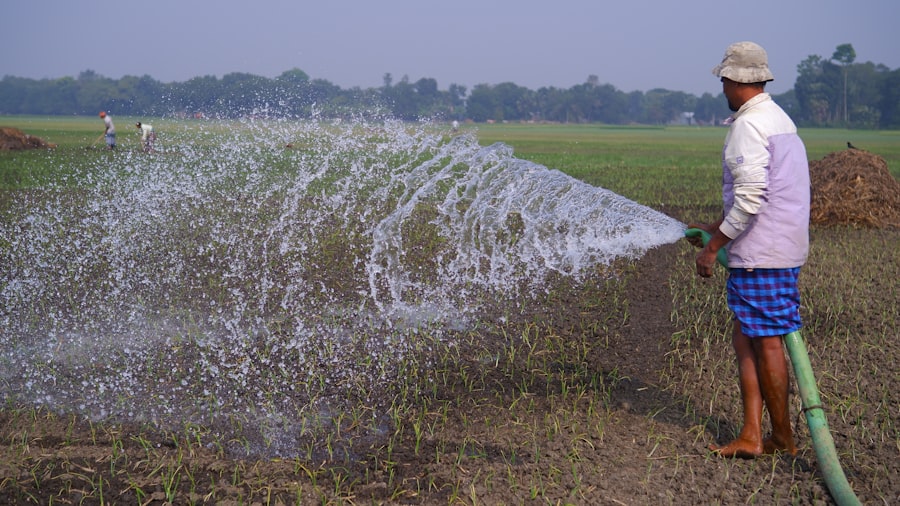
Macronutrients – nitrogen (N), phosphorus (P), and potassium (K) – are the most heavily utilized nutrients by crops, and their precise ratios are critical for optimal growth and yield. African soils often exhibit specific deficiencies or imbalances in these primary nutrients, making the intelligent tailoring of N-P-K ratios within custom fertilizer blends a fundamental aspect of effective soil management. Over-application or the use of unbalanced fertilizers can lead to wasted resources, environmental contamination, and impaired crop performance.
Addressing Nitrogen Limitations
Nitrogen is crucial for vegetative growth, chlorophyll production, and overall plant vigor. Many African soils, particularly those that have been intensively cultivated without adequate organic matter replenishment, are prone to nitrogen deficiency due to leaching, volatilization, and denitrification. Custom blends must carefully consider the recommended nitrogen application rates based on soil test results and crop requirements, often incorporating slow-release nitrogen forms or split applications to enhance efficiency.
Nitrogen Sources and Forms
- Urea: A common and cost-effective source of nitrogen, but prone to volatilization losses if not incorporated into the soil.
- Ammonium Nitrate: Provides both readily available and slowly released nitrogen, but its use can be restricted in some regions.
- Slow-Release Fertilizers (SRFs): These formulations release nitrogen gradually over time, matching crop demand and reducing leaching losses. Examples include coated urea or products with urease and nitrification inhibitors.
- Organic Nitrogen: Derived from compost, manure, or leguminous cover crops, which releases nitrogen as it decomposes.
Optimizing Application Strategies
- Split Applications: Applying nitrogen in multiple doses throughout the growing season, aligning with key growth stages, reduces leaching and ensures continuous supply.
- Incorporation: Mechanically mixing nitrogen fertilizers into the soil minimizes volatilization losses.
- Timing: Applying nitrogen at critical growth periods, such as tillering in cereals or flowering in legumes, maximizes its effectiveness.
Balancing Phosphorus Requirements
Phosphorus plays a vital role in root development, flowering, and seed formation. Its availability in African soils is frequently compromised by high acidity, which leads to fixation with iron and aluminum, or by alkaline conditions where it forms insoluble calcium compounds. Custom blends must include phosphorus in forms that are readily available to plants, considering the soil’s pH. The ratio of phosphorus to other nutrients is also important for nutrient synergy.
Phosphorus Forms and Availability
- Water-Soluble Phosphorus: Highly available to plants, such as in single superphosphate (SSP) or triple superphosphate (TSP).
- Citrate-Soluble Phosphorus: Less soluble than water-soluble forms but still largely available to plants, often found in rock phosphate.
- Insoluble Phosphorus: Primarily found in highly acidic or alkaline soils, requiring amendments or biological processes for release.
Overcoming Phosphorus Fixation
- Liming: In acidic soils, liming raises pH and reduces the fixation of phosphorus with iron and aluminum.
- Mycorrhizal Fungi: Encouraging the presence of arbuscular mycorrhizal fungi, which form symbiotic relationships with plant roots and enhance phosphorus uptake.
- Organic Amendments: Well-decomposed organic matter can chelate phosphorus, keeping it in solution and available for plant uptake.
Managing Potassium Levels
Potassium is essential for water regulation, disease resistance, and overall plant strength. While some African soils have adequate potassium levels, others, particularly sandy soils or those from specific parent materials, may require supplementation. The balance of potassium with other cations like calcium and magnesium is also important to prevent antagonistic effects and ensure optimal uptake.
Potassium Sources and Forms
- Muriate of Potash (MOP – KCl): The most common and economical source of potassium.
- Sulfate of Potash (SOP – K2SO4): Preferred for crops sensitive to chloride, such as tobacco, fruits, and some vegetables, and also provides sulfur.
- Potassium Magnesium Sulfate (KMS): Supplies both potassium and magnesium, beneficial in soils deficient in both.
Considerations for Potassium Application
- Soil Texture: Sandy soils have lower potassium retention capacity and may require more frequent, smaller applications.
- Crop Demand: Crops with high potassium requirements, like sugarcane and potatoes, need careful monitoring and supplementation.
- Leaching: While less prone to leaching than nitrogen, potassium can be lost under excessive rainfall.
The Role of N-P-K Ratios in Blends
The specific ratio of N-P-K in a custom blend is determined by a combination of factors: the results of the soil analysis, the nutrient requirements of the target crop, and the desired yield goals. For instance, a crop known for its heavy nitrogen demand might require a blend with a higher nitrogen component, while a crop susceptible to phosphorus deficiency would necessitate a greater proportion of phosphorus. Local research and established crop nutrient uptake models are invaluable in guiding these ratio decisions.
Example Blending Scenarios
- Nitrogen-Deficient Sandy Loam for Maize: A blend might be formulated with a higher N component (e.g., 20-10-10) with a proportion of slow-release nitrogen to mitigate leaching.
- Acidic Clay Soil with Low Phosphorus for Cassava: A blend might focus on phosphorus and liming agents, perhaps in a ratio like 10-20-10, with phosphorus in a soluble form.
- Potassium-Responsive Crop in a Sandy Soil: A blend could prioritize potassium, for instance, a 15-15-20 ratio, with consideration for potassium sulfate if chloride sensitivity is a concern.
Economic Considerations
- Cost-Effectiveness: Balancing the cost of different nutrient forms and their potential for uptake.
- Nutrient Use Efficiency: Aiming for blends that maximize the conversion of applied nutrients into crop biomass, reducing waste.
- Availability: Sourcing cost-effective and readily available nutrient sources suitable for local markets.
Integrating Secondary and Micronutrients for Comprehensive Nutrition

While macronutrients are required in larger quantities, secondary nutrients (calcium, magnesium, sulfur) and a range of micronutrients (zinc, boron, iron, manganese, copper, molybdenum) are equally critical for plant health and productivity. Deficiencies in these elements, often overlooked in basic fertilization programs, can significantly limit crop performance even when macronutrients are adequately supplied. Custom fertilizer blends must therefore incorporate these essential elements in precise quantities, determined by localized soil analysis and crop-specific needs.
The Significance of Calcium
Calcium is vital for cell wall structure, membrane function, and root tip development. Many African soils, especially acidic ones, are deficient in available calcium, which is leached out by rainfall. Supplementation through custom blends is crucial to ensure structural integrity and proper plant growth. Furthermore, calcium plays a role in buffering soil pH.
Calcium’s Role in Plant Physiology
- Cell Wall Stability: Calcium strengthens cell walls, providing rigidity and support to plant tissues.
- Membrane Permeability: It influences the permeability of cell membranes, affecting nutrient transport.
- Enzyme Activation: Calcium acts as a cofactor for various enzymes involved in plant metabolism.
Calcium in Soil Management
- pH Buffer: Calcium carbonate (from lime) is a primary agent for raising soil pH in acidic soils.
- Preventing Blossom End Rot: Ensuring adequate calcium supply is crucial for preventing physiological disorders like blossom end rot in fruits like tomatoes and peppers.
- Nutrient Antagonism: Imbalances between calcium, magnesium, and potassium can affect their respective uptake.
Magnesium’s Contribution
Magnesium is a central component of chlorophyll, essential for photosynthesis. It also activates numerous enzymes involved in energy metabolism. Soils with low organic matter or those that have been leached can be deficient in magnesium. Its interaction with calcium is important; an overly high calcium-to-magnesium ratio can lead to magnesium deficiency.
Magnesium’s Physiological Functions
- Chlorophyll Synthesis: Magnesium is integral to the chlorophyll molecule, enabling plants to capture light energy.
- Enzyme Activation: It activates enzymes involved in carbohydrate metabolism, ATP synthesis, and respiration.
- Phosphorus Uptake: Magnesium can facilitate the uptake of phosphorus.
Magnesium in Fertilizer Blends
- Sulphate of Potash Magnesia (SOPM): A source that provides potassium, magnesium, and sulfur.
- Dolomitic Lime: Contains both calcium and magnesium and can be used to correct pH and nutrient deficiencies simultaneously in acidic soils.
- Epsom Salts (Magnesium Sulfate): A readily available source of magnesium and sulfur.
Sulfur’s Essential Role
Sulfur is a component of amino acids and proteins, and it plays a role in flavor development and disease resistance in many crops. With the decline in the use of certain industrial fertilizers that contained sulfur as a component, and the leaching potential in high rainfall areas, sulfur deficiency has become more prevalent in some African regions. Custom blends should include sulfur, especially for sulfur-demanding crops like legumes, brassicas, and alliums.
Sulfur’s Importance in Plant Metabolism
- Amino Acid Synthesis: Sulfur is a key constituent of essential amino acids such as cysteine and methionine.
- Protein Formation: It is necessary for the synthesis of various proteins, including enzymes.
- Chlorophyll Formation: Sulfur contributes to the formation of chlorophyll.
Sulfur Management Strategies
- Gypsum (Calcium Sulfate): A source of both calcium and sulfur, beneficial in sodic soils.
- Superphosphates: Both single and triple superphosphate also contain sulfur.
- Specific Sulfur Fertilizers: Ammonium sulfate and elemental sulfur are other options.
Addressing Micronutrient Deficiencies
Micronutrients are required in very small amounts, but their absence can cause severe growth abnormalities and yield losses. Zinc deficiency is particularly widespread across Africa, often linked to high pH soils and high phosphorus levels. Boron deficiency can affect flowering and fruit set. Iron deficiency typically manifests in chlorotic leaves and is common in calcareous or alkaline soils. Custom blends need to address these specific micronutrient gaps identified through soil and/or tissue analysis.
Zinc’s Critical Functions
- Enzyme Activity: Zinc is a component of many enzymes involved in metabolism, hormone synthesis, and carbohydrate utilization.
- Starch Formation: It plays a role in starch synthesis.
- Hormone Regulation: Zinc is involved in the regulation of auxin, a key plant hormone.
Boron’s Roles
- Cell Wall Development: Boron is essential for cell wall formation and integrity.
- Sugar Translocation: It facilitates the movement of sugars within the plant.
- Flowering and Pollination: Boron is critical for pollen viability and successful pollination.
Iron’s Significance
- Chlorophyll Synthesis: Iron is necessary for chlorophyll formation, but it does not become part of the chlorophyll molecule.
- Enzyme Systems: It is a component of enzymes involved in electron transport and energy transfer.
Application and Availability of Micronutrients
- Chelated Forms: Applying micronutrients in chelated forms (e.g., EDTA, DTPA) improves their availability to plants, especially in alkaline or calcareous soils where they can otherwise be rendered insoluble.
- Foliar Application: In cases of acute deficiency or when soil conditions severely limit uptake, foliar application of micronutrients can provide a rapid correction.
- Balanced Application: Over-application of micronutrients can be toxic, so precise amounts based on soil tests are crucial.
Custom fertilizer blends tailored for African soils can significantly enhance agricultural productivity by addressing specific nutrient deficiencies. For a deeper understanding of how these tailored solutions can impact farming practices, you can explore a related article that discusses innovative approaches to soil management and crop yield improvement. This insightful resource can be found at this link, where you will discover valuable information on optimizing soil health and maximizing agricultural output.
Incorporating Organic Amendments and Soil Conditioners
| Soil Type | Nutrient Content | Recommended Blend |
|---|---|---|
| Sandy Soil | Low in organic matter | High nitrogen and potassium blend |
| Clay Soil | High in nutrients but poor drainage | Balanced blend with added organic matter |
| Loamy Soil | Well-draining with moderate nutrient content | Custom blend based on soil test results |
The effectiveness of custom fertilizer blends is significantly enhanced when integrated with the application of organic amendments and soil conditioners. These materials offer a multi-faceted approach to soil improvement, addressing not only nutrient supply but also the physical, chemical, and biological health of the soil. In many African agricultural systems, the depletion of soil organic matter is a pervasive issue, and the strategic use of these amendments can reverse this trend, leading to more resilient and productive soils.
The Multifaceted Benefits of Organic Matter
Organic matter is a cornerstone of healthy soil. It enhances soil structure, improves water infiltration and retention, provides a slow-release source of nutrients, and supports a diverse and active soil microbial community. In African contexts where synthetic fertilizer costs can be prohibitive and access may be limited, organic amendments offer a more sustainable and cost-effective means of replenishing soil fertility.
Improving Soil Structure and Water Management
- Aggregation: Organic matter binds soil particles together into stable aggregates, improving aeration and drainage.
- Water Holding Capacity: It acts like a sponge, increasing the soil’s ability to absorb and retain moisture, critical in drought-prone areas.
- Reduced Compaction: Soils rich in organic matter are less susceptible to compaction.
Nutrient Supply and Cycling
- Slow-Release Nutrients: As organic matter decomposes, it gradually releases essential macro- and micronutrients, synchronizing with plant needs.
- Increased CEC: Organic matter significantly contributes to the soil’s cation exchange capacity, enhancing nutrient retention.
- Buffering Soil pH: It helps to moderate soil pH fluctuations.
Supporting Soil Biology
- Habitat for Microbes: Organic matter provides food and shelter for a vast array of beneficial soil microorganisms.
- Nutrient Transformation: These microbes are essential for nutrient cycling, disease suppression, and organic matter decomposition.
Types of Organic Amendments
A variety of organic materials can be utilized, depending on local availability and cost-effectiveness. These include composted plant residues, animal manure, green manures, and biochar. The suitability of different materials will depend on their nutrient content, decomposition rate, and potential for introducing weed seeds or pathogens if not properly managed.
Composted Plant and Animal Waste
- Nutrient Profile: Varies widely depending on the source materials, but generally provides a balanced mix of nutrients.
- Decomposition: Composting breaks down complex organic compounds, making nutrients more accessible and reducing the risk of weed seeds and pathogens.
- Application: Can be incorporated into the soil before planting or applied as a top dressing.
Green Manures
- Cover Cropping: Growing specific crops (often legumes) and then tilling them into the soil while still green.
- Nitrogen Fixation: Leguminous green manures fix atmospheric nitrogen, enriching the soil.
- Organic Matter Addition: Adds valuable organic matter and improves soil structure.
Biochar
- Pyrolysis Product: Produced by heating organic materials in a low-oxygen environment.
- Recalcitrant Carbon: High carbon content makes it very stable and resistant to decomposition, providing long-term soil improvement.
- Enhanced Nutrient Retention: Can adsorb and hold nutrients, reducing leaching losses.
- Improved Water Retention: Its porous structure increases water-holding capacity.
Soil Conditioners and Their Roles
Beyond nutrient provision, certain materials act as soil conditioners to directly improve physical properties. These can include gypsum, lime, and certain types of clays or silicates. The application of these conditioners, guided by soil analysis, can address specific issues like soil acidity, sodicity, or poor structure, creating a more favorable environment for root growth and nutrient uptake, thereby complementing the effects of fertilizer blends.
Gypsum (Calcium Sulfate)
- Remediating Sodic Soils: Gypsum is highly effective in displacing sodium ions on soil exchange sites, reducing soil sodicity and improving water infiltration and aeration.
- Source of Calcium and Sulfur: It also provides essential secondary nutrients.
Lime (Calcium Carbonate/Magnesium Carbonate)
- pH Adjustment: The primary role of lime is to neutralize soil acidity, raising pH and improving the availability of essential nutrients like phosphorus, calcium, and magnesium.
- Aluminum Detoxification: It reduces the solubility and toxicity of aluminum in acidic soils.
Improving Soil Structure and Permeability
- Polymer Conditioners: Certain synthetic polymers can improve soil aggregation, reduce erosion, and enhance water infiltration, though their long-term sustainability and cost-effectiveness in African contexts require careful consideration.
- Mineral Amendments: The addition of certain silicate minerals or clays can improve the water-holding capacity and structural stability of sandy soils.
Synergistic Effects for Enhanced Crop Performance
The combination of custom fertilizer blends with organic amendments and soil conditioners creates a powerful synergistic effect. Organic matter ensures the soil can effectively hold and release nutrients from the fertilizer. Soil conditioners create an optimal physical and chemical environment for root growth, allowing plants to access these nutrients more efficiently. This holistic approach moves beyond simply supplying nutrients to building a truly resilient and fertile agricultural system.
Maximizing Nutrient Use Efficiency (NUE)
- Reduced Leaching: Organic matter and improved soil structure reduce nutrient losses through leaching.
- Enhanced Uptake: A healthy root system, facilitated by conditioners, can more effectively absorb nutrients.
- Synchronized Release: Organic matter provides a slow release of nutrients that complements the timed application of synthetic fertilizers.
Building Long-Term Soil Health
- Sustainable Fertility: Moving away from solely relying on synthetic inputs towards building inherent soil fertility through organic matter and improved structure.
- Resilience: Soils with good organic matter content and structure are more resilient to drought, heavy rainfall, and other environmental stresses.
- Reduced Environmental Impact: Optimized nutrient application and reduced reliance on purely synthetic inputs lessen the risk of water pollution and greenhouse gas emissions.
Ongoing Monitoring and Adaptive Management
The development of custom fertilizer blends is not a static, one-time event. Agricultural systems are dynamic, influenced by a multitude of interacting factors including weather patterns, crop rotations, and evolving pest and disease pressures. Therefore, an approach that incorporates ongoing monitoring and adaptive management is essential for sustained success. This involves actively observing crop performance, conducting periodic soil testing, and being prepared to adjust fertilization strategies based on the gathered information.
Visual Crop Health Assessment
Farmers possess invaluable observational skills. Training them to recognize visual indicators of nutrient deficiencies or toxicities in their crops is a critical form of ongoing monitoring. Discoloration of leaves, stunted growth, unusual leaf shapes, or premature wilting can all provide early warnings that may necessitate a recalibration of the fertilizer regime.
Identifying Nutrient Deficiencies Visually
- Nitrogen Deficiency: Yellowing of older leaves, starting from the tip and progressing along the midrib.
- Phosphorus Deficiency: Stunted growth, purplish discoloration of leaves in some crops.
- Potassium Deficiency: Yellowing and necrosis along the leaf margins, starting with older leaves.
- Zinc Deficiency: Interveinal chlorosis (yellowing between veins) often in younger leaves, particularly in maize.
- Iron Deficiency: Interveinal chlorosis on younger leaves, with veins remaining green.
Recognizing Nutrient Excesses or Imbalances
- Salt Burn: Browning and wilting of leaf edges due to excessive fertilizer application.
- Antagonistic Effects: Observing symptoms of one nutrient deficiency that might be caused by an excess of another (e.g., high phosphorus interfering with zinc uptake).
The Role of Farmers’ Knowledge
- Local Expertise: Farmers’ understanding of their land and crops is a vital component of effective monitoring.
- Early Detection: Their ability to spot subtle changes in crop health can lead to timely interventions.
- Feedback Loop: Farmer observations provide crucial feedback for refining fertilizer recommendations.
Periodic Soil and Tissue Testing
Regular soil testing, as discussed earlier, provides objective data on nutrient levels over time. Furthermore, plant tissue analysis, which measures nutrient concentrations within the plant itself, offers a more direct indication of nutrient uptake. This can be particularly useful for diagnosing issues that may not be immediately apparent from soil tests due to complex soil-plant interactions. Combining both soil and tissue analysis provides a comprehensive picture.
When to Conduct Further Soil Tests
- After Significant Yield Deviations: If yields are significantly higher or lower than expected, re-testing can help identify the cause.
- After Major Management Changes: Implementing new cropping systems or irrigation methods may warrant re-evaluation of soil fertility.
- Regular Intervals: Maintaining a schedule of periodic re-testing to track trends and make proactive adjustments.
Understanding Tissue Analysis
- Diagnostic Tool: Plant tissue analysis reveals the actual nutrient status within the plant at a specific growth stage.
- Nutrient Sufficiency Ranges: Comparing tissue nutrient levels against established sufficiency ranges for the crop.
- Complementary to Soil Tests: Tissue analysis can help determine if observed soil nutrient levels are translating into adequate plant uptake.
Adjusting Fertilizer Application Rates and Ratios
Based on the insights gained from visual assessments, soil tests, and tissue analysis, it is crucial to adapt the fertilizer blends and application strategies. This might involve increasing or decreasing the application rate of a particular nutrient, altering the N-P-K ratio, or changing the timing or method of application. Adaptive management ensures that the fertilization program remains aligned with the evolving needs of the soil and crop.
Fine-Tuning N-P-K Ratios
- Responding to Deficiencies: If soil or tissue tests indicate a persistent deficiency in a particular nutrient, its proportion in the blend can be increased.
- Correcting Imbalances: Adjusting ratios to address antagonistic effects between nutrients.
Modifying Application Frequencies and Dosages
- Split Application Adjustments: Based on rainfall patterns or crop growth stages, the frequency and amount of nitrogen applied might be adjusted.
- Supplemental Applications: In cases of acute deficiency or unexpected nutrient drawdown, targeted supplemental applications may be necessary.
Integrating Crop Rotation and Other Agronomic Practices
Fertilization is just one component of a successful agricultural system. Integrating custom fertilizer blends with sound agronomic practices, such as appropriate crop rotation, cover cropping, residue management, and pest and disease control, amplifies their effectiveness. For example, crop rotations that include legumes can naturally enrich the soil with nitrogen, potentially reducing the need for its heavy supplementation.
The Role of Crop Rotation
- Nutrient Cycling: Different crops have varying nutrient demands, helping to break nutrient cycles and prevent depletion.
- Pest and Disease Management: Rotating crops can disrupt the life cycles of soil-borne pests and diseases.
- Soil Health Improvement: Including crops that improve soil structure or add organic matter.
Cover Cropping and Residue Management
- Erosion Control: Cover crops protect the soil from erosion, preserving topsoil and nutrients.
- Organic Matter Addition: Terminating cover crops and leaving residues adds organic matter.
- Nutrient Scavenging: Some cover crops can scavenge available nutrients, preventing their leaching before the main crop is planted.
By embracing an adaptive management approach, agricultural stakeholders can ensure that custom fertilizer blends remain a dynamic and effective tool for optimizing African soils, fostering sustainable productivity and enhancing food security across the continent. This iterative process of monitoring, evaluating, and adapting is key to unlocking the full potential of tailored soil nutrition strategies.
FAQs
What are custom fertilizer blends?
Custom fertilizer blends are specifically tailored mixtures of different nutrients and compounds designed to meet the specific needs of a particular soil or crop. These blends are created based on soil tests and crop requirements to ensure optimal growth and yield.
Why are custom fertilizer blends important for African soils?
African soils vary widely in their nutrient content and composition, making it crucial to tailor fertilizer blends to the specific needs of each region and crop. Custom blends can address deficiencies in key nutrients such as nitrogen, phosphorus, and potassium, as well as micronutrients like zinc and boron.
How are custom fertilizer blends created for African soils?
Custom fertilizer blends for African soils are created based on soil tests, crop nutrient requirements, and local agricultural practices. Soil samples are analyzed to determine nutrient levels and pH, and then a blend is formulated to address any deficiencies and optimize crop growth.
What are the benefits of using custom fertilizer blends for African soils?
Using custom fertilizer blends can lead to improved crop yields, better soil health, and reduced environmental impact. By providing the right balance of nutrients, these blends can help farmers maximize their productivity while minimizing the use of fertilizers and potential nutrient runoff.
Where can farmers in Africa access custom fertilizer blends?
Farmers in Africa can access custom fertilizer blends through agricultural input suppliers, cooperatives, and extension services. These organizations can provide guidance on soil testing, fertilizer recommendations, and access to custom blends tailored to the specific needs of their crops and soils.