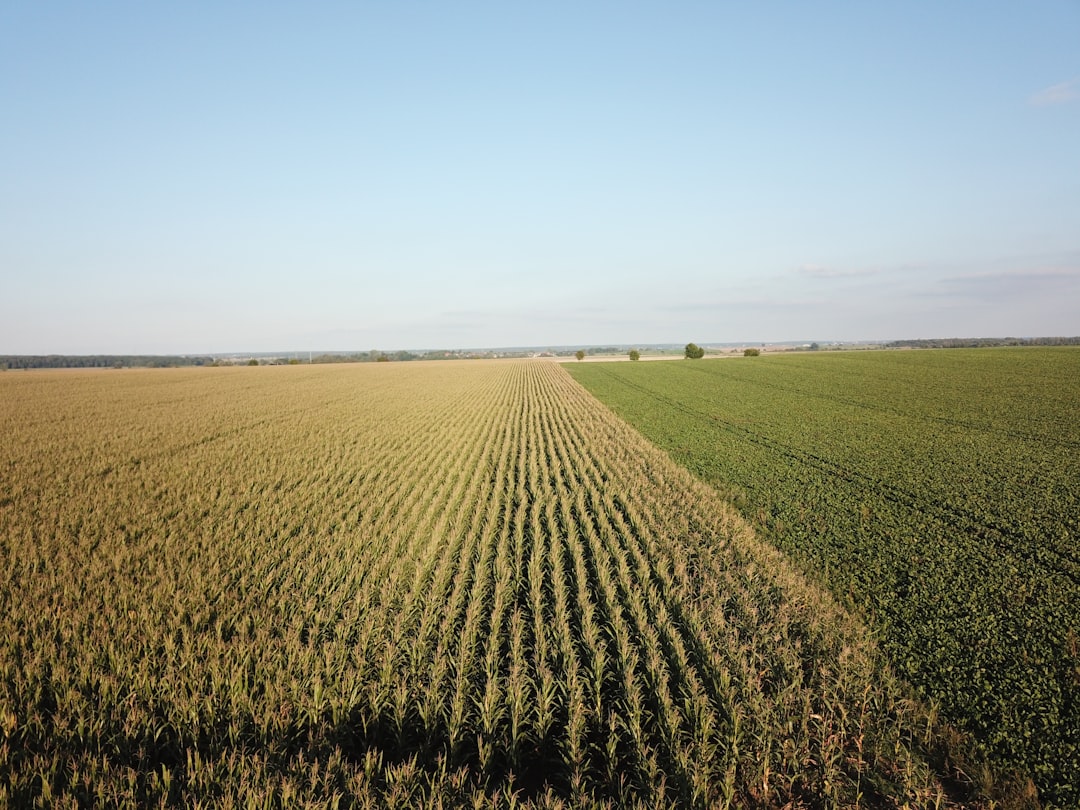
Maximizing Phosphorus Uptake with Cover Crops
Phosphorus (P) is a crucial macronutrient for plant growth, playing a fundamental role in energy transfer, photosynthesis, and genetic material. While abundant in soils, a significant portion of soil phosphorus exists in insoluble forms, rendering it unavailable for plant uptake. This necessitates the application of phosphorus fertilizers, which come with significant economic and environmental costs. Over-application can lead to eutrophication of water bodies, impacting aquatic ecosystems. Therefore, sustainable agricultural practices that enhance phosphorus availability and uptake are of considerable interest. Cover cropping, the practice of planting non-cash crops between periods of cash crop production, offers a promising avenue for improving soil health and nutrient cycling, including phosphorus. This article explores how judicious cover crop selection and management can be leveraged to maximize phosphorus uptake in agricultural systems.
Forms of Soil Phosphorus
Soil phosphorus exists in various forms, broadly categorized into inorganic and organic fractions. Inorganic phosphorus, derived from the weathering of parent material, is primarily found as mineral precipitates such as calcium phosphates in calcareous soils and iron and aluminum phosphates in acidic soils. These mineral forms are often sparingly soluble, limiting their availability to plants. Organic phosphorus constitutes a substantial portion of total soil phosphorus, originating from the decomposition of plant and animal residues. This fraction is also largely unavailable until microbial mineralization converts it into inorganic orthophosphate ions (H₂PO₄⁻ and HPO₄²⁻), the primary form absorbed by plant roots.
Factors Affecting Phosphorus Availability
Several soil factors influence the availability of phosphorus to plants. Soil pH is a critical determinant, with optimal phosphorus availability typically occurring in a pH range of 6.0 to 7.0. At lower pH, phosphorus can precipitate with iron and aluminum, while at higher pH, it can form insoluble calcium phosphates. Soil texture also plays a role, with soils high in clay content potentially having more surface area for phosphorus adsorption compared to sandy soils. The presence of soil organic matter is generally beneficial for phosphorus availability. Organic acids released during decomposition can chelate with metal ions, preventing phosphorus precipitation. Furthermore, microbial activity is essential for mineralizing organic phosphorus and solubilizing inorganic forms.
Plant Uptake Mechanisms
Plants primarily absorb phosphorus as inorganic orthophosphate ions. This uptake is an active process, requiring energy and mediated by specific high-affinity phosphate transporters located in root cell membranes. Root architecture and the presence of mycorrhizal fungi also significantly influence phosphorus acquisition. Mycorrhizal fungi form symbiotic relationships with plant roots, extending the root exploration zone and accessing phosphorus from smaller soil pores and less accessible mineral pools. The efficiency of phosphorus uptake is also influenced by plant species and their developmental stage.
Cover crops have gained attention for their ability to scavenge phosphorus from the soil, helping to reduce nutrient runoff and improve water quality. A related article that delves deeper into this topic can be found at Hey Did You Know This, where the benefits of various cover crops in enhancing soil health and their role in sustainable agriculture are discussed. This resource provides valuable insights for farmers looking to implement effective phosphorus management strategies through the use of cover crops.
Cover Crops as Phosphorus Bio-Enhancers
Cover crops offer a multifaceted approach to improving phosphorus availability and uptake. Their benefits are realized through several interconnected mechanisms, primarily related to enhancing soil biological activity and altering soil chemical conditions.
Mechanisms of Phosphorus Mobilization
Cover crops can mobilize phosphorus through a variety of direct and indirect mechanisms.
Microbial Stimulation and Organic Matter Decomposition
The root exudates and senescent biomass of cover crops provide a rich carbon and nutrient source for soil microorganisms. This stimulates microbial activity, leading to increased rates of organic phosphorus mineralization. Diverse microbial communities, fostered by cover cropping, can include a wider range of enzymes capable of breaking down complex organic phosphorus compounds.
Root Exudates and Organic Acid Production
Cover crop roots release a variety of organic compounds, including organic acids, into the rhizosphere. These organic acids, such as citric acid and malic acid, can chelate positively charged metal ions (e.g., Ca²⁺, Fe³⁺, Al³⁺) to which phosphate ions are bound. This chelation effectively breaks the bonds between phosphorus and metal cations, releasing soluble orthophosphate ions. The extent of this effect is dependent on the specific cover crop species and its ability to produce effective chelating agents.
Mycorrhizal Associations
Some cover crops are highly effective hosts for arbuscular mycorrhizal fungi (AMF). These fungi form symbiotic relationships with cover crop roots, significantly increasing the surface area for nutrient absorption. The hyphae of AMF can extend far beyond the depletion zone of plant roots, accessing phosphorus from soil pores inaccessible to root hairs. Studies have shown that cover crops that promote high AMF colonization can lead to increased phosphorus uptake by both the cover crop itself and subsequent cash crops.
pH Alteration
Certain cover crops, particularly legumes, can influence soil pH. The process of nitrification, where ammonium from nitrogen fixation is converted to nitrate, can lead to a temporary decrease in soil pH. Conversely, the uptake of nutrients by cover crops and the subsequent decomposition of their biomass can also influence pH over time. Subtle shifts in pH, within the optimal range for phosphorus availability, can enhance the solubilization of mineral phosphorus.
Strategic Cover Crop Selection for Phosphorus Uptake

The effectiveness of cover crops in enhancing phosphorus uptake is strongly influenced by species selection. Different cover crops possess varied root architectures, growth habits, and rhizosphere characteristics that impact their ability to interact with soil phosphorus.
Legumes and Non-Legumes
A common strategy involves using a mix of legume and non-legume cover crops. Legumes, such as clover, vetch, and peas, are known for their ability to fix atmospheric nitrogen, reducing the need for nitrogen fertilizers and potentially leaving residual nitrogen for subsequent crops. However, their role in phosphorus dynamics is also noteworthy. Some legumes are efficient at exploring the soil profile for nutrients. Non-legumes, such as cereal rye, oats, and radishes, offer distinct advantages.
Cereal Rye (Secale cereale)
Cereal rye possesses an extensive and finely branched root system that is highly effective at scavenging residual phosphorus from the soil profile. Its fibrous roots can explore a large volume of soil, accessing phosphorus that might otherwise be leached or immobilized. Furthermore, cereal rye biomass decomposition releases organic compounds that can contribute to phosphorus mobilization. Its cold tolerance allows for overwintering, providing prolonged soil cover and continuous nutrient cycling.
Radishes (Raphanus sativus), particularly tillage or Daikon radishes
Tillage radishes are renowned for their large taproots, which can penetrate compacted soil layers. This deep root penetration can break up soil structure, improving water infiltration and aeration, which indirectly benefits nutrient cycling. As the radish decomposes, its taproot creates channels that enhance soil aeration and drainage, and the macropores formed can facilitate root growth and nutrient access for subsequent crops. The decomposition of radish biomass also releases organic acids that can solubilize mineral phosphorus.
Buckwheat (Fagopyrum esculentum)
Buckwheat is a fast-growing cover crop that thrives in warm conditions. It is known for its ability to acidify the rhizosphere through the release of organic acids, which is particularly beneficial for solubilizing phosphorus in neutral to alkaline soils. Buckwheat’s rapid growth cycle means it can be planted and terminated within a relatively short period, making it a versatile option for intercropping or short-season windows. Its dense foliage also contributes to weed suppression and soil organic matter accumulation.
Hairy Vetch (Vicia villosa) and Crimson Clover (Trifolium incarnatum)
These legumes are effective in fixing atmospheric nitrogen. They also contribute to phosphorus availability through their root exudates, which can contain organic acids that chelate metal cations. The decomposition of their nitrogen-rich biomass can also fuel microbial activity, leading to enhanced phosphorus mineralization. Their flowering stages are attractive to pollinators, offering additional ecological benefits.
Cover Crop Mixtures and Their Synergies
Using a mixture of cover crops can harness the complementary strengths of different species, leading to more comprehensive benefits for phosphorus uptake. For instance, combining a deep-rooted species like tillage radish with a fibrous-rooted species like cereal rye can improve soil structure and nutrient scavenging across different soil depths. The inclusion of legumes in mixtures can enhance nitrogen availability, allowing for more robust growth of subsequent cash crops to utilize mobilized phosphorus. The diversity of root exudates from mixed cover crops can support a broader range of microbial communities, further promoting phosphorus cycling.
Management Practices for Maximizing Phosphorus Uptake

Beyond species selection, effective management of cover crops is crucial to optimize phosphorus uptake and ensure benefits translate to subsequent cash crops.
Timing of Planting and Termination
The timing of cover crop planting and termination has a significant impact on their biomass production and nutrient cycling. Planting cover crops as early as possible after cash crop harvest allows for maximum growth and nutrient accumulation before winter or a subsequent crop is planted.
Early Planting for Biomass Accumulation
Early planting maximizes the growing season for cover crops, leading to greater biomass accumulation. This larger biomass serves as a more substantial source of organic matter and nutrients upon decomposition. More substantial biomass also means a greater potential release of organic acids and enhanced microbial activity, both of which contribute to phosphorus mobilization.
Strategic Termination for Nutrient Availability
The timing of termination influences the rate at which cover crops release captured nutrients. Terminating cover crops before they enter severe senescence allows for their decomposition to occur in synchrony with the nutrient demands of the succeeding cash crop. If terminated too early, the benefits of nutrient scavenging might be reduced. If terminated too late, the decomposition process might outpace the cash crop’s uptake, leading to nutrient losses through leaching. Mechanical termination (e.g., mowing, disking) or chemical termination can be employed, with the choice influencing the rate of residue breakdown.
Incorporation of Cover Crop Biomass
The degree to which cover crop biomass is incorporated into the soil can affect nutrient release rates.
Surface Residue vs. Incorporation
Leaving cover crop residues on the soil surface can help conserve moisture and reduce erosion. However, incorporation into the top few inches of soil can accelerate decomposition and facilitate the release of immobilized nutrients like phosphorus. The impact of incorporation on phosphorus availability depends on soil moisture and microbial activity. Surface residues decompose more slowly, gradually releasing nutrients over time. Incorporation can lead to a more immediate pulse of nutrient release.
The Role of Biochar and Microbial Inoculants
While not strictly cover crop management, the combined use of cover crops with other soil amendments can further enhance phosphorus uptake. Biochar, a stable form of carbon produced from the pyrolysis of organic matter, can improve soil structure, water retention, and nutrient holding capacity. When added to soils managed with cover crops, biochar can provide a habitat for beneficial microbes involved in phosphorus cycling. Microbial inoculants, containing specific strains of phosphorus-solubilizing bacteria or mycorrhizal fungi, can be applied to cover crops to amplify their natural phosphorus mobilization capabilities.
Cover crops have gained attention for their ability to enhance soil health and improve nutrient management, particularly in scavenging phosphorus from the soil. A related article discusses the various benefits of using cover crops for phosphorus scavenging and how they can contribute to sustainable agriculture practices. For more insights on this topic, you can read the article here. Implementing these practices can lead to better crop yields and reduced environmental impact, making them a valuable tool for farmers.
Assessing Cover Crop Impact on Phosphorus Uptake
| Cover Crop | Phosphorus Scavenging Efficiency (%) |
|---|---|
| Cereal Rye | 60-80% |
| Crimson Clover | 40-60% |
| Hairy Vetch | 50-70% |
| Oats | 30-50% |
Measuring the tangible benefits of cover crops on phosphorus uptake requires careful monitoring and analysis.
Soil Testing and Nutrient Analysis
Regular soil testing before, during, and after cover cropping allows for the tracking of changes in soil phosphorus levels.
Pre-Cover Crop Soil Phosphorus Levels
Establishing baseline phosphorus levels before implementing cover cropping is crucial for assessing the impact. This initial assessment helps in tailoring cover crop selection based on existing soil conditions and identifying areas that may benefit most from phosphorus-mobilizing strategies.
Post-Cover Crop Soil Phosphorus Analysis
After cover crop termination and decomposition, re-testing soil phosphorus provides data on changes in plant-available phosphorus forms. Key parameters to monitor include Mehlich-3 extractable phosphorus, Olsen extractable phosphorus (for alkaline soils), and potentially microbial biomass phosphorus.
Plant Tissue Analysis
Analyzing the phosphorus content of subsequent cash crops can directly indicate improved nutrient uptake.
Comparing Phosphorus Content in Cash Crops
By comparing the phosphorus concentration in cash crop tissues grown after cover cropping to those grown without cover crops (control plots), a direct measure of improved phosphorus uptake can be obtained. This analysis should be conducted at similar growth stages for accurate comparison.
The Importance of Residual Phosphorus Monitoring
Cover crops can scavenge residual phosphorus from deeper soil layers. Monitoring changes in phosphorus levels at different soil depths can reveal the extent to which cover crops are accessing and cycling these deeper nutrient pools. This information is valuable for refining nutrient management strategies and for understanding the long-term benefits of cover cropping on soil fertility.
Overcoming Challenges and Future Directions
While cover crops offer significant potential for enhancing phosphorus uptake, certain challenges need to be addressed for widespread adoption and optimal effectiveness.
Soil Moisture and Nutrient Competition
Cover crops, particularly those requiring significant moisture, can compete with subsequent cash crops for water, especially in arid or semi-arid regions. This competition can be mitigated through careful selection of drought-tolerant cover crop species and by adjusting termination timings.
Balancing Biomass Production and Water Availability
The desire for maximum cover crop biomass, which correlates with higher nutrient capture, must be balanced against potential impacts on soil moisture for the following cash crop. This often involves a trade-off, and understanding local climatic conditions and soil types is paramount in making informed decisions.
Managing Cover Crop Residue for Optimal Nutrient Release
The physical presence of cover crop residue can sometimes impede planting operations for certain cash crops. Furthermore, the slow decomposition of some residues can tie up nutrients temporarily, a phenomenon known as nitrogen immobilization. Strategies such as chopping residues, adjusting planting equipment, or selecting cover crops that decompose more rapidly can help mitigate these issues.
Integrating Cover Cropping into Existing Farming Systems
The successful integration of cover cropping requires careful planning and adaptation to existing farm infrastructure and management practices.
Economic Viability and Return on Investment
The cost associated with cover crop seeds, planting, and termination must be weighed against the potential benefits of improved nutrient use efficiency, reduced fertilizer inputs, and enhanced crop yields. Long-term economic analyses are essential for demonstrating the return on investment for cover cropping.
Research and Extension Needs for Phosphorus-Focused Cover Cropping
Further research is needed to refine cover crop selection guidelines for specific soil types and climatic regions, with a particular focus on maximizing phosphorus mobilization. Developing better predictive models for nutrient release from cover crop residues and understanding the intricate interactions between different cover crop species and soil microbial communities will be crucial. Enhanced extension services are vital to disseminate this knowledge to farmers, providing practical guidance and support for implementing effective cover cropping strategies for phosphorus management. The development of diverse cover crop portfolios, tailored to address specific phosphorus deficiencies and soil conditions, represents a significant future direction in sustainable agriculture.
FAQs
What are cover crops?
Cover crops are plants that are grown primarily to protect and improve the soil rather than for harvest. They are typically grown during the off-season to cover and protect the soil from erosion, improve soil fertility, and suppress weeds.
What is phosphorus scavenging?
Phosphorus scavenging refers to the ability of certain plants, including cover crops, to absorb and retain phosphorus from the soil. This process helps to reduce phosphorus runoff and leaching, which can contribute to water pollution.
How do cover crops help with phosphorus scavenging?
Cover crops help with phosphorus scavenging by taking up excess phosphorus from the soil, thereby reducing the risk of phosphorus runoff and leaching. This can help to improve water quality and reduce the environmental impact of phosphorus fertilizers.
What are some examples of cover crops that are effective for phosphorus scavenging?
Some examples of cover crops that are effective for phosphorus scavenging include cereal rye, annual ryegrass, and oilseed radish. These cover crops have been shown to effectively take up and retain phosphorus in the soil.
What are the benefits of using cover crops for phosphorus scavenging?
Using cover crops for phosphorus scavenging can help to improve soil health, reduce nutrient runoff, and protect water quality. Additionally, cover crops can contribute to overall sustainable agricultural practices and reduce the need for chemical fertilizers.