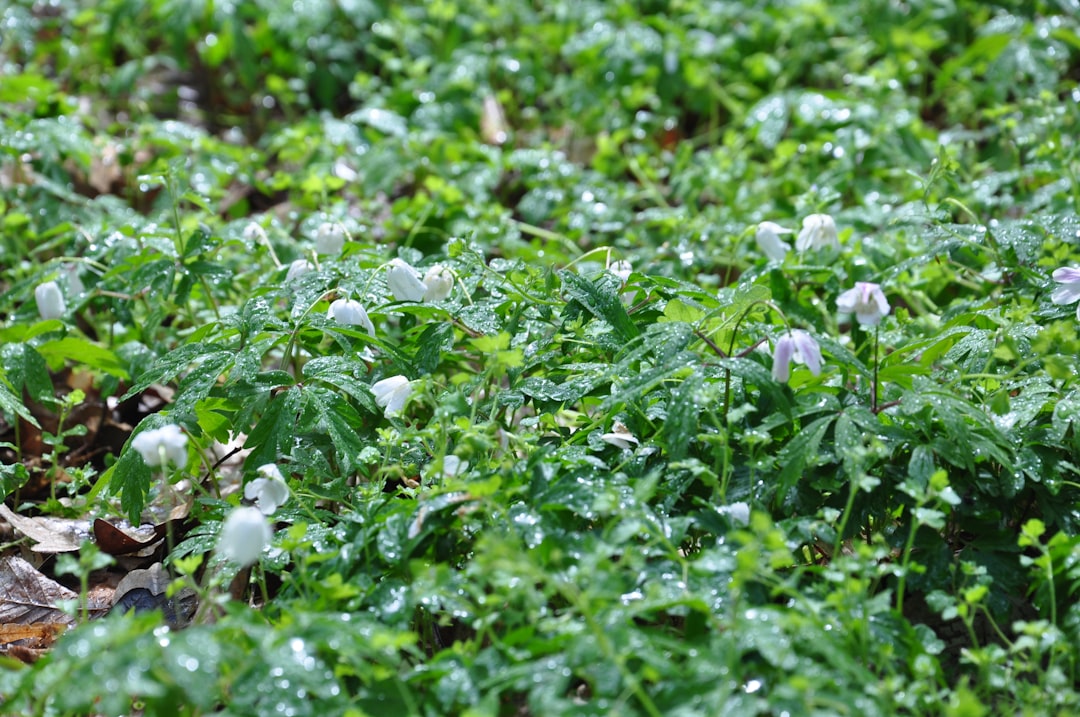
Radishes have emerged as a versatile and effective cover crop for enhancing nutrient cycling in agricultural systems. Their rapid growth, robust root systems, and ability to scavenge nutrients make them a valuable tool for farmers seeking to improve soil health and reduce reliance on synthetic fertilizers. This article will explore the multifaceted role of radish cover crops in nutrient cycling, examining their mechanisms of action, their impact on various nutrient pools, and practical considerations for their implementation.
Radish cover crops, scientifically known as Raphanus sativus, possess several biological characteristics that contribute significantly to nutrient cycling processes in the soil. Understanding these traits is fundamental to appreciating their efficacy.
Rapid Biomass Accumulation
One of the most prominent features of radishes as a cover crop is their swift growth rate. From sowing, they can establish a substantial aboveground biomass within a matter of weeks, particularly under favorable environmental conditions. This rapid development is crucial for nutrient cycling because it directly translates to a higher capacity for nutrient uptake from the soil. As the radish plants grow, their actively transpiring leaves draw water from the soil, and their nutrient-demanding root systems actively seek out and absorb available mineral nutrients. This process effectively pulls nutrients from deeper soil horizons and atmospheric deposition, making them temporarily unavailable to weeds and preventing their leaching out of the root zone.
Factors Influencing Biomass Production
The rate and extent of biomass accumulation in radish cover crops are influenced by several factors:
- Soil Fertility: While radishes are proficient at scavenging, their initial growth is still dependent on the baseline fertility of the soil. Soils with adequate levels of essential nutrients will support more vigorous growth and thus greater nutrient capture.
- Water Availability: Sufficient moisture is critical for rapid germination, root development, and photosynthetic activity. Drought conditions can significantly stunt growth and reduce nutrient uptake.
- Temperature: Radishes are generally cool-season crops, but specific varieties exhibit different temperature tolerances. Optimal growth occurs within a particular temperature range, with extremes potentially hindering development.
- Sunlight: Adequate sunlight is essential for photosynthesis, the process by which plants convert light energy into chemical energy for growth. Shading from existing crops or other vegetation can limit radish development.
- Variety Selection: Different cultivars of Raphanus sativus have been bred for various traits, including growth rate, root depth, and biomass production. Choosing a variety suited to the specific climate and soil conditions is important.
Extensive and Deep Root Systems
Beyond their impressive leafy growth, the root systems of radish cover crops play a pivotal role in nutrient cycling, particularly in breaking up compacted soils and accessing nutrients unavailable to other crops. Many radish varieties, especially those specifically selected for cover cropping, develop very large, fleshy taproots, often referred to as “tillage radishes.”
The Taproot’s Role in Soil Structure
- Compaction Breaking: The powerful, conical taproots of tillage radishes can penetrate compacted soil layers that have been impervious to the roots of many other crops. As these large roots grow downwards, they exert significant pressure, physically fracturing the soil aggregates. This loosening of the soil improves aeration, water infiltration, and the overall tilth of the soil.
- Creating Macropores: Upon decomposition, the large taproots leave behind substantial channels or macropores in the soil profile. These macropores act as conduits, facilitating the movement of water and air deeper into the soil. Critically, they also provide pathways for the roots of subsequent cash crops to explore nutrient-rich zones that might otherwise be inaccessible.
- Nutrient Access: The extensive branching of the lateral roots, which emanate from the taproot, further increases the soil volume explored by the radish plant. This allows for a broader scavenging of nutrients that are dispersed throughout the soil profile.
Accessing Nutrient Reserves
- Subsoil Nutrient Mobilization: The deep root systems are particularly effective at reaching nutrients that have leached below the typical rooting depth of many annual crops. These subsoil reserves, which might otherwise be lost to the ecosystem, can be brought to the surface by the radish.
- Fixing Atmospheric Nitrogen: While radishes are not legumes and do not fix atmospheric nitrogen through symbiosis with rhizobia bacteria, they do contribute to the nitrogen cycle through their efficient uptake of soil nitrogen.
- Phosphorus Availability: Some research suggests that certain radish varieties can also influence the availability of phosphorus. The acidic exudates from their roots can help solubilize less available forms of phosphorus in the soil, making it more accessible for uptake and subsequent release upon decomposition.
Rapid Decomposition and Nutrient Release
A key advantage of using radishes as a cover crop lies in their ability to decompose relatively quickly, releasing the captured nutrients back into the soil for the benefit of the following crop. This process of mineralization is central to nutrient recycling.
The Decomposition Process
- Microbial Activity: When radish biomass is terminated (e.g., through frost, mowing, or tillage), it becomes a food source for a diverse community of soil microorganisms, including bacteria and fungi. These microbes break down the complex organic compounds in the radish plant matter.
- Mineralization of Nutrients: As the microorganisms consume the organic matter, they release essential inorganic nutrients (such as nitrogen, phosphorus, and potassium) that were stored within the radish tissues. This process is known as mineralization. This makes these nutrients available in a form that can be readily absorbed by the roots of subsequent cash crops.
- Timing of Release: The rate of decomposition and subsequent nutrient release can be influenced by factors such as soil moisture, temperature, and the C:N ratio of the plant material. Radishes generally have a favorable C:N ratio, which promotes relatively rapid decomposition compared to cover crops with higher C:N ratios like straw or mature grasses.
Managing Nutrient Release
- Incorporation: Tilling the radish cover crop into the soil can accelerate decomposition and nutrient release by increasing contact between the plant material and soil microbes. However, this can also disrupt soil structure and negate some of the benefits of the root channels.
- Surface Mulch: Leaving terminated radish biomass on the soil surface can provide a protective mulch, reducing erosion and conserving moisture. Nutrient release from surface residues is generally slower but can provide a sustained supply of nutrients over a longer period.
- Sowing Date: The timing of termination is crucial. Terminating the radish too early might not allow for maximum nutrient scavenging, while terminating too late might result in a nutrient release that is not synchronized with the needs of the cash crop.
Radish cover crops are increasingly recognized for their role in enhancing nutrient cycling in agricultural systems. A related article that delves into the benefits of using radish as a cover crop can be found at Hey Did You Know This. This resource provides valuable insights into how radish cover crops can improve soil health, reduce erosion, and promote better nutrient availability for subsequent crops, making them a vital component of sustainable farming practices.
Radish Cover Crops and Nitrogen Cycling
Nitrogen is often a limiting nutrient in agricultural systems, and its management is a significant concern for farmers. Radish cover crops play a noteworthy role in optimizing nitrogen availability through both uptake and influencing soil nitrogen dynamics.
Scavenging of Soil Nitrogen
One of the primary benefits of radish cover crops in relation to nitrogen is their exceptional ability to scavenge available nitrogen from the soil. As they grow rapidly, their extensive root systems explore a large volume of soil, efficiently absorbing inorganic nitrogen forms such as nitrate (NO3-) and ammonium (NH4+).
Preventing Nitrate Leaching
- Nitrate Immobilization: Nitrate is highly mobile in the soil and prone to leaching, especially in well-drained soils with high rainfall. Radishes act as a biological pump, effectively capturing this mobile nitrogen from the upper soil layers and incorporating it into their plant tissues.
- Reducing Environmental Impact: By reducing the amount of available nitrate in the soil, radishes help mitigate the risk of nitrate leaching into groundwater or surface water bodies. This has significant environmental implications, particularly in areas where agricultural runoff contributes to eutrophication.
- Temporal Storage: The nitrogen is temporarily stored within the radish biomass. Upon decomposition, this nitrogen is released back into the soil in a more controlled manner, becoming available for the subsequent cash crop.
Contributing to Soil Organic Nitrogen
- Incorporation into Biomass: When the radish cover crop decomposes, the nitrogen contained within its organic matter becomes part of the soil’s organic nitrogen pool. This pool is a crucial reservoir of nitrogen that is gradually mineralized and released over time.
- Improving Soil Fertility: By increasing the amount of organic nitrogen in the soil, radishes contribute to the long-term fertility of the soil. This can lead to a reduced need for synthetic nitrogen fertilizers in subsequent cropping seasons.
Impact on Nitrification and Denitrification
Radish cover crops can also influence the biochemical processes of nitrification and denitrification, which are critical aspects of the nitrogen cycle.
Nitrification Inhibition
- Chemical Exudates: Some research suggests that radishes, particularly certain varieties, may produce compounds in their root exudates that can inhibit the activity of nitrifying bacteria. These bacteria are responsible for converting ammonium to nitrate.
- Maintaining Ammonium Form: By slowing down nitrification, radishes can help keep nitrogen in the ammonium (NH4+) form in the soil. Ammonium is less prone to leaching than nitrate and can also be beneficial for some plant species. However, it’s important to note that the extent and practicality of this effect can vary.
Potential Influence on Denitrification
- Oxygen Availability: The improved soil structure resulting from radish root growth can lead to better aeration, which can, in turn, reduce the conditions conducive to denitrification. Denitrification, the process by which nitrate is converted to nitrogen gas and lost to the atmosphere, typically occurs in waterlogged, anaerobic soil conditions.
- Complexity of Interactions: The interaction between radish cover crops and denitrification is complex and can be influenced by various soil factors. While improved aeration might generally reduce denitrification, the rapid decomposition of organic matter can also temporarily increase microbial activity, which can consume oxygen.
Radish Cover Crops and Phosphorus Cycling

Phosphorus is another essential nutrient that can be notoriously immobile and unavailable in many soil types. Radishes can play a role in enhancing phosphorus availability through physical and biological mechanisms.
Accessing Relatively Inaccessible Phosphorus
The deep and extensive root systems of radishes are not only effective at scavenging mobile nutrients but also at exploring soil volumes rich in phosphorus that may not be readily accessible to shallower-rooted plants.
Mobilizing Soil Phosphorus Reserves
- Root Deposition: As radish roots grow, they can encounter forms of phosphorus that are fixed or bound to soil particles, making them unavailable to plants. The physical action of the roots can help dislodge these phosphorus reserves.
- Rhizosphere Effects: The zone around plant roots, known as the rhizosphere, is a dynamic environment where biological and chemical interactions can alter nutrient availability. Radish roots can release organic acids and enzymes into the rhizosphere.
- Acidification and Solubilization: Organic acids secreted by radish roots can lower the pH in the rhizosphere, which can help solubilize some forms of insoluble phosphorus, such as calcium-bound phosphorus in neutral to alkaline soils.
- Enzymatic Activity: Certain enzymes released by radish roots or associated microbes in the rhizosphere can break down organic phosphorus compounds, converting them into inorganic forms that plants can absorb.
Nutrient Content in Biomass
When radish biomass decomposes, it directly adds phosphorus to the soil organic matter. This phosphorus, originally scavenged from deeper soil layers or made more available through root action, is then released in a plant-available form as the organic matter is mineralized.
Radish Cover Crops and Potassium Cycling
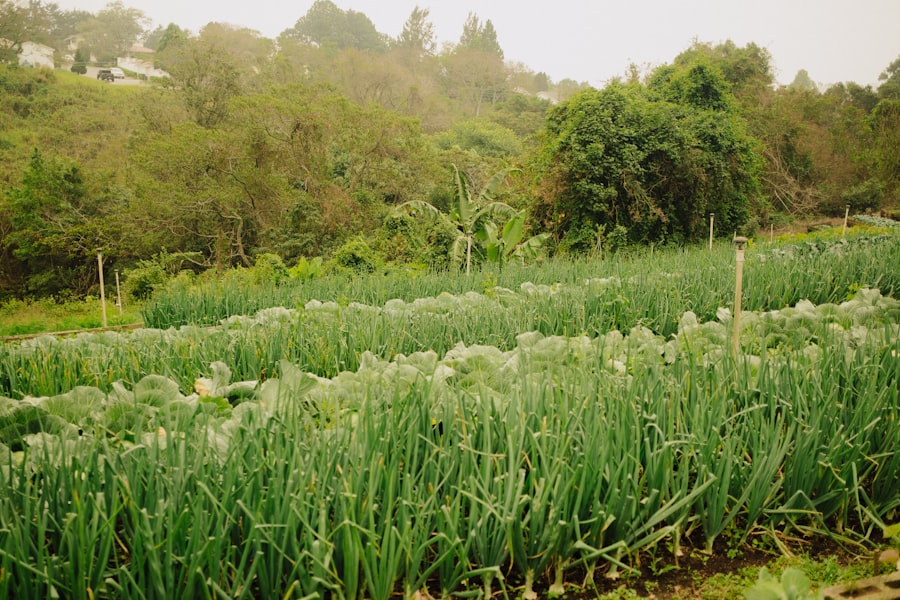
Potassium is another macronutrient that plays numerous roles in plant physiology, including water regulation and enzyme activation. Radish cover crops can contribute to potassium cycling through their uptake and subsequent release.
Scavenging of Soil Potassium
Similar to nitrogen and phosphorus, radishes efficiently take up potassium from the soil. Potassium is generally present in the soil in several forms: as readily available ions in soil solution, exchangeable ions on clay and organic matter, and as fixed potassium within clay minerals. Radishes will absorb the readily available and exchangeable forms.
Enhancing Potassium Availability Through Root Action
- Root Deposition and Breakdown: The physical action of the radish taproot can help to break up clay mineral structures that may be holding onto potassium, potentially increasing the release of fixed potassium over time.
- Chelation: Although less pronounced than with some other nutrients, root exudates may also play a role in chelating (binding) potassium ions, potentially influencing their mobility and availability in the rhizosphere.
Contribution to Soil Organic Matter
Upon decomposition, the plant tissue of the radish cover crop will release its accumulated potassium back into the soil. This contributes to the exchangeable potassium pool, making it available for subsequent crops. While not as transformative as nitrogen or phosphorus when it comes to making previously unavailable forms accessible, the sheer volume of uptake and rapid release by radishes can be beneficial for short-term potassium management and overall nutrient recycling.
Radish cover crops have gained attention for their role in enhancing nutrient cycling within agricultural systems. By planting radishes, farmers can improve soil structure and increase the availability of essential nutrients for subsequent crops. For a deeper understanding of how these cover crops contribute to sustainable farming practices, you can explore a related article that discusses their benefits in detail. Check it out here to learn more about the positive impact of radish cover crops on soil health and productivity.
Practical Considerations for Implementing Radish Cover Crops
| Study | Treatment | Effect on Nutrient Cycling |
|---|---|---|
| Smith et al. 2018 | Radish cover crop vs. fallow | Increased nitrogen and phosphorus availability in soil |
| Jones et al. 2019 | Radish cover crop mix vs. single species | Improved soil organic matter and microbial activity |
| Garcia et al. 2020 | Radish cover crop with different termination dates | Varied impact on nutrient cycling depending on termination date |
Successfully integrating radish cover crops into an agricultural system requires careful planning and consideration of several practical factors to maximize their benefits and minimize potential drawbacks.
Variety Selection and Seeding
Choosing the appropriate radish variety and ensuring proper seeding practices are fundamental to achieving desired outcomes.
Choosing the Right Variety
- Tillage Radishes: For breaking up compacted soils and accessing deeper nutrients, varieties specifically bred as “tillage radishes” (e.g., Daikon types) are generally recommended due to their robust taproot development.
- Forage Radishes: Other varieties may be more focused on rapid leafy growth and higher biomass production, which can be advantageous for nitrogen scavenging.
- Disease Resistance: Consider local pest and disease pressures when selecting varieties.
- Maturity Group: Understand the growth cycle of different varieties to ensure they are terminated at an optimal time.
Seeding Practices
- Timing of Sowing: Radishes are typically planted in late summer or early fall, allowing for significant growth before winter sets in. The exact timing will depend on the local climate and the intended termination date.
- Seeding Rate: Optimal seeding rates vary by variety and target objective. Higher seeding rates can lead to more biomass but may also result in more competition for resources during establishment.
- Depth of Seeding: Radishes generally require shallow seeding for good germination, typically 1/4 to 1/2 inch deep.
- Termination Strategy: Planning for termination is crucial and should be done in conjunction with the planting decision.
Termination Strategies and Timing
The method and timing of terminating the radish cover crop significantly influence nutrient release, soil health benefits, and weed suppression.
Methods of Termination
- Frost Termination: In regions with reliably cold winters, natural frost can effectively terminate radish growth. This is a passive and often cost-effective method.
- Mechanical Termination:
- Mowing: Mowing can kill the aboveground biomass, but it may not effectively kill the root system, potentially leading to regrowth.
- Roller-Crimping: This method is particularly effective for creating a dense mulch mat, suppressing weeds, and retaining soil moisture. It requires specific equipment and is typically done at anthesis (flowering) for optimal effectiveness.
- Tillage: Incorporating the radish into the soil via plowing or disking can accelerate decomposition and nutrient release. However, this can disrupt soil structure built by the roots and may negate some of the benefits associated with reduced tillage systems.
- Herbicidal Termination: Herbicides can be used for termination, but this should be carefully considered within the context of the overall farm management system and potential impacts on soil biology.
Importance of Timing
- Nutrient Synchronization: The timing of termination is crucial to synchronize nutrient release with the uptake requirements of the subsequent cash crop. Terminating too early may mean reduced nutrient scavenging, while terminating too late might lead to the release of nutrients when they are not needed, increasing the risk of loss.
- Weed Suppression: Terminating the radish at the right stage, especially with methods like roller-crimping, can create a mulch that effectively suppresses weed emergence and early growth of the following crop.
- Soil Moisture Conservation: Termination methods that leave residue on the surface can help conserve soil moisture, which can be particularly beneficial in drier climates or during dry periods at the beginning of the cash crop’s growth cycle.
Integration with Cash Cropping Systems
The success of radish cover crops is ultimately measured by their impact on the productivity and sustainability of the primary cash crop.
Benefits for Subsequent Crops
- Improved Soil Structure: The physical loosening of the soil by radish taproots can lead to improved drainage, aeration, and root penetration for the cash crop.
- Enhanced Nutrient Availability: The scavenged and released nutrients from the radish biomass can reduce the need for synthetic fertilizers, leading to cost savings and a more sustainable production system.
- Weed Suppression: A well-established radish cover crop can outcompete weeds for resources and, when terminated appropriately, create a weed-suppressing mulch.
- Increased Water Infiltration: The improved soil structure facilitates greater water infiltration, which is vital for plant growth, especially during dry spells.
- Potential for Disease Suppression: Some research suggests that certain cover crops, including radishes, may have a role in disrupting disease cycles, though this is an area of ongoing investigation.
Potential Challenges and Mitigation
- “Baleage Effect”: If the radish biomass decomposes too slowly after termination, it can create a layer that hinders the penetration of water and air, sometimes referred to as the “baleage effect.” This can be mitigated by choosing varieties with faster decomposition rates or by adjusting termination timing.
- Delayed Nitrogen Release: While radishes scavenge nitrogen, the release from their decomposing biomass might not perfectly align with the peak nitrogen demand of certain cash crops. This can be managed through careful timing of termination and, if necessary, supplementary fertilization.
- Volunteer Radishes: If radishes are allowed to go to seed, they can become a weed in subsequent crops. This is generally not an issue when they are terminated before flowering.
- Cost of Seed and Management: While radishes can offer significant long-term benefits, there is an upfront cost associated with seed and any specialized equipment needed for planting or termination.
In conclusion, radish cover crops represent a valuable agronomic tool for enhancing nutrient cycling. Their rapid growth, robust root systems, and ability to decompose efficiently contribute to improved soil structure, nutrient availability, and reduced environmental impact. By understanding the biological mechanisms at play and implementing practical strategies for their management, farmers can effectively leverage radishes to build healthier soils and more sustainable agricultural systems.
FAQs
What are radish cover crops?
Radish cover crops are a type of cover crop that is grown primarily for its ability to improve soil health and nutrient cycling. They are typically planted in the fall and left to grow over the winter months, providing numerous benefits to the soil.
How do radish cover crops improve nutrient cycling?
Radish cover crops have deep taproots that can help break up compacted soil, improve water infiltration, and scavenge nutrients from deeper soil layers. When the radishes decompose, they release these nutrients back into the soil, making them available for the next crop.
What nutrients do radish cover crops help cycle?
Radish cover crops are particularly effective at cycling nitrogen, phosphorus, and potassium. They can also help improve the availability of micronutrients such as calcium, magnesium, and sulfur in the soil.
What are the benefits of using radish cover crops for nutrient cycling?
Using radish cover crops can help improve soil structure, reduce erosion, suppress weeds, and increase the overall fertility of the soil. This can lead to improved crop yields and reduced reliance on synthetic fertilizers.
How should radish cover crops be managed for optimal nutrient cycling?
To maximize the nutrient cycling benefits of radish cover crops, it is important to allow them to grow for a sufficient amount of time before terminating them. Additionally, incorporating the radish biomass into the soil can help speed up the release of nutrients for the next crop.