You’re likely here because you need new prescription glasses, and the prospect of the cost is causing a knot in your stomach. It’s a common predicament. The need for clear vision is undeniable, but so are the realities of a budget. Fortunately, obtaining quality eyewear doesn’t have to be an insurmountable financial hurdle. With a strategic approach and a bit of informed decision-making, you can secure the perfect pair of glasses without breaking the bank. This guide will walk you through practical, budget-friendly tips to help you navigate the world of eyewear procurement.
Before you even begin browsing frames, it’s crucial to fully comprehend your prescription and how your vision insurance might operate. This foundational knowledge will empower you to make informed choices and potentially uncover significant savings.
Decoding Your Prescription
Your prescription is more than just a series of numbers and abbreviations; it’s the blueprint for the lenses that will correct your vision. Understanding its components can prevent unnecessary upselling and ensure you’re only paying for what you truly need.
Spherical Power (SPH)
This indicates the degree of nearsightedness (myopia) or farsightedness (hyperopia). A negative number signifies myopia, meaning you see distant objects blurred. A positive number indicates hyperopia, where close objects appear blurry. The higher the absolute value of the number, the stronger the lens required.
Cylindrical Power (CYL) and Axis
If you have astigmatism, your prescription will include these values. Astigmatism occurs when the cornea or lens has an irregular shape, causing blurred or distorted vision at all distances. The CYL value represents the amount of correction needed to counteract this irregularity, and the Axis indicates the orientation of that correction in degrees.
Pupillary Distance (PD)
This measurement is the distance between the centers of your pupils. It’s essential for accurately centering the lenses in your frames. An incorrect PD can lead to eye strain, headaches, and distorted vision, even with the correct prescription. Always ensure you have this measurement from your eye doctor.
Additive Power (ADD)
If you require bifocals or progressive lenses for presbyopia (age-related farsightedness), your prescription will have an ADD power. This is specifically for reading or close-up work.
Maximizing Your Vision Insurance
Vision insurance can be a significant asset in reducing your out-of-pocket expenses for glasses. However, its effectiveness depends on understanding its coverage, limitations, and network providers.
Understanding Your Plan Benefits
Every vision insurance plan is different. Carefully review your policy to understand what it covers. Typically, vision insurance will cover a portion of the cost of your eye exam, a set amount or percentage towards frames, and a certain amount or percentage towards lenses. Some plans may have limitations on frame brands or lens types.
In-Network vs. Out-of-Network Providers
Choosing an eye doctor and optical shop that are in your insurance network is almost always more cost-effective. In-network providers have negotiated rates with your insurance company, often resulting in lower out-of-pocket costs for you. Out-of-network services can lead to higher co-pays and deductibles, or even no coverage at all for certain services.
Checking for Eligibility and Renewals
Ensure your insurance is active and that all eligibility requirements are met before making a purchase. Some plans have annual limits or renewal periods. Don’t assume coverage is automatic; confirm it before you commit to buying glasses.
Utilizing Flexible Spending Accounts (FSAs) and Health Savings Accounts (HSAs)
If you have an FSA or HSA through your employer, these pre-tax dollars are an excellent way to pay for prescription glasses and other vision-related expenses. This can significantly reduce your overall cost by effectively giving you a discount through tax savings.
If you’re looking for effective ways to save money on prescription glasses, you might find it helpful to explore additional tips and strategies in a related article. For more insights on budget-friendly options and alternatives for eyewear, check out this informative piece at Hey Did You Know This. It offers valuable advice that can help you make informed decisions while keeping your costs down.
Smart Shopping Strategies for Frames
The frame is often the most visible and, consequently, one of the most expensive components of your eyewear. Choosing wisely here can lead to substantial savings without sacrificing style or durability.
Exploring Different Retail Channels
The traditional brick-and-mortar optical shop is not your only option. Exploring various retail channels can uncover significant price differences.
Online Eyewear Retailers
The rise of online eyewear retailers has revolutionized the accessibility and affordability of prescription glasses. These companies often have lower overhead costs than physical stores, allowing them to offer competitive prices.
Comparing Prices
Before you buy, dedicate time to comparing prices across different online retailers for the same or very similar frames. Many sites offer an extensive selection, and discounts or promotions are common.
Utilizing Discount Codes and Promotions
Keep an eye out for discount codes, seasonal sales, and special promotions. Many online retailers offer first-time customer discounts or percentage-off sales during major shopping events.
Virtual Try-On Features
Many online stores offer virtual try-on tools that allow you to upload a photo of yourself and see how different frames would look on your face. While not a perfect substitute for in-person try-ons, it can help narrow down your choices and prevent costly mistakes.
Big-Box Retailers and Supermarket Optical Departments
Some large discount retailers and supermarket chains have their own optical departments. These can offer a more budget-friendly alternative to specialized eye boutiques.
Convenience Factor
These locations often offer the convenience of getting your groceries, prescriptions, and eyeglasses all in one trip.
Basic Frame Selections
While the selection of high-end designer frames might be limited, you can often find a good range of standard, functional frames at very reasonable prices.
Independent or Smaller Optical Shops
Don’t dismiss smaller, independent optical shops entirely. While some may be more upscale, others may prioritize affordability and offer competitive prices to attract local customers.
Building Relationships
Sometimes, establishing a relationship with a local optician can lead to personalized service and potential discounts, especially if you become a returning customer.
Considering Frame Materials and Styles
The material and style of your frames can impact both their price and their durability. Making conscious choices here can lead to long-term savings.
Durable and Affordable Materials
While some exotic materials might be attractive, stick to reliable and budget-friendly options.
Acetate and Plastic Frames
These are some of the most common and affordable frame materials. They come in a vast array of colors and patterns and are generally quite durable for everyday wear.
Metal Alloy Frames
Lightweight metal alloys, such as monel or stainless steel, are also good options. They are generally strong, flexible, and hypoallergenic. Look for simpler designs, as ornate metalwork can increase the price.
Simplicity Over Trendiness
While designer names and the latest fashion trends can be tempting, they significantly inflate prices. Opt for classic, timeless styles that are less likely to go out of fashion quickly.
Universal Styles
Consider frames with neutral colors and relatively simple shapes that complement your facial features. These are less likely to feel dated in a year or two.
Unbranded or Less Prominent Brands
Avoid frames with large, ostentatious logos. Often, the price is inflated by the brand name alone. Many excellent, well-made frames come from less famous or unbranded manufacturers.
Strategic Choices for Lenses
Lenses are the functional core of your prescription glasses, and the choices you make here can dramatically affect both your vision and your wallet.
Understanding Basic Lens Options
Not all lenses are created equal, and the complexities of lens technology can sometimes be used to justify higher prices. Familiarize yourself with the fundamental options.
Standard Polycarbonate Lenses
Polycarbonate is a popular choice for prescription lenses because it’s impact-resistant (making it ideal for children and active individuals), lightweight, and relatively inexpensive. It also offers 100% UV protection.
High-Index Lenses for Strong Prescriptions
If you have a strong prescription, traditional lenses can become thick and heavy. High-index lenses are made from materials that refract light more efficiently, allowing for thinner and lighter lenses.
When Are They Necessary?
High-index lenses are typically recommended for prescriptions with a sphere power greater than +/- 4.00. While they are more expensive than standard plastic, the improved comfort and aesthetics of thinner lenses can be worth the investment for stronger prescriptions. If your prescription is mild, standard lenses will suffice and save you money.
Determining Necessity
Consult with your eye doctor or optician. They can advise whether high-index lenses are truly necessary for your prescription or if standard lenses will provide adequate correction with acceptable thickness.
Essential Lens Coatings
While many lens coatings promise enhanced visual experience, some are more practical and cost-effective than others.
Anti-Reflective (AR) Coating
This is arguably the most beneficial lens coating for most people. AR coating reduces glare from lights, screens, and other reflective surfaces. This improves visual clarity, reduces eye strain, and makes your eyes more visible through the lenses.
Cost vs. Benefit
While AR coating adds to the cost, the improvement in vision and comfort often makes it a worthwhile investment. Many budget-friendly options include AR coating as standard or at a minimal additional charge.
Scratch-Resistant Coating
Most modern lenses, especially polycarbonate, come with a basic scratch-resistant coating. This is a standard feature and generally doesn’t add significant cost. Ensure it’s included.
UV Protection
Most polycarbonate lenses offer inherent UV protection. If you opt for other lens materials, confirm that UV protection is either built-in or added as a coating. This is crucial for the long-term health of your eyes.
Optional and Expensive Coatings
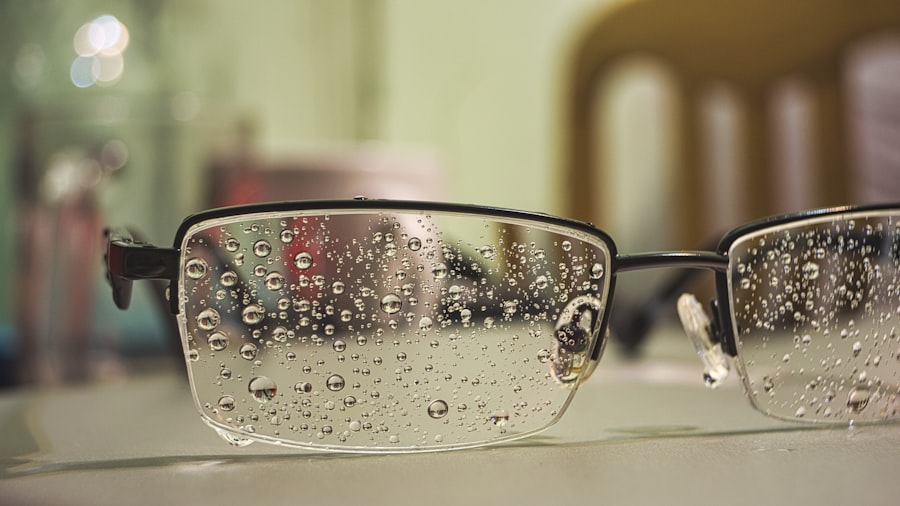
Be wary of coatings that promise the moon and stars. Hydrophobic coatings (water-repellent) and oleophobic coatings (smudge-resistant) can be helpful but often come with a premium price tag. Evaluate if the added cost justifies the marginal improvement for your needs.
Leveraging Discounts and Promotions
Actively seeking out and utilizing discounts and promotional offers can significantly reduce the final price of your glasses.
Timing Your Purchase
Certain times of the year or specific shopping events offer better deals.
Seasonal Sales and Holiday Promotions
Keep an eye out for sales around major holidays like Black Friday, Cyber Monday, Presidents’ Day, and other significant retail events. Many retailers offer substantial discounts during these periods.
End-of-Season or Clearance Sales
Optical shops, both online and physical, may have end-of-season sales to clear out older frame styles. You can often find excellent deals on perfectly good frames during these times.
Exploring Discount Programs and Vouchers
Beyond general sales, various programs and vouchers can offer further savings.
Student and Senior Discounts
If you are a student or a senior citizen, always inquire about potential discounts. Many optical providers offer specific benefits for these demographics.
Military and First Responder Discounts
Many businesses, including those in the optical industry, offer discounts as a token of appreciation for military personnel and first responders.
Eyewear Manufacturer Coupons and Rebates
Sometimes, lens manufacturers or frame brands offer direct rebates or coupons that can be applied to your purchase. Check their official websites or inquire at the point of sale.
Group Discounts or Bargaining
If you have friends or family members also looking for glasses, see if any retailers offer group discounts for multiple purchases. Even a small group can sometimes negotiate better pricing.
Employer Benefits and Health Savings Accounts (HSAs)/Flexible Spending Accounts (FSAs)
As mentioned earlier, these pre-tax savings accounts can significantly reduce your out-of-pocket expenses through tax advantages.
Maximizing Pre-Tax Dollars
Understand the annual contribution limits for your FSA or HSA and plan your eyewear purchases to take full advantage of these funds before they expire (for FSAs).
Checking Employer Offerings
Some employers may have partnerships with specific eyewear providers or offer additional vision benefits beyond standard insurance.
If you’re looking for effective ways to save money on prescription glasses, you might find it helpful to explore a related article that offers additional tips and insights. This article discusses various strategies, such as comparing prices online and utilizing discount programs, which can significantly reduce your eyewear expenses. For more information, check out this informative piece on saving money on glasses at this link. By implementing these suggestions, you can ensure that you get the best value for your vision needs without compromising on quality.
The Importance of a Good Eye Exam and Accurate Measurements
| Tip | Description |
|---|---|
| Compare Prices | Check prices at different optical stores and online retailers to find the best deal. |
| Use Insurance | Utilize vision insurance benefits to help cover the cost of prescription glasses. |
| Look for Discounts | Search for discounts, promotions, and coupons offered by optical stores and online retailers. |
| Consider Online Retailers | Explore online retailers that offer affordable prescription glasses with a wide selection. |
| Opt for Basic Frames | Choose basic frames without unnecessary features to save on the overall cost. |
While this guide focuses on saving money on the glasses themselves, neglecting the initial eye exam and accurate measurements can lead to costly mistakes and poor vision.
Investing in a Thorough Eye Exam
The eye exam is the critical first step. A comprehensive exam by a qualified optometrist or ophthalmologist is paramount.
Choosing a Reputable Eye Doctor
Don’t choose an eye doctor based solely on price. A thorough exam is essential for diagnosing any underlying eye conditions and ensuring your prescription is accurate.
Ensuring Complete Measurements
During your exam, ensure all necessary measurements are taken and recorded accurately. This includes your Pupillary Distance (PD) and, if applicable, fitting measurements for bifocals or progressives.
Requesting a Clear Prescription Copy
Always request a clear, written copy of your prescription after your exam. This document is yours to keep and use where you choose. Do not feel obligated to purchase glasses from the same practice that conducted your exam.
The Impact of Accurate Measurements on Lens Function
The best frames and lenses will not perform optimally if they are not properly fitted to your face and prescription.
Pupillary Distance (PD) for Lens Centering
As discussed earlier, an incorrect PD will result in poorly centered lenses, leading to visual distortion, eye strain, and headaches. Ensure your PD is accurately measured and provided. Always specify if you need a binocular PD (one measurement for both eyes) or monocular PDs (separate measurements for each eye). Most online retailers accept a single binocular PD.
Frame Fitting for Comfort and Optics
The optician or associate fitting your frames plays a vital role. The frames should sit comfortably on your nose and ears without pinching or slipping. Properly fitted frames ensure the optical centers of the lenses are aligned with your pupils, which is crucial for clear vision, especially with progressive lenses.
Progressive Lens Fitting Considerations
Progressive lenses have different zones for distance, intermediate, and near vision. The height of the frame and its placement on your face are critical for ensuring these zones function correctly. If purchasing online without a fitting, ensure you have accurate measurements for the optical center height or opt for frames known to have a good fit for your facial structure.
By approaching the purchase of prescription glasses with knowledge and a strategic mindset, you can effectively manage costs without compromising on the quality of your vision. Remember that investing in your vision is an investment in your overall well-being, and with these tips, you can do so responsibly and affordably.
FAQs
1. What are some ways to save money on prescription glasses?
There are several ways to save money on prescription glasses, including shopping around for the best prices, taking advantage of online retailers, using vision insurance or discount programs, and considering generic or store-brand frames and lenses.
2. How can I shop around for the best prices on prescription glasses?
You can compare prices at different optical stores, online retailers, and discount warehouses. Additionally, some retailers offer price matching, so it’s worth asking if they will match a lower price you found elsewhere.
3. Are there any online retailers that offer affordable prescription glasses?
Yes, there are several online retailers that offer affordable prescription glasses, including Warby Parker, Zenni Optical, and EyeBuyDirect. These retailers often have a wide selection of frames and lenses at lower prices than traditional brick-and-mortar stores.
4. How can vision insurance or discount programs help save money on prescription glasses?
Vision insurance can help offset the cost of prescription glasses by covering a portion of the expenses. Additionally, discount programs offered by some retailers or insurance providers can provide savings on frames, lenses, and other optical services.
5. What are some tips for saving money on frames and lenses for prescription glasses?
Consider choosing generic or store-brand frames and lenses, as they are often more affordable than designer brands. Additionally, look for promotions, sales, and clearance items at optical stores and online retailers to find discounted frames and lenses.