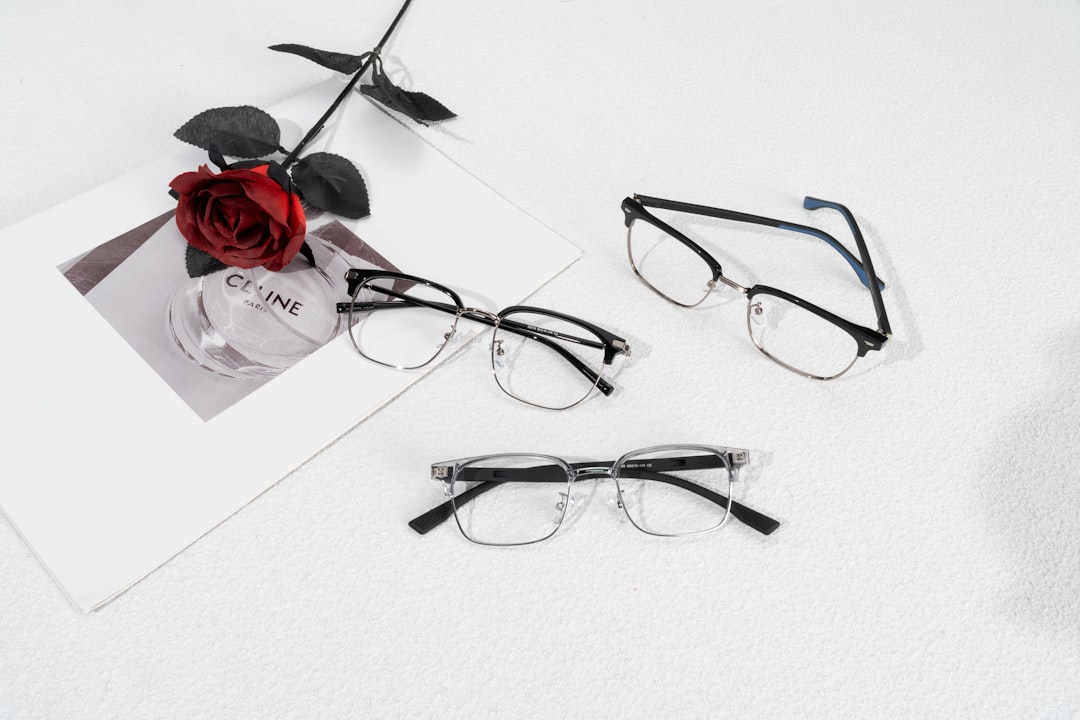
You might be perfectly content with your eyewear one moment, and the next, a tiny screw loosens, a hinge wobbles precariously, or a nose pad detaches itself. These aren’t catastrophic events, but they can certainly disrupt your vision and your day. For many, the immediate reaction is to either search for a specialist or endure the inconvenience until they can get to one. However, a well-equipped eyeglass repair kit readily available in your home can often resolve these minor, yet irritating, issues quickly and efficiently, saving you time and potential frustration. Building such a kit isn’t a complex undertaking, and the payoff in self-sufficiency and preparedness is considerable. This guide will walk you through the essential components you should consider for your own homemade eyeglass repair kit, ensuring you have the tools at your disposal when you need them most.
Before you even begin assembling your kit, it’s beneficial to understand the types of problems that commonly plague eyeglasses. Knowing these will help you appreciate why certain tools and materials are crucial for their repair. Most issues stem from the delicate nature of eyewear and the constant stress placed upon them through daily wear.
Loose Screws and Hinges
This is arguably the most frequent complaint among eyeglass wearers. The tiny screws that hold the frame components together, particularly at the hinges where the arms attach to the front of the glasses, are susceptible to loosening due to micro-vibrations from movement, resting the glasses on surfaces, or even humidity changes over time. A loose screw can cause the temple arm to droop, make the glasses feel unstable on your face, or even lead to the arm detaching completely.
- The Silent Culprit: Micro-vibrations: Think about the natural movements you make throughout the day. Even subtle actions like walking, talking, or resting your head can exert minute forces that gradually unscrew these tiny fasteners.
- Environmental Factors: Temperature and humidity fluctuations can cause the materials of your glasses (metal or plastic) to expand and contract. This subtle movement can also contribute to screws working themselves loose.
- Wear and Tear: Simply the act of putting on and taking off your glasses repeatedly puts stress on the hinge mechanism, which can also contribute to screw loosening.
Damaged or Missing Nose Pads
Nose pads are designed for comfort and to help your glasses sit correctly on your nose. They can become dislodged, crack, or wear down over time. This can lead to your glasses sliding down your nose, causing discomfort, or sitting at an angle that distorts your vision. Replacing them is often a straightforward fix if you have the right spare parts.
- The Friction Factor: The constant resting of your glasses on your nose, coupled with minor friction from clothing or hair, can cause wear and tear on the nose pads.
- Accidental Bumps and Grabs: We’ve all done it – perhaps a quick grab to adjust our glasses, or an accidental bump when taking off a jacket. These actions can sometimes dislodge or damage the delicate nose pad attachments.
- Material Degradation: Over extended periods, the plastic or silicone material of nose pads can become brittle or discolored, leading to their eventual cracking or detachment.
Bent or Misaligned Frames
Whether you’ve accidentally sat on your glasses, dropped them, or they’ve been subjected to some unexpected pressure, frames can become bent or misaligned. This can significantly impact how your glasses fit and how well they correct your vision. A slight bend might not seem like a big deal, but it can alter the optical center of your lenses in relation to your pupils.
- The “Oh No!” Moment: Accidents happen. Dropping your glasses, even from a short distance, or placing them upside down on a hard surface can result in bent temples or a warped bridge.
- Storage Sins: Improper storage is a common cause. Stuffing your glasses into a pocket or a bag without a protective case can expose them to undue pressure and bending.
- Natural Stress Points: Even without overt accidents, the constant flexing of the frame when you put them on and take them off can, over a very long time, lead to subtle, cumulative bending at stress points.
Dislodged Lenses
While less common than other issues, lenses can sometimes pop out of their frames, particularly in rimless or semi-rimless designs. This can happen due to impact or if the frame itself becomes distorted. Re-seating a lens correctly requires a bit of dexterity and the right tools to avoid damaging the lens or frame.
- Impact and Force: A direct impact to the lens area, or significant distortion of the frame, can exert enough force to dislodge the lens from its seating.
- Frame Integrity: If the frame material surrounding the lens has become brittle or cracked, it may no longer hold the lens securely.
- Improper Assembly: In some cases, if glasses have been recently repaired or reassembled, a lens might not have been seated correctly in the first place, making it prone to dislodgment.
If you’re looking to enhance your DIY skills, especially when it comes to maintaining your eyewear, you might find it helpful to explore an article that delves into the essentials of eyeglass repair kits for home use. This resource provides valuable insights into the must-have tools and materials that can help you fix minor issues with your glasses, ensuring they remain in good condition. To learn more about these essential items, check out this informative article at Eyeglass Repair Kit Essentials for Home.
The Core Components of Your Eyeglass Repair Toolkit
To effectively tackle these common issues, your eyeglass repair kit needs to be a curated collection of precision tools and essential materials. It’s about having the right implements to handle the minute details of your eyewear.
Precision Screwdrivers and Magnetic Tips
The cornerstone of any eyeglass repair kit is a set of very small, high-quality screwdrivers. Eyeglass screws are exceptionally tiny, and standard household screwdrivers are far too large and imprecise.
- Micro-Screwdriver Set: Look for a set that specifically targets eyeglass repair. These usually include flathead and Phillips head drivers with very fine tips, often in the range of 1.0mm to 2.0mm.
- Swiveling Handle: Many good sets feature a swiveling handle or a rotating cap, which allows for better control and precision when working with such small screws. This reduces the chance of slipping and damaging the frame or lens.
- Magnetic Tips (A Must-Have): This feature is invaluable. The tiny screws are prone to rolling away and disappearing into the abyss of your floor. Magnetic tips will securely hold the screw to the driver, making insertion and removal significantly easier and less anxiety-inducing.
- Variety of Tip Sizes: While a few sizes cover most situations, having a small range ensures you can match the driver precisely to the screw head for a snug fit, preventing stripping of the screw head.
- Durability and Material: Opt for drivers made from hardened steel or similar durable materials to ensure they don’t bend or wear down quickly with use.
Replacement Screws and Nuts Assortment
Even with the best tools, sometimes screws are lost entirely or become stripped beyond repair, rendering the screws themselves useless. Having a selection of replacement screws and, in some rarer cases, tiny nuts, is crucial for a complete repair.
- Assorted Eyeglass Screw Kits: These kits are readily available online or at optical shops and contain a variety of lengths and thread types commonly used in eyeglasses. They are usually organized in small compartments for easy identification.
- Consider Different Frame Materials: While most screws are metallic, some frame types might use specialized fasteners. If you have a specific type of frame (e.g., titanium), consider if a specialized screw kit might be beneficial.
- Nuts for Certain Designs: Some eyewear designs, particularly those with metal components that thread into each other, might require tiny nuts. While less common, a kit that includes a few of these can be a lifesaver.
- Storage and Organization: The provided compartments in screw kits are helpful, but a small, clear plastic container can further safeguard these tiny parts from loss and keep them organized within your main repair kit.
- Checking for Compatibility: When replacing a screw, try to match the length and thread type as closely as possible to the original. Using a screw that is too long can damage the frame or lens mount, while one that is too short won’t provide a secure hold.
Nose Pad Replacements and Adhesive
Comfort and proper fit are paramount, and detached or worn nose pads are a common culprit. Having a variety of nose pads and appropriate adhesive for attaching them is a key element.
- Variety of Nose Pad Styles: Nose pads come in different shapes (e.g., screw-in, clip-on, push-in) and materials (e.g., silicone, rubber, plastic). Having a small selection allows you to replace what’s missing or broken with a close match to the original.
- Silicone vs. Rubber: Silicone pads are generally softer and offer better grip, while rubber pads can be more durable. Consider the type of comfort and grip you prefer.
- Adhesive Options:
- Eyeglass Glue: Specifically formulated glues for eyewear are designed to be strong yet flexible. They should also be clear and non-toxic. Be cautious with the amount applied to avoid excess oozing.
- Double-Sided Adhesive Strips: For some clip-on or push-in nose pads, small, strong double-sided adhesive strips can be a convenient and effective solution. Ensure these are specifically designed for small, high-contact areas.
- Application Tools: Tweezers are essential for precisely placing the nose pads and applying adhesive. A fine-tipped applicator for the glue can also be beneficial for controlled application.
- Cleaning Solution for Preparation: Before applying new nose pads, it’s important to clean the area where the old ones were attached. A small bottle of eyeglass cleaner or isopropyl alcohol on a cotton swab can help remove residue and ensure good adhesion.
Small Pliers and Tweezers
Delicate manipulation is often required for eyeglass repairs, especially when dealing with bending metal frames, removing bits of broken material, or precisely placing small components.
- Needle-Nose Pliers: These are indispensable for gripping small screws, wires, or bent frame components. Their fine tips allow for precise control in tight spaces. Look for ones with smooth jaws to avoid scratching or damaging your glasses.
- Ceramic-Tipped Pliers: For added protection against scratching metal frames or lenses, consider pliers with ceramic tips. These are non-conductive and less likely to mar surfaces.
- Fine-Tipped Tweezers: Essential for picking up tiny screws, nose pads, or even small pieces of debris. Fine-tipped tweezers offer more precision than standard ones, allowing you to confidently handle individual components.
- Angled Tweezers: Sometimes, an angle can provide better access to a difficult-to-reach area or offer a more comfortable grip when performing delicate maneuvers.
- Multi-Tool Option: Some compact multi-tools designed for eyeglass repair might include mini-pliers and tweezers, which can be a space-saving option. However, ensure the quality and precision of these integrated tools are sufficient for your needs.
Advanced Additions for a Comprehensive Kit
While the core components will handle the majority of common issues, a few additional items can elevate your eyeglass repair kit from functional to exceptionally comprehensive, empowering you to tackle slightly more involved situations.
Lens Cleaning Supplies and Microfiber Cloths
While not strictly a repair item, keeping your lenses clean is vital for both vision and assessment during a repair. Residue or smudges can obscure the problem you’re trying to fix.
- Dedicated Lens Cleaner: A small, travel-sized bottle of reputable eyeglass lens cleaner is a must. Look for ammonia-free and alcohol-free formulas to avoid damaging lens coatings (like anti-glare or anti-scratch).
- High-Quality Microfiber Cloths: You’ll need more than one. These cloths are specifically designed to lift dirt and oils without scratching delicate lens surfaces. Keep a few in your kit, and make sure they are clean. Avoid using paper towels or regular cloths, which can cause micro-scratches.
- Importance of a Clean Workspace: Before attempting any repair that involves handling the lenses, ensure your workspace is clean, and use a microfiber cloth to gently clean the lens surface. This prevents grit from being rubbed into the lens.
- Lens Cleaning Wipes: Individually packaged lens cleaning wipes can also be convenient for on-the-go use or for quick clean-ups without the need for a spray bottle.
Frame Adjustment Tools (Heat Source and Gentle Pliers)
For minor adjustments to plastic frames, or carefully bending metal frames, you might need specific tools designed for controlled manipulation.
- Hair Dryer or Small Heat Gun: Plastic frames can be gently molded when heated. A standard hair dryer on a medium setting is usually sufficient. Avoid direct, prolonged heat, which can deform or melt the plastic. The goal is to make the frame pliable, not to melt it.
- Gentle Pliers for Metal Frames: These are distinct from the needle-nose pliers. Look for pliers with flat, smooth jaws that are designed to grip metal frame temples or bridges without leaving marks or causing damage. They are used for gentle bending and straightening.
- Safety Precautions with Heat: Always exercise extreme caution when using heat. Apply it in short bursts, and test the pliability of the frame frequently. Overheating can permanently damage your glasses.
- Understanding Frame Material: Be aware of the material of your frames. Metal frames are generally more resilient to bending and straightening than plastic frames, which can become brittle after repeated heating and bending.
Small Container of Lubricant (e.g., Silicone-Based)
In some rare cases, the hinge mechanism might feel stiff due to friction. A tiny amount of lubricant can help, but it must be the right type.
- Silicone-Based Lubricant: This is generally the safest option for eyeglass hinges. It’s non-greasy and less likely to attract dust and debris than petroleum-based lubricants.
- Application via Needle or Toothpick: Apply lubricant very sparingly, using a fine needle or a clean toothpick dipped in the lubricant. Only a tiny drop is needed. Excess lubricant can attract dirt and make the problem worse.
- Avoid Household Oils: Do not use cooking oils or other common household lubricants, as they can degrade plastic parts or attract dirt.
- When to Consider Lubrication: This is typically a last resort for a stiff hinge that isn’t due to a loose screw or a bent component. If the hinge feels excessively tight, lubrication might help, but if it’s due to internal damage, it might not be a DIY fix.
Preparing Your Workspace and Technique
Having the right tools is only half the battle. A clean, well-lit workspace and a methodical approach will significantly increase your chances of a successful repair. Rushing the process or working in a cluttered environment can lead to further damage.
Creating an Optimal Repair Environment
Think about where you’ll be performing these repairs. You need a space that minimizes the risk of losing tiny parts and allows for clear visibility.
- Good Lighting is Paramount: Natural daylight is ideal, but a desk lamp with a bright, focused beam is essential. You need to clearly see the tiny screws, hinges, and frame components you are working with.
- A Stable, Flat Surface: A table or desk is preferable to a carpeted floor. A tray or a piece of dark-colored fabric placed on the surface can help contain any dropped screws or parts, making them easier to find.
- Declutter Your Area: Remove anything that can get in the way or create a hazard. This includes loose papers, cups, or other small objects that could be mistaken for parts or could cause a dropped item to roll away.
- Ventilation (if using adhesives): If you’re using any form of glue or adhesive, ensure the area is reasonably well-ventilated to avoid inhaling fumes.
The Art of Gentle Manipulation and Patience
Eyeglasses are delicate instruments. Approaching repairs with a gentle touch and a patient mindset is crucial to avoid causing more damage than you’re trying to fix.
- Handle with Care: Always hold your eyeglasses by the frame, not the lenses. When performing repairs, grip the frame components firmly but without excessive pressure.
- Slow and Steady Movements: Avoid jerky or forceful movements. Whether you’re tightening a screw, bending a frame, or applying an adhesive, take your time.
- Don’t Force It: If a screw won’t turn easily or a part doesn’t seem to fit, don’t force it. Re-examine the situation, ensure you have the correct tool, and try again from a different angle. Forcing can strip screws, crack plastic, or bend metal beyond repair.
- Test Components Gradually: After a repair, gently test the function of the area you’ve worked on. For example, after tightening a hinge screw, carefully open and close the temple arm to ensure it moves smoothly.
- Embrace Patience as a Tool: Some repairs might take longer than you anticipate. If you find yourself becoming frustrated, step away for a few minutes. Returning with a clear head will often lead to a better outcome.
If you’re looking to keep your eyeglasses in top shape at home, it’s essential to have a reliable eyeglass repair kit. This kit should include items like a screwdriver, replacement screws, and a cleaning cloth. For more tips on maintaining your eyewear, you might find this related article helpful, which discusses various home repair essentials that can save you time and money. Check it out here for more insights on how to care for your glasses effectively.
When to Seek Professional Help
| Essential Item | Description |
|---|---|
| Screwdriver | For tightening or adjusting screws on eyeglasses |
| Nose pads | Replacement nose pads for comfort |
| Microfiber cloth | For cleaning lenses without scratching |
| Extra screws | Replacement screws for lost or damaged ones |
| Nose pad arm grips | For securing nose pads in place |
Despite having a comprehensive kit and employing the best techniques, there will be instances where a repair is beyond the scope of a home kit. Recognizing these limitations is a sign of responsible ownership and can save you further expense and disappointment.
Complex Frame Damage
While your kit can handle minor bends and misalignments, significant structural damage to a frame may require specialized expertise.
- Cracked or Broken Frame Arms: If a temple arm has completely snapped or has a large crack near the hinge, it often requires professional repair or replacement of the entire arm.
- Severely Warped Acetate or Plastic Frames: While minor heat adjustments can be made at home, drastic warping can weaken the plastic and compromise the structural integrity of the frame if not handled by an expert with specialized heating and molding equipment.
- Damage to Integrated Hinges: Some modern frames have very complex, integrated hinge systems that are not designed for user repair. Attempting to dismantle these can cause irreparable harm.
Lens Issues Beyond Simple Seating
Your kit can help re-seat a lens that has popped out, but it’s not designed for more involved lens problems.
- Scratched or Damaged Lenses: Home kits are not equipped to polish out scratches or repair chips on lenses. This requires professional lens servicing or replacement.
- Dislodged Lenses in Rimless or Drill-Mount Frames: While you might be able to re-seat these with extreme care and the right tools, the delicate nature of the drill holes or mounting points can easily lead to further damage if not handled by an optician.
- Optical Alignment Issues: If your glasses have been significantly bent and you suspect the optical alignment of the lenses has been affected, only an optician can properly measure and adjust them to ensure optimal vision correction.
Unfamiliar or Intricate Frame Designs
Some high-end or specialty eyewear designs might feature unique materials, complex mechanisms, or proprietary fastening systems that are not compatible with standard repair tools.
- Proprietary Screw Systems: Manufacturers sometimes use unique screw heads or locking mechanisms that require specialized tools not found in generic eyeglass repair kits.
- Delicate Materials (e.g., Thin Titanium, Specialty Alloys): While your kit might have tools for metal, working with extremely thin or specialized metal frames can require a lighter touch and specific bending techniques that an optician has mastered.
- Integrated Components: Frames where components are ultrasonically welded or permanently bonded are not designed for disassembly and repair at home.
By understanding the limitations of your home eyeglass repair kit and knowing when to consult a professional, you ensure your eyewear remains in optimal condition, providing you with clear and comfortable vision for years to come.
FAQs
What are the essential items in an eyeglass repair kit for home?
An eyeglass repair kit for home should include items such as precision screwdrivers, replacement screws, nose pads, cleaning cloth, and a magnifying glass.
How can I use a precision screwdriver for eyeglass repair?
A precision screwdriver is used to tighten or replace screws on eyeglasses. It is important to use the correct size screwdriver to avoid damaging the screws.
What are replacement screws used for in an eyeglass repair kit?
Replacement screws are used to replace missing or damaged screws on eyeglasses. They come in different sizes to fit various types of eyeglass frames.
Why are nose pads included in an eyeglass repair kit?
Nose pads are included in an eyeglass repair kit to replace worn or missing nose pads on eyeglasses. They provide comfort and support for the glasses on the nose.
How can a magnifying glass be helpful in eyeglass repair?
A magnifying glass can be helpful in eyeglass repair by providing a closer and clearer view of small parts and details, making it easier to work on intricate repairs.