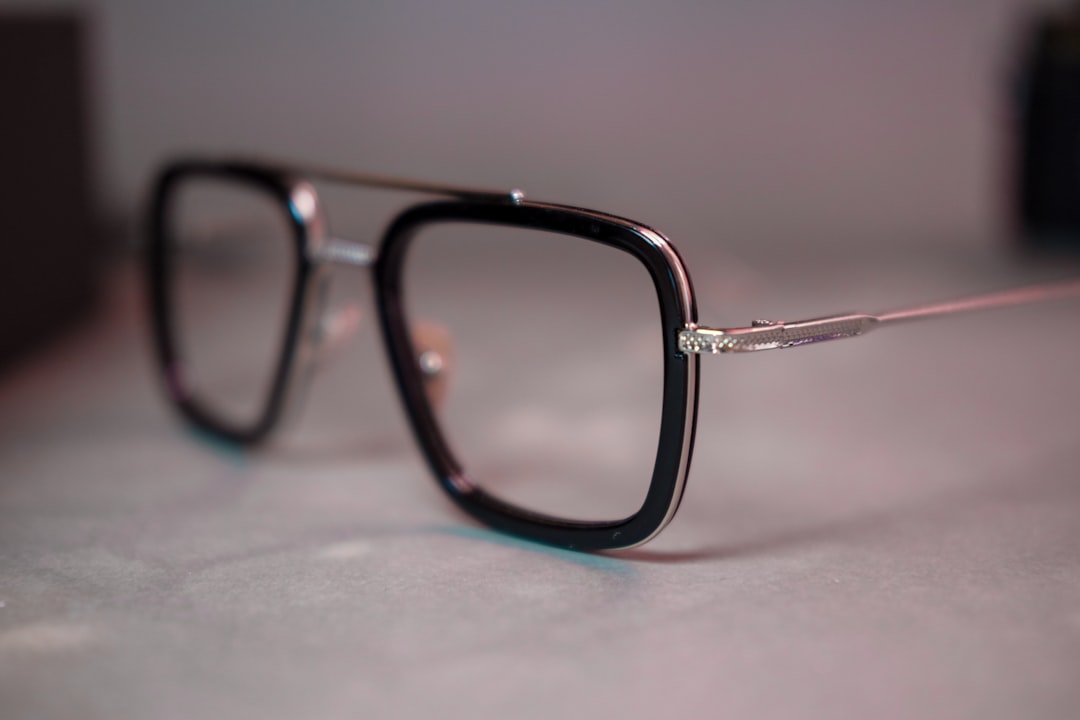
You wear glasses. They are essential to how you perceive the world, a tool that sharpens your vision and allows you to function effectively. Yet, they are also a magnet for smudges, dust, and fingerprints, obscuring that clarity you rely on. Keeping them clean isn’t just about aesthetics; it’s about maintaining optimal visual performance and preventing potential damage to their delicate surfaces. This guide focuses on gentle, effective methods to ensure your eyewear remains pristine without compromising its integrity.
Your eyeglasses are composed of several components, each susceptible to different types of dirt and requiring specific care. The lenses themselves, often coated with specialized films, are particularly vulnerable. The frames, made from various materials, also accumulate grime and can require distinct cleaning approaches.
The Nature of Lens Coatings
Modern eyeglass lenses are rarely just plain glass or plastic. They are frequently treated with a range of coatings designed to enhance their functionality and durability. These can include:
- Anti-reflective (AR) coatings: These reduce glare from light sources, improving visual clarity and reducing eye strain. However, AR coatings are notoriously delicate and can be easily damaged by abrasive materials or harsh chemicals.
- Scratch-resistant coatings: These add a layer of protection against minor abrasions. While they help, they are not impervious to damage, and improper cleaning can still lead to micro-scratches that accumulate over time.
- Hydrophobic and oleophobic coatings: These repel water and oils, respectively. They make lenses easier to clean by preventing water spots and reducing the adhesion of fingerprints. However, these coatings can also be degraded by certain cleaning agents.
- UV protective coatings: These block harmful ultraviolet rays. Their effectiveness is generally not impacted by cleaning, but the lens material beneath them can be affected by damage.
The presence of these coatings means that a one-size-fits-all approach to cleaning can be counterproductive. You need to be mindful of what you’re applying to your lenses.
Frame Materials and Their Cleaning Needs
The frames of your glasses are not merely structural; they are a direct contact point with your skin and hair, making them prone to oil buildup, sweat, and residue from cosmetics or hair products. The cleaning method will depend heavily on the material:
- Acetate and Zyl: These plastics are common in fashion-forward frames. They are durable but can be susceptible to discoloration or warping from excessive heat or harsh chemicals. Gentle soap and water are typically sufficient.
- Metal Alloys (Titanium, Stainless Steel, Monel): These materials are generally robust. However, some metal frames may have finishes or plating that can be affected by abrasive cleaners. They can also accumulate residue in crevices.
- Nylon and TR-90: These flexible plastics are often found in sport or children’s eyewear. They are very durable but can sometimes attract oils.
- Wood and Natural Materials: Frames made from these materials require specialized care. Water and certain soaps can cause them to swell, warp, or lose their finish. Specific wood polishes or dedicated cleaners are usually recommended.
- Rubberized or Silicone Nose Pads: These often absorb oils and can become sticky or discolored. They require regular cleaning to maintain their grip and hygiene.
Understanding the material composition of both your lenses and frames will guide you toward the most appropriate and gentle cleaning techniques.
If you’re looking for effective ways to clean your glasses without scratching the lenses, you might find this article helpful: How to Clean Glasses Without Scratching. It provides practical tips and techniques to ensure your eyewear remains clear and scratch-free, enhancing both your vision and the longevity of your glasses.
The Foundation: Essential Tools and Preparations
Before you even think about touching your glasses with a cleaning cloth, it’s crucial to have the right tools and to prepare your workspace. This initial step is as vital as the cleaning itself.
Gathering Your Cleaning Arsenal
You don’t need a vast array of specialized products. The most effective tools are often simple and readily available.
- Microfiber Cloths: These are your primary weapon against smudges. Invest in high-quality, lint-free microfiber cloths specifically designed for cleaning lenses. Avoid paper towels, napkins, or rough fabrics, as these can scratch your lenses. Ensure your microfiber cloths are clean; a dirty cloth will only transfer grit.
- Mild Dish Soap: A small amount of gentle, dye-free, and fragrance-free dish soap is your best friend for tackling oily residues. Choose a brand that is known for being mild. Avoid soaps with added moisturizers, antibacterial agents, or harsh degreasers, as these can degrade lens coatings.
- Lukewarm Water: Tap water is generally suitable, but it should be lukewarm, not hot. Extreme temperatures can stress certain frame materials and lens coatings.
- Eyeglass Cleaning Solution (Optional but Recommended): Pre-made eyeglass cleaning solutions are formulated to be safe for most lens coatings. Look for alcohol-free and ammonia-free solutions. These are convenient when you’re on the go, but a DIY solution can be just as effective.
- Cotton Swabs: Useful for cleaning in tight spots, like around nose pads or hinge areas.
- Soft Brush (for frames): A very soft-bristled brush, like a clean makeup brush or a dedicated eyeglass brush, can help dislodge dust and debris from frame crevices.
Pre-Cleaning Ritual: Removing Loosely Adhered Debris
This is a crucial step that many overlook. Attempting to clean a lens with visible dust or grit on it is akin to using sandpaper.
- Rinse with Water: Before applying any soap or cleaner, thoroughly rinse your glasses under a gentle stream of lukewarm tap water. This will wash away any loose particles of dust, sand, or other abrasive debris. Hold the glasses by the frame and let the water flow over the lenses.
- Gentle Shaking: After rinsing, gently shake your glasses to remove excess water. Avoid wiping them with a towel at this stage, as this could reintroduce lint or dust.
By diligently performing this pre-cleaning step, you significantly reduce the risk of scratching your lenses during the subsequent cleaning process.
The Gentle Wash: Soap and Water Method
This is the most recommended and safest method for everyday cleaning. It effectively removes oils, smudges, and general grime without resorting to harsh chemicals.
Step-by-Step Washing Procedure
The process is straightforward, but attention to detail is key for optimal results.
- Apply a Small Amount of Dish Soap: Place a single drop of mild dish soap on the tip of your finger. Gently rub it between your fingers to spread it thinly.
- Lather the Lenses and Frames: Lightly spread the soapy water over the entire surface of both lenses, front and back. Gently work it into the frames as well, paying attention to areas where dirt accumulates. Use your fingertips to create a light lather.
- Rinse Thoroughly: Under a stream of lukewarm water, rinse all traces of soap from the lenses and frames. Ensure no soapy residue remains, as this can leave streaks.
- Shake Off Excess Water: Gently shake the glasses to remove as much water as possible.
This method effectively loosens and lifts oils and grime, preparing your glasses for the drying and polishing stage.
Drying and Polishing: Achieving Streak-Free Clarity
Once washed, proper drying and polishing are essential to prevent water spots and achieve that crystal-clear finish.
The Art of Microfiber Drying
The microfiber cloth is your designated tool for this critical step.
- Use a Clean Microfiber Cloth: Ensure the cloth you use for drying is clean and free of any lint or grit. If your cloth is dirty, it will undo all your efforts and potentially scratch your lenses.
- Gentle Wiping Motion: Begin by gently blotting the lenses and frames with the microfiber cloth to absorb excess water. Then, use a soft, circular motion to dry the lenses thoroughly.
- Address the Frames: Don’t forget to dry the frames themselves. Pay attention to crevices and around the nose pads.
If, after drying, you notice any lingering smudges or streaks, it might be time to repurchase your microfiber cloths. They lose their effectiveness over time.
Dealing with Stubborn Smudges
Sometimes, even the most diligent wash and dry won’t completely eliminate every smudge. If you encounter a particularly persistent spot:
- Re-wash: Sometimes, a second, quick wash with soap and water is all that’s needed.
- Eyeglass Cleaner Application: If re-washing doesn’t suffice, you can apply a small amount of your alcohol-free eyeglass cleaner. Spray it onto the lens (not directly onto the frame, as some solutions can affect certain frame materials) and then gently wipe with a clean microfiber cloth.
The key is to avoid excessive pressure and to ensure you’re using appropriate cleaning agents.
If you’re looking for effective ways to clean your glasses without scratching the lenses, it’s essential to use the right techniques and materials. Many people overlook the importance of using a microfiber cloth and a gentle cleaning solution. For more tips on maintaining your eyewear, you can check out this informative article on cleaning glasses that provides additional insights and methods to keep your lenses in pristine condition.
Beyond the Daily Clean: Deeper Cleaning and Maintenance
| Method | Effectiveness | Scratch Risk |
|---|---|---|
| Microfiber cloth | High | Low |
| Mild soap and water | Medium | Low |
| Vinegar and water solution | Medium | Low |
| Commercial eyeglass cleaner | High | Low |
While daily washing is crucial, there are times when your glasses might require a more thorough cleaning or specific maintenance interventions.
Tackling Residue in Difficult Areas
Nose pads and hinge areas are notorious for trapping dirt and oil.
- Cotton Swabs and Warm Water: For nose pads, dip a cotton swab in lukewarm water and gently scrub the area. You can also use a tiny amount of diluted mild dish soap. Rinse thoroughly with water and dry with a microfiber cloth.
- Hinge Care: If the hinges feel stiff or gritty, you can use a slightly damp cotton swab to clean around them. Avoid using lubricants or oils unless specifically recommended by your optician, as these can attract dust.
Regular attention to these details can prevent buildup and prolong the life of your frames.
Considering Professional Cleaning and Adjustments
For significant grime, frame damage, or if you’re unsure about a cleaning method, professional help is beneficial.
- Optical Shop Cleaning: Most opticians offer complimentary ultrasonic cleaning for your eyeglasses. This method uses ultrasonic vibrations in a specialized cleaning solution to dislodge even the most stubborn dirt and grime from every nook and cranny. It’s a highly effective and safe way to deep clean your glasses.
- Frame Adjustments: Over time, your glasses can lose their fit due to wear, heat exposure, or accidental drops. Your optician can expertly adjust the frames to ensure they sit correctly on your face, which is vital for both comfort and proper visual alignment. Attempting to adjust frames yourself can lead to damage.
Don’t hesitate to visit your optician for these services, especially if you have high-end or particularly delicate eyewear.
What to Avoid: Common Cleaning Pitfalls
Knowing what not to do is as important as knowing what to do. Several common practices can inadvertently damage your eyeglasses, leading to premature wear and tear.
Substances to Steer Clear Of
The temptation to use household cleaners or readily available items may be strong, but these can cause irreversible damage.
- Rubbing Alcohol and Ammonia-Based Cleaners: These are harsh chemicals that can strip away anti-reflective and other protective coatings on your lenses, leaving them dull and susceptible to scratches.
- Window Cleaners (e.g., Windex): Many window cleaners contain ammonia or other harsh chemicals specifically designed for glass, not for the delicate coatings on your eyeglass lenses.
- Acetone and Nail Polish Remover: These are strong solvents that can dissolve certain plastics and finishes, severely damaging your frames and potentially your lenses.
- Paper Towels, Tissues, and Rough Cloths: As mentioned, these can act like fine sandpaper, creating microscopic scratches that accumulate over time, reducing lens clarity and distorting vision.
- Saliva: While it might seem like a readily available lubricant, your saliva contains enzymes and impurities that can leave streaks and potentially degrade coatings.
- Heat: Avoid exposing your glasses to excessive heat, such as leaving them on a car dashboard in direct sunlight or using hot water for cleaning. Heat can warp plastic frames and damage lens coatings.
By understanding these prohibitions, you can actively protect your investment in clear vision.
The Dangers of Abrasive Cleaning Techniques
Beyond the substances you use, the way you clean can also be detrimental.
- Excessive Pressure: Scrubbing your lenses with too much force, even with a microfiber cloth, can push grit into the lens surface, causing scratches, or stress delicate frame materials.
- Ignoring the Pre-Rinse: This is the most common and damaging mistake. Always rinse your glasses thoroughly before wiping.
- Using Dirty Cleaning Cloths: A microfiber cloth that has collected dirt and dust from previous cleaning sessions becomes an abrasive tool in itself. Wash your microfiber cloths regularly.
Maintaining a gentle approach throughout the cleaning process is paramount for preserving the integrity and longevity of your eyeglasses. Your vision is important, and taking mindful steps to care for your eyewear will ensure it continues to serve you well.
FAQs
1. What is the best way to clean glasses without scratching them?
To clean glasses without scratching them, it is best to use a mild soap and water solution. Avoid using harsh chemicals or abrasive materials that can cause scratches on the lenses.
2. Can I use a paper towel or tissue to clean my glasses?
It is not recommended to use paper towels or tissues to clean glasses, as they can leave behind tiny fibers that can scratch the lenses. Instead, use a microfiber cloth specifically designed for cleaning glasses.
3. Is it safe to clean glasses with household cleaning products like Windex or vinegar?
Household cleaning products like Windex or vinegar can be too harsh for glasses and may damage the lenses or coatings. It is best to stick to using a mild soap and water solution or a specialized eyeglass cleaner.
4. How should I dry my glasses after cleaning them?
After cleaning your glasses, it is best to gently pat them dry with a clean, lint-free cloth. Avoid using tissues, paper towels, or clothing to dry your glasses, as they can leave behind lint and scratches.
5. Are there any other tips for preventing scratches on glasses?
To prevent scratches on your glasses, always store them in a protective case when not in use, and avoid placing them lens-side down on hard surfaces. Regularly clean your glasses with a microfiber cloth to remove dust and debris that can cause scratches.