You’ve decided it’s time for a thorough eye exam. Perhaps you’re experiencing new vision changes, or it’s simply been too long since your last check-up. Whatever the reason, you understand the importance of your vision and the need for expert care. Now comes the crucial step: finding a trusted independent eye doctor. This isn’t a decision to be rushed or taken lightly. The right eye care professional will not only assess your vision and prescribe corrective lenses if needed, but they will also be a vital partner in preserving your long-term ocular health.
This guide will walk you through the process of identifying an independent eye doctor who is right for you. We’ll explore what ‘independent’ truly means in this context, why it can be beneficial, and the practical steps you can take to make an informed choice.
Before you begin your search, it’s helpful to understand the different types of eye care providers you might encounter. This distinction is crucial because it can influence the scope of services offered, the doctor’s professional affiliations, and how they approach patient care.
Optometrists (ODs)
Optometrists are primary vision care providers who are trained to examine the eyes for vision defects and diseases. They can diagnose and treat a wide range of common eye conditions, prescribe medications for certain eye diseases, and fit contact lenses and eyeglasses. Optometrists are not medical doctors, meaning they do not perform surgery, but many have advanced training in specific areas.
Ophthalmologists (MDs or DOs)
Ophthalmologists are medical doctors who specialize in eye and vision care. They are trained to perform eye exams, diagnose and treat eye diseases, prescribe medications, and perform eye surgery. Ophthalmologists can also prescribe eyeglasses and contact lenses. They often handle more complex or serious eye conditions and surgical interventions.
Opticians
Opticians are specialists who design, fit, and dispense eyeglasses and contact lenses based on prescriptions from optometrists or ophthalmologists. They are not trained to diagnose or treat eye diseases. Their expertise lies in understanding lens materials, frame styles, and ensuring a proper fit for optimal vision and comfort.
Finding a trusted independent eye doctor is essential for ensuring the health of your vision. To assist you in this process, you may want to read a related article that provides valuable insights and tips on selecting the right eye care professional for your needs. For more information, check out this helpful resource: How to Find a Trusted Independent Eye Doctor. This article outlines key factors to consider, such as credentials, patient reviews, and the importance of personalized care.
What ‘Independent’ Truly Means in Eye Care
The term “independent” in the context of an eye doctor refers to their practice structure. An independent eye doctor typically owns or is a partner in their practice, rather than being an employee of a large corporate chain or a hospital system. This independence has several implications that can be important for your care.
Ownership and Autonomy in Practice
When you see an independent eye doctor, you are often interacting with a professional who has chosen the structure of their practice. This ownership implies a degree of autonomy in how they operate, from the technology they invest in to the types of products they offer. They are not beholden to corporate mandates that might prioritize sales targets over individual patient needs.
Implications for Technology and Equipment
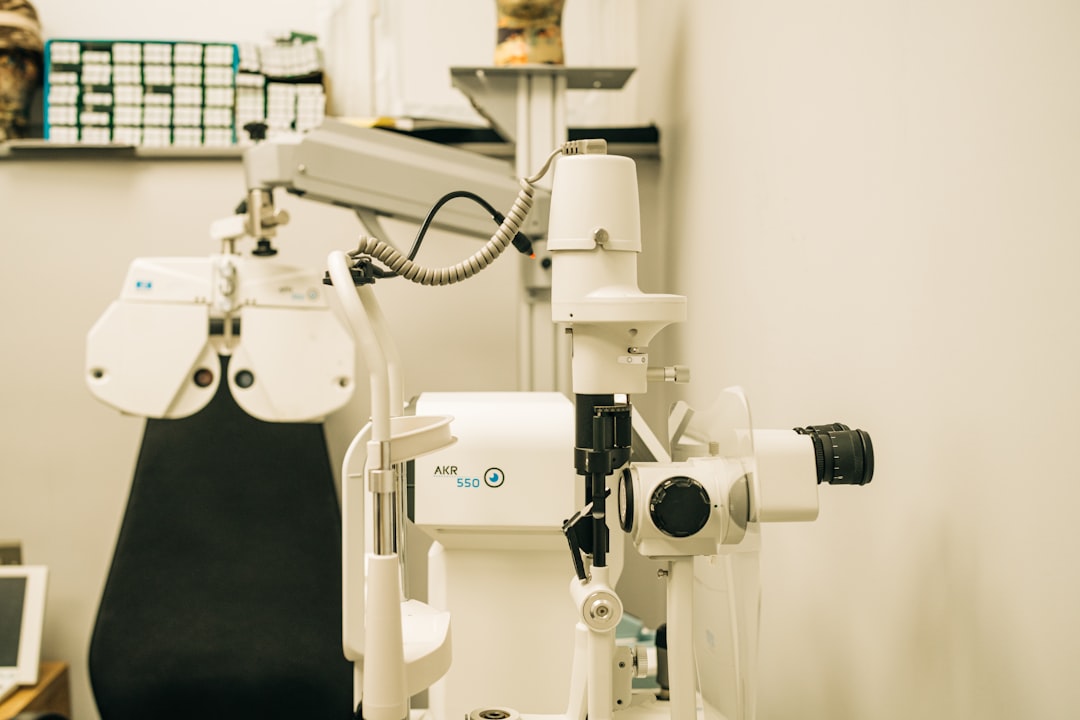
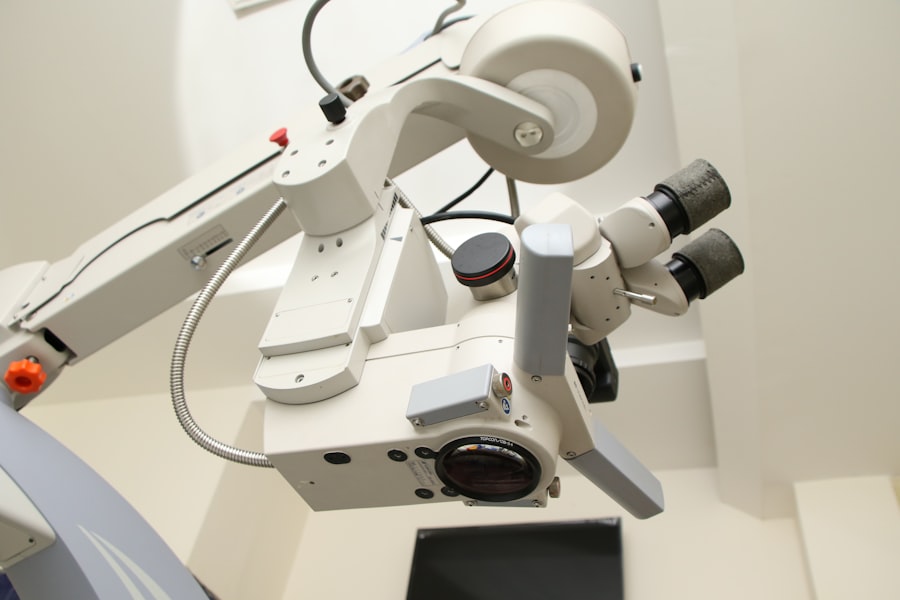
Independent practices can often invest in the latest diagnostic equipment without needing to justify such expenditures to a corporate board. This means they might have access to advanced imaging systems for the retina, sophisticated visual field testing machines, or specialized equipment for assessing dry eye. This commitment to cutting-edge technology can lead to earlier and more accurate diagnoses. Conversely, corporate settings might have standardized equipment across all their locations, which might not always be the most advanced or specialized. You’ll want to subtly inquire about their equipment and see if it aligns with your expectations for a comprehensive exam.
Product Selection and Prescription Freedom
An independent doctor is generally free to choose the range of lens materials, frame brands, and contact lenses they offer. This allows them to curate a selection that they believe offers the best quality, performance, and value for their patients. They are not tied to specific vendors or brands dictated by corporate purchasing agreements. This can be particularly relevant when it comes to contact lenses or specialty eyewear, where a wider selection might be available from an independent provider. For eyeglass prescriptions, their freedom of choice in frame brands and lens types can offer you a broader spectrum of options tailored to your lifestyle and aesthetic preferences.
Patient-Centered Approach Versus Sales-Driven Goals
The primary motivation of an independent practice is typically the health and well-being of their patients. While they are a business and need to be profitable, the emphasis is usually on providing the best possible care and building long-term relationships. This contrasts with some corporate eye care settings where there can be subtle or overt pressure to increase sales of glasses, contacts, or designer frames.
Building Lasting Relationships
Independent doctors often see themselves as long-term partners in your eye health journey. They are more likely to remember you, your history, and your specific needs from one visit to the next. This continuity of care can be invaluable, especially if you have chronic eye conditions that require ongoing management. You are less likely to be just another appointment slot.
Focus on Medical Necessity
In an independent setting, the focus is generally on what is medically necessary for your vision and eye health. This means they are less likely to push unnecessary upgrades or add-ons. Their recommendations will be based on your specific examination findings and your individual requirements, rather than on a predetermined sales quota. For instance, if you don’t need specialized coatings on your lenses, an independent doctor is less likely to pressure you into purchasing them.
Methods for Finding an Independent Eye Doctor
Now that you understand the benefits of an independent practice, let’s explore practical strategies for locating a suitable professional. Your search should be thorough and consider various sources of information.
Harnessing the Power of Referrals
Personal recommendations are often the most reliable way to find a trusted professional. Ask people you know and respect for their experiences.
Friends, Family, and Colleagues
Reach out to your network. Ask friends, family members, and trusted colleagues if they have an independent eye doctor they highly recommend. Inquire about their experiences with the doctor’s bedside manner, the thoroughness of the exams, and the overall practice experience. Pay attention to why they specifically recommend this individual; is it their communication style, their diagnostic skills, or the ease of scheduling?
Other Healthcare Providers
Your primary care physician, chiropractor, or other healthcare providers may have recommendations. They often have professional relationships with specialists and can steer you toward practitioners they trust. A doctor who is willing to refer you to an independent practitioner for your eye care suggests they value quality and perhaps a more personalized approach. It’s worth asking your current doctor if they have any eye care professionals they regularly refer patients to, and then probing further if that practice is independent.
Utilizing Online Resources and Directories
The internet can be a valuable tool, but it requires discernment. Look for directories that specifically highlight independent practices.
Professional Association Websites
Optometric or ophthalmological associations often have directories of their members. Some of these directories allow you to filter by practice type. Look for organizations like the American Optometric Association (AOA) or the American Academy of Ophthalmology (AAO). These sites are generally a good starting point for finding licensed professionals in your area.
Independent Practice Networks and Alliances
Some organizations are specifically dedicated to supporting independent eye care practices. They may have searchable databases of member practices. Searching for terms like “independent optometry alliance” or “optometric association members” can lead you to these resources. These networks often have a vested interest in maintaining high standards among their members.
Online Review Platforms (with Caution)
While online reviews can offer insights, approach them with a critical eye. Look for patterns in feedback rather than focusing on isolated extreme reviews. Pay attention to comments that specifically mention the doctor’s thoroughness, communication skills, and the professionalism of the staff in an independent practice. Be wary of reviews that seem overly promotional or consistently negative without specific constructive criticism. Consider what aspects of the practice are being praised or criticized.
Evaluating Potential Doctors and Practices
Once you have a shortlist of potential independent eye doctors, it’s time to dig deeper and evaluate them more thoroughly. This phase involves research and perhaps an initial contact.
Researching Credentials and Specializations
Understanding a doctor’s qualifications and areas of expertise is fundamental to choosing the right care.
Board Certification and Licensing
Ensure the doctor is properly licensed in your state and, if applicable, board-certified. This information is usually available on state licensing board websites. Board certification indicates a higher level of expertise and commitment to the profession. For optometrists, look for their Doctor of Optometry (OD) degree. For ophthalmologists, it will be an MD or DO degree followed by their ophthalmic specialization.
Areas of Special Interest or Expertise
Many eye doctors develop specialties or have particular interests within optometry or ophthalmology. This could include dry eye disease, glaucoma management, pediatric eye care, myopia control, vision therapy, or fitting specialty contact lenses. If you have a specific concern, look for a doctor who has indicated experience or advanced training in that area. Websites often list these interests.
Assessing the Practice Environment
The environment of the practice can significantly impact your experience.
The Practice Website
A well-maintained, informative website can be a good indicator of a professional practice. Look for details about the doctors, the services offered, the technology used, and patient testimonials. A website that clearly states their commitment to independent practice can be a positive sign.
Online Presence and Accessibility
Beyond their website, consider their presence on professional networks or their engagement with relevant health information. Are they easy to contact? Does their online presence reflect a genuine commitment to patient care and not just a sales pitch?
Initial Communication and Scheduling Process
Your first interaction with the office staff can offer valuable clues. Are they friendly, knowledgeable, and helpful? Is the scheduling process straightforward? Are they able to answer basic questions about the practice being independent and their general approach to care?
Finding a trusted independent eye doctor can be a daunting task, but there are several resources available to help you make an informed decision. One useful article that provides insights on this topic is how to choose the right eye care professional. This guide offers tips on what to look for in an eye doctor, including credentials, patient reviews, and the importance of personalized care. By following these recommendations, you can ensure that you select a qualified practitioner who meets your specific vision needs.
Conducting the Initial Consultation and Examination
| Factors to Consider | Importance |
|---|---|
| Qualifications and Credentials | High |
| Experience and Reputation | High |
| Referrals and Recommendations | High |
| Online Reviews | Medium |
| Insurance Coverage | Medium |
| Location and Accessibility | Medium |
| Range of Services Offered | Low |
The examination itself is your opportunity to assess the doctor’s approach and the quality of the care you receive. Be an active participant in your own health.
The Importance of a Comprehensive Eye Exam
A comprehensive eye exam goes far beyond simply checking your vision to see if you need glasses. It’s a thorough assessment of your overall eye health.
Vision Testing and Refraction
This is the part most people associate with an eye exam – determining your prescription for eyeglasses or contact lenses. However, it’s just one component.
Ocular Health Assessment
This is where the doctor checks for any underlying diseases or conditions that could affect your vision or eye health. This includes checking for:
- Glaucoma: A condition that damages the optic nerve, often with no early symptoms.
- Cataracts: Clouding of the lens of the eye.
- Macular Degeneration: A leading cause of vision loss in older adults.
- Diabetic Retinopathy: Damage to the blood vessels in the retina caused by diabetes.
- Dry Eye Disease: A common condition that can cause discomfort and blurred vision.
- Other conditions: Such as infections, inflammation, or structural abnormalities.
Internal and External Eye Examination
The doctor will use specialized instruments to examine the front and back of your eyes. This includes:
- Slit Lamp Examination: A microscope with a bright light to examine the eyelids, cornea, iris, lens, and anterior chamber.
- Ophthalmoscopy (Funduscopy): Examination of the retina, optic nerve, and blood vessels at the back of the eye. This is often done with dilating drops to get a better view.
- Intraocular Pressure Measurement (Tonometry): To screen for glaucoma.
Observing the Doctor’s Professionalism and Communication
Your interaction with the doctor is a critical part of the evaluation.
Bedside Manner and Clarity of Explanation
Does the doctor listen to your concerns attentively? Do they explain their findings in a way you can understand? Do they use jargon unnecessarily, or do they take the time to clarify any complex medical terms? A good doctor will make you feel comfortable and empowered with information.
Thoroughness and Unhurried Approach
Does the doctor seem rushed, or do they take the time to complete all necessary tests and answer your questions fully? A comprehensive exam should not feel like a quick in-and-out process. Pay attention to whether they seem genuinely interested in your visual health.
Discussion of Findings and Recommendations
After the exam, the doctor should clearly discuss their findings with you. This includes any vision issues, potential health concerns, and recommended next steps. They should be open to your questions and provide you with options for treatment or management.
Interaction with Staff
Observe how the doctor interacts with their staff and how the staff interacts with each other. A well-functioning team usually reflects a well-managed practice. Are the staff members professional, courteous, and knowledgeable?
Making Your Final Decision and Ongoing Care
Once you’ve had your examination, you’ll need to synthesize your experience and decide if this is the right ongoing provider for your needs.
Assessing the Overall Practice Experience
Beyond the doctor’s direct interaction, consider the entire practice.
Office Efficiency and Organization
Was the office clean and well-organized? Was the check-in and check-out process smooth? Were appointments kept on schedule, or were there significant delays?
Availability for Follow-Up and Emergencies
Understand how the practice handles follow-up appointments or urgent situations. What is their policy for contacting the doctor outside of regular hours if an issue arises? This is a crucial aspect of continuous care.
Investment in Patient Education
Does the practice provide educational materials or resources that can help you understand your eye health better? This can include pamphlets, website articles, or recommendations for reputable sources of information.
Establishing a Long-Term Doctor-Patient Relationship
Finding a trusted independent eye doctor is not a one-time event; it’s the beginning of a relationship.
Regular Check-ups and Maintenance
Commit to attending your recommended regular eye exams. This allows the doctor to monitor your vision and eye health over time, detecting changes and addressing them proactively. Consistency is key to preserving your vision.
Open Communication about Changes in Vision or Health
Don’t hesitate to contact your eye doctor if you experience any new vision symptoms, discomfort, or notice any changes. Prompt communication can lead to quicker diagnosis and more effective treatment. Even minor changes can sometimes indicate underlying issues.
Advocating for Your Own Eye Health
You are the primary advocate for your own health. Be informed, ask questions, and ensure you understand your diagnosis and treatment plan. A trusted independent eye doctor will welcome your engagement and empower you to take an active role in managing your vision. By following these steps, you can confidently navigate the process of finding an independent eye doctor who will be a valuable partner in protecting your precious sight for years to come.
FAQs
1. What is an independent eye doctor?
An independent eye doctor is a professional optometrist or ophthalmologist who operates their own practice separate from large corporate chains or retail establishments.
2. How can I find a trusted independent eye doctor?
You can find a trusted independent eye doctor by asking for recommendations from friends and family, checking online reviews, and verifying their credentials and experience through professional organizations such as the American Optometric Association or the American Academy of Ophthalmology.
3. What should I look for when choosing an independent eye doctor?
When choosing an independent eye doctor, look for qualifications, experience, a good bedside manner, and a clean and well-equipped office. It’s also important to ensure that the doctor accepts your insurance and offers the services you need.
4. What are the benefits of seeing an independent eye doctor?
Seeing an independent eye doctor can provide personalized care, a more intimate and comfortable setting, and a focus on patient satisfaction rather than corporate sales goals. Independent eye doctors often have more flexibility in their practice and can offer a wider range of services.
5. How often should I see an independent eye doctor for an eye exam?
It is recommended to see an independent eye doctor for a comprehensive eye exam at least once a year, or more frequently if you have specific eye health concerns or risk factors. Regular eye exams are important for maintaining good vision and detecting potential eye diseases early.