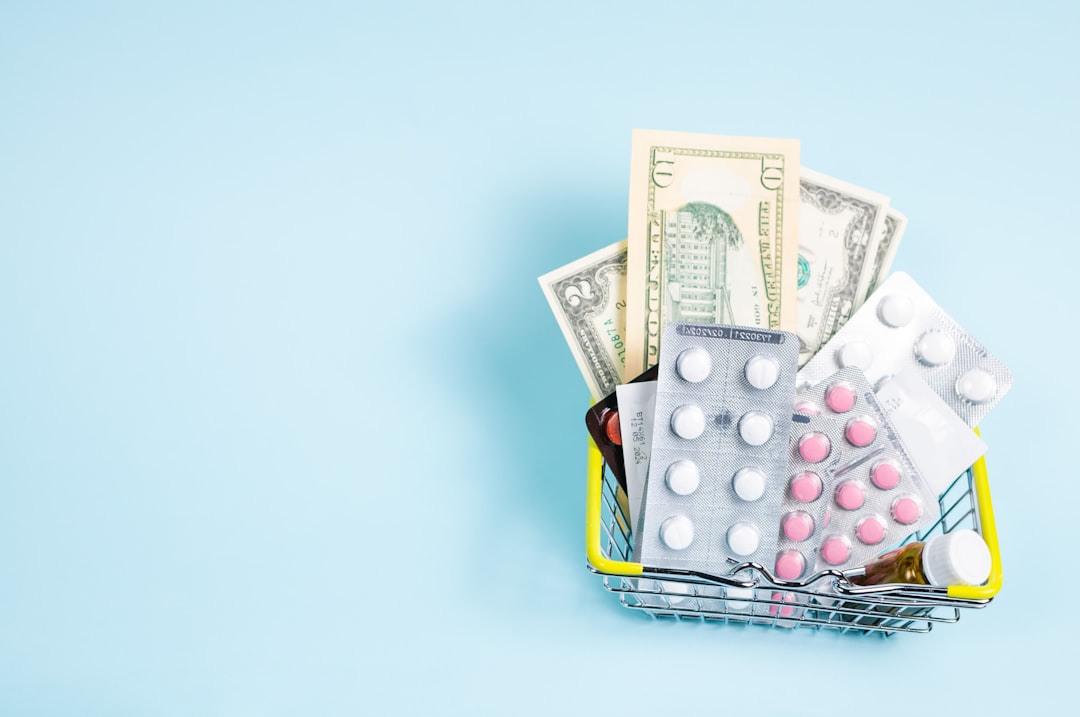
You might picture pharmaceutical companies as titans of innovation, diligently working to improve your health. And in many ways, that’s true. They develop life-saving drugs, invest heavily in research and development, and bring treatments to market that can profoundly impact your well-being. However, like any massive enterprise, the pharmaceutical industry faces scrutiny when its actions fall short of ethical or legal standards. When they do, regulators often impose fines. But you may wonder, are these fines truly effective? Do they act as a stern hand guiding these giants back to the straight and narrow, or are they merely the cost of doing business, a minor ripple in the vast ocean of their profits?
You’ll often hear about significant fines levied against pharmaceutical companies for various transgressions, from misleading marketing to price gouging, or even withholding crucial data. These fines are intended to serve as a deterrent, a financial sting designed to make companies think twice before engaging in harmful practices. However, a closer examination reveals that the effectiveness of these fines is a complex issue, often debated by experts and the public alike. The landscape of pharmaceutical regulation and penalty is constantly shifting, making it difficult to draw simple conclusions.
The “Slap on the Wrist” Conundrum
For many, the sheer size of some reported fines might seem astronomical. Billions of dollars can sound like a fortune, enough to cripple even the largest corporation. But for the pharmaceutical industry, the question isn’t just about the number, but the proportion. When these fines are measured against the enormous profits these companies generate, they can begin to look less like a punishment and more like a calculated expense. Imagine a wealthy individual having to pay a parking ticket for a car they barely use – the inconvenience is minimal compared to their overall financial standing.
Profit Margins as the True Measure
You need to consider the profit margins within the pharmaceutical sector. Many of these companies operate with remarkably high profit margins, often exceeding those in other industries. This financial buoyancy allows them to absorb substantial fines without significantly impacting their bottom line. The revenue generated from a single blockbuster drug can often dwarf the penalties imposed for past misdeeds. It’s like a leaky faucet in a mansion – the water loss is noticeable, but it doesn’t threaten the structural integrity of the building.
Pharmaceutical fines often fail to alter corporate behavior, as highlighted in a related article discussing the systemic issues within the industry. The article emphasizes that the financial penalties imposed on pharmaceutical companies are often viewed as a cost of doing business rather than a deterrent. This perspective is supported by various case studies that illustrate how companies continue to engage in unethical practices despite facing substantial fines. For more insights on this topic, you can read the article at Hey Did You Know This.
The Illusion of Deterrence
The primary justification for imposing fines is to deter future misconduct. The idea is that the financial pain will discourage companies from repeating the same mistakes. However, the evidence suggests that this deterrence effect is often weaker than intended.
The Repeat Offender Phenomenon
You’ve likely encountered the term “repeat offender” in other contexts. In the pharmaceutical industry, you might see companies that have been fined multiple times for similar or related violations. This suggests that the penalties, whatever their size, are not effectively preventing recidivism. If fines were a potent deterrent, you would expect to see a significant decline in the frequency and severity of violations over time. Instead, you often find a pattern of recurring issues.
The Cost-Benefit Analysis Within Corporations
Within the corporate structure, decisions are often made based on a cost-benefit analysis. When the potential profits from a particular action outweigh the potential cost of a fine, a company might deem the action “worth the risk.” This is a cold, calculated approach, where potential harm to consumers is reduced to a line item in a spreadsheet. The fine, in this scenario, becomes a predictable cost of doing business, rather than a true deterrent.
When the Penalty Doesn’t Fit the Crime

The concept of proportionality is crucial when discussing penalties. A fine should be substantial enough to reflect the severity of the offense and the harm caused. However, in the pharmaceutical realm, this proportionality is frequently called into question.
The Scale of Harm vs. the Scale of Fines
You’ve seen cases where a company’s actions have led to widespread patient harm, overcharging for essential medications, or misleading doctors about the safety and efficacy of drugs. The ripple effects of such actions can extend for years, impacting public health and individual well-being. Yet, the fines imposed, while large in absolute terms, may not always adequately compensate for this extensive damage or serve as a meaningful deterrent for future harm. The fine might feel like paying for a broken window when the entire house has been ransacked.
The Impact on Patient Access and Affordability
Paradoxically, if a pharmaceutical company is struggling financially and faces massive fines, it could, in theory, lead to reduced investment in research or even price increases for existing medications to compensate. This creates a difficult dilemma for regulators: how to punish wrongdoing without negatively impacting the availability and affordability of vital treatments for patients. It’s like trying to punish a child by taking away their toys, but the toys are also their only source of food.
Beyond Fines: The Search for More Effective Measures

Given the limitations of fines alone, many are calling for a more comprehensive approach to regulating the pharmaceutical industry. This involves exploring and implementing a wider range of punitive and preventative measures.
The Power of Executive Accountability
You might find it frustrating that fines are typically levied against the corporate entity, rather than the individuals within the organization who made or approved the decisions leading to the violations. Holding specific executives accountable, through personal fines, bans from the industry, or even criminal charges in egregious cases, could be a more potent deterrent. This shifts the focus from a faceless corporation to the individuals ultimately responsible for its actions. It’s like holding the captain of a ship responsible for its course, not just the ship itself.
Mandatory Compliance Programs and Oversight
Beyond punishment, you should also consider preventative measures. Mandating robust and independent compliance programs, coupled with stricter oversight from regulatory bodies, can help to embed ethical practices within the corporate culture. This involves not just reacting to violations with fines, but proactively building systems that prevent them from occurring in the first place. Think of it as regular health check-ups for the industry, rather than just emergency room visits.
Public Shaming and Reputational Damage
While not a formal penalty, the reputational damage a pharmaceutical company can suffer from significant violations can be a powerful, albeit informal, deterrent. You, as consumers, have a role to play in this. By being informed and vocal, you can exert pressure on companies to act ethically. A tarnished reputation can be far more costly than any fine, impacting sales, partnerships, and investor confidence. This is the power of public opinion, a force that can move mountains.
Many experts argue that the hefty fines imposed on pharmaceutical companies often fail to alter their corporate behavior, as these penalties are viewed as a cost of doing business rather than a deterrent. A related article discusses this phenomenon in detail, highlighting how the financial repercussions do not significantly impact the profit margins of these large corporations. For a deeper understanding of this issue, you can read more about it in this insightful piece here.
The Future of Pharmaceutical Accountability
| Reasons | Explanation |
|---|---|
| Lack of Deterrence | Pharmaceutical fines are often seen as a cost of doing business rather than a deterrent to unethical behavior. |
| Financial Resources | Large pharmaceutical companies have the financial resources to pay fines without significantly impacting their bottom line. |
| Limited Repercussions | Fines do not always lead to significant negative consequences for the company, such as loss of market share or reputation damage. |
| Lack of Personal Accountability | Individuals responsible for unethical behavior may not face personal consequences, leading to a lack of incentive to change corporate behavior. |
The effectiveness of pharmaceutical fines is not a settled matter. It’s a dynamic and evolving challenge that requires continuous evaluation and adaptation. You, as an informed citizen, have a vested interest in ensuring that the pharmaceutical industry operates ethically and prioritizes patient well-being.
The Ongoing Debate and Call for Reform
The conversation around pharmaceutical fines isn’t going away. Experts, policymakers, and patient advocacy groups are continually debating the adequacy of current measures and advocating for reforms. You’ll see ongoing discussions about setting fines at levels that truly reflect the severity of the wrongdoing and the harm caused, as well as exploring alternative forms of accountability.
Your Role as an Engaged Citizen
Ultimately, the effectiveness of any regulatory system relies on more than just the penalties it imposes. It requires informed and engaged citizens who demand transparency and accountability. By staying informed about the practices of pharmaceutical companies, supporting organizations that advocate for patient rights, and making your voice heard, you contribute to a system that is more likely to hold these powerful entities responsible for their actions. You are not merely a passive recipient of healthcare; you are a stakeholder in its integrity.
FAQs
1. What are pharmaceutical fines?
Pharmaceutical fines are penalties imposed on pharmaceutical companies by regulatory authorities for violations such as off-label marketing, kickbacks, and manufacturing quality issues.
2. How do pharmaceutical fines impact corporate behavior?
Despite the significant financial impact of pharmaceutical fines, research has shown that they do not necessarily change corporate behavior. Companies may view fines as simply a cost of doing business and continue engaging in unethical or illegal practices.
3. What are some reasons why pharmaceutical fines do not change corporate behavior?
One reason is that the financial penalties may not be substantial enough to deter companies from engaging in illegal activities. Additionally, the complex and lengthy legal processes involved in imposing fines may lead to a perception of leniency or lack of accountability.
4. Are there alternative methods to deter unethical behavior in the pharmaceutical industry?
Some experts suggest that regulatory agencies should focus on holding individuals within the company accountable, rather than just imposing fines on the corporation. Additionally, increased transparency and public scrutiny may also help deter unethical behavior.
5. What are the potential consequences of pharmaceutical companies not changing their behavior despite fines?
Continued unethical behavior by pharmaceutical companies can lead to negative impacts on public health, patient safety, and trust in the healthcare system. It can also result in further regulatory scrutiny and reputational damage for the companies involved.