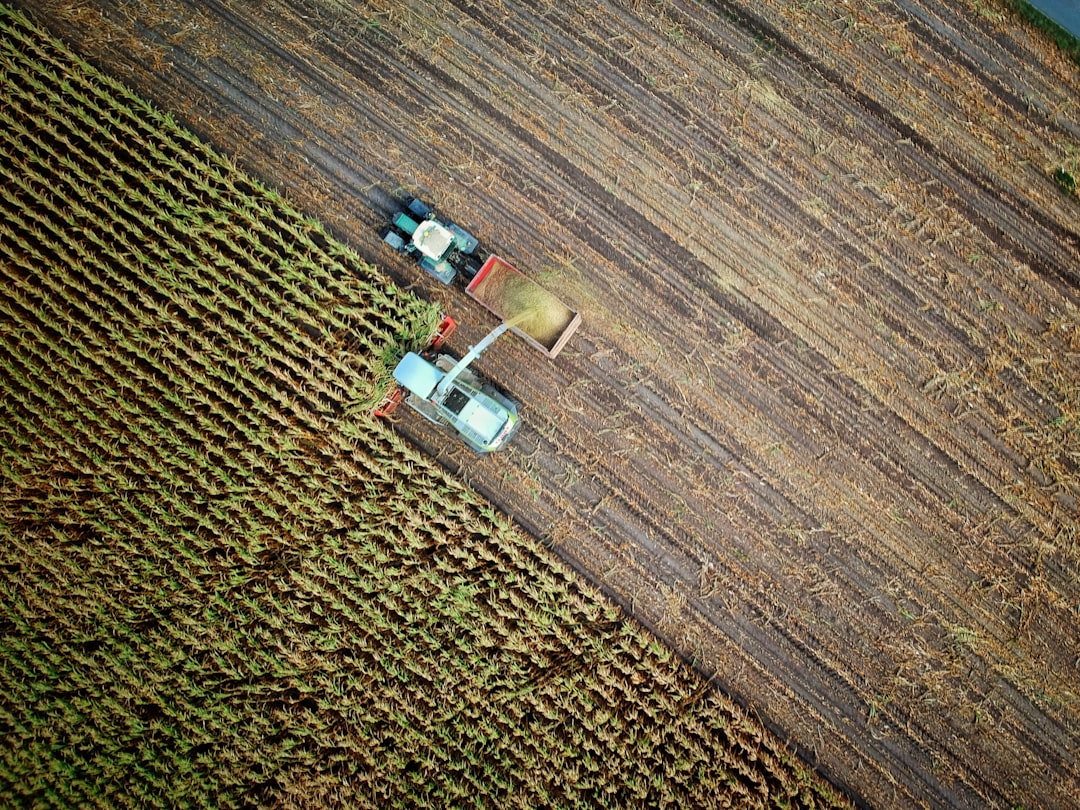
Nitrogen (N) is a macronutrient indispensable for plant growth, serving as a cornerstone of cellular structures, chlorophyll synthesis, and amino acid formation. Its ubiquitous presence in crop production makes its efficient management a critical challenge and a significant opportunity for agricultural sustainability. Historically, nitrogen application has often relied on broad-stroke, generalized approaches, leading to either under-application, resulting in yield limitations, or over-application, contributing to environmental degradation and economic inefficiency. Precision agriculture, however, offers a paradigm shift, enabling a more nuanced and data-driven approach to nitrogen fertilization, thus optimizing its utilization. This article will delve into the principles and practices of optimizing nitrogen with precision agriculture, exploring its multifaceted benefits and the technologies that underpin its success.
Nitrogen’s journey within the agricultural landscape is a complex biogeochemical ballet, influenced by a multitude of factors. Understanding these dynamics is the first step towards orchestrated management.
The Nitrogen Cycle: A Constant Transformation
The nitrogen cycle describes the continuous movement of nitrogen through the atmosphere, soil, water, and living organisms. Its transformations, driven by microbial activity, are crucial to its availability for plant uptake.
Nitrogen Fixation: The Gateway
Atmospheric nitrogen (N₂), while abundant, is largely unavailable to plants. Biological nitrogen fixation, primarily carried out by symbiotic bacteria in legume root nodules, converts atmospheric N₂ into ammonia (NH₃), a form that can be readily assimilated. Industrial nitrogen fixation processes, such as the Haber-Bosch process, also provide synthetic nitrogen fertilizers.
Mineralization and Immobilization: The Soil’s Exchange
Organic matter in the soil acts as a reservoir of nitrogen. Microbial decomposition, or mineralization, releases this organic nitrogen as ammonium (NH₄⁺), which plants can absorb. Conversely, microbial uptake of inorganic nitrogen for their own growth, known as immobilization, temporarily renders it unavailable to crops. The balance between these processes is influenced by soil temperature, moisture, and organic matter content.
Nitrification: The Double-Edged Sword
Ammonium is further transformed by soil bacteria through nitrification into nitrite (NO₂⁻) and subsequently nitrate (NO₃⁻). While nitrate is a highly mobile and readily taken up by plants, it is also prone to leaching out of the root zone with percolating water, representing a significant loss pathway. Denitrification, another microbial process occurring in anaerobic soil conditions, converts nitrate into gaseous nitrogen compounds (N₂O and N₂) which are then lost to the atmosphere.
Factors Influencing Nitrogen Availability and Uptake
Several environmental and crop-specific factors dictate how much nitrogen is available to plants and how effectively they can absorb it.
Soil Properties: The Foundation of Nutrient Supply
Soil texture influences water and air movement, affecting nitrification and denitrification. Soil pH impacts the chemical forms of nitrogen and microbial activity. Soil organic matter is a critical source of slow-release nitrogen through mineralization.
Environmental Conditions: The Unpredictable Orchestra
Rainfall and irrigation patterns play a pivotal role in nitrogen movement. Excessive rainfall can lead to leaching and denitrification losses, while drought can hinder nutrient uptake and mineralization. Temperature influences microbial activity and crop growth rates, thus affecting nitrogen demand.
Crop Physiology and Growth Stage: The Demanding Consumer
Different crops have varying nitrogen requirements and uptake patterns throughout their life cycle. Early vegetative growth demands significant nitrogen for biomass accumulation, while reproductive stages may have different nutrient priorities. The crop’s genetic potential for nitrogen use efficiency also plays a substantial role.
Precision agriculture tools have revolutionized the way farmers manage their crops, particularly in optimizing nitrogen application rates. By utilizing advanced technologies such as soil sensors and data analytics, farmers can significantly reduce nitrogen usage while maintaining crop yields. For further insights into the impact of these tools on sustainable farming practices, you can read a related article at this link.
Precision Agriculture Technologies for Nitrogen Management
Precision agriculture employs a suite of technologies to gather granular data about the field, enabling informed decisions for nitrogen application. This data forms the bedrock of tailored fertilizer strategies.
Sensing Technologies: The Farm’s Eyes and Ears
A variety of sensors are employed to gather real-time or near-real-time data on soil and crop conditions, providing a detailed map of nutrient needs across the field.
Remote Sensing: The Aerial Overview
Satellites and drones equipped with multispectral and hyperspectral cameras can capture images reflecting the crop’s health and vigor. Specific spectral bands are sensitive to chlorophyll content, which is directly correlated with nitrogen status. Changes in leaf color, from a vibrant green to a more yellowish hue, can be an early indicator of nitrogen deficiency.
Proximal Sensing: Ground-Level Insights
Handheld sensors or sensors mounted on tractors can measure crop reflectance at close range. These devices, often utilizing red and near-infrared light, can provide more precise readings at the individual plant or small plot level. Normalized Difference Vegetation Index (NDVI) and other vegetation indices derived from these measurements are widely used to assess crop health and nitrogen status.
Soil Sensors: Unearthing Subsurface Needs
In-field sensors can measure various soil parameters, including moisture, temperature, and electrical conductivity. While not directly measuring nitrogen, these parameters indirectly influence its availability and movement, helping to refine fertilizer application timing and rates. Soil sampling, still a vital practice, is enhanced by GPS-enabled sampling equipment, allowing for the creation of detailed nutrient maps of the field.
Data Analysis and Decision Support Systems: The Farm’s Brain
Raw data from sensors alone does not translate into actionable insights. Sophisticated software and analytical tools are essential for processing this information and generating precise management recommendations.
Geographic Information Systems (GIS): Mapping the Terrain
GIS platforms integrate various spatial data layers, including soil maps, yield maps, topographic data, and sensor-derived information. This integration allows for the visualization of variability within a field and the identification of patterns related to nutrient needs.
Variable Rate Application (VRA) Technology: Targeted Fertilization
VRA controllers, integrated with GPS receivers and mapping software, allow fertilizer spreaders to adjust the application rate on-the-fly as they traverse the field. Based on pre-defined management zones or real-time sensor data, VRA systems ensure that nitrogen is applied precisely where and when it is needed, at the optimal rate.
Modeling and Prediction: Forecasting Nutrient Demand
Crop growth models, often incorporating weather forecasts and soil data, can predict nitrogen uptake patterns and potential deficiencies throughout the growing season. These models aid in making proactive fertilization decisions and optimizing the timing of nitrogen applications to align with crop demand.
Benefits of Optimizing Nitrogen with Precision Agriculture
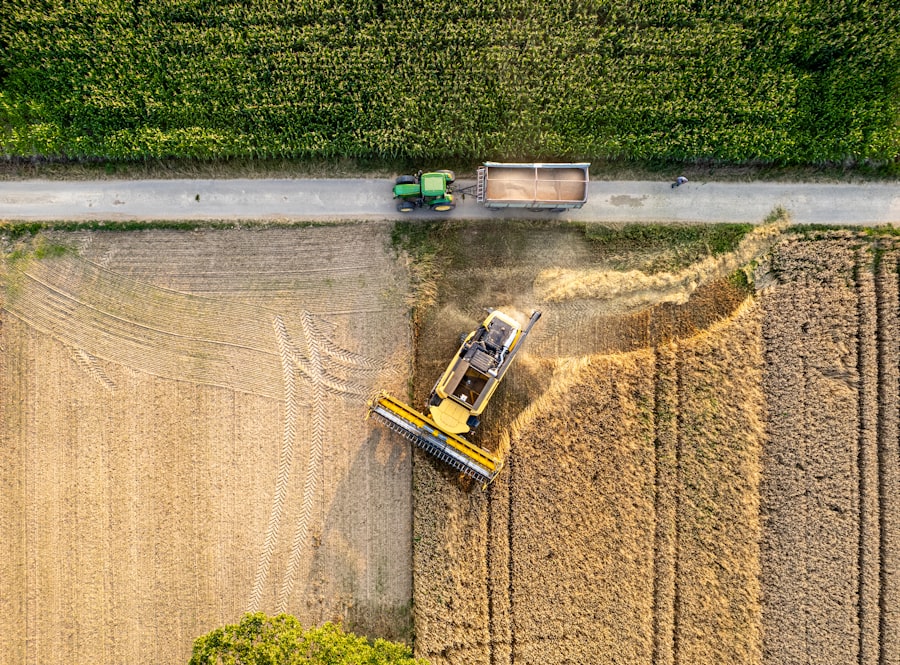
The adoption of precision agriculture for nitrogen management yields a cascade of advantages, impacting profitability, environmental health, and overall farm sustainability.
Enhanced Crop Yield and Quality: The Harvest Bounty
By ensuring that crops receive the right amount of nitrogen at the right time, deficiencies are mitigated, and excessive applications, which can sometimes lead to lodging or reduced quality, are avoided. This leads to more consistent and higher yields, as well as improved crop quality parameters, such as protein content in cereals.
Reduced Nutrient Losses and Environmental Protection: A Cleaner Footprint
Over-application of nitrogen fertilizer is a primary driver of environmental pollution. Excess nitrate leached into groundwater can contaminate drinking water sources, posing health risks. Runoff containing nitrogen can contribute to eutrophication of surface waters, leading to algal blooms and oxygen depletion. Precision agriculture, by minimizing the amount of applied nitrogen and targeting its placement, significantly reduces these environmental impacts. The reduction in nitrous oxide (N₂O), a potent greenhouse gas, is another crucial environmental benefit.
Improved Input Use Efficiency and Economic Returns: The Financial Dividend
Nitrogen fertilizer represents a significant input cost for many farmers. By applying only the necessary amount of nitrogen, farmers can reduce their expenditure on this input. This leads to a direct improvement in profitability, as the marginal return on applied nitrogen is maximized. The savings from reduced fertilizer purchases, coupled with potentially higher yields, create a compelling economic case for precision nitrogen management.
Greater Operational Efficiency: Streamlining the Process
Precision application technologies, when properly integrated, can streamline operations. While initial setup and data management require investment, the ability to manage nutrient application based on detailed field maps can lead to more efficient labor and machinery utilization in the long run.
Key Strategies and Best Practices for Precision Nitrogen Management
Implementing precision agriculture for nitrogen optimization requires a systematic approach and adherence to best practices.
Developing Robust Nitrogen Management Plans: The Strategic Blueprint
A foundational element is the creation of a comprehensive nitrogen management plan that considers crop type, soil characteristics, historical yield data, and environmental regulations. This plan acts as the guiding document for all subsequent precision applications.
Soil and Tissue Testing: The Fundamental Baseline
Regular and accurate soil testing is paramount to understanding existing nutrient levels and pH. Plant tissue analysis, conducted at critical growth stages, provides direct insight into the plant’s current nutrient status, allowing for mid-season adjustments.
Establishing Management Zones: Dividing and Conquering the Field
Fields are rarely uniform. Identifying distinct management zones within a field based on factors like soil type, topography, and historical yield variations allows for the creation of zone-specific nitrogen application strategies. Grid sampling and geostatistical analysis are key tools for this delineation.
Implementing Variable Rate Application (VRA) Programs: Tailoring the Doses
VRA is the operational arm of precision nitrogen management. This involves translating the data and management zone information into application maps for the VRA equipment.
Choosing the Right Nitrogen Source: Matching Fertilizer to Need
Different nitrogen fertilizers have varying release characteristics and susceptibility to loss. Understanding whether a quick release of nitrogen is needed or a slower, more sustained supply is crucial when selecting fertilizer types for VRA. For instance, a slow-release urea or a stabilized nitrogen fertilizer might be preferred in vulnerable areas prone to leaching.
Optimizing Application Timing: Hitting the Sweet Spot
The timing of nitrogen application is as critical as the rate. Applying nitrogen when the crop has the highest demand minimizes losses and maximizes uptake. Precision agriculture allows for multiple applications throughout the growing season, precisely targeting the crop’s needs at different phenological stages.
Utilizing Advanced Technologies: Embracing the Cutting Edge
The continuous evolution of technology offers new avenues for precision nitrogen management.
Real-Time Nitrogen Sensing during Application: Dynamic Adjustments
Emerging technologies are allowing for real-time sensing of crop nitrogen status directly from the application equipment. This enables dynamic adjustments to fertilizer rates as the equipment moves through the field, further refining application accuracy.
Drones for Targeted Nitrogen Application: Precision from Above
Drones equipped with sprayers can be utilized for localized application of liquid nitrogen fertilizers in specific areas identified as deficient, offering a highly targeted approach for smaller problem areas or for top-dressing during critical growth stages.
Precision agriculture tools have emerged as a game-changer in optimizing nitrogen application rates, significantly enhancing crop yields while minimizing environmental impact. For those interested in exploring further, a related article discusses innovative strategies and technologies that are reshaping modern farming practices. You can read more about these advancements in agriculture by visiting this insightful article, which delves into the benefits of precision farming and its role in sustainable agriculture.
Challenges and Future Directions in Precision Nitrogen Management
| Precision Agriculture Tool | Function | Impact on Nitrogen Application | Typical Reduction in Nitrogen Use (%) | Additional Benefits |
|---|---|---|---|---|
| Soil Nitrate Sensors | Measure soil nitrate levels in real-time | Optimizes nitrogen application based on actual soil needs | 15-30% | Reduces leaching and environmental pollution |
| Variable Rate Technology (VRT) | Applies nitrogen variably across fields using GPS data | Targets nitrogen application to crop needs in different zones | 20-40% | Improves yield uniformity and reduces waste |
| Remote Sensing (Drones/Satellites) | Monitors crop health and nitrogen status via NDVI and other indices | Informs precise nitrogen application timing and rates | 10-25% | Early detection of nutrient deficiencies |
| Crop Growth Models | Simulates crop nitrogen demand based on weather and growth stage | Schedules nitrogen application to match crop uptake | 15-35% | Improves nitrogen use efficiency and yield prediction |
| Automated Fertilizer Applicators | Delivers precise nitrogen doses automatically | Reduces over-application and overlaps | 10-30% | Labor savings and consistent application |
Despite its significant advantages, the widespread adoption of precision agriculture for nitrogen management faces certain hurdles, and the field continues to evolve.
Data Management and Interpretation: Taming the Data Deluge
The sheer volume of data generated by precision agriculture technologies can be overwhelming. Developing user-friendly and robust data management systems and providing adequate training for farmers on data interpretation are crucial for successful implementation.
Cost of Technology and Return on Investment: The Investment Equation
The initial investment in precision agriculture equipment and software can be substantial. Demonstrating a clear and rapid return on investment, especially for smaller farms, remains a challenge. Subsidies, cooperative ownership models, and the development of more affordable technologies can help address this.
Interoperability and Standardization: Speaking the Same Language
Ensuring that different precision agriculture technologies and software platforms can communicate and share data seamlessly is vital for a holistic approach. Greater standardization in data formats and communication protocols is needed.
Integration with Other Farm Management Practices: A Holistic Ecosystem
Precision nitrogen management is most effective when integrated with other precision farming practices, such as precision irrigation and pest management. A holistic approach to farm management, where all technological solutions work in concert, maximizes overall benefits.
Focus on Nitrogen Use Efficiency (NUE): Beyond Just Application
Future directions will likely see a greater emphasis on improving nitrogen use efficiency (NUE) at the genetic level through breeding programs. Combining improved crop genetics with precision nutrient management will unlock even greater potential for sustainable agriculture. Research into enhanced efficiency fertilizers that minimize losses will also continue to be a significant area of focus. The development of more sophisticated sensor technologies capable of directly measuring nitrogen in the plant and soil in real-time, without requiring complex algorithms, would revolutionize current practices. Furthermore, the integration of artificial intelligence (AI) and machine learning will enable more predictive and adaptive nitrogen management strategies, capable of learning from historical data and adapting to changing environmental conditions in real-time.
In conclusion, optimizing nitrogen with precision agriculture represents a significant leap forward in how we approach crop nutrition. By moving away from a one-size-fits-all mentality and embracing data-driven decision-making, farmers can enhance their yields, protect the environment, and improve their economic bottom line. The journey is ongoing, with continuous innovation promising even more sophisticated and effective strategies for nurturing our crops and the planet.
FAQs
What is precision agriculture?
Precision agriculture is a farming management approach that uses technology such as GPS, sensors, and data analytics to optimize field-level management regarding crop farming. It aims to increase efficiency, productivity, and sustainability by applying inputs like water, fertilizers, and pesticides more precisely.
How do precision agriculture tools help reduce nitrogen application rates?
Precision agriculture tools help reduce nitrogen application rates by providing detailed information about soil nutrient levels, crop health, and variability within fields. This allows farmers to apply nitrogen fertilizers only where and when needed, minimizing over-application and reducing environmental impact.
What types of precision agriculture tools are commonly used for nitrogen management?
Common tools include soil sensors, remote sensing technologies (such as drones and satellite imagery), variable rate application equipment, and decision support software. These tools collect and analyze data to guide precise nitrogen fertilizer applications tailored to specific field conditions.
What are the environmental benefits of reducing nitrogen application through precision agriculture?
Reducing nitrogen application helps decrease nitrogen runoff and leaching into water bodies, which can cause water pollution and eutrophication. It also lowers greenhouse gas emissions associated with fertilizer production and use, contributing to more sustainable farming practices.
Can precision agriculture tools improve crop yields while reducing nitrogen use?
Yes, by optimizing nitrogen application based on crop needs and soil conditions, precision agriculture tools can enhance nutrient use efficiency. This often leads to maintaining or improving crop yields while using less nitrogen fertilizer, resulting in cost savings and environmental benefits.