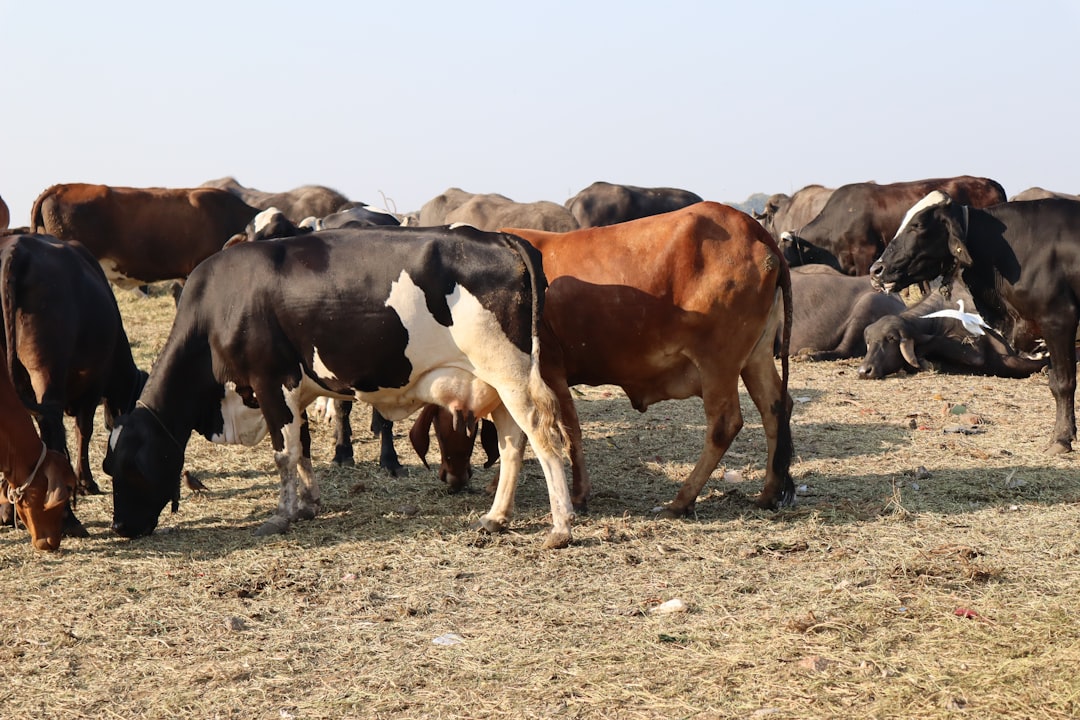
The intricate dance between global food systems and the earth’s finite resources is nowhere more evident than in the burgeoning demand for livestock feed and its profound impact on the world’s fertilizer consumption. This relationship, often unseen by the end consumer, forms a critical nexus, influencing agricultural practices, environmental sustainability, and the very cost of protein on our plates. As the global population continues to expand and dietary preferences shift towards greater meat consumption, the agricultural machinery required to sustain this demand strains under the increasing pressure for productivity. Fertilizers, the synthetic or organic nutrients that act as rocket fuel for crop growth, find themselves at the heart of this escalating requirement, their production and application becoming a central determinant of how we feed the world.
Global Population and Dietary Shifts
The most fundamental driver of increased livestock feed demand is the relentless march of global population growth. More people necessitate more food, and for a significant portion of the world’s population, particularly in emerging economies, this translates to an increased desire for animal-based protein. As incomes rise, diets traditionally reliant on grains and vegetables often diversify to include more meat, poultry, and dairy. This dietary evolution, while signifying economic progress for many, acts as a powerful amplifier for livestock production. The global appetite for protein is not a stagnant pond; it is a surging tide, reshaping agricultural landscapes and demanding ever-greater yields.
The Livestock Production Chain
Understanding the impact on fertilizer begins with dissecting the livestock production chain. For every kilogram of beef, pork, or chicken produced, a substantial amount of feed must be grown. This feed is primarily composed of staple crops like corn, soybeans, wheat, and barley. These crops, in turn, are highly responsive to nutrient inputs, and their efficient cultivation for animal consumption relies heavily on the application of fertilizers. The scale is staggering: vast tracts of land are dedicated to growing these feed crops, and their nutritional requirements become a primary consideration for farmers and agricultural conglomerates. The demand for livestock feed is not just about producing animals; it’s about an immense upstream agricultural operation that fuels the entire system.
Economic Drivers and Market Forces
Economic factors play a crucial role in shaping livestock feed demand. The profitability of livestock farming is intrinsically linked to the cost and availability of feed. Fluctuations in grain prices directly influence decisions about herd sizes, feeding strategies, and the overall expansion or contraction of the industry. Governments, through subsidies and trade policies, can further influence these dynamics, creating markets that favor certain types of feed production and, consequently, specific fertilizer demands. The global market for livestock feed is a complex ecosystem where economic incentives act as powerful conductors, orchestrating the symphony of agricultural production and its reliance on nutrient inputs.
The increasing demand for livestock feed has significant implications for global synthetic fertilizer use, as highlighted in the article “How Livestock Feed Demand Drives Global Synthetic Fertilizer Use.” This relationship underscores the interconnectedness of agricultural practices and environmental sustainability. For further insights on related topics, you can explore this informative article at here.
Fueling the Feed: Fertilizer’s Indispensable Role
Nutrient Requirements of Feed Crops
The bedrock of efficient feed crop production lies in providing the essential nutrients that plants need to thrive. Nitrogen (N), phosphorus (P), and potassium (K) are the “big three” macronutrients that plants absorb from the soil. Without adequate levels of these elements, crop yields plummet, rendering land less productive and failing to meet the escalating demand for feed. Fertilizers are the primary mechanism by which these essential nutrients are replenished in agricultural soils, acting as the vital sustenance that allows feed crops to reach their full growth potential. Imagine a child who needs a balanced diet to grow; feed crops are no different, and fertilizers are their essential food groups.
Nitrogen: The Engine of Growth
Nitrogen, in particular, is a critical component of chlorophyll, the molecule responsible for photosynthesis, and is therefore vital for plant growth and protein synthesis. Feed crops are notoriously nitrogen-demanding, and the application of nitrogen-based fertilizers – such as urea, ammonium nitrate, and diammonium phosphate (DAP) – is almost universally practiced to maximize yields. The Haber-Bosch process, a marvel of industrial chemistry that synthesizes ammonia from nitrogen in the air and hydrogen, is the bedrock of modern nitrogen fertilizer production. Its efficiency has been instrumental in supporting the growth of global agriculture, but it also signifies a substantial energy input and potential environmental footprint.
Phosphorus and Potassium: Structural and Functional Importance
While nitrogen drives vegetative growth, phosphorus is crucial for root development, flowering, and seed formation – all vital for the production of grains and legumes used in feed. Potassium, on the other hand, plays a role in water regulation, disease resistance, and the overall health and resilience of the plant. Deficiencies in either of these nutrients can severely limit crop productivity, necessitating their addition through phosphate and potash fertilizers. The mining of phosphate rock and the extraction of potash from underground deposits are therefore directly tied to the demand for feed crops.
The Scale of Fertilizer Consumption: A Growing Dependency
Direct Link Between Feed Production and Fertilizer Use
The connection between livestock feed production and fertilizer use is not merely correlational; it is intrinsically causal. Every hectare of corn grown for animal feed requires a specific amount of fertilizer to achieve optimal yield. As the demand for meat increases, so too does the demand for land to grow feed crops, and thus, the demand for fertilizers escalates proportionally. Think of it as a chain reaction: demand for burgers leads to demand for feed corn, which in turn leads to demand for nitrogen, phosphorus, and potassium. The global agricultural system is meticulously calibrated around this intricate dependency.
Global Fertilizer Market Trends
The global fertilizer market is a multi-billion dollar industry, and its growth trajectory is inextricably linked to the expansion of agriculture, particularly for feed production. International bodies and market research firms consistently report on the increasing consumption of fertilizers, with a significant portion attributed to the cultivation of grains and soybeans, the primary components of many animal diets. The demand for these agricultural inputs acts as a powerful bellwether, indicating the health and expansion of the livestock sector.
Regional Variations in Fertilizer Use
While the global trend points towards increasing fertilizer use, there are significant regional variations. Developed nations, with established intensive agricultural practices, tend to have high levels of fertilizer application. However, it is in many developing and emerging economies where the most rapid growth in fertilizer consumption is observed, driven by the expansion of their livestock sectors and the adoption of modern agricultural techniques. This shift can be a double-edged sword: offering opportunities for increased food security but also posing environmental challenges if not managed sustainably.
Environmental Implications of Increased Fertilizer Demand
Nutrient Runoff and Eutrophication
The increased application of fertilizers, while boosting crop yields, comes with significant environmental consequences. When fertilizers are applied, some portion inevitably washes off fields during rainfall or irrigation, a phenomenon known as nutrient runoff. This excess nitrogen and phosphorus enters waterways, leading to a process called eutrophication. In aquatic ecosystems, these nutrients act like a super-stimulant for algae and aquatic plants, causing them to proliferate at an alarming rate. This algal bloom can deplete oxygen levels in the water, creating “dead zones” where fish and other aquatic life cannot survive. The vibrant aquatic ecosystems, once teeming with life, can become suffocated by an excess of nutrients, a stark reminder of the unintended consequences of our agricultural choices.
Greenhouse Gas Emissions from Fertilizer Production and Use
The production of fertilizers, particularly nitrogenous fertilizers, is an energy-intensive process. The Haber-Bosch process, while essential for feeding the world, relies on natural gas as a primary energy source and feedstock, contributing to greenhouse gas emissions. Furthermore, the microbial breakdown of nitrogen fertilizers in the soil can release nitrous oxide (N2O), a potent greenhouse gas with a warming potential hundreds of times greater than carbon dioxide. The more fertilizer we use to grow feed, the larger the carbon footprint associated with our food system.
Soil Degradation and Biodiversity Loss
While fertilizers aim to nourish the soil, their overuse and mismanagement can lead to unintended negative impacts. Excessive application of synthetic fertilizers can disrupt the natural balance of soil microorganisms, which are crucial for nutrient cycling and soil health. This can, over time, lead to soil degradation, reducing its fertility and making it more susceptible to erosion. Furthermore, the large-scale monoculture farming practices often employed to grow feed crops, driven by the demand for fertilizers, can lead to a significant loss of biodiversity, both above and below ground. The rich tapestry of life that once existed in these agricultural landscapes is simplified, replaced by a uniform stand of a single crop.
The increasing demand for livestock feed is significantly influencing global synthetic fertilizer use, as farmers strive to enhance crop yields to meet the needs of a growing population. This relationship highlights the intricate connections between agriculture and environmental sustainability. For further insights into the broader implications of agricultural practices on the environment, you might find this related article on sustainable farming practices intriguing. You can read more about it here.
Towards Sustainable Feed and Fertilizer Management
| Metric | Value | Unit | Notes |
|---|---|---|---|
| Global synthetic fertilizer use for feed crops | 60 | Million tonnes per year | Estimated share of fertilizer applied to feed crop production |
| Percentage of global synthetic fertilizer used for livestock feed | 40 | % | Proportion of fertilizer linked to feed crop cultivation |
| Feed crop area globally | 500 | Million hectares | Land area dedicated to growing feed crops |
| Average fertilizer application rate on feed crops | 120 | kg nutrient per hectare | Includes nitrogen, phosphorus, and potassium |
| Livestock feed demand growth rate | 2.5 | % per year | Annual increase in feed demand driving fertilizer use |
| Contribution of feed crops to total crop fertilizer use | 45 | % | Share of fertilizer use attributed to feed versus food crops |
| Global livestock population growth | 1.8 | % per year | Growth rate influencing feed demand and fertilizer use |
Precision Agriculture and Optimized Nutrient Application
Recognizing the environmental challenges, the agricultural sector is increasingly turning towards solutions that promote sustainability. Precision agriculture technologies offer a promising path forward. These technologies utilize data from sensors, drones, and satellites to provide real-time information about soil conditions, crop health, and nutrient needs. This allows farmers to apply fertilizers more precisely, only where and when they are needed, and in the optimal quantities. This “smart” application significantly reduces nutrient runoff and greenhouse gas emissions, ensuring that valuable resources are not wasted. It’s like giving a patient exactly the right dose of medicine, rather than a blanket prescription.
Development of Alternative Feed Sources
Reducing the reliance on conventional feed crops, which are heavily dependent on synthesized fertilizers, is another crucial strategy. Research and development are exploring alternative feed sources for livestock, including insect proteins, algae, and byproducts from other industries. These alternative sources often have a lower environmental footprint and may require fewer nutrient inputs. While scaling these alternatives to meet global demand presents its own challenges, they offer a tantalizing glimpse into a future where livestock production is less reliant on the intensive use of fertilizers.
Organic Fertilizers and Soil Health Improvement
The use of organic fertilizers, such as manure and compost, offers a more sustainable approach to nutrient management. These materials not only provide essential nutrients to crops but also improve soil structure, water retention, and the overall health of the soil ecosystem. While the nutrient content of organic fertilizers can be more variable and their application may require different logistical approaches, they represent a vital component of a circular agricultural economy. By returning organic matter to the soil, we can reduce the need for synthetic inputs and build more resilient agricultural systems. The earth, like a well-fed body, thrives on diverse and wholesome nutrition.
Policy and Research Initiatives
Governments and international organizations play a critical role in driving sustainable practices. Policies that incentivize the responsible use of fertilizers, promote research into alternative feed sources, and support the adoption of precision agriculture technologies are essential. Continued investment in research and development is crucial for uncovering new innovations and refining existing practices to ensure that the global demand for food can be met without compromising the health of our planet for future generations. The collective will of humanity, guided by science and policy, will ultimately determine the equilibrium between feeding a growing population and preserving the natural world that sustains us.
FAQs
What is the relationship between livestock feed demand and synthetic fertilizer use?
The demand for livestock feed directly influences the use of synthetic fertilizers because increased feed production requires higher crop yields. To achieve these yields, farmers often rely on synthetic fertilizers to enhance soil fertility and boost crop growth.
Why does livestock feed production require more synthetic fertilizers compared to other crops?
Livestock feed crops, such as corn and soybeans, are typically grown intensively to meet high demand. These crops often deplete soil nutrients rapidly, necessitating the use of synthetic fertilizers to replenish essential nutrients and maintain high productivity.
How does increased synthetic fertilizer use impact the environment?
Excessive use of synthetic fertilizers can lead to environmental issues such as water pollution from nutrient runoff, greenhouse gas emissions like nitrous oxide, and soil degradation. These impacts highlight the need for sustainable fertilizer management practices.
Are there alternatives to synthetic fertilizers in livestock feed production?
Yes, alternatives include organic fertilizers, crop rotation, cover cropping, and integrated nutrient management. These practices can reduce reliance on synthetic fertilizers while maintaining soil health and crop yields.
What regions are most affected by synthetic fertilizer use driven by livestock feed demand?
Regions with intensive livestock farming and large-scale feed crop production, such as North America, Europe, and parts of Asia, experience the highest synthetic fertilizer use. These areas often face challenges related to fertilizer management and environmental sustainability.