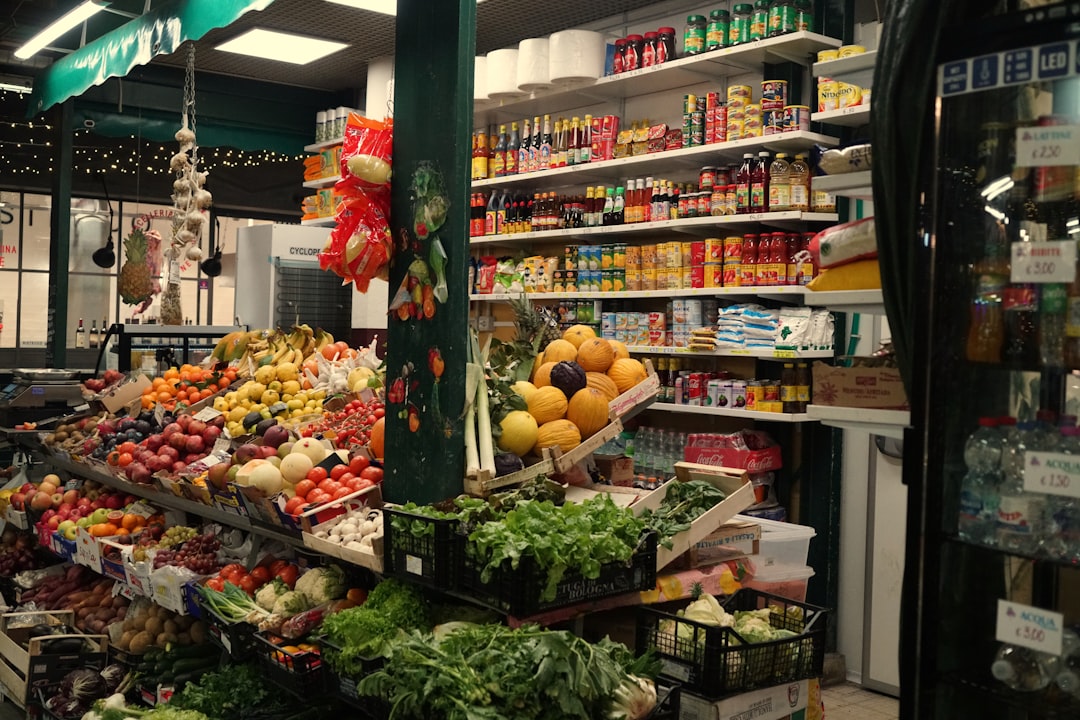
The fluorescent lights of the modern grocery store hum, casting a sterile glow on rows upon rows of packaged goods. While they are ostensibly temples of sustenance, a closer examination reveals a more complex reality.
FAQs
1. Why is the grocery store considered a chemical business rather than a food business?
Grocery stores often sell products that contain numerous additives, preservatives, flavor enhancers, and artificial ingredients. These chemicals are used to extend shelf life, improve appearance, and enhance taste, making the store’s inventory more about chemical formulations than purely natural food.
2. What types of chemicals are commonly found in grocery store products?
Common chemicals include preservatives like sodium benzoate, artificial sweeteners such as aspartame, colorants like tartrazine, flavor enhancers such as monosodium glutamate (MSG), and emulsifiers or stabilizers that maintain texture and consistency.
3. How do these chemicals affect the nutritional quality of food?
While many additives are approved for safety, they can sometimes reduce the natural nutritional value of food by replacing whole ingredients with synthetic alternatives. Additionally, some chemicals may impact digestion or cause sensitivities in certain individuals.
4. Are all foods in grocery stores heavily processed with chemicals?
No, not all grocery store foods are heavily processed. Fresh produce, meats, dairy, and some minimally processed items contain fewer or no added chemicals. However, many packaged and processed foods do contain various chemical additives.
5. How can consumers identify and avoid chemical additives in grocery store foods?
Consumers can read ingredient labels carefully, choose products with fewer and more recognizable ingredients, opt for organic or natural brands, and prioritize fresh or minimally processed foods to reduce intake of chemical additives.