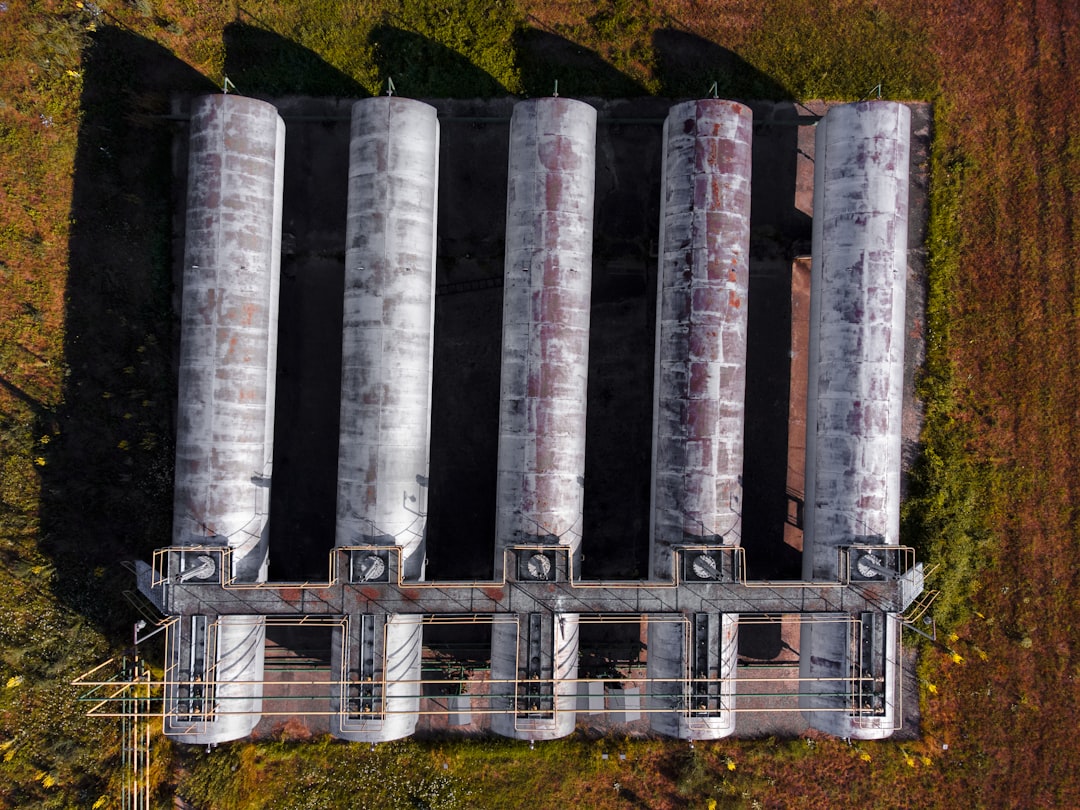
The Togliatti-Odesa Ammonia Pipeline: A Vital Artery in Global Fertilizer Production
The Togliatti-Odesa Ammonia Pipeline, a colossal infrastructure project stretching over 2,400 kilometers, stands as a critical conduit for ammonia, a fundamental building block of modern agriculture. Its strategic location, originating in Togliatti, Russia, and terminating at the port of Odesa, Ukraine, has historically positioned it as a key player in the global fertilizer market. This article will delve into the multifaceted impact of this pipeline on international trade, agricultural productivity, and geopolitical dynamics, examining its historical significance, operational capabilities, and the profound implications of its disruptions.
The inception of the Togliatti-Odesa Ammonia Pipeline was rooted in the Soviet Union’s drive to centralize and optimize its vast agricultural and industrial capacity. As a planned economy behemoth, the USSR recognized the immense potential of leveraging its abundant natural gas reserves to produce ammonia, a crucial component for nitrogen-based fertilizers. The pipeline was conceived as a high-volume, low-cost solution to transport this vital commodity from its production centers in Russia to a major Black Sea port for export to global markets.
The Post-Soviet Landscape and the Pipeline’s Evolving Role
Following the dissolution of the Soviet Union, the pipeline’s operational landscape shifted dramatically. It now traversed independent nations, introducing complex interdependencies and requiring new agreements for its continued functioning. Russia remained the primary source of ammonia, while Ukraine held the transit rights and access to the port of Odesa. This new arrangement fundamentally altered the pipeline’s strategic significance, transforming it from a purely Soviet internal logistic artery into a crucial piece of international trade infrastructure. The pipeline became a silent, yet powerful, handshake between two nations, facilitating the flow of essential goods that nourished fields far beyond their borders.
Design and Engineering Marvel
The sheer scale of the Togliatti-Odesa Ammonia Pipeline is a testament to Soviet engineering prowess. Its construction, which began in the late 1970s, involved overcoming significant geographical challenges, including crossing rivers, diverse terrain, and varying climatic conditions. The pipeline’s diameter, substantial throughout its length, was designed to maximize throughput, allowing for the efficient movement of millions of tons of anhydrous ammonia annually.
Initial Construction and Technological Considerations
The initial construction phase demanded immense resources and innovative approaches to pipeline laying. Specialized equipment and techniques were employed to ensure the integrity and longevity of the structure, designed to withstand the corrosive nature of ammonia under pressure. The selection of materials and the rigorous testing processes were paramount to prevent leaks, which could have severe environmental and safety consequences.
Modernization Efforts and Capacity Enhancements
Over the decades, efforts have been made to modernize and maintain the pipeline’s infrastructure. These upgrades aimed to enhance efficiency, improve safety protocols, and potentially increase its carrying capacity. However, the age of the pipeline, coupled with the costs associated with extensive refurbishment, presented ongoing challenges for its operators.
The Togliatti to Odesa ammonia pipeline plays a crucial role in the global fertilizer market, influencing prices and supply chains significantly. For a deeper understanding of how such infrastructure impacts world markets, you can explore the article titled “The Global Fertilizer Market: Trends and Impacts” available at this link. This article delves into the dynamics of fertilizer production and distribution, shedding light on the interconnectedness of regional pipelines and global agricultural trends.
Economic Impact on Global Fertilizer Markets
The Togliatti-Odesa Ammonia Pipeline has historically been a linchpin in the global fertilizer supply chain. Its ability to deliver large volumes of ammonia at competitive prices directly influenced the cost and availability of nitrogenous fertilizers, which are foundational to agricultural productivity worldwide.
Ammonia as a Cornerstone of Agriculture
Ammonia, the primary cargo of the pipeline, is the essential precursor to virtually all nitrogen fertilizers, such as urea, urea ammonium nitrate (UAN), and ammonium nitrate. These fertilizers are indispensable for modern agriculture, replenishing soil nitrogen that crops deplete during growth. Without sufficient nitrogen, crop yields would plummet, leading to food shortages and price volatility. The pipeline, therefore, can be seen as a vital artery feeding the global food production system.
Influence on Fertilizer Prices
When the Togliatti-Odesa pipeline operated at full capacity, it exerted downward pressure on global ammonia and fertilizer prices due to efficient and large-scale supply. Disruptions to its operation, conversely, have a palpable effect, creating ripples of increased costs for farmers and consumers alike. This ebb and flow of supply directly impacts the profitability of agricultural enterprises and the affordability of food.
Regional Distribution and Export Dynamics
The pipeline’s geographical reach was a significant factor in regional fertilizer distribution. Its connection to the Black Sea port of Odesa facilitated the export of Russian ammonia to a broad spectrum of international markets, including those in Europe, Africa, and the Americas. The efficiency of this maritime link, coupled with the pipeline’s capacity, made it a preferred route for many global fertilizer traders.
The Domino Effect of Supply Disruptions
The operational status of the Togliatti-Odesa Ammonia Pipeline has a cascading effect throughout the agricultural value chain. Even minor interruptions can lead to significant market fluctuations, demonstrating its critical importance.
Impact on Importing Nations
Nations heavily reliant on imported fertilizers, particularly those sourced through Odesa, are most vulnerable to pipeline disruptions. The sudden absence of a reliable and cost-effective supply forces them to seek alternative, often more expensive, sources, straining national budgets and potentially impacting domestic food security. Farmers in these regions face the immediate challenge of higher input costs, which can translate to reduced planting acreage or lower-quality crops.
Consequences for Fertilizer Manufacturers
Fertilizer manufacturers who depend on ammonia from Togliatti face production challenges when the pipeline is offline. They may be forced to curtail or halt production, leading to lost revenue and impacting their ability to meet contractual obligations. This can also create a snowball effect, as downstream industries that rely on their products experience similar disruptions.
Geopolitical Ramifications and Strategic Importance
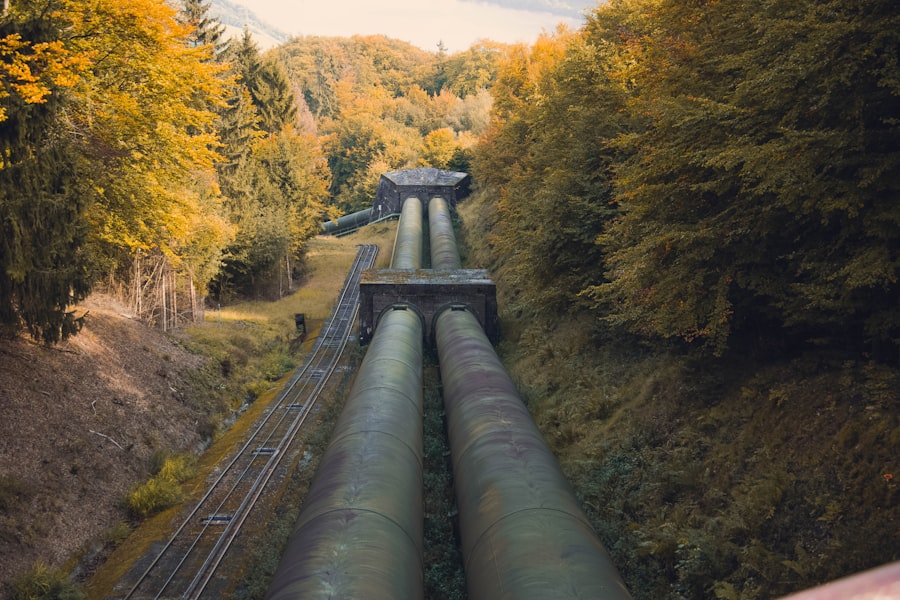
Beyond its economic functions, the Togliatti-Odesa Ammonia Pipeline has always been imbued with significant geopolitical weight. Its cross-border nature and the strategic role of ammonia in national economies have made it a subject of political considerations and international negotiation.
A Barometer of Bilateral Relations
The operational status of the pipeline has frequently served as a barometer of the complex and often fraught relationship between Russia and Ukraine. Agreements regarding transit fees, maintenance, and security have been recurring points of negotiation. Any deterioration in bilateral relations has often been mirrored by challenges or outright disruptions to the pipeline’s functioning, highlighting its vulnerability as a political tool.
Transit Agreements and International Law
The intricate web of transit agreements governing the pipeline has been a constant source of discussion and, at times, contention. Adherence to international law and the principles of sovereign transit rights have been central to these discussions. The pipeline’s operation underscored the delicate balance required to maintain critical infrastructure that crosses national borders, especially in regions with historically tense political climates.
The Pipeline as a Geopolitical Lever
In periods of heightened political tension, the Togliatti-Odesa Ammonia Pipeline has demonstrated its potential as a geopolitical lever. Certain stakeholders have, at various times, been perceived as using the pipeline’s operational status as a means to exert pressure or achieve specific political objectives. This has added another layer of complexity to its management, moving it beyond purely commercial considerations.
Impact on Regional Stability
The disruption or potential threat to the pipeline’s operation can have wider implications for regional stability. Food security is a fundamental pillar of social stability, and any threat to the supply of fertilizers can exacerbate existing social and economic challenges in recipient countries. Therefore, the reliable functioning of such infrastructure is not merely an economic imperative but also a component of broader security concerns.
Operational Challenges and Vulnerabilities
The Togliatti-Odesa Ammonia Pipeline, despite its historical importance, has faced a multitude of operational challenges and inherent vulnerabilities that have impacted its reliability and accessibility. These issues range from physical decay to external pressures.
Infrastructure Age and Maintenance Needs
As with any aging infrastructure, the pipeline has required continuous and substantial investment in maintenance and upgrades. The sheer length and volume of the pipeline mean that even minor wear and tear can have significant consequences. The cost and complexity of maintaining such a vast network, particularly in a challenging economic and political climate, are substantial.
Corrosion and Structural Integrity
The corrosive nature of anhydrous ammonia, even when handled with care, poses a constant threat to the pipeline’s structural integrity. Over time, this can lead to leaks, reduced efficiency, and safety concerns. Regular inspections, repairs, and potential replacements of sections of the pipeline are crucial but resource-intensive undertakings.
Security Concerns and External Interventions
The pipeline’s route, traversing diverse landscapes, has presented ongoing security challenges. Vandalism, theft, and, more recently, damage due to military conflict have posed significant threats to its operation. These security vulnerabilities directly impact the reliability and predictability of ammonia supply.
The Impact of Armed Conflict
The most acute and devastating challenges to the Togliatti-Odesa Ammonia Pipeline have arisen from armed conflict in the region. Physical damage to pipelines, pumping stations, and critical infrastructure has led to prolonged or complete shutdowns, with far-reaching consequences for global markets. The inherent vulnerability of such large-scale infrastructure to direct military action has been starkly exposed.
Sabotage and Deliberate Disruptions
Beyond direct conflict, the pipeline has also been susceptible to deliberate acts of sabotage or what could be considered strategic disruptions. These actions, whether politically motivated or driven by other agendas, directly impact its ability to function and contribute to global supply chains.
The recent developments surrounding the Togliatti to Odesa ammonia pipeline have significant implications for global markets, particularly in the agricultural sector where ammonia is a key ingredient in fertilizers. As countries grapple with fluctuating fertilizer prices, understanding the dynamics of this pipeline becomes crucial. For a deeper insight into how such infrastructure projects influence international trade and commodity prices, you can read a related article that explores these themes further. This analysis can be found here.
The Future of the Togliatti-Odesa Ammonia Pipeline
| Metric | Value | Impact on World Markets |
|---|---|---|
| Pipeline Length | 2,000 km | Enables direct transport of ammonia from Russia to Ukraine’s Black Sea port, facilitating exports |
| Annual Capacity | 2 million tonnes | Significant volume contributing to global ammonia supply, affecting fertilizer markets |
| Share of Global Ammonia Trade | Approximately 10% | Pipeline disruptions can cause notable fluctuations in global ammonia prices |
| Key Export Destinations | Europe, Asia, Middle East | Pipeline facilitates supply to major agricultural regions, influencing food production costs |
| Impact of Disruptions | Price increase up to 15% | Interruptions lead to supply shortages, driving up ammonia and fertilizer prices worldwide |
| Environmental Concerns | Risk of leaks and spills | Potential environmental damage can lead to regulatory changes affecting market operations |
| Geopolitical Influence | High | Pipeline control affects energy and agricultural commodity markets, influencing global trade dynamics |
The future trajectory of the Togliatti-Odesa Ammonia Pipeline is intrinsically linked to the geopolitical landscape, economic realities, and the ongoing demand for agricultural inputs. Its role as a vital artery is constantly being re-evaluated in light of emerging challenges and alternative supply routes.
Recalibrating Global Supply Chains
The disruptions experienced by the Togliatti-Odesa Ammonia Pipeline have served as a stark catalyst for recalibrating global fertilizer supply chains. Countries and companies are actively seeking to diversify their sources of ammonia and reduce their reliance on single, potentially vulnerable, transit routes. This has led to increased investment in alternative production facilities and logistical networks.
Diversification of Ammonia Sources and Routes
The emphasis is now on creating a more resilient and distributed global ammonia supply network. This includes exploring new production hubs, developing alternative transportation methods (such as increased use of rail, road, and other pipeline systems), and strengthening maritime shipping capacities. The pipeline’s challenges have underscored the need to move away from a single choke point to a more robust and adaptable system.
The Role of International Cooperation and Investment
The long-term viability and potential reactivation of the Togliatti-Odesa Ammonia Pipeline, or indeed the development of similar infrastructure, will likely depend on a complex interplay of international cooperation, significant investment, and a stable geopolitical environment. Any future considerations for its operation would necessitate robust security guarantees and a clear framework for bilateral and multilateral engagement.
Economic Viability and Technological Advancements
The economic viability of such a large-scale project in the current global economic climate is a significant consideration. Furthermore, advancements in ammonia production technologies, such as those related to green ammonia, might also influence future infrastructure decisions, potentially shifting the focus away from traditional fossil fuel-based production and its associated transit needs.
The Togliatti-Odesa Ammonia Pipeline has, for decades, been more than just a physical conduit for ammonia; it has been a critical economic engine, a point of geopolitical significance, and a testament to large-scale engineering. Its story is one of immense utility, but also of inherent vulnerabilities, underscoring the interconnectedness of global markets and the profound impact that disruptions to key infrastructure can have on food security and economic stability worldwide. As the world grapples with evolving energy landscapes and geopolitical shifts, the lessons learned from the pipeline’s journey will undoubtedly shape the future of global agricultural supply chains for years to come.
FAQs
What is the Togliatti to Odesa ammonia pipeline?
The Togliatti to Odesa ammonia pipeline is a major infrastructure project designed to transport ammonia from the Togliatti region in Russia to the port city of Odesa in Ukraine. It facilitates the export of ammonia to global markets.
How does the pipeline impact global ammonia supply?
By providing a direct route for ammonia exports from Russia to international buyers via Odesa, the pipeline helps stabilize and potentially increase the global supply of ammonia, which is a key ingredient in fertilizers.
Why is ammonia important for world markets?
Ammonia is a critical component in the production of nitrogen-based fertilizers, essential for global agriculture. Its availability affects food production and prices worldwide.
What are the geopolitical implications of the pipeline?
The pipeline’s operation involves Russia and Ukraine, two countries with complex political relations. Its status can influence regional stability and affect global ammonia trade routes and prices.
How does the pipeline affect fertilizer prices globally?
By ensuring a steady flow of ammonia to international markets, the pipeline can help moderate fertilizer prices. Disruptions or changes in its operation may lead to price volatility in global fertilizer markets.