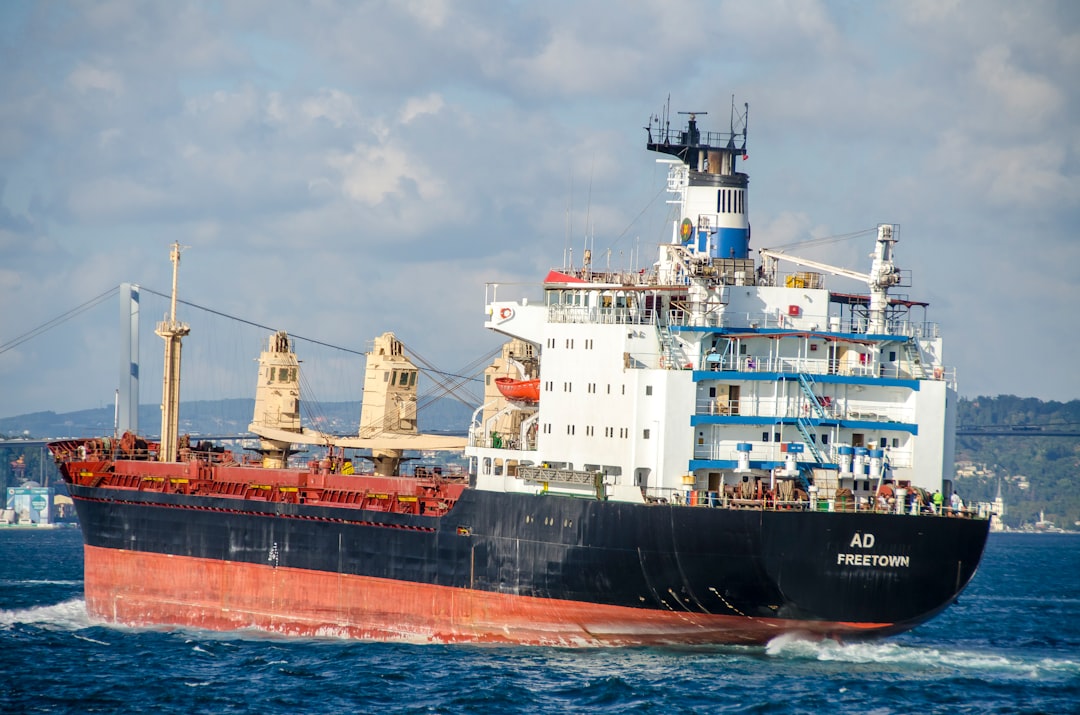
The geopolitical tremors emanating from the Russia-Ukraine conflict have sent ripples across the global agricultural landscape, none more acutely felt than in the realm of fertilizer shipping routes. This complex web, vital for feeding a burgeoning world population, has been significantly disrupted, creating a cascade of challenges for farmers, food producers, and ultimately, consumers. The world’s fertilizer supply chain, a finely tuned engine that powers global food production, has been thrown into disarray, demanding careful examination of the altered routes and their far-reaching consequences.
Russia and Ukraine’s Dominance in Fertilizer Production and Export
Prior to the full-scale invasion in February 2022, both Russia and Ukraine occupied pivotal positions in the global fertilizer market. Russia, in particular, stood as a colossus, a leading exporter of key fertilizer components such as nitrogen, phosphate, and potash. Its vast natural gas reserves, a critical feedstock for nitrogen fertilizers, provided a considerable competitive advantage. Ukraine, while not possessing the same scale as Russia, was also a significant producer and a crucial transit hub for fertilizer exports originating from Russia. Their combined output represented a substantial portion of the world’s readily available, and critically, affordably priced fertilizer. This established infrastructure, built over decades, was the bedrock upon which much of the world’s agricultural output was built. Think of it as the well-worn and efficient highway system that allowed foodstuffs to travel freely across continents.
The Intricate Global Supply Chain: A Delicate Interdependence
The fertilizer supply chain is not a simple, linear process. It involves a complex interdependence of raw material extraction, manufacturing, and distribution. Russia’s dominance in potash, for instance, meant that countries globally relied on its output to supplement their own production. Similarly, Ukrainian ports played a vital role in facilitating the onward journey of these essential agricultural inputs to markets in Europe, Asia, and Africa. This intricate network meant that a disruption at one point could have a domino effect, impacting countless downstream operations. The interconnections were so profound that a tremor in one region could be felt as an earthquake in another, disrupting planting seasons and threatening food security.
The ongoing conflict between Russia and Ukraine has significantly disrupted global fertilizer shipping routes, leading to increased prices and supply shortages in various regions. For a deeper understanding of the broader implications of this crisis on agricultural markets and trade dynamics, you may find the article on the topic insightful. It explores how geopolitical tensions can reshape supply chains and affect food security worldwide. For more information, visit this article.
The Conflict’s Immediate Shockwaves: Blockades and Sanctions
Disruption of Black Sea Shipping: Ukraine’s Export Lifeline Severed
The most immediate and devastating impact on fertilizer shipping routes stemmed from the conflict’s eruption in Ukraine. The Black Sea, a critical artery for Ukrainian agricultural exports, including fertilizers, was effectively blockaded. Ukrainian ports, the gateways to international markets, became either inaccessible or extremely hazardous due to ongoing hostilities and naval blockades. This severed the primary export lifeline for Ukrainian-produced fertilizers and significantly hampered the transit of Russian fertilizers through Ukrainian territory. The once-bustling ports, humming with the activity of cargo ships, fell silent, leaving vast quantities of essential goods stranded. This was akin to closing the main arteries of a global circulatory system, causing immediate and severe distress.
Sanctions and Export Restrictions: Russia’s Market Access Hindered
In response to the invasion, a raft of international sanctions was imposed on Russia. While many sanctions were not directly aimed at fertilizer exports, they created significant indirect disruptions. Russian fertilizer producers faced challenges in accessing international shipping, insurance, and financial services. Banks became more hesitant to process transactions related to Russian goods, and shipping companies grew wary of operating in or near Russian waters. Furthermore, some countries implemented their own export restrictions or voluntary restrictions on Russian fertilizer purchases, driven by political considerations or a desire to avoid association with the aggressor. This created a chilling effect, making it difficult for even legitimate fertilizer shipments from Russia to find their way to hungry markets.
Navigating the New Shipping Landscape: Rerouting and Increased Costs
The Shift to Alternative Routes: Longer Journeys and Higher Expenses
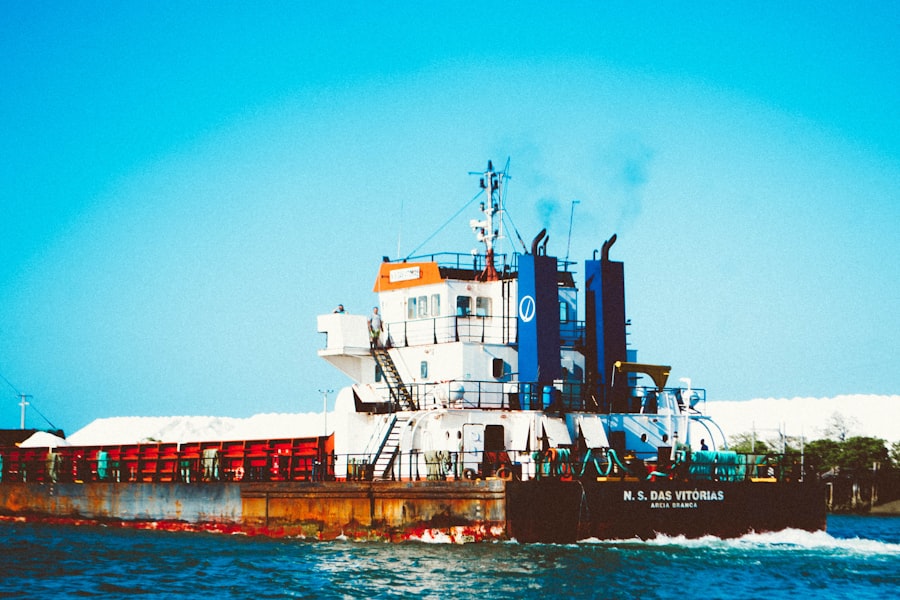
With the Black Sea routes severely compromised, global fertilizer traders and producers were forced to seek alternative shipping methods. This often involved significantly longer and more complex journeys. Fertilizers that once flowed smoothly from Ukrainian or Russian ports could now be rerouted through land routes to European ports, or via the Baltic Sea, adding considerable transit time and expense. For regions heavily reliant on affordable fertilizer, these rerouting efforts translated into a dramatic increase in shipping costs. The economic calculus for farmers shifted, making it more expensive to access the inputs needed to cultivate their crops. This was like forcing a car that normally travels on a direct highway to take a labyrinthine network of backroads, increasing fuel consumption and travel time.
Increased Demand on Other Shipping Hubs and Infrastructure Strain
The diversion of fertilizer traffic placed immense strain on existing shipping infrastructure in other regions. Ports that were not accustomed to handling such large volumes of fertilizer began to experience congestion. Shipping capacity, already stretched due to pre-existing global supply chain issues, became even tighter. This increased demand meant that securing vessel space and paying for freight became a competitive sport, further driving up prices. The ripple effect was palpable, as the entire maritime logistics network struggled to adapt to the sudden influx of rerouted cargo.
The Ramifications for Global Food Security: A Looming Threat
Price Volatility and Affordability Crisis for Farmers
The combined impact of disrupted shipping routes, increased transport costs, and reduced availability of fertilizers has led to unprecedented price volatility in the global fertilizer market. Farmers, especially in developing countries, found themselves facing a stark choice: absorb the exorbitant costs of fertilizers, which could cripple their businesses, or forgo their use altogether, thereby risking significantly lower yields. This affordability crisis for farmers directly translates into a threat to global food security. When farmers cannot afford the essential inputs to grow crops, the overall food supply diminishes, leading to higher food prices for consumers and, in some cases, food shortages. The very foundation of our global food system, built on the back of accessible and affordable fertilizers, began to creak under the strain.
Reduced Crop Yields and Potential for Food Shortages
The lack of access to fertilizers, or the inability to afford them, inevitably leads to reduced crop yields. Plants, denied the nutrients they need to thrive, will produce less. This reduction in the output of staple crops like wheat, corn, and rice can have a profound impact on global food availability. In regions already struggling with food insecurity, the conflict’s impact on fertilizer routes could exacerbate existing problems, pushing millions closer to starvation. The global food basket, which relies on the smooth flow of agricultural inputs, is being emptied at an alarming rate.
The ongoing conflict between Russia and Ukraine has significantly disrupted global fertilizer shipping routes, leading to increased prices and supply shortages that affect agricultural production worldwide. A related article discusses the broader implications of these disruptions on food security and trade dynamics, highlighting how countries are adapting to the changing landscape. For more insights on this topic, you can read the article here.
Future Outlook and Mitigation Strategies: Rebuilding Resilience
| Metric | Pre-War Data (2021) | Post-War Data (2023) | Impact Description |
|---|---|---|---|
| Fertilizer Export Volume from Russia (million tons) | 15.2 | 9.5 | Significant reduction due to sanctions and disrupted logistics |
| Average Shipping Time (days) | 20 | 35 | Increased due to rerouting around Black Sea and restricted ports |
| Shipping Route Changes | Direct Black Sea routes | Longer routes via Baltic Sea and alternative ports | Black Sea ports blockaded or unsafe, forcing longer routes |
| Cost Increase in Shipping per Ton (%) | Baseline | +40% | Higher fuel and insurance costs due to risk and longer routes |
| Global Fertilizer Price Index | 100 (baseline) | 160 | Price surge linked to supply chain disruptions and export limitations |
| Number of Fertilizer Shipments Delayed (monthly average) | 50 | 120 | Delays caused by port closures and increased inspections |
The Quest for Diversified Sourcing and Production
In the wake of these disruptions, there is a growing imperative to diversify fertilizer sourcing and production. Countries that were heavily reliant on Russia and Ukraine are actively seeking alternative suppliers, encouraging domestic production, and investing in new fertilizer manufacturing facilities. This includes exploring partnerships with countries in the Middle East, North Africa, and Southeast Asia, which possess abundant natural gas reserves or other essential raw materials for fertilizer production. The aim is to create a more resilient and less geographically concentrated fertilizer supply chain, reducing vulnerability to single-point failures. This is like planting a diverse garden, rather than relying on a single crop that is susceptible to disease.
Investing in Sustainable Agriculture and Nutrient Management
Beyond immediate supply chain adjustments, the conflict has also highlighted the long-term need to invest in sustainable agriculture practices and improved nutrient management. This includes promoting the efficient use of fertilizers, encouraging the adoption of organic fertilizers, and developing innovative farming techniques that reduce reliance on synthetic inputs. Technologies that allow for precision application of fertilizers, ensuring that nutrients are delivered precisely where and when they are needed, can significantly reduce waste and environmental impact, while also mitigating the economic burden on farmers. The hope is to build a more robust and self-sustaining agricultural ecosystem, less prone to the vagaries of geopolitical events.
The Russia-Ukraine conflict’s impact on fertilizer shipping routes is a stark reminder of the interconnectedness of our global systems. The disruption of these vital arteries has sent shockwaves through the agricultural sector, threatening food security and economic stability worldwide. Navigating this challenging landscape requires a multifaceted approach, encompassing immediate logistical adjustments, long-term investment in diversified sourcing and production, and a renewed commitment to sustainable agricultural practices. The world’s ability to feed itself hinges on its capacity to adapt and rebuild a more resilient foundation for its most essential industry.
FAQs
What are the main fertilizer shipping routes affected by the Russia-Ukraine war?
The primary fertilizer shipping routes affected include those passing through the Black Sea and the Baltic Sea, as these are key transit points for Russian and Ukrainian fertilizer exports. Disruptions in these areas have led to rerouting and delays.
How has the Russia-Ukraine war impacted global fertilizer supply?
The conflict has caused significant disruptions in the supply chain, leading to reduced availability of fertilizers from Russia and Ukraine, two major exporters. This has contributed to increased prices and supply shortages in various regions worldwide.
What alternatives have been used to transport fertilizers amid the conflict?
To circumvent blocked or unsafe maritime routes, exporters have shifted to overland transport via rail and road, as well as using alternative ports in neighboring countries. However, these alternatives often come with higher costs and logistical challenges.
Has the war influenced fertilizer prices globally?
Yes, the war has led to increased fertilizer prices globally due to supply constraints, increased transportation costs, and uncertainty in the market. This has affected agricultural production costs in many countries.
What measures are being taken to mitigate the impact on fertilizer shipping?
Efforts include seeking alternative shipping routes, increasing production in other fertilizer-exporting countries, and international cooperation to keep key ports and corridors operational. Additionally, some countries are exploring stockpiling and diversifying fertilizer sources to reduce dependency.