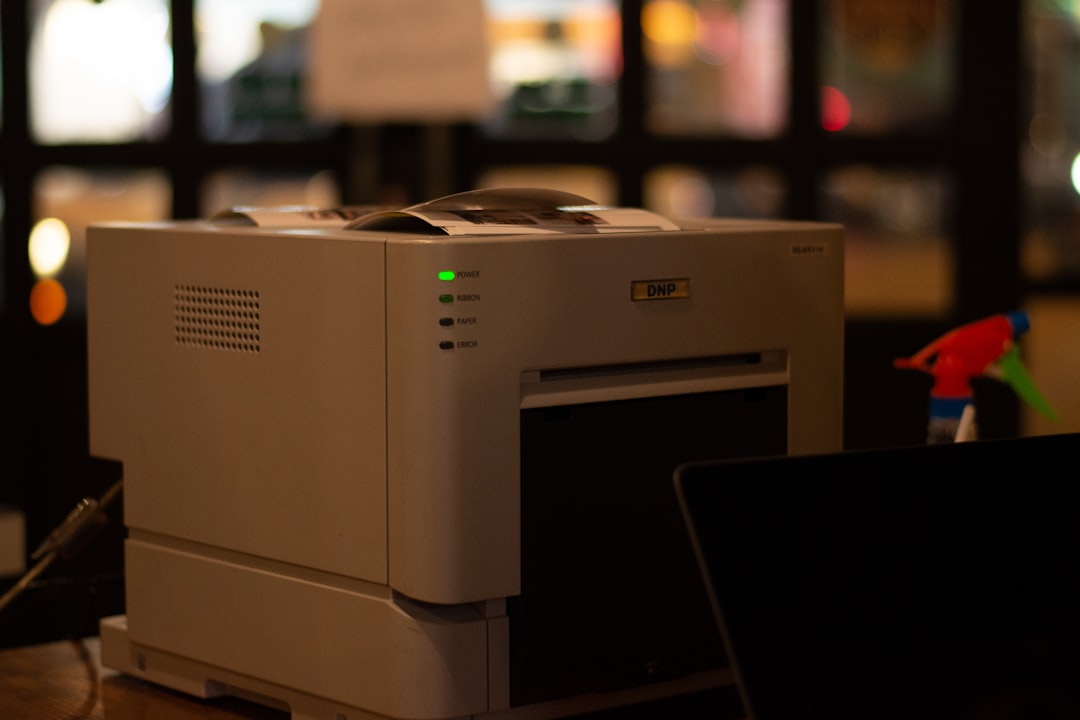
Printers, those often indispensable tools of modern life, can be the source of significant frustration when they cease to function as intended, especially when a critical component like the ink supply appears to be in perfect working order. The paradox of a printer refusing to print with what appears to be ample ink is a common dilemma that can leave users bewildered and their important documents stalled. This article delves into the multifaceted reasons why a printer might cease printing despite registering full ink cartridges. We will explore the intricate workings of these devices and the common pitfalls that lead to this perplexing situation, offering a comprehensive understanding for the user navigating this technological labyrinth.
The assumption that a full ink cartridge directly translates to a functioning printer is a simplification of a more complex system. Ink level sensors, the unsung heroes (or enigmas) of printer operation, are responsible for communicating the approximate amount of ink remaining to the printer’s internal logic. However, these sensors are not infallible fortunetellers and can be prone to misinterpretation.
How Ink Level Sensors Work (and Don’t Work)
Ink level sensors in inkjet printers typically operate using one of a few primary methods. Some employ optical sensors that measure the light reflected from the ink surface. Others utilize float mechanisms, similar to the mechanism in a toilet tank, that rise and fall with the ink level. Many modern printers, particularly those with integrated ink tanks or continuous ink systems, may use pressure sensors or capacitive sensing technology to gauge the ink volume.
The “fullness” reported by these sensors is often an estimation based on the cartridge’s initial fill level or a programmed resistance value. They are not a precise volumetric measurement but rather a judgment call made by the printer’s firmware.
Common Sensor Malfunctions
- Electronic Interference: External factors such as static electricity, power surges, or even proximity to other electronic devices can disrupt the delicate signals from ink level sensors. This interference can cause the sensor to report incorrect data, leading the printer to believe the ink is depleted when it is not. Imagine a whisper in a crowded room; the message gets lost or distorted.
- Cartridge Seating Issues: A common culprit is an improperly seated ink cartridge. If the cartridge is not firmly clicked into place, the electrical contacts that allow the ink level sensor to communicate with the printer may be broken. This disconnect renders the sensor’s readings moot, and the printer will refuse to acknowledge the cartridge, regardless of its ink content. It’s akin to a key not fully engaging in its lock; the system remains inaccessible.
- Sensor Contamination: Over time, minuscule amounts of ink, dust, or debris can accumulate on the sensor or its contact points. This contamination can impede the sensor’s ability to accurately detect the ink level, leading to erroneous readings. Think of it as a foggy lens obscuring a clear view.
- Firmware Glitches: The printer’s internal software, or firmware, is the brain of the operation. Occasionally, bugs or glitches within the firmware can cause incorrect interpretation of sensor data. This can manifest as the printer believing a full cartridge is empty, or vice versa. Software, like any complex creation of logic, can develop its own quirks.
- Design Limitations of the Sensor: It is important to acknowledge that the technology employed by ink level sensors, especially in older or less expensive models, is not always sophisticated. They are designed to provide a general indication rather than an exact measurement. This inherent limitation means that even under ideal conditions, their accuracy can be compromised.
Printers can be frustrating when they stop working despite having full ink cartridges, often due to various underlying issues such as software glitches, clogged nozzles, or incorrect settings. For a deeper understanding of this common problem and potential solutions, you can read a related article that explores the reasons behind printer malfunctions even when ink levels appear sufficient. Check it out here: Why Do Printers Stop Working with Full Ink?.
Blocked Ink Flow: The Silent Clog
Even with a perfectly functioning ink level sensor and a full cartridge, the ink must be able to travel from the cartridge to the print head to be applied to the paper. Blockages within the ink delivery system are a frequent cause of printing failures when ink levels appear nominal.
The Journey of Ink: From Cartridge to Paper
Once the printer registers a successful ink level and receives a print command, a series of intricate steps takes place. The print head, a marvel of micro-engineering, is energized, causing tiny nozzles to open and close with incredible speed. Ink is precisely ejected through these nozzles onto the paper, forming the image or text. For this process to occur, a consistent and unobstructed flow of ink from its reservoir to these nozzles is paramount.
Why Ink Clogs Develop
- Dried Ink Residue: This is perhaps the most common cause of ink clogs. When a printer is not used regularly, or when a cartridge is left exposed to air for too long, the ink within the nozzles and ink pathways can begin to dry out, forming stubborn blockages. These dried ink particles act like tiny dams, impeding the flow. Imagine a dried-up riverbed; the water can no longer pass freely.
- Air Bubbles in the Ink System: Air can enter the ink system through various means, such as during cartridge replacement, if the printer is stored improperly, or if there is a leak in the system. These air bubbles can disrupt the capillary action that draws ink from the cartridge to the print head, effectively creating a blockage. A bubble can act as an airlock, preventing smooth passage.
- Contamination of Ink: While less common with reputable ink brands, foreign particles or impurities in the ink itself can contribute to clogs. These contaminants can settle in the fine print head nozzles, leading to blockages. It is akin to introducing grit into a delicate timepiece; it will eventually grind to a halt.
- Print Head Clogging (Nozzle Blockages): The print head is the most susceptible component to clogging. Its microscopic nozzles are prone to blockages from dried ink, dust, or debris. Many printers have self-cleaning cycles designed to combat this, but these are not always effective for severe or persistent clogs.
- Ink Delivery Tube Blockages (in CISS/Ink Tank Systems): Printers employing Continuous Ink Supply Systems (CISS) or larger integrated ink tanks have a network of tubes that deliver ink. These tubes can also become clogged with dried ink or air. This is particularly frustrating as these systems are designed for extended use and are often chosen to avoid frequent cartridge changes.
Not Just Ink: Other Essential Components
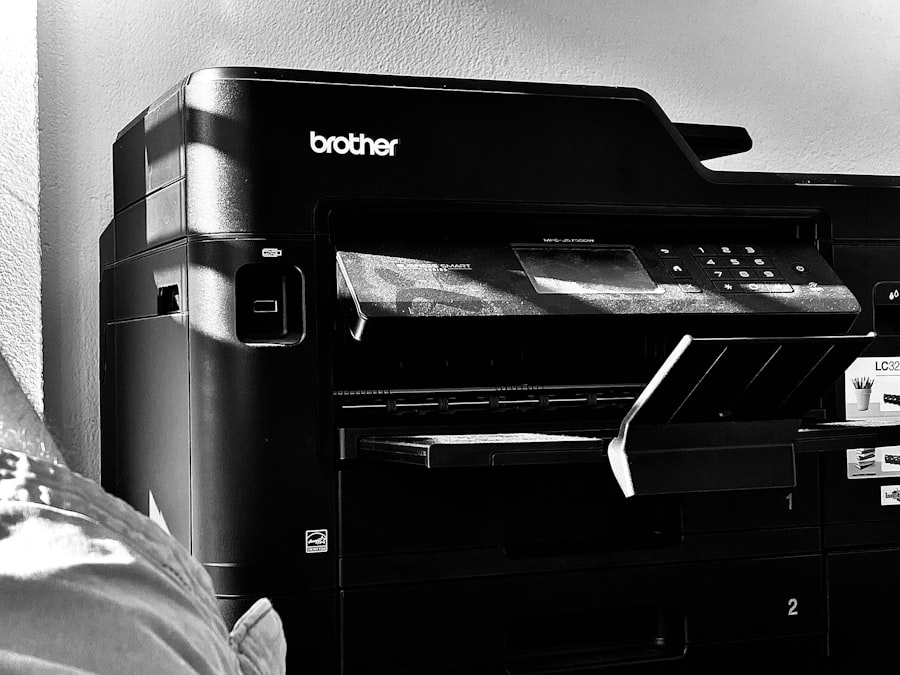
The printer is a symphony of interconnected parts, and the absence or malfunction of any single component can halt the entire performance, even if the ink itself is plentiful.
The Role of the Print Head
The print head is the heart of the inkjet printer, responsible for depositing ink onto the paper. It contains hundreds of tiny nozzles, each no wider than a human hair, that spray ink droplets with remarkable precision. If the print head is damaged, contaminated, or its electrical signals are compromised, it cannot perform its function, irrespective of the ink supply.
Print Head Issues to Consider
- Physical Damage: Dropping the printer, inserting a cartridge incorrectly, or attempting to clean the print head with abrasive materials can lead to physical damage, such as bent or broken nozzles. This damage is often irreparable.
- Electrical Malfunctions: The print head relies on electrical signals to operate its nozzles. Issues with the ribbon cable connecting the print head to the main logic board, or a failure within the print head’s internal circuitry, can prevent it from functioning. Imagine a faulty wire interrupting the flow of electricity to a vital organ.
- Wear and Tear: Like any mechanical component, print heads have a finite lifespan. Over time, repeated use and the inherent stresses of the printing process can lead to their degradation and eventual failure.
Encoder Strip and Sensor Issues
The printer uses an encoder strip, a clear plastic strip with fine markings, and a corresponding sensor to track the precise position of the print head as it moves across the paper. If this strip is dirty, damaged, or the sensor is malfunctioning, the printer will not know where to place the ink accurately and may refuse to print altogether to avoid producing misaligned output. This is akin to a car’s navigation system losing its GPS signal; it cannot guide the vehicle effectively.
Software and Driver Problems: The Digital Director
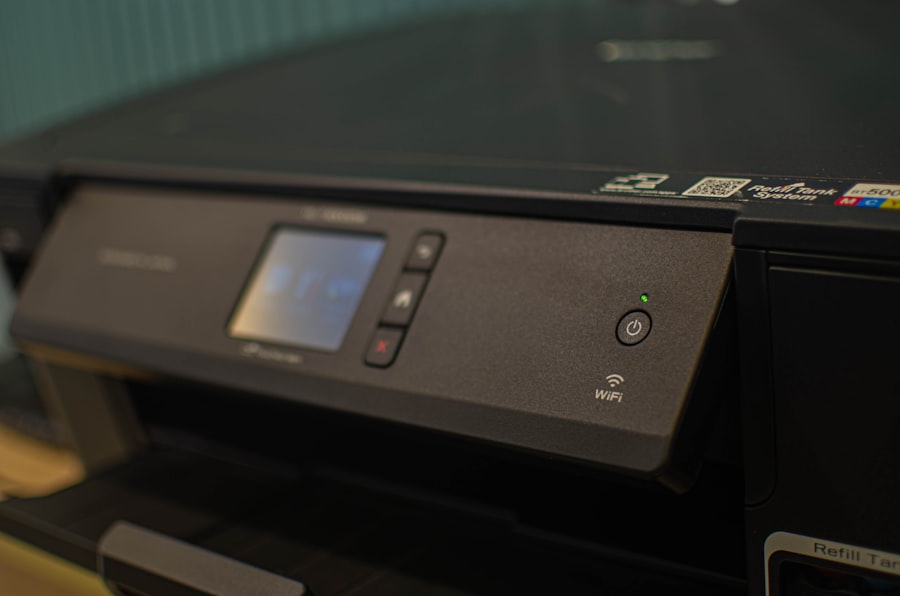
Beyond the physical components, the software that governs the printer’s operation plays a crucial role. Malfunctioning drivers or corrupted software can lead to a printer refusing to acknowledge its ink supply or process print jobs.
The Communication Breakdown
Drivers are the translators between your computer’s operating system and the printer’s hardware. They interpret your print commands and translate them into instructions that the printer can understand. If these drivers are outdated, corrupted, or incompatible, communication can break down, leading to a range of printing errors, including the phantom “empty ink” message.
Common Software and Driver Pitfalls
- Outdated Drivers: Manufacturers frequently release updated drivers to improve performance, fix bugs, and ensure compatibility with new operating system versions. Using outdated drivers can lead to compatibility issues and unexpected behavior. It’s like trying to play a new video game on an old console; it’s not designed to work together.
- Corrupted Driver Files: Driver files can become corrupted due to system errors, malware, or incomplete installations. This corruption can prevent the driver from functioning correctly, leading to the printer not recognizing the ink levels or even the printer itself being unavailable.
- Incorrect Driver Installation: Installing the wrong driver for your specific printer model or operating system will inevitably lead to problems. This is a fundamental misstep, like using a wrench to hammer a nail.
- Operating System Updates: Sometimes, major operating system updates can introduce incompatibilities with existing printer drivers. If the printer manufacturer has not yet released a compatible driver, you may encounter printing issues.
- Firmware Issues: The printer’s internal firmware, as mentioned earlier, can also be susceptible to bugs. These can be resolved through firmware updates provided by the manufacturer.
Printers can be frustrating when they suddenly stop working, even with full ink cartridges. This issue often arises due to a variety of factors, including software glitches, clogged print heads, or connectivity problems. If you’re curious to learn more about the common reasons behind this perplexing situation, you might find this article helpful. It delves into the intricacies of printer malfunctions and offers practical solutions. For further insights, check out this informative article that explores why printers can fail despite having sufficient ink.
The “Smart” Cartridge Conundrum: Beyond Simple Ink
| Reason | Description | Impact on Printer Function | Common Symptoms |
|---|---|---|---|
| Ink Cartridge Sensor Error | Printer sensors may incorrectly detect ink levels even when cartridges are full. | Printer may refuse to print or show error messages. | Ink level warnings despite full cartridges, printer stops printing. |
| Clogged Printhead | Ink can dry and clog the printhead nozzles, preventing ink flow. | Print quality degrades or printer stops printing. | Streaks, missing colors, or blank pages. |
| Cartridge Chip Malfunction | Chips on cartridges communicate ink levels; malfunction can cause errors. | Printer may not recognize cartridge or think it is empty. | Cartridge error messages, refusal to print. |
| Firmware or Software Bugs | Printer firmware may have bugs affecting ink level detection. | Printer may stop working or misreport ink status. | Unexpected error messages, printer freezes. |
| Incorrect Cartridge Installation | Improperly seated cartridges can cause communication errors. | Printer may not detect ink or refuse to print. | Cartridge not recognized, error alerts. |
| Air Bubbles in Ink Cartridge | Air trapped inside cartridge can block ink flow. | Ink does not reach printhead, causing printing failure. | Faded prints, missing colors. |
Modern ink cartridges are often more than just simple reservoirs of ink; they are “smart” devices equipped with chips that communicate with the printer. These chips store information about the cartridge, including its type, region, and crucially, an estimated ink level. This intelligence, while intended to enhance user experience, can also introduce its own set of frustrations.
The Chip’s Role in Ink Management
The chip on an ink cartridge is the primary interface for conveying information to the printer. It stores a counter that the printer uses to track ink usage. When the printer believes this counter has reached zero, it will often refuse to print, even if there is still a small amount of ink remaining. This is a deliberate design choice by manufacturers to prevent printing with poor quality that can arise from critically low ink levels.
Reasons for Smart Cartridge Issues
- Chip Resetting Errors: If a cartridge is refilled or if there’s an issue with the chip during manufacturing, the ink level might not reset correctly. The printer will then continue to read the old, depleted level, regardless of the actual ink present.
- Region-Locking: Some manufacturers employ region-locking technology, where cartridges are designed to work only in specific geographic regions. If a cartridge from a different region is used, the chip may flag it as invalid, preventing printing.
- Counterfeit or Third-Party Cartridge Issues: While many third-party cartridges are excellent alternatives, their chips are not always perfectly compatible with the printer’s firmware. This can lead to the printer misinterpreting the ink level or rejecting the cartridge entirely. It’s like trying to use a generic key in a high-security lock; it might not fit or be recognized.
- Chip Damage: The chip itself can be physically damaged or become detached from the cartridge, preventing any communication with the printer.
- Firmware Updates that Block Non-OEM Chips: In some instances, manufacturer firmware updates can be designed to recognize and block non-original equipment manufacturer (OEM) ink cartridges, even if they are technically full. This is a contentious practice, often aimed at encouraging the purchase of branded inks.
- “Over-Gassing” of Cartridges: In rare cases, certain refilling processes can introduce excess air into a cartridge, which can interfere with the chip’s readings or the printer’s internal mechanisms.
While the frustration of a printer refusing to print with a seemingly full ink cartridge is universally understood, a systematic approach to troubleshooting, considering the interplay of the ink level sensors, ink flow pathways, crucial print head components, the governing software, and the intelligence of the ink cartridge itself, can often illuminate the path to resolution. By understanding these common issues, users can move beyond bewilderment and begin to diagnose and potentially rectify the problem, bringing their printing tasks back to life.
FAQs
Why do printers stop working even when the ink cartridges are full?
Printers may stop working despite full ink cartridges due to issues such as clogged print heads, software or driver problems, incorrect cartridge installation, or communication errors between the printer and computer.
Can clogged print heads cause a printer to stop working with full ink?
Yes, clogged or dried ink in the print heads can prevent ink from flowing properly, causing the printer to malfunction or produce poor-quality prints even if the cartridges are full.
How can software or driver issues affect printer functionality?
Outdated or corrupted printer drivers and software can cause the printer to stop responding or fail to recognize full ink cartridges, leading to printing errors or stoppages.
Is incorrect cartridge installation a common reason for printers not working?
Yes, if ink cartridges are not properly installed or seated in their slots, the printer may not detect them correctly, resulting in printing failures despite having full ink.
What steps can be taken to fix a printer that stops working with full ink?
Common troubleshooting steps include cleaning the print heads, updating or reinstalling printer drivers, checking cartridge installation, restarting the printer and computer, and ensuring there are no connectivity issues.