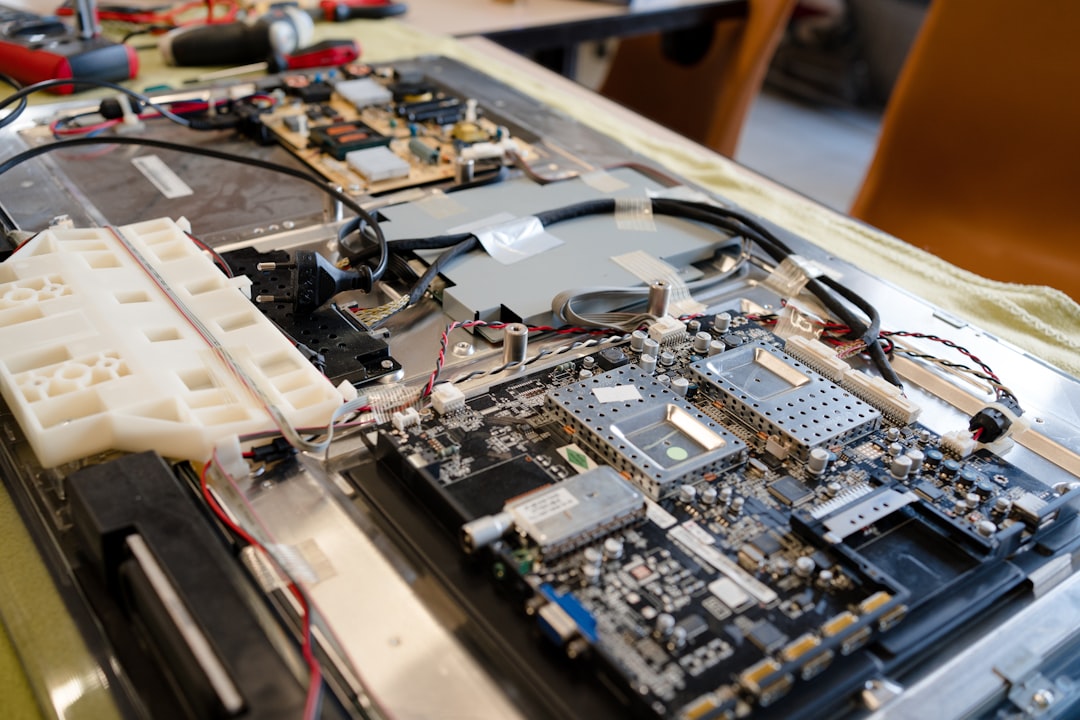
The increasing complexity and interconnectedness of modern electronic devices have brought about a significant societal shift. As the lifespan of these products often outpaces the ability or willingness of manufacturers to provide accessible repair services, particularly outside of warranty periods, a growing movement advocating for the “right to repair” has emerged. This movement posits that consumers should have the ability to repair their own electronics, or choose independent repair providers, without undue restrictions. This article will explore the landscape of electronic repair, the barriers to achieving it, and actionable strategies for individuals and communities to protect and reclaim this essential right.
Modern electronics are marvels of engineering, but this sophistication often comes at a cost to repairability. Manufacturers, driven by various motivations including product differentiation, intellectual property protection, and the desire to maintain control over the service ecosystem, have increasingly implemented practices that hinder independent repair.
Obfuscation of Schematics and Service Manuals
A significant barrier to DIY repair is the lack of readily available technical documentation.
Lack of Publicly Accessible Diagrams
Manufacturers frequently guard their schematics and board-level diagrams as proprietary secrets. These documents are analogous to a physician withholding a patient’s medical chart; without them, diagnosis becomes a guessing game. This information is crucial for understanding how a device functions, identifying faulty components, and determining the correct repair procedures. Without access, independent technicians are forced to rely on reverse-engineering or piecing together information from unofficial sources, a process that is time-consuming, expensive, and prone to error.
Limited Availability of Repair Manuals
Even when service manuals exist, they are often only made available to authorized service centers, effectively locking out independent repair shops and individual consumers. These manuals contain step-by-step instructions, troubleshooting guides, and lists of approved replacement parts. Their deliberate scarcity creates a bottleneck, forcing consumers back to the manufacturer or authorized repair networks, which can be much more expensive.
The Scarcity of Replacement Parts
The availability of genuine, quality replacement parts is another critical component of the repair ecosystem. When manufacturers control the supply chain for these parts, they can significantly influence the viability of independent repair.
Manufacturer-Controlled Parts Distribution
Many manufacturers adopt a “closed ecosystem” approach to parts distribution. This means that replacement components, such as screens, batteries, charging ports, or specific microchips, are often only sold directly to their authorized service partners. For consumers or independent shops, obtaining these parts can be extraordinarily difficult, extremely expensive, or simply impossible. This approach often treats replacement parts like exclusive commodities, rather than essential components needed to extend the life of a product.
Uncommon and Proprietary Components
Beyond availability, some manufacturers utilize unique or proprietary components that are not standardized across the industry. These parts may be custom-designed for a specific model, rendering them incompatible with any other device. This forces consumers to rely solely on the manufacturer for replacements, eliminating any possibility of sourcing from third-party suppliers or salvaging from other devices. It’s akin to needing a specific, custom-made bolt for a car that can only be purchased from the car’s manufacturer; this level of specificity stifles competition and drives up costs.
Software Locks and Firmware Restrictions
In the digital age, software plays an equally crucial role in the functioning and repairability of electronics. Manufacturers have increasingly leveraged software to control device behavior, including its repairability.
Activation Locks and Pairing Mechanisms
Many devices, particularly smartphones and tablets, employ “activation locks” or “pairing mechanisms” that link hardware components to specific software or cloud accounts. For example, replacing a screen on certain devices might trigger an error message or disable functionality if the new screen is not “authenticated” by the manufacturer’s software. This is often framed as a security measure, but it can also serve to prevent the use of non-genuine parts or independent repairs, as only manufacturer-approved technicians can bypass these locks.
Digital Signatures and Firmware Validation
Sophisticated firmware validation and digital signature checks can prevent a device from booting or operating correctly with unauthorized software or firmware updates. Even if a component is physically replaced, the device’s internal software may refuse to recognize or utilize it without proper digital authorization. This can be a significant hurdle for repairing older devices where manufacturers may cease supporting firmware updates, or for utilizing aftermarket components that haven’t been digitally “vetted” by the manufacturer. This practice can be seen as a digital padlock, securing the device’s internal workings and dictating who has the key.
To learn more about how to protect your right to repair electronics, you can check out this informative article that discusses various strategies and resources available to consumers. It highlights the importance of advocating for legislation that supports repairability and provides tips on how to find repair-friendly products. For further insights, visit this article.
Recognizing the Benefits of Electronic Repair
The push for the right to repair is not simply about consumer convenience; it’s rooted in a recognition of broader societal and environmental benefits.
Economic Advantages for Consumers and Small Businesses
Empowering consumers and independent technicians with the ability to repair electronics yields significant economic advantages.
Cost Savings for Consumers
The most immediate benefit for consumers is the potential for substantial cost savings. Manufacturer-authorized repairs, especially for out-of-warranty devices, can often be prohibitively expensive, sometimes approaching the cost of a new device. Independent repair shops and DIY efforts, by contrast, can offer more affordable solutions, extending the useful life of electronics and allowing consumers to allocate their resources more effectively. This reduces the financial burden of technological obsolescence.
Job Creation and Support for Local Economies
The growth of independent repair businesses fosters job creation within local communities. These businesses, which range from small, family-run shops to larger repair networks, employ technicians, customer service representatives, and administrative staff. Supporting these businesses keeps capital within local economies and provides alternative employment opportunities for skilled workers, counteracting the trend of consolidation in the technology repair sector.
Environmental Sustainability and Waste Reduction
The environmental impact of electronic waste (e-waste) is a growing global concern. The right to repair is a key strategy in mitigating this crisis.
Reducing E-Waste Landfill Burden
The vast majority of discarded electronics end up in landfills, where they can leach toxic materials into the soil and groundwater. When devices are repaired instead of replaced, the rate at which they enter the waste stream is significantly reduced. This directly alleviates the pressure on landfill capacity and minimizes the environmental contamination associated with e-waste. Each repair is a small victory against the mountain of discarded devices.
Conservation of Natural Resources
The manufacturing of electronic devices is resource-intensive, requiring the extraction of precious metals, rare earth elements, and other raw materials. These resources are finite. By extending the lifespan of existing devices through repair, the demand for newly manufactured components is reduced, thereby conserving these valuable natural resources and lessening the environmental footprint of mining and extraction processes. This conservation is akin to using a well-maintained tool for as long as possible, rather than constantly buying new ones.
Fostering Innovation and Digital Literacy
Beyond economic and environmental gains, the right to repair can also stimulate innovation and enhance digital literacy within the population.
Encouraging Product Design for Longevity
When manufacturers are aware that consumers and independent repairers will be examining and servicing their products, there is an incentive to design devices that are more modular, durable, and easier to disassemble and reassemble. This shifts the focus from disposability to longevity, encouraging more sustainable and user-friendly product design. It pushes manufacturers to think of their products not just as consumer goods, but as items intended to be maintained.
Empowering Consumers with Technical Knowledge
The act of repairing electronics, whether through DIY efforts or by interacting with independent repair technicians, demystifies complex technology. It empowers individuals with a greater understanding of how their devices work, the components involved, and the potential for troubleshooting and maintenance. This increased digital literacy can lead to more informed consumer choices and a greater appreciation for the technology we use daily.
Strategies for Protecting Your Right to Repair
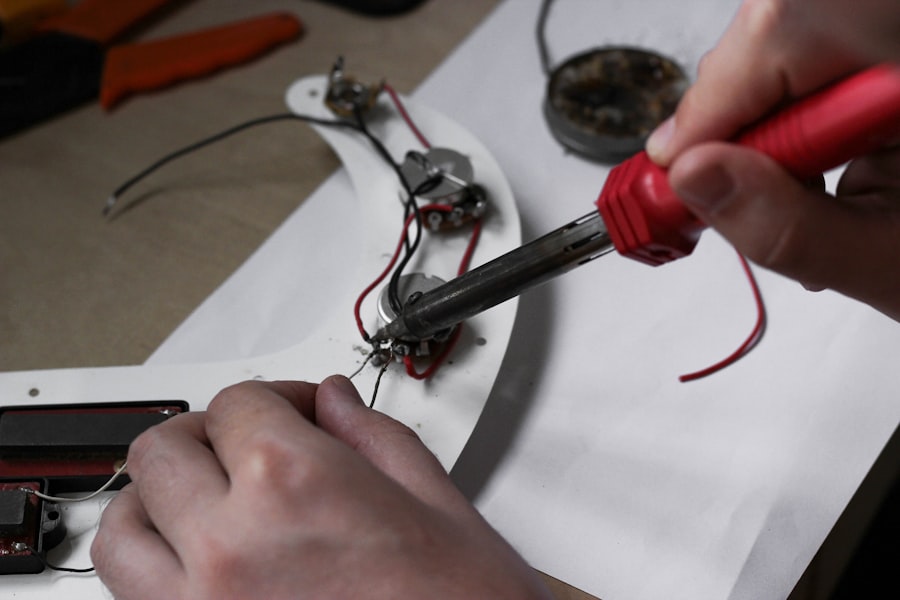
Advocating for and exercising the right to repair requires a multifaceted approach, involving individual actions, community engagement, and political advocacy.
Educating Yourself and Making Informed Purchasing Decisions
Knowledge is the first weapon in the fight for repairability. Understanding the landscape of electronic repair and making conscious choices as a consumer can have a ripple effect.
Researching Brand Repairability Scores
Several organizations and consumer advocacy groups now publish “repairability scores” for various electronic devices and brands. These scores typically evaluate factors such as ease of disassembly, availability of parts and manuals, and the use of proprietary components. Before purchasing a new device, consult these resources to understand a manufacturer’s commitment to repairability. Choosing brands that score well supports companies that are more aligned with repair-friendly practices. This is akin to checking the nutritional labels before buying food; you’re assessing the underlying ingredient quality and long-term health implications.
Prioritizing Modular and Open Designs
When possible, opt for devices that are designed with modularity in mind. This means components can be easily swapped out without requiring extensive disassembly or specialized tools. Look for products that utilize standard screws, readily available connectors, and clearly demarcates internal components. Open designs, where manufacturers are transparent about their product architecture, also tend to be more repairable.
Considering Refurbished and Certified Pre-Owned Devices
Purchasing refurbished or certified pre-owned electronics can be an economically and environmentally sound choice. These devices have often been repaired and restored to full functionality by the manufacturer or authorized refurbishers. This practice supports the repair ecosystem and reduces the demand for new manufacturing, effectively extending the life cycle of electronics.
Supporting Independent Repair Businesses
Independent repair shops are the frontline warriors for the right to repair. Their continued existence and success are vital.
Seeking Out Local Repair Technicians
Whenever a repair is needed for a non-warranty item, prioritize seeking out independent, local repair shops. These businesses are often more flexible, offer competitive pricing, and contribute to the local economy. They are also a vital source of information and a testament to the viability of independent repair. Ask friends, neighbors, or check online reviews for reputable shops in your area. This is like choosing a local farmer’s market over a large supermarket; you’re supporting a more direct and personalized system.
Encouraging Transparency and Skill-Sharing
Engage with independent repair businesses to understand their challenges and successes. Encourage them to be transparent about their repair processes and pricing. Support initiatives that promote skill-sharing and education within the independent repair community, helping to maintain and grow the pool of experienced technicians.
Advocating for Legislative Change
While individual actions are important, systemic change often requires legislative intervention.
Understanding and Supporting Right to Repair Legislation
Many jurisdictions are actively considering or have passed “right to repair” legislation. These laws typically mandate that manufacturers provide access to parts, tools, diagnostic software, and service information to consumers and independent repair providers on fair and reasonable terms. Educate yourself about the right to repair bills being proposed in your region and actively support their passage. This involves contacting your elected officials, signing petitions, and participating in public comment periods.
Joining Consumer Advocacy Groups
Numerous consumer advocacy organizations are at the forefront of the right to repair movement. Joining these groups, donating to their causes, or volunteering your time can significantly amplify their efforts. These organizations have the resources and expertise to lobby lawmakers effectively and raise public awareness. They act as a collective voice, ensuring that the concerns of consumers and repair advocates are heard.
Practical Steps for DIY Electronics Repair

For those with a penchant for tinkering or a desire to save money, undertaking DIY electronic repairs can be a rewarding, albeit sometimes challenging, endeavor.
Gathering Essential Tools and Equipment
Having the right tools is paramount for successful and safe electronic repairs.
Investing in a Quality Toolkit
A basic electronics repair toolkit should include a set of precision screwdrivers with various head types (Phillips, Torx, Pentalobe), spudgers or plastic prying tools to avoid damaging casings, an anti-static wrist strap to prevent electrostatic discharge (ESD) from damaging sensitive components, and tweezers for handling small parts. As your repair skills grow, you may consider investing in a soldering iron, desoldering tools, and magnifying lamps.
Utilizing Diagnostic Tools
For more complex repairs, diagnostic tools can be invaluable. This includes multimeters to test voltage, current, and resistance, logic analyzers for examining digital signals, and USB testers to check power delivery. Many smartphones and computers also have built-in diagnostic modes or can utilize third-party diagnostic software.
Safe and Effective Disassembly and Reassembly
Approaching the physical repair process with care and precision is crucial.
Documenting the Process
Before you even begin to loosen a screw, take clear photographs of the device from all angles, paying close attention to cable routing, screw placement, and component orientation. As you disassemble, take more photos at each step. This documentation will be your roadmap for reassembly, preventing costly mistakes and ensuring all parts are returned to their correct positions. This methodical approach is like creating a detailed blueprint before constructing a building.
Handling Components with Care
Electronic components are often delicate. Always handle circuit boards by their edges, avoid touching exposed chips or connectors directly, and use ESD-safe tools and practices. When removing components, do so gently and systematically, using appropriate tools to avoid bending pins or damaging the board.
Proper Reassembly and Testing
After replacing a faulty component, carefully reassemble the device, referring to your documented steps. Ensure all cables are securely connected and all screws are replaced in their original locations. Once reassembled, power on the device and perform thorough testing to confirm that the repair has been successful and that no new issues have arisen.
Sourcing Replacement Parts Responsibly
Finding reliable sources for replacement parts is key to a successful repair.
Reputable Online Retailers and Third-Party Suppliers
Numerous online retailers and specialized third-party suppliers offer a wide range of replacement parts for various electronic devices. Look for suppliers with clear return policies, positive customer reviews, and detailed product descriptions. While genuine manufacturer parts are ideal, high-quality aftermarket components can often be a viable and more affordable alternative. Websites like iFixit, Electronic Goldmine, and Amazon often carry a good selection.
Salvaging Parts from Donated or Broken Devices
For some repairs, especially on older or less common devices, salvaging functional components from a similarly broken or donated device can be a cost-effective solution. This requires identifying compatible parts and having the necessary tools for extraction. However, ensure the donor device is truly beyond repair before dismantling it.
In today’s world, protecting your right to repair electronics is becoming increasingly important as manufacturers often restrict access to parts and information. A great resource for understanding this issue further is an article that discusses various strategies and legal measures you can take to advocate for your rights. You can read more about it in this informative piece on the topic, which provides valuable insights into how to navigate the complexities of repair rights. For more details, check out the article here.
The Future of Electronic Repair
| Metric | Description | Recommended Action | Impact |
|---|---|---|---|
| Access to Repair Manuals | Availability of official repair guides and schematics | Advocate for legislation requiring manufacturers to publish repair information | Increases ability to perform safe and effective repairs |
| Availability of Spare Parts | Ease of obtaining original or compatible replacement parts | Support businesses that sell spare parts and push for open parts markets | Reduces electronic waste and repair costs |
| Right to Repair Legislation | Legal protections allowing consumers to repair their own devices | Engage in advocacy and support organizations promoting right to repair laws | Empowers consumers and extends product lifespan |
| Software Unlocking and Diagnostics | Access to software tools needed for diagnostics and unlocking devices | Demand manufacturers provide diagnostic software or open APIs | Enables thorough troubleshooting and repair |
| Consumer Awareness | Knowledge about repair options and rights | Educate yourself and others about repair rights and techniques | Increases repair rates and reduces unnecessary replacements |
The right to repair movement is gaining momentum globally, with legislative efforts and increased consumer awareness shaping the future landscape of electronics repair.
Evolving Legislation and International Cooperation
Governments worldwide are increasingly recognizing the necessity of right to repair legislation.
Global Push for Legislative Frameworks
Across North America, Europe, and parts of Asia, lawmakers are introducing and enacting laws that compel manufacturers to provide broader access to repair resources. These legislative frameworks are essential for enshrining the right to repair into law, creating a more level playing field for consumers and independent repair providers. The goal is to dismantle the artificial barriers that currently impede accessible and affordable repairs.
Manufacturer Responsiveness and Industry Adaptations
As legislative pressure mounts and consumer demand for repairable products grows, some manufacturers are beginning to adapt. This can manifest in offering more accessible parts and manuals, or designing products with improved repairability in mind. However, the pace of this adaptation varies significantly across the industry, and ongoing advocacy is crucial to ensure widespread change. This ongoing dialogue between regulators, consumers, and manufacturers is shaping the evolution of product lifecycles.
The Role of Technology in Empowering Repair
Technological advancements themselves can also play a role in simplifying and enhancing electronic repair.
Increased Use of Open-Source Hardware and Software
The proliferation of open-source hardware and software projects can contribute to a more repairable future. When designs and code are openly accessible, it fosters innovation and allows for independent modification and repair. This collaborative approach to technology development inherently supports longevity and accessibility.
Advancements in Diagnostic and Repair Technologies
Emerging diagnostic tools and repair technologies, such as advanced microscopy, AI-powered fault detection, and more sophisticated soldering equipment, can further empower technicians and DIY enthusiasts. These tools can help identify issues with greater precision and perform repairs that were previously too complex or time-consuming.
The journey to fully protect and reclaim the right to repair is ongoing. It requires a sustained commitment from individuals, communities, and policymakers to foster an environment where technology is designed for longevity, repairability is a standard feature, and consumers have the freedom to choose how they maintain and extend the life of their electronic devices. By understanding the challenges, embracing available strategies, and actively participating in advocacy efforts, individuals can contribute to a more sustainable, equitable, and empowering future for electronics repair.
FAQs
What is the Right to Repair movement?
The Right to Repair movement advocates for laws and policies that allow consumers and independent repair shops to access the necessary tools, parts, and information to repair electronic devices. It aims to reduce electronic waste and give users more control over their products.
Why is protecting the Right to Repair important?
Protecting the Right to Repair ensures that consumers can fix their own devices or choose independent repair services without being forced to rely solely on manufacturers. This promotes sustainability, reduces repair costs, and extends the lifespan of electronics.
How can I support the Right to Repair?
You can support the Right to Repair by staying informed about related legislation, signing petitions, contacting your local representatives to express support, and choosing to repair devices rather than replace them when possible.
What challenges do consumers face regarding the Right to Repair?
Consumers often face challenges such as restricted access to repair manuals, proprietary tools, software locks, and limited availability of replacement parts. Manufacturers may also void warranties if repairs are done by unauthorized parties.
Are there any laws protecting the Right to Repair?
Several regions and countries have introduced or are considering Right to Repair legislation that requires manufacturers to provide access to repair information and parts. However, the extent and enforcement of these laws vary widely depending on the jurisdiction.