The Framework Laptop represents a significant departure from the prevailing disposable ethos in consumer electronics. By prioritizing repairability and upgradability at its core, Framework enables users to become active participants in the lifecycle of their devices, rather than passive consumers of sealed, proprietary hardware. This document explores the principles and practicalities of maximizing the potential of a Framework Laptop, treating it not as a black box, but as a modular system ripe for adaptation.
The design philosophy of the Framework Laptop is not an accident but a deliberate choice to address the growing problem of electronic waste and the inherent limitations of traditional laptop architectures. Unlike many contemporary devices, which are constructed using adhesives and specialized tools, making repairs difficult or impossible, Framework has engineered its laptops for ease of disassembly and component replacement. This foundational approach is the bedrock upon which all subsequent repair and upgrade efforts are built.
The Modular Architecture: A System of Interchangeable Parts
At the heart of the Framework Laptop’s repairability lies its modular design. This is akin to a sophisticated Lego set, where individual bricks can be easily detached and replaced.
Mainboard and CPU: The Brains of the Operation
The mainboard, encapsulating the CPU and other core processing units, is designed for relatively straightforward removal and replacement. This allows for future upgrades to newer, more powerful processors without necessitating an entirely new laptop. The process minimizes e-waste by allowing the majority of the device to remain intact while the central processing unit, the “brain,” can be updated.
Expansion Cards: Tailoring Connectivity to Your Needs
Framework’s innovative expansion card system is a prime example of user-centric design. Instead of soldering ports directly to the mainboard, Framework utilizes a USB-C connector system that allows users to select and swap out various ports based on their specific requirements.
USB-A and USB-C: The Ubiquitous Connectors
Users can choose to populate their expansion slots with standard USB-A or USB-C ports, catering to both legacy and modern peripherals. This flexibility ensures that the laptop can adapt to a constantly evolving peripheral landscape.
HDMI and DisplayPort: For Visual Versatility
For those who frequently connect to external displays, the option to include HDMI or DisplayPort expansion cards provides a direct path to high-resolution external monitors. This avoids the need for dongles and adapters, streamlining the user experience.
Other Specialized Ports: MicroSD and More
Framework also offers cards for less common but still valuable ports, such as MicroSD card readers, allowing for easy media transfer from cameras and other devices. This demonstrates a commitment to supporting a wide range of user workflows.
RAM and Storage: The Memory and Long-Term Storage
The Random Access Memory (RAM) modules and Solid State Drive (SSD) are standard components, readily available on the open market. This is a stark contrast to many laptops that use soldered RAM or proprietary SSD form factors.
DDR4 and DDR5 Support: Future-Proofing Memory
The ability to upgrade RAM is crucial for maintaining performance over time. Framework laptops are designed to accommodate various capacities and generations of DDR RAM, offering a clear upgrade path for memory-intensive tasks.
NVMe SSDs: Speed and Capacity Options
The NVMe SSD bay allows for the installation of readily available high-speed storage devices. Users can easily upgrade their SSD to a larger capacity or a faster model, improving boot times and application loading speeds.
Durability and Materials: Building for Longevity
Beyond its modularity, Framework employs durable materials and construction techniques to enhance the lifespan of its laptops.
Aluminum Chassis: Strength and Dissipation
The unibody aluminum chassis provides a robust and rigid enclosure, offering protection against physical damage. Aluminum also excels at dissipating heat, a critical factor in maintaining component longevity and performance.
Screws, Not Glue: The Foundation of Repairability
One of the most significant hallmarks of Framework’s repairability is its reliance on standard screws for assembly, rather than pervasive adhesives. This makes disassembly a straightforward process, akin to opening a tool chest.
The Framework Laptop has gained significant attention for its impressive repairability and upgrade path, making it a standout choice for environmentally conscious consumers. For those interested in learning more about the benefits of modular design in laptops, you can read a related article that delves deeper into this topic. Check it out here: Framework Laptop Repairability and Upgrade Path.
Maximizing Repairability in Practice: A Step-by-Step Approach
Understanding the design intent is only the first step; actively engaging with the repairability features is essential for maximizing the lifespan and utility of a Framework Laptop. This requires a proactive and informed approach.
Routine Maintenance: The Prophylactic Care of Your Device
Regular maintenance can prevent minor issues from escalating into costly repairs. Think of it as preventative healthcare for your laptop.
Cleaning the Vents and Fans: Ensuring Optimal Thermal Performance
Dust accumulation is a silent killer of electronic components. Regularly cleaning the laptop’s vents and fans with compressed air prevents overheating, which can lead to performance throttling and long-term damage. This is a simple yet critical step in maintaining the “circulatory system” of your device.
Keyboard and Trackpad Care: Maintaining Usability
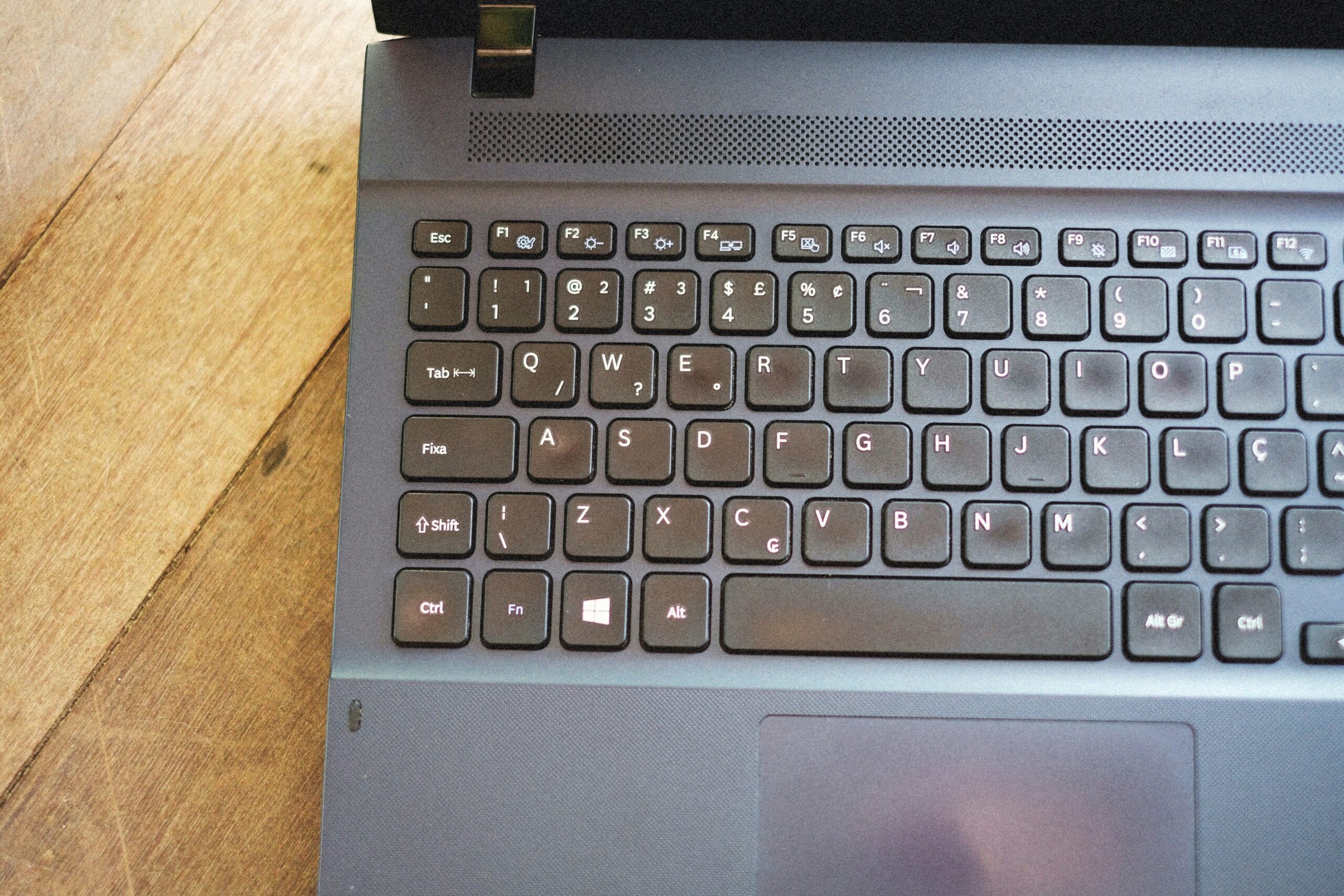
The keyboard and trackpad are the primary interfaces for interaction. Keeping them clean of debris and spills ensures their consistent functionality and prevents wear and tear. A clean keyboard is a responsive keyboard, directly impacting your productivity.
Component Replacement: Empowering User Intervention
When a component does fail, or when an upgrade is desired, Framework’s design empowers the user to perform the replacement.
Battery Replacement: Extending Operational Freedom
The battery is a consumable item, and its degradation over time is inevitable. Framework’s easily accessible battery replacement process allows users to restore their laptop’s operational freedom without requiring specialized service. This is akin to swapping out a depleted fuel tank to continue a journey.
Display and Bezel Replacement: Restoring Visual Integrity
Accidental drops or impacts can damage the display. Framework’s modular screen assembly facilitates the replacement of the entire display unit, including the bezel, restoring the laptop’s visual integrity efficiently.
Wi-Fi Card and Webcam Upgrades: Adapting to Evolving Standards
While not strictly repairs, the ability to upgrade components like the Wi-Fi card allows users to adopt newer, faster wireless standards as they emerge. Similarly, webcam modules can be upgraded to improve video conferencing quality, keeping pace with the demands of remote work.
Troubleshooting Common Issues: A User’s Toolkit
When problems arise, a user empowered by knowledge can often resolve them without external assistance.
Boot Issues: Diagnosing and Resolving Startup Problems
Understanding the diagnostic LEDs and common boot failure scenarios can help users identify the source of boot issues, whether it’s RAM, storage, or the mainboard. This is like learning to decipher warning lights on a car dashboard.
Connectivity Problems: Addressing Wi-Fi and Bluetooth Hiccups
Loose connections or driver conflicts can lead to Wi-Fi or Bluetooth issues. The modularity of the Wi-Fi card makes it easier to reseat or test a potential replacement to diagnose such problems.
Maximizing Upgradability: Future-Proofing Your Investment

The Framework Laptop is not designed to be a static object, but a dynamic platform that can evolve with your needs and technological advancements. This means looking beyond immediate repairs and considering the long-term potential of the hardware.
Processor Upgrades: The Path to Enhanced Performance
The modular mainboard design is a key enabler of processor upgrades. As newer generations of CPUs are released that are compatible with the Framework platform, users have the option to significantly boost their laptop’s performance.
Exploring Compatible Mainboard Generations: Staying Abreast of Innovation
Framework regularly releases updated mainboards with newer chipsets and processors. Monitoring these releases and understanding the compatibility matrix is crucial for planning future upgrades. This is akin to checking for available road improvements on your chosen travel route.
The Trade-off Between Cost and Performance: Making Informed Decisions
While upgrading the mainboard can be cost-effective compared to purchasing an entirely new laptop, it’s important to balance the cost of the upgrade against the projected performance gains and the lifespan of the existing components.
Memory and Storage Expansion: Growing with Your Data Demands
The readily accessible nature of RAM and storage allows for straightforward expansion to meet increasing data storage and processing requirements.
RAM Capacity Considerations: Optimizing for Multitasking and Demanding Applications
As software becomes more resource-intensive, increasing RAM capacity can significantly improve multitasking performance and the ability to run demanding applications smoothly.
SSD Size and Speed: Balancing Capacity, Speed, and Cost
The pursuit of larger and faster SSDs is a continuous one. Users can strategically choose SSDs that balance their storage needs with their budget and desired performance levels.
Beyond the Standard: Customization and Community Resources
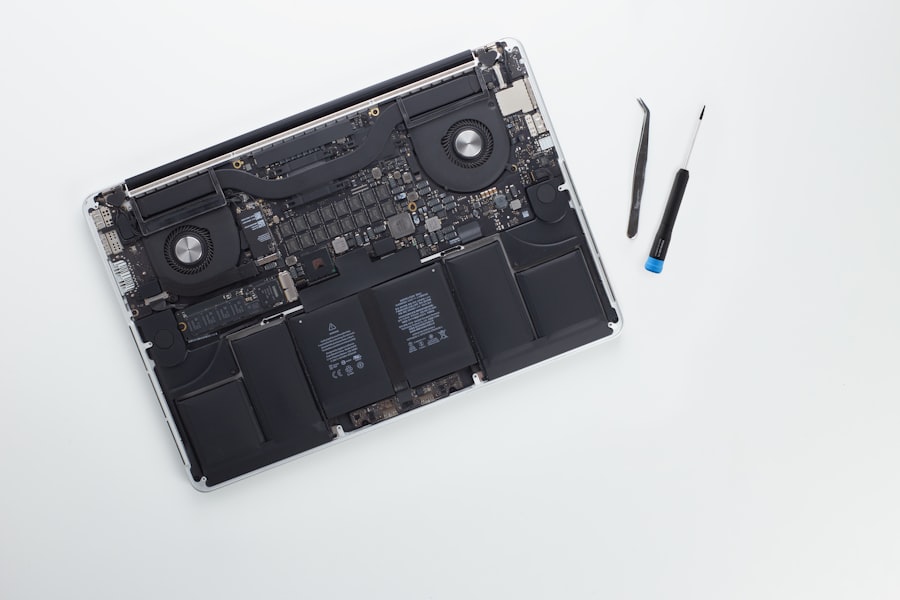
The commitment to repairability and upgradability extends beyond the official offerings, fostering a vibrant community of users and creators.
Community-Driven Mods and Upgrades: Expanding the Possibilities
The open nature of Framework’s design has encouraged a dedicated community to develop and share custom hardware modifications, unique expansion cards, and innovative usage scenarios. This is where the modularity truly blossoms, like a garden cultivated by many hands.
3D Printed Accessories and Custom Enclosures: Personalizing Your Device
The ability to 3D print custom parts allows users to create bespoke accessories, such as specialized stands, cable management solutions, or even entirely re-imagined enclosures, further personalizing their computing experience.
Community-Developed Hardware: Innovative Solutions from Enthusiasts
The passion of the Framework community has led to the development of niche hardware solutions, from specialized fan mufflers to extended battery packs, catering to a diverse range of user needs and preferences.
Documentation and Support: Empowering the User with Knowledge
Framework places a high value on user education and provides extensive documentation and support resources.
The Framework Repair Manual: Your Go-To Guide
The comprehensive repair manual, available online, serves as the primary resource for understanding disassembly, reassembly, and component replacement procedures. It’s the essential instruction booklet for your modular system.
Community Forums and Support Channels: Collaborative Problem Solving
The official Framework community forums and dedicated support channels provide a platform for users to ask questions, share experiences, and collaboratively troubleshoot issues. This collective knowledge base is an invaluable asset.
The Framework Laptop has garnered attention for its impressive repairability and upgrade path, making it a standout option for those who value sustainability and longevity in their devices. For a deeper dive into the benefits of modular design and how it impacts the tech industry, you can check out this insightful article on related topics at Hey Did You Know This. By prioritizing user-friendliness and accessibility, the Framework Laptop sets a new standard for what consumers should expect from their electronics.
The Long-Term Vision: Sustainability and User Empowerment
| Aspect | Details | Score / Rating | Notes |
|---|---|---|---|
| Repairability | Modular components, easy disassembly | 9/10 | Designed for user-friendly repairs with standard screws and replaceable parts |
| Upgrade Path | Supports CPU, RAM, storage upgrades | 8/10 | CPU socketed, RAM and storage slots accessible and replaceable |
| Battery Replacement | User-replaceable battery | 9/10 | Battery can be swapped without professional tools |
| Display Replacement | Modular display assembly | 8/10 | Display can be replaced independently from the mainboard |
| Keyboard Replacement | Hot-swappable keyboard modules | 9/10 | Keyboard can be replaced or upgraded easily |
| Port Expansion | Modular expansion cards | 10/10 | Users can add or swap ports like USB-C, HDMI, etc. |
| Documentation | Comprehensive repair guides and parts availability | 10/10 | Open-source repair manuals and community support |
The Framework Laptop is more than just a product; it’s a statement about the future of personal computing. By prioritizing repairability and upgradability, Framework empowers users to take control of their technology, reducing waste and fostering a more sustainable relationship with their devices.
Reducing E-Waste: A Conscious Choice
The traditional laptop lifecycle often ends with premature obsolescence, contributing to the growing problem of electronic waste. Framework’s approach directly combats this by extending the usable life of individual components and the device as a whole.
Shifting Towards a Circular Economy for Electronics: A Model for the Industry
Framework’s success offers a compelling model for how the electronics industry can transition towards a more circular economy, where products are designed for longevity, repair, and eventual resource recovery, rather than for immediate disposal.
Empowering Consumers: From Passive to Active Participants
By providing the tools and knowledge for users to repair and upgrade their own devices, Framework transforms consumers from passive recipients of technology into active participants in its lifecycle. This fosters a deeper understanding and appreciation for the products they use.
FAQs
What makes the Framework Laptop highly repairable?
The Framework Laptop is designed with modular components that can be easily removed and replaced. It uses standard screws instead of adhesives, and parts like the battery, screen, keyboard, and ports are all user-replaceable, which significantly enhances its repairability.
Can users upgrade the Framework Laptop’s hardware components?
Yes, the Framework Laptop supports upgrades for several key components including RAM, storage drives, and expansion cards. Its modular design allows users to swap out or upgrade parts without needing specialized tools or professional assistance.
Are replacement parts for the Framework Laptop readily available?
Framework provides an online marketplace where users can purchase official replacement parts and modules. This availability ensures that users can maintain and upgrade their laptops over time without difficulty.
Does the Framework Laptop support third-party upgrades?
While Framework primarily offers official parts, the laptop’s standard interfaces and modular design allow for some third-party components to be used, especially for storage and memory upgrades, provided they meet the laptop’s specifications.
How does the Framework Laptop’s design impact its environmental footprint?
By enabling easy repairs and upgrades, the Framework Laptop reduces electronic waste and extends the device’s lifespan. This sustainable approach helps minimize the environmental impact compared to traditional laptops that are harder to repair or upgrade.