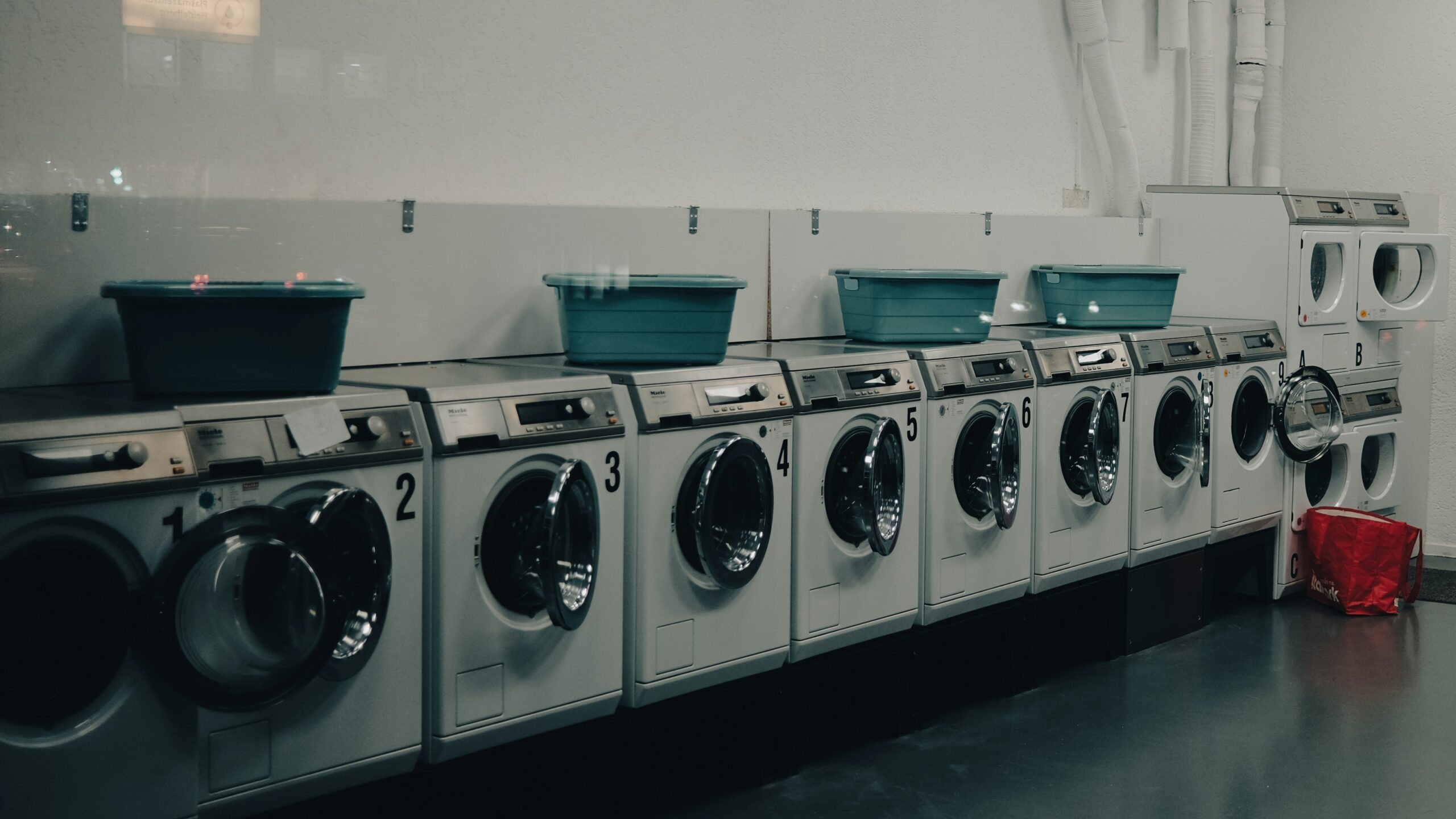
Washing machines, the unsung heroes of modern households, diligently cycle through loads of laundry, freeing up valuable time and energy for their owners. However, like any complex electromechanical device, they are not immune to failure. A common observation across many households is the propensity for washing machines to develop significant issues, often around the five-year mark of ownership. This phenomenon, aptly termed the “Five-Year Dilemma,” is not a mere coincidence but rather a confluence of engineering choices, material science limitations, and consumer usage patterns. Understanding the underlying reasons behind these breakdowns can empower consumers to make informed decisions, prolong the life of their appliances, and navigate the often-frustrating experience of a malfunctioning washing machine.
The concept of planned obsolescence, the practice of designing products with a deliberately limited lifespan, is often cited as a primary driver of appliance failures. While definitive proof of a universal conspiracy to make washing machines fail after a specific duration is elusive, a closer examination of their design reveals certain strategic choices.
Material Science and Component Durability
Washing machines contain a multitude of components, from the robust outer shell to the intricate electronic control boards. The materials used in these parts are chosen based on a balance of cost, performance, and expected lifespan. For many critical components, manufacturers may opt for materials that offer adequate functionality for a certain period but are not necessarily built to endure for decades.
The Bearing Bushings: Silent but Crucial
Tumbling drums are supported by bearing systems, often employing rubber or plastic bushings. These components are essential for smooth operation and vibration dampening. However, over time and with repeated exposure to water, detergent, and the constant friction of rotation, these bushings can degrade. Their wear can lead to increased noise, vibration, and eventually, drum misalignment, stressing other parts of the machine and potentially leading to a catastrophic failure. Think of them as the tiny shock absorbers on a car; when they wear out, the entire ride becomes rougher and puts undue stress on the chassis and suspension.
The Drive Belt: The Unsung Workhorse
The drive belt, which connects the motor to the drum, is another component subject to wear and tear. Made of rubber, it is susceptible to cracking, fraying, and stretching due to heat generated during operation and the mechanical forces it experiences. A snapped drive belt means a silent machine, unable to agitate or spin, rendering it effectively useless until replaced. This is akin to the serpentine belt in a car engine; its failure can bring the entire vehicle to a standstill.
The Heater Element: Battling the Scale
The heating element, responsible for warming the water, is constantly immersed in a solution that, over time, can lead to mineral buildup (scale). This scale acts as an insulator, reducing the efficiency of the heater and, in severe cases, causing it to overheat and fail. The constant exposure to hard water, a common issue in many regions, exacerbates this problem. Imagine a kettle with years of limescale inside; it takes longer to boil and eventually might burn out the heating coil.
Electronic Control Boards: The Brain’s Vulnerability
Modern washing machines are sophisticated appliances governed by complex electronic control boards. These boards house microprocessors, sensors, and relays that manage every aspect of a wash cycle. While these advancements offer convenience and efficiency, they also introduce vulnerabilities.
Heat and Moisture: The Electronic Nemesis
Electronic components are sensitive to both heat and moisture. Washing machines are inherently environments where both are present. The heat generated by the motor and the heating element, coupled with the humid atmosphere within the machine, can contribute to the degradation of solder joints and integrated circuits over time. Moisture ingress, even in small amounts, can lead to corrosion and short circuits. It’s like leaving a delicate circuit board exposed to a steamy bathroom; its lifespan will undoubtedly be shortened.
Power Surges: Unexpected Shocks
The electrical grid is not always a stable source of power. Power surges, often caused by lightning strikes or fluctuations in the grid, can send damaging spikes of electricity through the control board, frying sensitive components. While surge protectors can offer some mitigation, they are not always integrated as standard by manufacturers, leaving the control board exposed to these potentially destructive electrical jolts.
Many homeowners often wonder why their washing machines seem to break down after just five years of use. A related article that delves into this issue can be found at Hey Did You Know This, where it discusses common factors contributing to the premature failure of these appliances. From wear and tear to inadequate maintenance, the article provides insights that can help users extend the lifespan of their washing machines and make informed decisions when purchasing new ones.
Consumer Usage: The Human Element in Appliance Longevity
Beyond engineering choices, how consumers use and maintain their washing machines plays a significant role in their operational lifespan. Habits, both conscious and unconscious, can inadvertently hasten the demise of even well-built machines.
Overloading: A Recipe for Strain
A common mistake is overloading the washing machine. This puts excessive strain on the motor, the suspension system, and the drum bearings. When the drum is packed too tightly, clothes cannot move freely, leading to uneven weight distribution and increased stress on all internal components. Imagine trying to run a marathon with a backpack twice its intended weight; you wouldn’t get very far without significant damage.
The Drum’s Plea for Space
A washing machine drum is designed to accommodate a specific volume of laundry. Overloading prevents water and detergent from circulating effectively, leading to poorly washed clothes and potentially overworking the motor as it strains to turn the dense mass. This can also lead to the suspension system struggling to absorb the imbalance, causing undue wear and tear.
Improper Detergent Use: A Chemical Imbalance
The choice and amount of detergent can also impact a washing machine’s health. Using too much detergent can lead to excessive suds, which can clog pipes and filters, and leave residue on clothes and inside the machine. This residue, over time, can contribute to mold and odor issues, and potentially stress the pump. Conversely, using low-quality or incompatible detergents might not clean effectively and could leave behind mineral deposits.
The Suds Avalanche
Excessive suds can create a frothy barrier that prevents proper rinsing, leaving clothes feeling clammy and potentially leading to pump malfunctions as it struggles to expel the thickened mixture. The buildup of detergent residue inside the drum and pipes can also create an environment conducive to mold growth, a common complaint among washing machine owners.
Neglecting Maintenance: The Silent Deterioration
Many consumers view washing machines as “set it and forget it” appliances. However, periodic maintenance can significantly extend their lifespan. Ignoring simple tasks can lead to more complex and costly repairs down the line.
The Filter’s Silent Suffering
Most washing machines have a small filter, usually located at the bottom front of the appliance. This filter is designed to catch lint, coins, buttons, and other debris that might otherwise clog the drain pump. If this filter is not cleaned regularly, it can become heavily blocked, impeding water drainage and putting a strain on the pump. This is akin to a drain in your sink; if you don’t clear it of hair and debris, it will eventually become completely blocked.
The Drum’s Unseen Grime
Over time, a thin film of residue can build up inside the drum, particularly around the door seal. This can trap moisture and create an ideal breeding ground for mold and mildew, leading to unpleasant odors and potential damage to the seal itself. Regular cleaning of the drum and door seal, along with running an occasional empty hot wash with a cleaning agent, can prevent these issues.
The Five-Year Mark: A Convergence of Factors
The convergence of these factors often leads to a noticeable increase in washing machine malfunctions around the five-year period. By this point, components that were engineered for a moderate lifespan may have begun to show signs of wear. Consumer usage patterns, while not necessarily abusive, have subjected the machine to thousands of cycles, accumulation of detergent residue, and potential minor stresses.
Cumulative Wear and Tear: The Slow Erosion
The concept of cumulative wear and tear is fundamental to understanding appliance failures. No single event may cause abreakdown, but the continuous operation, the thermal expansion and contraction of materials, the friction of moving parts, and the exposure to water and chemicals all contribute to a gradual degradation of components. The five-year mark represents a point where this cumulative wear can become significant enough to trigger failures.
The Tiny Cracks Grow
Imagine a microscopic crack in a piece of glass. Initially, it may be imperceptible. However, with repeated bending, heating, and cooling, that crack can slowly propagate until the glass shatters. Similarly, small imperfections in plastic components or solder joints within a washing machine can expand over time due to operational stresses, eventually leading to a complete failure.
The “Good Enough” Design Compromise
Manufacturers often operate under the principle of designing products that are “good enough” for their intended purpose and expected lifespan. This means that while a component might function perfectly for five years, it might not be engineered with the robustness required for ten or fifteen years of continuous use. This is a business decision, balancing the desire for competitive pricing with the need for a certain level of reliability.
The Cost-Benefit Equation
The decision to use a certain grade of bearing, a specific type of motor, or a particular electronic component is often driven by a cost-benefit analysis. A more durable component might cost more to manufacture, increasing the overall price of the appliance. Consumers, in turn, may not be willing to pay a significantly higher price for a machine they expect to replace in roughly seven to ten years. Therefore, manufacturers might select components that offer a satisfactory performance over the anticipated ownership period.
Strategies for Extending Washing Machine Lifespan
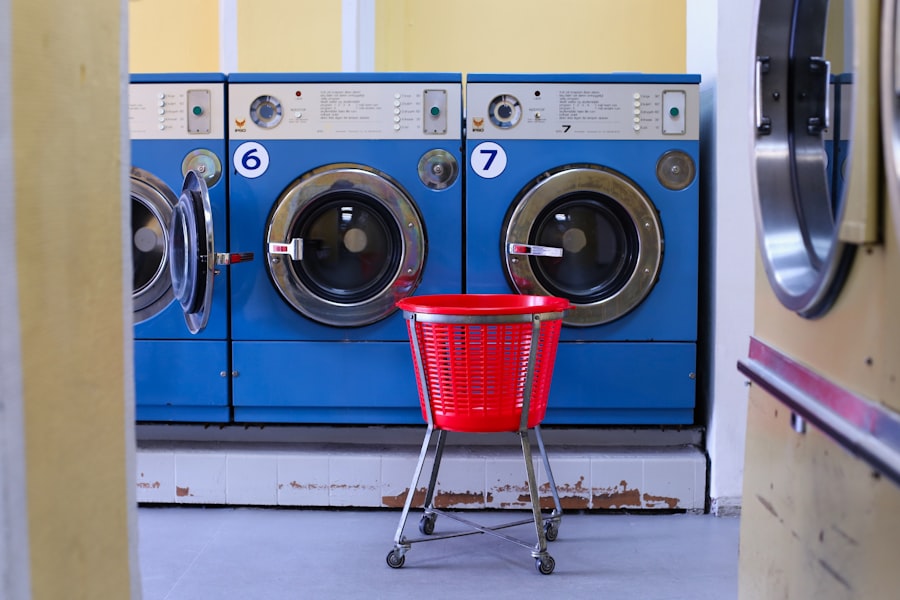
While the “Five-Year Dilemma” is a reality for many, it is not an insurmountable obstacle. By understanding the factors that contribute to breakdowns, consumers can adopt strategies to prolong the operational life of their washing machines and mitigate the need for premature replacement.
Proactive Maintenance: An Ounce of Prevention
Regular, albeit simple, maintenance can prevent many common failures. Neglecting these tasks is akin to ignoring an engine warning light in your car; it might seem insignificant at first, but it can lead to a much larger problem.
The Filter’s Health Check
Make it a habit to clean the washing machine’s filter every few months. This is a straightforward task that can prevent significant strain on the drain pump. Consult your user manual for the specific location and cleaning instructions for your model.
The Drum’s Deep Clean
Periodically run an empty hot wash cycle with a washing machine cleaner or a cup of white vinegar. This helps to remove detergent residue, prevent mold and mildew growth, and keep the drum and internal components clean. Don’t forget to wipe down the door seal after each wash.
Mindful Usage: Treating Your Appliance with Care
Conscious usage habits can significantly reduce the stress placed on your washing machine. Treating it with care is a form of preventive medicine.
The Art of the Half-Load
Avoid overloading the washing machine. If you find yourself consistently stuffing it to its limit, consider running more frequent, smaller loads. This ensures that clothes can move freely and the machine can operate efficiently.
The Right Tools for the Job
Use the recommended amount and type of detergent for your machine and water hardness. Experiment with different brands if you are experiencing excessive suds or residue. High-efficiency (HE) detergents are designed for modern washing machines and should be used accordingly.
Smart Purchasing Decisions: Investing for the Long Term
When it comes time to purchase a new washing machine, making informed choices can lead to a more durable and reliable appliance.
Research is Your Best Friend
Look beyond the advertised features and delve into reviews that focus on reliability and longevity. Websites that specialize in appliance reviews and consumer reports can be invaluable resources. Pay attention to common failure points mentioned by owners of specific models.
The Manufacturer’s Reputation
Some manufacturers have a better track record for producing durable appliances than others. Research the brand’s reputation for quality and customer service. While a higher initial cost might be incurred, investing in a more robust machine can save money and frustration in the long run.
Extended Warranties: A Calculated Risk
Consider purchasing an extended warranty, especially if you are investing in a higher-end model. Understand the terms and conditions of the warranty, including what is covered and for how long. This can provide peace of mind against unexpected repair costs.
Many homeowners often wonder why washing machines tend to break down after about five years of use. Factors such as wear and tear, inadequate maintenance, and the quality of components can all contribute to this common issue. For a deeper understanding of the reasons behind this phenomenon, you might find it helpful to read a related article that explores the lifespan of household appliances and offers tips on how to prolong their usability. You can check it out here for more insights.
Conclusion: Navigating the Lifecycle of Your Washing Machine
| Reason for Washing Machine Failure | Description | Common Metrics | Impact on Lifespan |
|---|---|---|---|
| Wear and Tear of Components | Continuous use causes parts like belts, bearings, and seals to degrade. | Average belt lifespan: 3-5 years Seal failure rate: 20% by year 5 |
Reduces machine efficiency and causes breakdowns after 5 years |
| Water Damage and Corrosion | Exposure to water and detergent leads to rust and corrosion of metal parts. | Corrosion incidents: 15-25% within 5 years Leakage frequency: 10% by year 5 |
Leads to leaks and electrical failures, shortening lifespan |
| Electrical Component Failure | Motors, control boards, and sensors can fail due to power surges or wear. | Motor failure rate: 10-15% by year 5 Control board issues: 8-12% by year 5 |
Causes machine to stop working or malfunction |
| Overloading and Improper Use | Frequent overloading stresses mechanical parts and reduces durability. | Overload-related failures: 25% of repairs within 5 years | Accelerates wear and leads to premature breakdowns |
| Inadequate Maintenance | Failure to clean filters, drums, and perform regular checks causes issues. | Maintenance neglect linked to 30% of failures by year 5 | Increases risk of malfunction and shortens machine life |
The “Five-Year Dilemma” is a complex issue stemming from a combination of engineering considerations, material limitations, and user behavior. While washing machines are not designed to last indefinitely, understanding the reasons behind their common failures empowers consumers to take proactive steps. By practicing mindful usage, performing basic maintenance, and making informed purchasing decisions, you can significantly extend the lifespan of your washing machine, reduce unnecessary waste, and save yourself the considerable hassle and expense of premature replacement. The washing machine, a modern marvel, deserves to be cared for, and with a little attention, it can continue to serve your household effectively for years beyond the dreaded five-year mark.
FAQs
Why do washing machines commonly break after five years?
Washing machines often break after five years due to wear and tear on key components such as the motor, drum bearings, and seals. Frequent use, hard water, and lack of maintenance can accelerate this deterioration.
What are the most common parts that fail in washing machines after a few years?
Common parts that fail include the drum bearings, door seals, water pumps, belts, and electronic control boards. These components are subject to mechanical stress and water exposure, which can lead to failure over time.
Can regular maintenance extend the lifespan of a washing machine?
Yes, regular maintenance such as cleaning filters, checking hoses, avoiding overloading, and using the correct detergent can help extend the lifespan of a washing machine and prevent premature breakdowns.
Does the brand or model affect how long a washing machine lasts?
Yes, the brand and model can influence durability. Higher-quality machines with better materials and engineering tend to last longer, while cheaper models may have a shorter lifespan due to lower-quality components.
Is it more cost-effective to repair or replace a washing machine after five years?
It depends on the extent of the damage and repair costs. Minor repairs can be cost-effective, but if major components like the motor or control board fail, replacement might be more economical given the age of the machine.