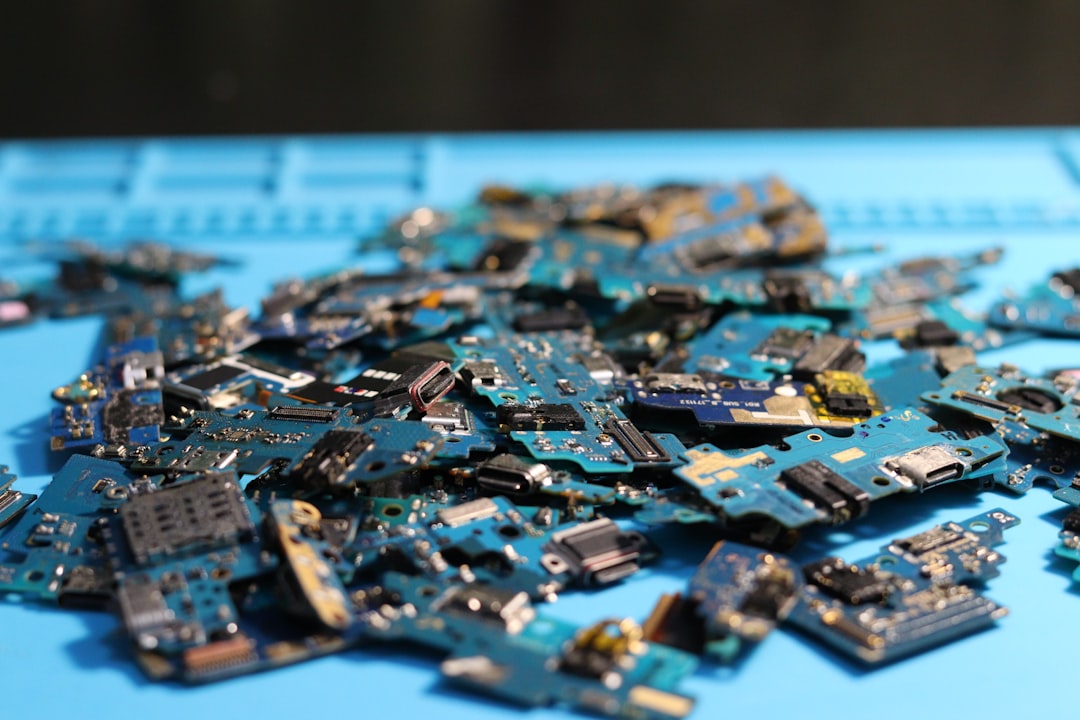
Navigating the labyrinthine world of obsolete electronics presents a common challenge for individuals and organizations alike. As the technological landscape evolves at a breakneck pace, so too does the accumulation of discarded devices, from smartphones and laptops to printers and televisions. This growing mountain of e-waste, if not managed responsibly, poses significant environmental and health risks. Furthermore, the valuable resources embedded within these devices, such as rare earth metals and precious metals, are lost to the linear “take-make-dispose” economic model. This guide aims to illuminate the path toward safe and ethical electronics recycling, transforming a daunting task into a manageable and impactful endeavor.
The proliferation of electronic devices has ushered in an era of unprecedented convenience and connectivity. However, this digital revolution comes with a hidden cost: the exponential growth of electronic waste, or e-waste. Failing to address this burgeoning issue is akin to leaving a ticking time bomb in our landfills and oceans.
The Environmental Peril of E-Waste
When electronic devices are unceremoniously discarded in standard waste streams, they often find their way to landfills. Within these sites, the intricate circuitry and components of these devices begin a slow, toxic decomposition. Heavy metals such as lead, mercury, and cadmium, integral to the functioning of many electronics, leach into the soil and groundwater. This contamination can poison vital water sources, rendering them unsafe for consumption and harming aquatic ecosystems. Furthermore, the burning of e-waste in informal recycling operations releases harmful pollutants into the atmosphere, contributing to air pollution and posing respiratory health risks. A single discarded smartphone, seemingly insignificant, contains a cocktail of hazardous materials that, when aggregated across millions of devices, magnifies into an environmental crisis.
The Economic Opportunity in E-Waste
Beyond the environmental imperative, responsible e-waste recycling represents a significant economic opportunity. Modern electronics are intricate assemblers of valuable materials. Discarded devices are not mere refuse; they are urban mines, rich with precious metals like gold, silver, copper, and palladium, alongside critical raw materials such as aluminum and iron. Extracting these materials from existing electronics is often more energy-efficient and less environmentally destructive than mining virgin resources. By embracing circular economy principles, where materials are kept in use for as long as possible, we can reduce our reliance on finite natural resources, create new industries, and foster economic growth. The challenge lies in establishing robust systems to reclaim these valuable components.
The Social and Health Implications
The human cost of improper e-waste disposal is often overlooked. In many regions, informal recycling practices, often driven by economic necessity, expose vulnerable populations, including children, to dangerous chemicals without adequate protection. Workers handle hazardous materials with bare hands, inhaling toxic fumes and suffering long-term health consequences. Ethical recycling ensures that these processes are conducted in safe, regulated environments, protecting both workers and the communities surrounding these operations. Choosing certified recyclers is a pledge to uphold human dignity and well-being.
If you’re looking to recycle electronics safely and ethically, it’s essential to understand the proper methods and resources available. A related article that provides valuable insights on this topic can be found at Hey Did You Know This. This resource outlines the importance of responsible e-waste disposal and offers tips on how to find certified recycling centers, ensuring that your old devices are handled in an environmentally friendly manner.
Identifying What Constitutes E-Waste
A clear definition of what constitutes e-waste is the first step in effective management. While the term might seem straightforward, the scope is broader than many initially realize. Understanding this scope ensures that all relevant items are directed toward proper disposal channels.
Common Categories of E-Waste
E-waste encompasses a wide array of electronic and electrical equipment that has reached the end of its useful life. This includes, but is not limited to:
- Consumer Electronics: This is perhaps the most recognizable category and includes items like televisions, computers (desktops, laptops, tablets), monitors, printers, scanners, keyboards, mice, mobile phones, digital cameras, gaming consoles, portable media players, and DVD/Blu-ray players. These are the devices that often occupy prominent space in our homes and offices.
- Home Appliances: Larger appliances that are electrically powered also fall under the e-waste umbrella. For instance, refrigerators, freezers, washing machines, dryers, dishwashers, microwaves, and vacuum cleaners, when no longer functional, should be recycled.
- Office Equipment: Beyond personal computers, office environments generate significant e-waste. This includes photocopiers, fax machines, servers, network equipment (routers, switches), and uninterruptible power supplies (UPS).
- Telecommunications Equipment: This category covers a range of devices used for communication, such as landline phones, answering machines, and various types of networking hardware.
- Discarded Batteries: While not always considered e-waste in the same vein as a whole device, batteries contain hazardous materials and require specialized recycling processes separate from regular trash. This includes rechargeable batteries found in laptops and mobile phones, as well as single-use batteries.
Items That May Be Misclassified
It is crucial to distinguish e-waste from other discarded materials. For example, simple cables or chargers that are still functional, though perhaps no longer needed, might be reusable rather than direct e-waste. Similarly, items like light bulbs, while containing some hazardous materials in certain types (e.g., fluorescent bulbs), are often managed through separate specialized recycling programs. Understanding the specific composition and potential hazards of each item is key.
The Importance of WEEE Directives and Regulations
Many regions have implemented specific legislation, such as the Waste Electrical and Electronic Equipment (WEEE) Directive in the European Union, to govern the collection, treatment, and recycling of e-waste. These regulations aim to ensure that e-waste is handled in an environmentally sound manner and to encourage the reuse and recycling of components. Familiarizing yourself with local regulations is a critical component of responsible disposal.
Choosing a Reputable E-Recycling Partner
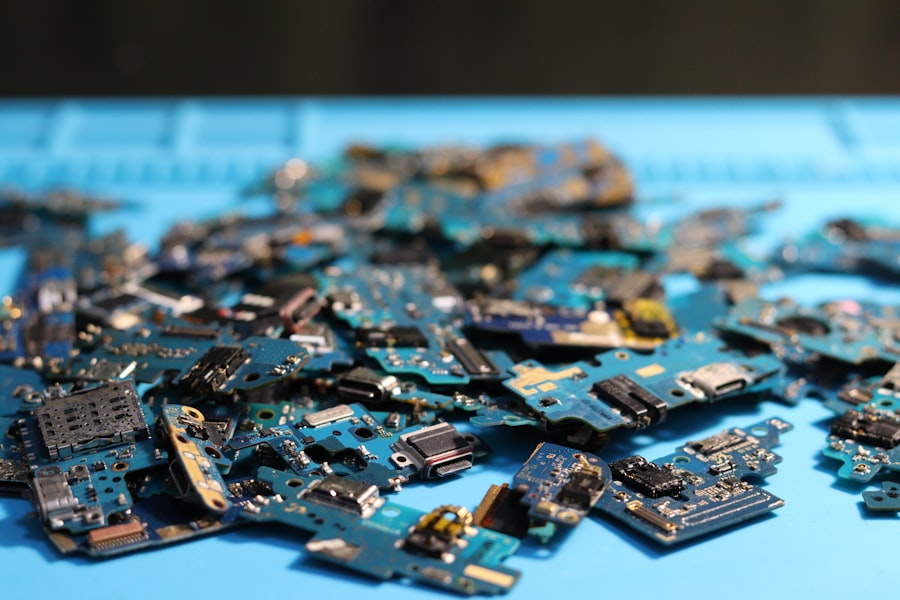
The selection of an e-recycling partner is paramount to ensuring that your discarded electronics are handled safely and ethically. Not all recycling facilities operate with the same standards, and choosing unwisely can inadvertently contribute to the very problems you are trying to avoid. A reputable partner acts as a guardian of your discarded technology, ensuring its responsible stewardship.
The Significance of Certification
Certification is a critical indicator of a recycler’s commitment to responsible practices. Look for organizations that are certified by recognized industry bodies. Some of the most widely respected certifications include:
- R2 (Responsible Recycling): This standard, developed by the Sustainable Electronics Recycling International (SERI), focuses on environmental, health, safety, and data security practices. It’s a robust framework for ensuring responsible e-waste handling.
- e-Stewards: This certification, overseen by the Basel Action Network (BAN), is known for its stringent standards, particularly concerning the export of hazardous e-waste to developing countries. It is often considered one of the most rigorous certifications available.
- ISO 14001: While not specific to e-waste, ISO 14001 is an international standard for environmental management systems. Certified recyclers have demonstrated a commitment to minimizing their environmental impact.
These certifications act as a beacon, guiding you toward partners who have undergone rigorous audits and adhere to strict environmental and social governance.
Assessing a Recycler’s Operational Practices
Beyond certifications, it’s beneficial to understand a recycler’s day-to-day operations. A trustworthy partner will be transparent about their processes. Consider the following:
- Data Security: Do they have robust procedures for securely destroying sensitive data from discarded devices? This is especially important for personal computers and mobile phones. Look for assurances of data sanitization or physical destruction of storage media.
- Environmental Compliance: Do they adhere to all local, regional, and national environmental regulations? This includes proper handling of hazardous materials, emission controls, and responsible waste disposal.
- Traceability and Transparency: Can they provide documentation regarding the destination of the materials they process? Ethical recyclers should be able to demonstrate where components are sent for further processing or reuse. Avoid recyclers who are reluctant to share such information.
- Downstream Management: What happens to the materials after they are processed? Reputable recyclers work with audited downstream vendors who also adhere to ethical and environmental standards. They should not be sending hazardous materials to unregulated processing sites.
The Pitfalls of Uncertified or Shady Operations
Choosing an uncertified recycler can be like navigating a minefield. Without oversight, there’s a significant risk that your e-waste could be exported to countries with lax environmental regulations, where it may be processed under egregious conditions, exposing workers and the environment to severe harm. These operations are often driven by cost-cutting measures that prioritize profit over ethical responsibility.
Preparing Your Electronics for Recycling
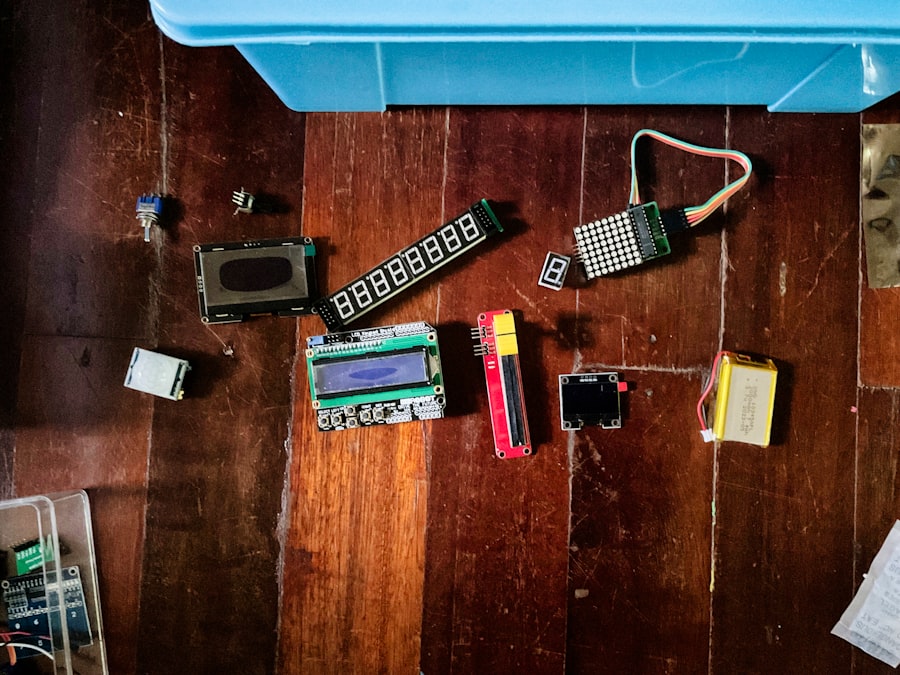
Before handing over your old devices, proper preparation is crucial, not only for efficient recycling but also for protecting your personal information. This prep work is akin to carefully packaging delicate items for transport, ensuring they arrive at their destination in the best possible state and without leaving behind any unwanted traces.
Data Protection: The Digital Ghost in the Machine
One of the most critical aspects of preparing electronics for recycling is ensuring the complete erasure of all personal data. Your devices are repositories of your digital life – photographs, financial information, personal correspondence, and login credentials. If this data falls into the wrong hands, it can lead to identity theft and other serious repercussions.
- Factory Reset: For most smartphones and tablets, a factory reset is a good starting point. This process wipes most user data and settings. However, it’s important to note that this doesn’t always guarantee complete data erasure, as some residual data might still be recoverable with specialized software.
- Data Wiping Software: For computers and laptops, more robust methods are recommended. Data wiping software can overwrite the hard drive multiple times with random data, making recovery extremely difficult, if not impossible. Many reputable recycling centers offer data destruction services, which might be preferable if you are not comfortable performing this yourself.
- Physical Destruction of Storage Media: For the highest level of security, physical destruction of hard drives, solid-state drives (SSDs), and other storage media is the most effective method. Many certified recyclers offer this service, which involves shredding or degaussing the media to render it unreadable.
Removing Batteries and Peripherals
In some cases, batteries may need to be removed from devices before recycling. Lithium-ion batteries, commonly found in laptops and mobile phones, can pose a fire hazard if damaged during the recycling process. Check with your chosen recycler for their specific requirements regarding battery removal. Additionally, remove any external peripherals such as chargers, cables, or cases that are not integral to the main device, as these may have separate recycling streams or could be reused independently.
Segregating Different Types of E-Waste
Not all e-waste is created equal, and different types of devices may require different recycling processes. It is often beneficial to segregate your e-waste into categories.
- Large Appliances: Refrigerators, washing machines, and other large appliances often contain refrigerants or other hazardous components that require specialized handling. They are typically collected separately by specialized recyclers or municipal waste services.
- Small Electronics: Devices like computers, monitors, and mobile phones can often be consolidated.
- Batteries: As mentioned, batteries should almost always be recycled separately due to their unique chemical composition and potential hazards. Look for dedicated battery recycling drop-off points.
Recycling electronics safely and ethically is crucial for reducing e-waste and protecting the environment. For those looking for comprehensive guidelines on this topic, you can explore a related article that offers valuable insights and tips. By following the recommendations provided, you can ensure that your old devices are disposed of responsibly. To learn more about the best practices for electronic recycling, check out this informative resource here.
Safe and Convenient E-Recycling Options
| Step | Action | Details | Benefits |
|---|---|---|---|
| 1 | Data Removal | Delete all personal data and perform a factory reset on devices. | Protects privacy and prevents identity theft. |
| 2 | Identify Hazardous Components | Recognize batteries, CRTs, and other toxic parts that require special handling. | Prevents environmental contamination and health risks. |
| 3 | Find Certified Recyclers | Use e-Stewards or R2 certified recyclers to ensure ethical processing. | Supports responsible recycling and fair labor practices. |
| 4 | Donate or Resell | Consider donating or selling working electronics to extend their life. | Reduces waste and supports community access to technology. |
| 5 | Proper Disposal | Drop off electronics at designated collection points or events. | Ensures devices are processed safely and materials recovered. |
| 6 | Stay Informed | Keep updated on local laws and recycling programs. | Complies with regulations and maximizes recycling effectiveness. |
Finding accessible and trustworthy channels for e-waste disposal is essential to facilitating responsible recycling. Fortunately, various options are available to individuals and businesses, making the process less of a hurdle and more of a convenient habit.
Manufacturer Take-Back Programs
Many electronics manufacturers have implemented take-back programs as part of their commitment to product stewardship. These programs often allow consumers to return old products directly to the manufacturer for recycling, sometimes free of charge. Checking the manufacturer’s website for their specific recycling policies is a worthwhile endeavor. This approach mirrors a closed-loop system, where the creator of the product also takes responsibility for its end-of-life.
Retailer Drop-Off Programs
Numerous electronics retailers offer in-store drop-off programs for certain types of e-waste. These programs can be incredibly convenient, allowing you to dispose of old devices while shopping or purchasing new ones. Common items accepted include mobile phones, batteries, and sometimes even smaller electronics like chargers. It’s advisable to inquire with your local retailers about their participation and accepted items.
Municipal Collection Events and Drop-Off Sites
Local governments and municipalities often organize e-waste collection events or maintain designated drop-off sites. These initiatives are designed to provide convenient and accessible disposal options for residents. Keep an eye on your local government’s website or community bulletins for information on scheduled events or permanent drop-off locations. These programs are often subsidized by the municipality, making them a cost-effective option.
Certified E-Recycling Centers
For larger quantities of e-waste, or for specific types of equipment, directly visiting a certified e-recycling center is often the most effective solution. These facilities are equipped to handle a wide range of electronic items, from individual computers to entire office cleanouts. Utilizing certified centers ensures that your e-waste is processed in accordance with environmental and data security standards. They are the specialized artisans of the e-waste world, meticulously dismantling and reclaiming valuable components.
Business and Enterprise Solutions
For businesses generating significant amounts of e-waste, specialized recycling services are available. These services often include pick-up, data destruction, asset tracking, and detailed reporting, tailored to meet the complex needs of corporate environments. Engaging with a professional e-recycling partner ensures compliance with business regulations and responsible environmental practices.
The Future of E-Waste Management and Your Role
The challenge of e-waste is not static; it is an evolving issue that requires ongoing adaptation and innovation. As technology continues its relentless march forward, so too will the volume and complexity of e-waste. Your participation today forms the bedrock of a more sustainable tomorrow.
Embracing the Circular Economy
The ultimate goal in e-waste management is to transition away from the linear “take-make-dispose” model towards a circular economy. This involves designing products for longevity, repairability, and recyclability from the outset. Consumers play a crucial role by demanding such products and supporting manufacturers who champion these principles. By actively choosing reusable or repairable items, you are casting a vote for a more sustainable future.
The Power of Consumer Choice
Your purchasing decisions have a profound impact. When you choose products from companies that demonstrate a commitment to environmental responsibility and ethical manufacturing, you send a clear message to the industry. Similarly, when you opt for certified e-recycling services, you encourage responsible stewardship of resources. The collective power of consumer choice is a potent force for change.
Advocacy and Education
Educating yourself and others about the importance of e-waste recycling is a vital step. Share your knowledge with friends, family, and colleagues. Advocate for stronger e-waste policies and regulations in your community. The more informed we are, the better equipped we are to tackle this global challenge. Consider yourself an ambassador for responsible disposal, spreading the word and encouraging others to join the effort.
Innovation in Recycling Technologies
The field of e-waste recycling is constantly evolving, with new technologies emerging to improve efficiency and recovery rates. Innovations in automated sorting, advanced chemical separation, and robotic dismantling are making it possible to reclaim more valuable materials and reduce the environmental footprint of recycling processes. Staying informed about these advancements can further empower your recycling efforts.
In conclusion, the journey of responsible electronics recycling is a multifaceted endeavor that requires awareness, diligence, and a commitment to ethical practices. By understanding the environmental and economic implications of e-waste, meticulously preparing your devices, and choosing reputable recycling partners, you contribute significantly to a healthier planet and a more sustainable future. Your actions, however small they may seem, are threads in the vast tapestry of global environmental stewardship.
FAQs
What types of electronics can be recycled safely and ethically?
Most common electronics such as smartphones, computers, tablets, printers, and televisions can be recycled safely and ethically. It is important to check with local recycling programs to confirm which items they accept.
Why is it important to recycle electronics safely?
Recycling electronics safely prevents hazardous materials like lead, mercury, and cadmium from polluting the environment. It also ensures that valuable materials such as gold, silver, and copper are recovered and reused, reducing the need for mining.
How can I ensure my personal data is protected before recycling electronics?
Before recycling, always back up your data and perform a factory reset or use specialized software to securely erase all personal information from your devices. Removing storage drives is another option if you want to be extra cautious.
Where can I find ethical electronics recycling programs?
Look for certified e-waste recyclers with credentials such as R2 (Responsible Recycling) or e-Stewards certification. These programs follow strict environmental and labor standards to ensure ethical recycling practices.
Can donating old electronics be considered a form of ethical recycling?
Yes, donating functional electronics to schools, non-profits, or community organizations extends the device’s life and reduces waste. However, ensure the recipient can responsibly manage the device and data security is maintained.