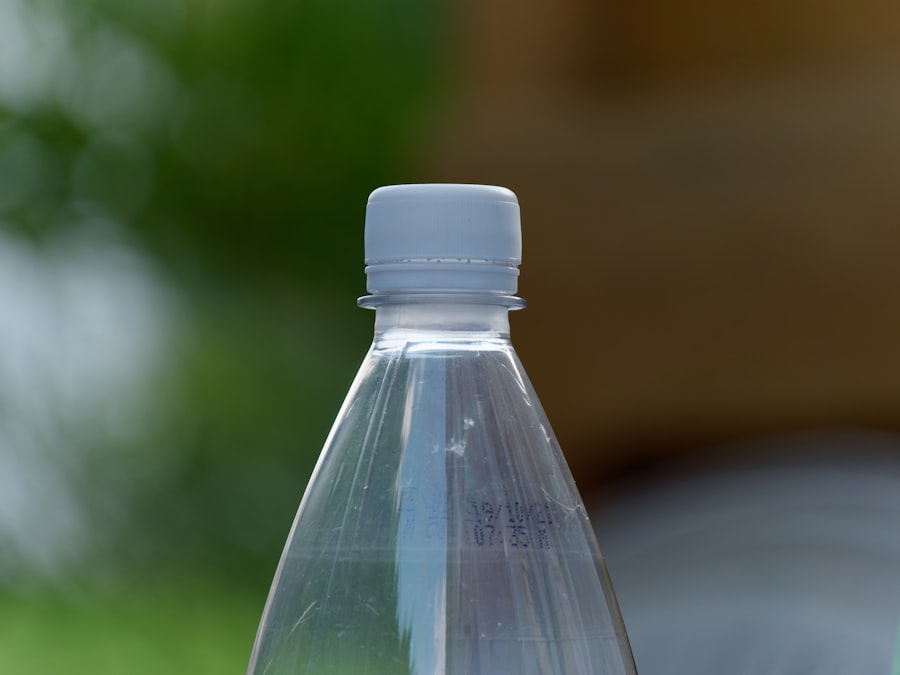
You grip the plastic water bottle, its cool surface a familiar counterpoint to the heat of your hand. The recycling symbol, a neat triangle of arrows, stares back, a silent promise of renewal. It feels like a conscientious act, a small victory for the planet. Yet, as you toss it into the blue bin, you might be overlooking a complex ecosystem of hidden costs, a silent surcharge levied on your seemingly benign decision. The journey from your hand to a hypothetical new product is far from a simple, virtuous circle; it is a path fraught with energy demands, environmental impacts, and economic realities that often remain shrouded.
When you imagine plastic recycling, you likely picture an industrial process, a factory hum, machinery churning. And you’d be right. However, the sheer scale of energy required to transform a discarded bottle back into a usable material is a significant, often unacknowledged, cost. This energy isn’t just a minor operational expense; it’s a substantial drain, a consumption that can rival, and in some cases, even exceed the energy used to produce the virgin plastic in the first place. Think of it as a perpetual motion machine that requires constant, energy-intensive rewinding.
Collection and Transportation: The First Leg of the Journey
The initial phase of recycling—collecting your bottles—is a logistical undertaking. Trucks ply the streets, their engines burning fuel, their emissions a tangible byproduct. Even with optimized routes, the sheer volume of discarded plastic necessitates a constant stream of transportation. This isn’t just about the last mile to your curb; it’s about consolidating materials at transfer stations, then transporting them to processing facilities, often across considerable distances. Each truckload represents internalized combustion, a breath taken by the recycling infrastructure.
Processing: The Heat and Grind of Transformation
Once at the recycling facility, the plastic embarks on a more intensive, energy-guzzling phase. First, manual sorting and automated machinery work to remove contaminants – labels, caps, other types of plastic. This often involves significant electricity consumption. Then comes the shredding and washing. Large industrial shredders pulverize the bottles, requiring powerful motors. The washing process, crucial for purity, utilizes vast amounts of water and energy to heat that water and power pumps. Imagine a relentless, mechanical digestion, breaking down the original form.
Melting and Extrusion: Rebirth Through Fire
The cleaned plastic flakes are then melted down. This high-temperature process demands substantial energy, typically derived from fossil fuels, to achieve the molecular transformation necessary for remolding. The molten plastic is then extruded into pellets, the raw material for new products. This entire cycle, from the initial collection to the final pellet, is a testament to the energy industry’s role in recycling. It’s a cycle that feeds on power, and the more we recycle, the more that power is consumed.
The Footprint of Energy Consumption: A Cloudy Picture
It’s a misconception to assume that all energy sources powering recycling are clean. While some facilities may utilize renewable energy, a significant portion still relies on coal, natural gas, and other fossil fuels. This means that the energy consumed during recycling contributes to greenhouse gas emissions, the very problem plastic pollution exacerbates. The perceived environmental benefit of recycling can thus be partially offset by the carbon footprint of the energy used to achieve it. You’re trading one form of environmental impact for another, and the net benefit isn’t always as clear-cut as the recycling symbol suggests.
The hidden costs of plastic water bottle recycling are often overlooked, yet they play a significant role in understanding the environmental impact of our choices. For a deeper exploration of this topic, you can read the article on the complexities of plastic waste management and its implications for sustainability at Hey Did You Know This. This resource provides valuable insights into the challenges associated with recycling and the broader consequences for our planet.
Water Intensity: A Thirsty Business
Beyond energy, the recycling of plastic water bottles is remarkably water-intensive. This is a less discussed, but equally significant, hidden cost, especially in regions facing water scarcity. Water is a fundamental resource, and its consumption in industrial processes, even for good intentions, warrants careful consideration.
Washing and Decontamination: The Sudsy Truth
As mentioned, a critical step in preparing plastic for recycling is washing. This process removes residual liquids, dirt, and other contaminants that could compromise the quality of the recycled plastic. Large volumes of water are used to rinse and agitate the shredded plastic flakes. Think of a colossal, never-ending dishwashing cycle for mountains of plastic.
Cooling Processes: A Refreshing but Costly Requirement
Throughout the manufacturing process of recycled plastics, cooling is often required. Water is used as a coolant in various stages, from extruding molten plastic to handling machinery. While efficient cooling is vital for product integrity and machinery longevity, it adds to the overall water footprint of recycling.
The Paradox of “Clean” Water
Ironically, the water used in recycling isn’t always returned to its pristine state. While wastewater treatment facilities are employed, there’s still a potential for pollution if those systems are not robust enough. This raises questions about the net environmental benefit when considering water quality alongside water quantity. Your seemingly clean act of recycling could, in some scenarios, contribute to a strain on local water resources and their quality.
The Economic Equation: Subsidies and Unseen Costs
The economic reality of plastic bottle recycling is not a simple story of cost recovery. In many parts of the world, the system relies on a complex interplay of subsidies, market fluctuations, and the inherent cost of processing. The price of virgin plastic, often lower than the cost of recycled plastic, acts as a powerful disincentive, forcing a reliance on external support.
Subsidies and Incentives: Keeping the Machine Running
Many recycling programs, particularly municipal ones, are not financially self-sustaining. They often rely on government subsidies, grants, or “extended producer responsibility” schemes where manufacturers contribute financially to the end-of-life management of their products. These subsidies represent a cost borne by taxpayers or industry stakeholders, a hidden tax on your convenience. Without these injections of capital, many recycling operations would cease to exist.
Market Volatility: A Pendulum of Profitability
The market for recycled plastic is notoriously volatile. Prices can fluctuate wildly based on global demand, the price of oil (which impacts virgin plastic prices), and the availability of virgin alternatives. When virgin plastic is cheap, the demand for recycled plastic diminishes, making it harder for recyclers to sell their product and recover their costs. This instability can be a constant worry for recycling facilities, akin to a perpetual game of market chess.
Contamination Costs: The Price of Impurities
The quality of recycled plastic is directly tied to the purity of the input materials. Contamination from non-recyclable items, food residue, or different types of plastic can significantly reduce the value of the recycled material, or even render it unusable. The labor and technology required to sort and clean contaminated streams add to the cost of recycling. It’s like trying to bake a cake with a handful of pebbles mixed into your flour – the finished product suffers.
The “Wishcycling” Phenomenon: Good Intentions, Bad Outcomes
A significant economic cost arises from “wishcycling” – the act of placing items in the recycling bin with the hope that they are recyclable. While well-intentioned, these items often contaminate entire batches of recyclables, leading to higher sorting costs, increased landfill waste, and a lower quality end product. This phenomenon adds a layer of inefficiency and economic burden to the entire system.
Global Trade and E-Waste: A Shadowy Supply Chain
The global nature of plastic recycling adds another layer of complexity and hidden costs, often involving the export of plastic waste to countries with less stringent environmental regulations. What leaves your curb as a hopeful recycling bid can become a significant environmental and social burden elsewhere.
Exporting the Problem: A Convenient Discard
For decades, developed nations have exported large quantities of plastic waste to countries in Southeast Asia and elsewhere. While this provided a supply of raw material for those economies, it also shifted the environmental burden – the pollution from processing, the health impacts on workers, and the overwhelming of local waste management systems. It’s a classic case of “out of sight, out of mind.”
The Rise of E-Waste and Mixed Plastics
Increasingly, the plastic waste stream includes more complex materials, such as e-waste, which often contains hazardous chemicals. The recycling of these mixed materials is far more challenging and expensive, requiring specialized facilities and expertise. When these materials enter the general plastic recycling stream, they can contaminate the entire batch, posing further processing and disposal challenges.
Regulations and Enforcement: A Patchwork of Protection
The regulations governing plastic waste exports vary widely between countries. Inconsistent enforcement and loopholes can allow questionable practices to persist, further obscuring the true costs and impacts of recycling. The lack of a uniform, globally coordinated approach leaves many environments vulnerable.
In exploring the hidden costs of plastic water bottle recycling, it is essential to consider the broader implications of our recycling practices. A related article discusses the environmental and economic impacts of recycling initiatives, shedding light on the complexities involved in what many perceive as a straightforward solution. For more insights on this topic, you can read the full article here. Understanding these factors can help consumers make more informed choices about their plastic usage and recycling habits.
The Limits of Recycling: Not All Plastic is Equal
| Hidden Cost Category | Description | Estimated Impact | Notes |
|---|---|---|---|
| Energy Consumption | Energy required to collect, transport, and process plastic bottles for recycling | Up to 70% of the energy used to produce new plastic | Includes fuel for trucks and electricity for recycling plants |
| Water Usage | Water needed to clean and process recycled plastics | Approximately 1.5 liters per kilogram of recycled plastic | Contributes to local water resource depletion |
| Sorting and Contamination | Costs related to separating plastics and removing contaminants | Up to 30% of collected bottles are contaminated or non-recyclable | Contamination reduces recycling efficiency and increases waste |
| Transportation Emissions | Greenhouse gas emissions from transporting bottles to recycling facilities | Varies by distance; can offset environmental benefits | Long distances increase carbon footprint |
| Downcycling | Recycled plastic often converted into lower-quality products | Limits reuse potential and increases demand for virgin plastic | Reduces overall sustainability of recycling efforts |
| Infrastructure Costs | Investment and maintenance of recycling facilities and collection systems | Significant capital and operational expenses | Often subsidized by governments or consumers |
It’s crucial to understand that the concept of “recycling” plastic isn’t a monolithic process with a universal outcome. The type of plastic, its condition, and the available infrastructure all play a significant role in determining its true recyclability and the associated costs. The recycling symbol, while a helpful indicator, can sometimes be an oversimplification of a nuanced reality.
The Resin Identification Code: A Hierarchical System
The numbered triangles on plastic products are Resin Identification Codes (RICs), indicating the type of plastic resin. While numbers 1 (PET) and 2 (HDPE) are widely recycled, other plastics (3-7) are often not. This means that even though you diligently place a #3 PVC bottle in the bin, it might be diverted to landfill because the infrastructure to recycle it doesn’t exist in your area, or the market demand is too low. You’re sending it on a hopeful journey that may end prematurely.
Downcycling: A Degraded Destiny
Much of what is labeled as “recycled plastic” is actually “downcycled.” This means the plastic is transformed into a product of lower quality or value than the original. For example, recycled PET bottles might become fleece jackets, park benches, or carpet fibers, but they are rarely turned back into new food-grade bottles. Each recycling cycle degrades the plastic’s molecular structure, limiting its potential for repeated reuse in high-value applications. It’s a gradual downhill slide from its original form.
Contamination and Degradation: The Enemies of Recyclability
The physical condition of the plastic is paramount. Food residue, labels that are difficult to remove, and improper sorting all contribute to contamination. Furthermore, plastic degrades over time due to exposure to UV light and environmental factors. This degradation makes it more difficult and costly to melt and reprocess, further impacting the viability of recycling.
The True Cost of Single-Use Plastic: A Broader Perspective
Ultimately, the hidden costs of plastic water bottle recycling nudge you towards a broader consideration: the fundamental issue of single-use plastic consumption. While recycling is a necessary component of managing plastic waste, it is not a silver bullet. The energy, water, and economic resources expended in the recycling loop are significant. When viewed against the backdrop of producing a product designed for immediate disposal, the argument for reducing, reusing, and rethinking our reliance on single-use plastics becomes even more compelling. You are, in essence, paying a premium for convenience – a convenience that carries a hefty, often hidden, price tag.
FAQs
What are some common hidden costs associated with recycling plastic water bottles?
Hidden costs can include transportation expenses, energy consumption during processing, labor costs, and the environmental impact of sorting and cleaning the bottles.
Why is transportation a significant hidden cost in plastic water bottle recycling?
Transportation involves collecting bottles from various locations and delivering them to recycling facilities, which consumes fuel and generates emissions, adding to the overall environmental and financial costs.
How does energy consumption affect the cost of recycling plastic water bottles?
Recycling processes such as sorting, cleaning, and melting plastic require substantial energy, which contributes to higher operational costs and environmental impacts.
Are there environmental hidden costs in recycling plastic water bottles?
Yes, recycling can produce greenhouse gas emissions, water pollution, and waste byproducts, which are often not accounted for in the direct financial costs but impact the environment.
Do all plastic water bottles have the same recycling costs?
No, costs vary depending on the type of plastic, contamination levels, and local recycling infrastructure, which can affect the efficiency and expense of the recycling process.