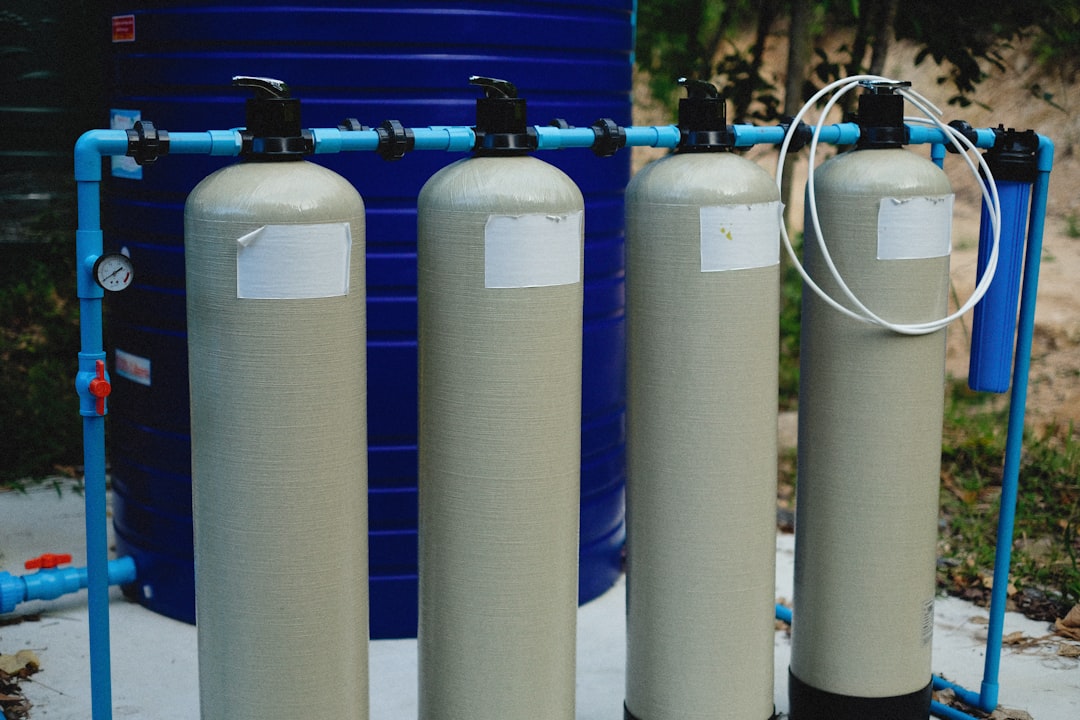
Before you embark on the quest to find a certified water filter, you must first understand what you are filtering. Think of your household’s water supply as a complex tapestry, woven with various threads – some beneficial, some potentially detrimental. A water filter is not a universal solvent; it’s a specialized tool designed to address specific contaminants. Therefore, a preliminary assessment of your water quality is paramount.
Identifying Potential Contaminants
The first step in this diagnostic process is to determine what might be lurking in your water. This isn’t about conjuring phantom threats but rather about a pragmatic understanding of common waterborne issues.
Local Water Quality Reports
Most municipal water suppliers are required by law to provide annual water quality reports, often referred to as Consumer Confidence Reports (CCRs). These documents are a treasure trove of information, detailing the source of your water, the contaminants detected, and the levels at which they were found. You can usually find these reports on your local water provider’s website or by contacting them directly. Consider these reports as your water’s health chart, providing a baseline of its current condition.
Independent Water Testing
While CCRs are a good starting point, they might not reflect the specific conditions within your home’s plumbing. Factors like aging pipes, house materials, and even your local geographic makeup can introduce contaminants that aren’t always present at the municipal treatment plant. For a more granular understanding, consider an independent water test.
Lead Testing
Lead is a particularly insidious contaminant, especially concerning for households with young children. It leaches into water from old lead pipes or lead solder in plumbing. Even low levels of lead exposure can have serious health consequences.
Pesticide and Herbicide Testing
If you live in an agricultural area, the presence of agricultural chemicals in your water is a plausible concern. These can leach from farmlands into groundwater and surface water sources.
Microbial Testing
For homes with private wells, microbial contamination from bacteria, viruses, or parasites is a significant risk. While municipal water is typically disinfected, private wells lack this consistent oversight.
Heavy Metal Testing
Beyond lead, other heavy metals like mercury and arsenic can be present in water sources, posing long-term health risks.
Understanding Water Quality Parameters
Once you have an idea of potential contaminants, it’s helpful to understand some basic water quality parameters.
Total Dissolved Solids (TDS)
TDS refers to the total concentration of all dissolved substances in your water, including minerals, salts, and organic compounds. While not always harmful, high TDS can affect taste and odor, and in some cases, indicate the presence of undesirable minerals.
pH Level
pH measures the acidity or alkalinity of your water. A balanced pH is generally between 6.5 and 8.5. Extreme pH levels can affect water’s corrosiveness and its ability to dissolve certain substances.
Hardness
Water hardness is determined by the concentration of dissolved minerals, primarily calcium and magnesium. While not a health issue, hard water can cause scale buildup in pipes and appliances, and leave residue on dishes and laundry.
When selecting a certified water filter, it’s essential to consider various factors such as the contaminants you want to remove, the filter’s certification, and its maintenance requirements. For a comprehensive guide on making the right choice, you can refer to this related article that provides valuable insights: How to Choose a Certified Water Filter. This resource will help you understand the different types of filters available and the importance of certification in ensuring safe drinking water.
Navigating the Landscape of Water Filter Technologies
The world of water filtration is vast and can feel like navigating a dense forest without a compass. Various technologies exist, each designed to tackle different types of impurities. Understanding these technologies is crucial for making an informed choice, ensuring you don’t invest in a system that’s ill-equipped for the task.
Activated Carbon Filters
Activated carbon is perhaps the most ubiquitous filtration medium. Its porous structure, created through a process that dramatically increases its surface area, makes it highly effective at adsorbing a wide range of contaminants. Think of activated carbon as a sponge, capable of soaking up impurities that affect taste and odor.
Activated Granular Carbon (GAC)
GAC filters consist of loose granules of activated carbon. They are common in pitcher filters, faucet filters, and refrigerator filters. Their effectiveness is dependent on the contact time between the water and the carbon.
Carbon Block Filters
Carbon block filters are made by compressing powdered activated carbon into a solid block. These filters offer more consistent filtration, as water is forced through the pores of the block, providing a more uniform level of contact. They can also be manufactured to have a finer pore size, allowing them to remove smaller particles.
Reverse Osmosis (RO) Systems
Reverse osmosis is a more advanced filtration method that uses a semi-permeable membrane to remove a broad spectrum of contaminants. The process forces water under pressure through the membrane, leaving behind dissolved solids, salts, heavy metals, and even some microorganisms.
Multi-Stage RO Systems
Many RO systems incorporate multiple stages of filtration. This typically includes a pre-filter to remove larger sediment, the RO membrane itself, and a post-filter (often activated carbon) to polish the water and remove any residual tastes or odors. These multi-stage systems act like a filtration relay race, with each stage contributing to the final purity.
RO and VOCs
RO systems are particularly effective at removing Volatile Organic Compounds (VOCs), which are carbon-based chemicals that can evaporate easily. These can originate from industrial solvents, cleaning agents, and other sources.
Ion Exchange Filters
Ion exchange filters work by exchanging unwanted ions in the water with more desirable ones. This is a common method for water softening, where calcium and magnesium ions (which cause hardness) are exchanged for sodium or potassium ions.
Water Softeners
While primarily for tackling hardness, some ion exchange resins can be formulated to remove other specific ions, such as nitrates or heavy metals.
Specialty Ion Exchange Resins
For targeted contaminant removal, specialized ion exchange resins can be employed. However, these are often used in industrial or specific application settings rather than typical residential filters.
Ultraviolet (UV) Purifiers
UV purifiers do not remove contaminants physically but rather disinfect water by exposing it to ultraviolet light, which inactivates bacteria, viruses, and other microorganisms. This is a chemical-free method of sterilization.
UV and Microbial Threats
UV purification is an excellent secondary line of defense, especially for well water or in situations where microbial contamination is a concern. It doesn’t alter the taste or odor of the water.
Limitations of UV Purifiers
It’s important to note that UV purifiers are not effective against chemical contaminants or dissolved solids. They rely on clear water to function optimally, as turbidity can shield microorganisms from the UV light.
Sediment Filters
Sediment filters are the first line of defense in many filtration systems, acting as a physical barrier to remove larger particles like sand, silt, rust, and debris. They are typically made of pleated synthetic material or wound string.
Protecting Other Filters
By removing sediment, these filters protect more sensitive and expensive filtration stages (like RO membranes or activated carbon) from clogging and premature failure. They are the gatekeepers of your filtration system.
Micron Ratings
Sediment filters are rated by their pore size, measured in microns. A lower micron rating indicates a finer level of filtration, removing smaller particles.
The Crucial Role of Certification: Your Filter’s Seal of Approval
Choosing a water filter is analogous to selecting a medical professional; you want someone with demonstrable expertise and a verified track record. Certification provides that assurance. It signifies that an independent third party has rigorously tested the filter and confirmed its performance claims.
Understanding Certification Bodies
Several reputable organizations exist to certify water filtration products. Their impartiality is key to their credibility. When you see their mark on a filter, it’s a signal that the product has been vetted.
NSF International (National Sanitation Foundation)
NSF International is one of the most recognized and respected certification bodies globally. They develop public health standards and certification programs for a wide range of products, including water filters.
NSF/ANSI Standards
NSF has developed numerous standards in collaboration with the American National Standards Institute (ANSI). For water filters, the most relevant standards include:
- NSF/ANSI Standard 42: Aesthetic Effects. This standard covers filters that reduce non-health-related contaminants such as chlorine, taste, odor, and particulates. When you see an NSF 42 certification, you know the filter is designed to improve the sensory qualities of your water.
- NSF/ANSI Standard 53: Health Effects. This is a more rigorous standard, focused on filters that reduce specific health-related contaminants. This can include lead, mercury, volatile organic compounds (VOCs), cysts, and more. A filter certified to Standard 53 is making a claim about reducing substances that can pose risks to your health.
- NSF/ANSI Standard 58: Reverse Osmosis Drinking Water Treatment Systems. This standard specifically addresses the performance of RO systems, ensuring they effectively reduce a range of dissolved solids and specific contaminants.
- NSF/ANSI Standard 401: Emerging Compounds/Incidental Contaminants. This newer standard addresses an increasing concern: the presence of compounds not traditionally regulated but which are appearing in drinking water, such as certain pharmaceuticals, pesticides, and herbicides. Filters certified to Standard 401 are demonstrating efficacy in reducing these emerging threats.
WQA (Water Quality Association)
The Water Quality Association is another prominent organization that offers certification programs for water treatment products. Their Gold Seal program is widely recognized.
WQA Gold Seal
The WQA Gold Seal indicates that a product has been tested by an independent laboratory and found to meet the association’s stringent standards for performance, quality, and safety. This is another robust indicator of a filter’s reliability.
What Certification Means for You
When a water filter bears the mark of a reputable certification body, it provides several significant benefits. It moves the purchase decision from guesswork to informed confidence.
Verified Performance Claims
Manufacturers make many claims about what their filters can do. Certification verifies these claims. You’re not just taking their word for it; an independent body has backed up their assertions through rigorous testing. It’s like having a trusted referee in a sporting match, ensuring fair play.
Assurance of Safety
Certification ensures that the filter materials themselves do not leach harmful substances into your water. This is particularly important when dealing with components that come into contact with drinking water.
Protection Against Misleading Marketing
The market can be flooded with products that promise the moon but deliver little. Certification acts as a bulwark against such misleading marketing, providing you with a reliable benchmark.
Informed Decision-Making
With a certified filter, you can make a decision based on proven performance rather than attractive packaging or unsubstantiated claims. You know precisely what you are buying and what your money is doing for your water quality.
Types of Water Filters and Their Certifications
Understanding the common types of water filters and which certifications are most relevant to them will help you match your needs with the right product. Think of this as a compatibility guide for your water and your filter.
Pitcher Filters
Pitcher filters are the most accessible and often the first entry point into home water filtration. They are designed for simple use and portability.
Common Certifications for Pitcher Filters
When selecting a pitcher filter, you’ll primarily look for certifications related to aesthetic effects and, in some cases, health effects.
NSF/ANSI Standard 42
This is the most common certification for pitcher filters. It confirms the filter’s ability to reduce chlorine taste and odor, as well as sediment. This is ideal for improving the general palatability of tap water.
NSF/ANSI Standard 53
Some premium pitcher filters may also be certified to Standard 53 for the reduction of specific health-related contaminants like lead or certain VOCs. This is a significant upgrade for households concerned about these particular issues.
Faucet Filters
Faucet filters attach directly to your existing faucet, offering on-demand filtered water without the need for a separate pitcher.
Common Certifications for Faucet Filters
Similar to pitcher filters, faucet filters often focus on aesthetic improvements, with some offering enhanced contaminant reduction.
NSF/ANSI Standard 42
This certification assures you that the faucet filter will effectively reduce chlorine, improving taste and odor.
NSF/ANSI Standard 53
If your primary concern is lead or other specific health contaminants, look for faucet filters certified to NSF/ANSI Standard 53. These are designed for more targeted contaminant removal.
Under-Sink Filters
Under-sink filters are installed beneath your kitchen sink, connected to a dedicated faucet or your main cold-water line. They offer a higher filtration capacity and convenience compared to pitchers and faucet filters.
Common Certifications for Under-Sink Filters
Under-sink systems often incorporate multiple filtration stages, leading to a broader range of relevant certifications.
NSF/ANSI Standard 42, 53, and 58
Many under-sink systems will be certified to multiple standards. For instance, a system might be certified to NSF/ANSI Standard 42 for aesthetic effects, Standard 53 for health effects (e.g., lead reduction), and if it includes a reverse osmosis stage, it would also be certified to NSF/ANSI Standard 58.
NSF/ANSI Standard 401
If the under-sink system is designed to address emerging contaminants, it may also carry NSF/ANSI Standard 401 certification.
Whole-House Filtration Systems
Whole-house filters, also known as point-of-entry (POE) systems, are installed where the main water line enters your home, providing filtered water to every tap, shower, and appliance.
Common Certifications for Whole-House Systems
The certifications for whole-house systems reflect their comprehensive purpose of improving water quality throughout the entire home.
NSF/ANSI Standard 42 and 53
These are the most common certifications for whole-house systems, addressing aesthetic improvements and health effects respectively. For example, a whole-house sediment filter would be certified to Standard 42 for particulate reduction. A whole-house carbon filter designed to reduce chlorine and VOCs would likely be certified to both Standard 42 and 53.
Specific Contaminant Certifications
Depending on the system’s design and targeted contaminants, you might find whole-house systems certified for specific issues like iron or sulfur reduction, though these may not always align with the primary NSF/ANSI standards in the same way as carbon or RO systems.
Refrigerator Filters
Refrigerator filters are designed to improve the taste and quality of water and ice dispensed from your refrigerator.
Common Certifications for Refrigerator Filters
These filters primarily focus on enhancing sensory qualities.
NSF/ANSI Standard 42
The most common certification for refrigerator filters is NSF/ANSI Standard 42, ensuring they reduce chlorine taste and odor and particulate matter.
When selecting a certified water filter, it’s essential to consider various factors such as the contaminants you want to remove, the filter’s certification, and its maintenance requirements. For a deeper understanding of the different types of filters available and how to choose the right one for your needs, you can read this informative article on water filtration systems. It provides valuable insights that can help you make an informed decision. To explore more, check out this resource for comprehensive guidance on water filter selection.
The Importance of Maintenance and Replacement
| Criteria | Description | Why It Matters | Example Metrics |
|---|---|---|---|
| Certification Standards | Look for NSF/ANSI certifications such as 42, 53, 58, or 401 | Ensures the filter meets safety and performance standards for contaminant reduction | NSF/ANSI 42 (taste & odor), 53 (health-related contaminants), 58 (reverse osmosis), 401 (emerging contaminants) |
| Contaminant Removal | Check which contaminants the filter can remove (e.g., lead, chlorine, bacteria) | Filters should target contaminants present in your water supply | Lead removal > 99%, Chlorine reduction > 90%, Bacteria removal certified |
| Filter Lifespan | Duration or volume of water the filter can treat before replacement | Longer lifespan reduces maintenance frequency and cost | 3-6 months or 500-1000 gallons per filter cartridge |
| Flow Rate | Speed at which filtered water is produced (gallons per minute) | Higher flow rates provide convenience without compromising filtration | 0.5 to 2 gallons per minute (GPM) |
| Filter Type | Types include activated carbon, reverse osmosis, UV, ceramic | Different types target different contaminants and have varying costs | Activated carbon for chlorine, RO for heavy metals, UV for bacteria |
| Water Source Compatibility | Ensure filter is suitable for your water source (tap, well, etc.) | Filters designed for specific water types perform better and last longer | Tap water filters certified for municipal water; well water filters with sediment removal |
| Maintenance Requirements | Ease and frequency of filter replacement and cleaning | Filters with simple maintenance encourage consistent use | Filter replacement every 3-6 months; no tools required for cartridge change |
Even the most sophisticated and certified water filter is like a car with a finite lifespan; it requires ongoing attention to perform optimally. Neglecting maintenance is akin to driving on bald tires – it compromises safety and effectiveness.
Understanding Filter Lifespan
Each filter cartridge has a predetermined lifespan, measured either by time (e.g., six months) or by the volume of water it can filter (e.g., 300 gallons). This is not an arbitrary number but a result of testing and calculations based on the filter medium’s capacity.
Time-Based Replacement
Time-based replacement is a convenience measure, assuming a certain average water usage. After a specified period, the filter’s effectiveness may degrade, even if it hasn’t reached its theoretical capacity. This is because even idle filters can be affected by microbial growth or the gradual saturation of the filtering medium.
Volume-Based Replacement
Volume-based replacement is generally a more accurate indicator of a filter’s remaining life. However, it requires a way to track the amount of water that has passed through the filter. Many systems have built-in indicators or manual tracking options.
Factors Affecting Filter Lifespan
Several factors can influence how long your filter will last, and these can differ from the manufacturer’s stated lifespan.
Water Usage
The most direct factor is the volume of water you consume. A household with high water usage will deplete a filter’s capacity much faster than a household with lower usage. Think of it as different-sized buckets being filled from the same tap; the larger bucket empties faster.
Water Quality
As discussed earlier, the more contaminants present in your water, the harder the filter has to work. If your water is heavily laden with specific impurities, the filter’s media will saturate and clog more quickly, reducing its effective lifespan.
Types of Contaminants
Certain contaminants can be more demanding on a filter than others. For example, sediment can quickly clog filters, while dissolved solids might saturate the media over time.
Consequences of Neglecting Maintenance
Ignoring filter replacement schedules can have several undesirable consequences, impacting both the quality of your water and the longevity of your filtration system.
Reduced Filtration Efficiency
The primary consequence is a significant decrease in the filter’s ability to remove contaminants. What was once a robust purification process can devolve into a mere trickle of slightly clearer, but still impure, water.
Contaminant Breakthrough
Once a filter is saturated, contaminants can begin to pass through it and into your drinking water. This is particularly concerning for filters certified to remove health-related contaminants, as you may be unknowingly exposed to substances you are trying to avoid.
Potential for Microbial Growth
Spent filter cartridges can become breeding grounds for bacteria and other microorganisms if not replaced regularly. This can actually worsen your water quality compared to unfiltered tap water.
Damage to the Filtration System
Clogged filters can create excessive backpressure, potentially damaging other components of your filtration system, including pumps or membranes, leading to more costly repairs or replacements.
Tips for Effective Maintenance
Implementing a simple maintenance routine will ensure your water filter continues to provide clean, safe water for years to come.
Set Reminders
Utilize your calendar, smartphone apps, or even a simple sticky note to remind yourself of scheduled filter replacements. Treat these reminders like appointments; they are preventative healthcare for your water.
Keep Records
Maintain a log of when you have replaced each filter. This helps you track lifespans accurately and anticipate future needs.
Follow Manufacturer Instructions
Always refer to the manufacturer’s instructions for specific replacement intervals and procedures. Different filter technologies have unique requirements.
Inspect Filters Regularly
Periodically inspect your filters for signs of wear, clogging, or damage. This visual check can provide early warnings of potential issues.
Choosing the Right System for Your Household
The ultimate goal is to equip your home with a water filtration system that aligns with your specific needs, budget, and lifestyle. This isn’t a one-size-fits-all solution; it’s about finding the perfect fit.
Budget Considerations
Water filtration systems vary significantly in price, from inexpensive pitcher filters to complex whole-house installations. Determine how much you are willing and able to invest. Remember that the initial cost is only one part of the equation; consider ongoing filter replacement costs as well.
Initial Investment vs. Long-Term Costs
A more expensive initial system might have lower long-term costs if its filters are less frequent or cheaper to replace. Conversely, a cheap pitcher might be affordable upfront but require frequent cartridge purchases. Always perform a cost-benefit analysis.
Installation Costs
For under-sink and whole-house systems, factor in potential installation costs if you are not performing the installation yourself.
Lifestyle and Usage Patterns
Your household’s daily habits will dictate the type and capacity of filtration system you need.
Small Households or Apartment Dwellers
For individuals or couples living in smaller residences with lower water usage, pitcher filters or faucet filters might be sufficient and cost-effective.
Families with Young Children
If you have young children, prioritizing the removal of contaminants like lead is crucial. Look for systems certified to NSF/ANSI Standard 53.
Health-Conscious Individuals
Those with specific health concerns or a strong desire for the purest water possible may opt for multi-stage under-sink systems or even reverse osmosis systems.
Homes with Private Wells
If you rely on a private well, comprehensive testing and a robust filtration system are paramount. Consider UV purifiers in conjunction with sediment and other contaminant filters.
Ease of Installation and Maintenance
Consider your comfort level with DIY projects versus your willingness to hire a professional.
DIY-Friendly Options
Pitcher filters and faucet filters are typically very easy to install and maintain, requiring no specialized tools or expertise.
Professional Installation Recommended
Under-sink and whole-house systems often require plumbing modifications and may be best left to a qualified plumber.
Future Needs and Scalability
Think about how your needs might evolve. Is the system you’re considering expandable or upgradable if your water quality concerns change or your household grows?
Modular Systems
Some under-sink systems are modular, allowing you to add or change filtration stages as needed.
Whole-House System Considerations
While a whole-house system is a significant investment, it addresses water quality for your entire home, offering a comprehensive solution.
By carefully considering these factors, you can move beyond simply buying a water filter and instead invest in a certified solution that will provide your household with peace of mind and clean, healthy water for years to come.
FAQs
What does it mean for a water filter to be certified?
A certified water filter has been tested and verified by an independent organization, such as NSF International or the Water Quality Association, to meet specific standards for contaminant reduction and safety.
Why is certification important when choosing a water filter?
Certification ensures that the water filter effectively removes the contaminants it claims to reduce, providing reliable and safe drinking water. It also guarantees that the filter meets industry standards for performance and quality.
Which certifications should I look for when selecting a water filter?
Look for certifications from reputable organizations like NSF/ANSI standards (e.g., NSF/ANSI 42 for aesthetic effects, NSF/ANSI 53 for health-related contaminants) or the Water Quality Association Gold Seal. These indicate the filter has been rigorously tested.
How do I know if a water filter is certified for the specific contaminants in my water?
Check the product label or manufacturer’s website for detailed certification information. It should specify which contaminants the filter is certified to reduce, such as lead, chlorine, or cysts, based on your water quality needs.
Can a certified water filter remove all types of contaminants?
No, no single water filter can remove all contaminants. Different filters target different substances, so it’s important to choose one certified for the specific contaminants present in your water supply. Testing your water beforehand can help determine the best filter.