You awaken to silence. Not the gentle hush of a quiet morning, but a stark, unnerving quietude. The usual gurgle and hum of your plumbing are absent. A quick check of the faucet confirms your suspicion: no water. A long-term water outage. This isn’t a temporary inconvenience, a brief hiccup that will resolve itself in a few hours. This is a situation that demands preparation, adaptability, and a clear head. The absence of running water is a stark reminder of your profound dependence on this seemingly inexhaustible resource. It’s the lifeblood of your home, facilitating everything from sanitation to sustenance. When it stops flowing, the foundations of your daily routine begin to crumble. Surviving this extended drought within your own walls requires a strategic approach, drawing on foresight and practical knowledge.
The initial hours of a water outage are critical. Panic is a corrosive agent, eroding your ability to think clearly. Instead, channel that initial shock into a calm, methodical assessment of your resources. Think of this as a reconnaissance mission within your own fortress. What do you have, and what do you need? A thorough inventory is the bedrock of any effective survival strategy.
Water Storage: The Immediate Lifeline
Your existing water stores are your most precious commodity.
- Bottled Water: You likely have a stash of bottled water for emergencies or even just everyday convenience. Count every bottle. This is your immediate lifeline, the first reserves you’ll tap into.
- Water Heater: Your water heater, insulated as it is, holds a significant amount of water. While not potable for drinking, this can be a vital resource for sanitation and cleaning. The capacity varies by model, but most hold 30-50 gallons. Knowing this capacity gives you a tangible figure for how long this secondary reserve can last for non-drinking purposes.
- Toilet Tanks: Do not underestimate the water held within your toilet tanks. While the water is not potable, it is generally cleaner than water from other sources and can be used for flushing if your primary supply is completely depleted. Most toilet tanks hold 1.6 gallons. This may seem small, but multiplied across multiple flushes, it can contribute significantly to maintaining basic sanitation.
- Other Containers: Look for any other containers holding water. This could include decorative water features (that you’ll need to purify), pet water bowls, or even residual water in pitchers.
Non-Water Resources: The Supporting Cast
Water is paramount, but other resources will become increasingly important as the outage continues.
- Food Supplies: A well-stocked pantry is crucial. Focus on non-perishable items that require minimal or no water to prepare. Canned goods, dried fruits, nuts, and crackers will be your staples.
- Hygiene Supplies: Hand sanitizers, wet wipes, and dry shampoo will become indispensable. These are your fortifications against the creeping threat of poor hygiene.
- First-Aid Kit: Ensure your first-aid kit is well-stocked. Minor injuries can become major problems in a survival situation.
Once you have a clear picture of your available water and other resources, you can begin to formulate a plan for its conservation and supplementation.
In the event of a long-term water outage, it’s crucial to be prepared and informed about effective survival strategies. One helpful resource is an article that provides comprehensive tips on how to manage and conserve water during such emergencies. You can read more about these essential survival techniques in this informative piece at this link. It covers everything from water storage solutions to alternative sources of hydration, ensuring you stay safe and hydrated until the water supply is restored.
Water Conservation: Making Every Drop Count
In an extended outage, every drop of water is a jewel. Your goal is to stretch your existing supply as far as humanly possible. Think of yourself as a meticulous gardener, tending to your precious watering can. Conservation isn’t just about using less; it’s about re-evaluating every action that consumes water.
Minimizing Drinking Water Usage
Your drinking water supply is the most critical.
- Strict Rationing: Establish strict individual daily water rations for drinking. A general guideline is at least one gallon per person per day, but you may need to adjust this based on your existing supply and the expected duration of the outage.
- Prioritize Hydration: Thirst can be a deceptive enemy. Ensure that drinking water is always prioritized for actual hydration. Avoid using it for any non-essential purposes during the rationing period.
- Avoid Water-Intensive Foods: When preparing meals, opt for foods that do not require significant water for cooking or rehydration. Focus on canned goods, pre-cooked meals, and items that can be eaten at room temperature.
Reducing Water Usage for Sanitation
Maintaining hygiene is vital, but it needs to be approached with extreme conservatism.
- Limit Showers and Baths: These are the most significant water consumers in a typical household. Consider sponge baths using minimal water and hygiene wipes instead. If a shower is absolutely necessary, keep it extremely brief and use a bucket to catch any excess water for reuse.
- “If It’s Yellow, Let It Mellow”: This common adage takes on new meaning during an outage. Delay flushing the toilet whenever possible to conserve water in the tank. If you have a two-flush system, understand how to use the lower-volume flush for liquid waste.
- Dishwashing Strategies: Avoid running water to wash dishes. Instead, use a basin and rinse with as little water as possible. Consider using disposable plates and cutlery if your supply is extremely limited, though this presents its own environmental challenges. Alternatively, stack dishes and wait until a substantial amount of water is available to tackle a backlog.
- Laundry Alternatives: Postpone all laundry until the water is restored, unless it is an absolute emergency and you have a water source and a plan to manage the wastewater.
Reusing Water: The Art of the Second Pass
Water that has been used for a less demanding purpose can often be repurposed.
- Collecting Shower/Bath Water: If you do take a shower or bath, place a bucket near the drain to collect water before it heats up or as it drains. This “greywater” can be used for flushing toilets or even watering plants.
- Rinse Water: The water used to rinse fruits and vegetables can be collected and used to water houseplants.
- Condense Water: In some environments, you may be able to collect condensation from air conditioners or even dew. This requires specialized knowledge and equipment and is not a primary strategy for most.
Effective water conservation is an ongoing discipline. It requires constant vigilance and a willingness to adapt your habits. It’s about understanding that each action has a consequence, and in a prolonged outage, those consequences can be severe.
Water Procurement: Securing a New Supply
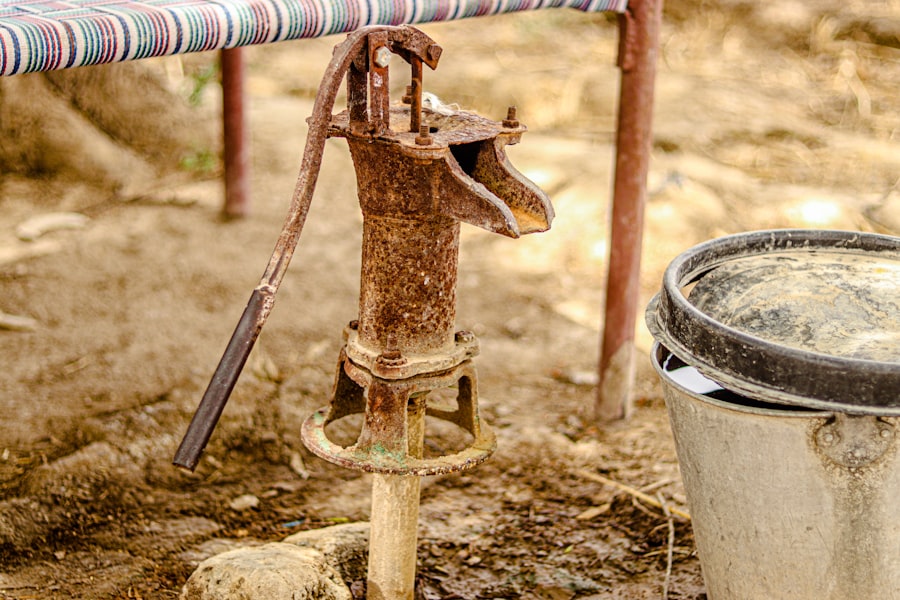
When your stored water is dwindling, it’s time to look beyond your four walls. Securing a new, clean water supply is a top priority. This is where ingenuity and knowledge of your surroundings become your most valuable tools. Think of yourself as a prospector, seeking the hidden veins of life-giving liquid.
Identifying Potential Local Sources
Your immediate environment may hold unexpected opportunities for water.
- Rainwater Harvesting: If you have any rain barrels or containers, set them up to collect rainwater. This is often the cleanest alternative source, provided your collection surfaces are clean. Even large tarps can be angled to funnel water into containers.
- Natural Bodies of Water: Rivers, streams, lakes, and ponds can be sources of water. However, extreme caution is advised. These sources are often contaminated with bacteria, viruses, and parasites. Never drink untreated water from natural sources.
- Neighboring Properties: If your neighbors have a working well or a more substantial water source, consider pooling resources, but always do so with respect and a clear agreement.
Water Purification: The Essential Step
Simply collecting water is not enough; it must be made safe for consumption. This is a non-negotiable step.
- Boiling: This is one of the most reliable methods for killing most harmful microorganisms. Bring water to a rolling boil for at least one minute. At altitudes above 6,500 feet (2,000 meters), boil for three minutes. Allow it to cool before drinking. This is your most dependable weapon against invisible threats.
- Chemical Treatment: Water purification tablets or liquid chlorine bleach (unscented, regular household bleach) can be used.
- Bleach: Use plain, unscented household bleach (5-8% sodium hypochlorite). Add 8 drops per gallon of clear water. For cloudy water, use 16 drops per gallon. Stir well and let stand for 30 minutes. The water should have a faint chlorine smell. If it doesn’t, repeat the dose and let stand for another 15 minutes.
- Purification Tablets: Follow the manufacturer’s instructions precisely. These typically contain iodine or chlorine dioxide.
- Filtration: While not a purification method on its own, filtration can remove larger particles and sediment, making other purification methods more effective. Improvised filters can be made from layers of cloth, sand, and charcoal, but these are less effective than commercial filters.
Understanding Different Types of Water
Not all water is created equal when it comes to safety.
- Potable Water: Safe to drink. This is your ultimate goal for any water you intend to consume.
- Non-Potable Water: Water that is not safe to drink due to contamination. This includes water from toilet tanks, the water heater (unless specifically designed for potable use), and most natural sources before purification.
Securing water is a continuous effort. It requires a commitment to safety and an understanding of the fundamental principles of waterborne illness prevention.
Sanitation and Hygiene: Protecting Your Well-being
When the running water stops, the risk of disease-related complications escalates. Maintaining proper sanitation and hygiene is not a luxury; it is a critical component of survival. Think of your personal cleanliness as the first line of defense against an invading army of germs.
Waste Management: The Unseen Threat
The accumulation of waste, both human and general, can quickly become a significant health hazard.
- Toilet Alternatives:
- Bucket System: Line buckets with heavy-duty plastic bags. Use a small amount of water or sawdust/soil to cover waste after each use. Tie off the bag securely and store it in a designated, cool, and well-ventilated area away from living spaces.
- Composting Toilets: If you have a pre-existing composting toilet, this is a highly effective solution.
- Garbage Disposal: Seal all garbage in sturdy bags and store it away from your living area to deter pests and prevent odors. If possible, designate an outdoor area for temporary storage.
Personal Hygiene Without Running Water
Maintaining personal cleanliness is achievable, even without showers.
- Handwashing Alternatives:
- Hand Sanitizer: Keep ample supplies of alcohol-based hand sanitizer readily available. Use it frequently, especially after using the toilet and before handling food.
- Wet Wipes: Use moist towelettes for cleaning your hands and body.
- Sponge Baths: Use a washcloth or sponge with a minimal amount of water and soap for a more thorough cleaning of your body. Collect the used water for non-potable purposes.
- Oral Hygiene: Continue brushing your teeth, but use minimal water. You can spit into a disposable container or the toilet tank. Consider using mouthwash as an alternative if water is extremely scarce.
Maintaining a Clean Environment
Your living space needs to be kept as clean as possible.
- Regular Wiping Down: Use disinfectant wipes or a diluted bleach solution to regularly clean surfaces, especially in the kitchen and bathroom areas.
- Ventilation: Ensure your living space is well-ventilated to reduce the buildup of odors and potential airborne contaminants.
Neglecting sanitation is like leaving the gates of your castle open to pestilence. A proactive approach to hygiene is crucial for preventing illness and maintaining morale.
In the event of a long-term water outage, it’s essential to have a solid plan in place to ensure your survival and comfort. One helpful resource that provides valuable tips on this topic can be found in an article discussing various strategies for managing water scarcity. You can read more about it in this informative piece that covers everything from water storage to alternative sources. For more insights, check out the article at this link.
Long-Term Strategies and Preparedness: Looking Beyond the Immediate Crisis
| Metric | Recommended Amount | Notes |
|---|---|---|
| Water Storage per Person | 1 gallon per day | Includes drinking and basic hygiene; store at least 14 days’ supply |
| Food Storage | Minimum 2 weeks | Non-perishable, easy to prepare without water preferred |
| Water Purification Methods | Boiling, filtration, chemical tablets | Boil water for 1 minute to kill pathogens |
| Alternative Water Sources | Rainwater, melted ice, stored water containers | Ensure water is purified before consumption |
| Hygiene Supplies | Hand sanitizer, wet wipes | Helps reduce water use while maintaining cleanliness |
| Water Conservation Tips | Limit use, reuse greywater for flushing/toilets | Prioritize drinking and cooking needs |
| Emergency Communication | Battery-powered radio, charged phone | Stay informed about water outage updates |
While immediate survival is paramount, a truly resilient individual considers the long haul. Preparing for a long-term outage means thinking beyond the current situation and building in strategies that will serve you should this become a recurring issue. This is about building a resilient infrastructure for your personal survival.
Building a Sustainable Water Storage System
Relying solely on bottled water is unsustainable for extended periods.
- Large-Capacity Water Tanks: Invest in large, food-grade water storage tanks. These can be placed underground or above ground and can hold hundreds or even thousands of gallons of water.
- Rainwater Harvesting Systems: Implement a more robust rainwater harvesting system with larger collection surfaces, filtration, and storage tanks.
- Well Drilling (If Feasible): In areas where it’s practical and permitted, drilling a private well can provide a reliable long-term water source.
Developing Alternative Power and Purification Methods
Water is only one part of the equation; other essential services may also be impacted.
- Generators: A reliable generator with adequate fuel storage can power water pumps, purification systems, and essential communication devices.
- Solar Power Systems: Solar panels and battery storage offer a renewable energy source for powering critical equipment without relying on fuel.
- Advanced Filtration and Purification: Invest in high-quality, multi-stage water filters and UV purification systems that can handle larger volumes of water and remove a wider range of contaminants.
Community Preparedness and Mutual Aid
The adage “no man is an island” becomes particularly relevant during widespread disasters.
- Know Your Neighbors: Build relationships with your neighbors. In a crisis, a strong community network can be invaluable for sharing resources, skills, and support.
- Community Emergency Plans: Participate in or help develop local community emergency preparedness plans. This can involve sharing knowledge, resources, and establishing communication protocols.
- Skill Sharing: Identify individuals in your community with relevant skills, such as medical knowledge, repair expertise, or water purification experience, and foster a spirit of mutual aid.
Mental and Emotional Preparedness
The psychological toll of a prolonged crisis should not be underestimated.
- Maintain Routine: As much as possible, try to maintain a semblance of routine to provide a sense of normalcy and control.
- Stay Informed (Responsibly): Keep abreast of official information regarding the outage and recovery efforts, but avoid overwhelming yourself with unverified news.
- Positive Coping Mechanisms: Engage in activities that help you relax and de-stress, such as reading, puzzles, or simple conversation with loved ones.
Surviving a long-term water outage is an exercise in pragmatism and foresight. By understanding your resources, conserving diligently, knowing how to procure and purify water, and prioritizing sanitation, you significantly increase your chances of weathering the storm. Furthermore, by embracing long-term strategies and fostering community resilience, you transform a potential catastrophe into an experience that strengthens your preparedness for future challenges. When the taps run dry, your preparedness becomes your reservoir, and your knowledge is the conduit through which you draw sustenance and security.
FAQs
1. How can I store enough water to survive a long-term water outage?
To prepare for a long-term water outage, store at least one gallon of water per person per day for drinking and sanitation. Use clean, food-grade containers and keep them in a cool, dark place. Rotate your water supply every six months to ensure freshness.
2. What are some safe methods to purify water during an outage?
Safe water purification methods include boiling water for at least one minute, using water purification tablets, or employing a portable water filter designed to remove bacteria and protozoa. Avoid drinking untreated water from unknown sources.
3. How can I maintain hygiene without running water?
Maintain hygiene by using hand sanitizers with at least 60% alcohol, wet wipes, or waterless bathing wipes. Use stored water sparingly for essential cleaning tasks, and dispose of waste properly to prevent contamination.
4. What should I do with leftover water after a long-term outage ends?
After the outage, if the water was stored properly and not contaminated, it can be used for non-drinking purposes like watering plants or cleaning. If unsure about its safety, it is best to discard the water and refill with fresh supplies.
5. How can I prepare my home to minimize the impact of a long-term water outage?
Prepare by installing water storage tanks or rainwater harvesting systems, keeping emergency water supplies, and having water purification tools on hand. Also, learn about local emergency water sources and stay informed through community alerts.