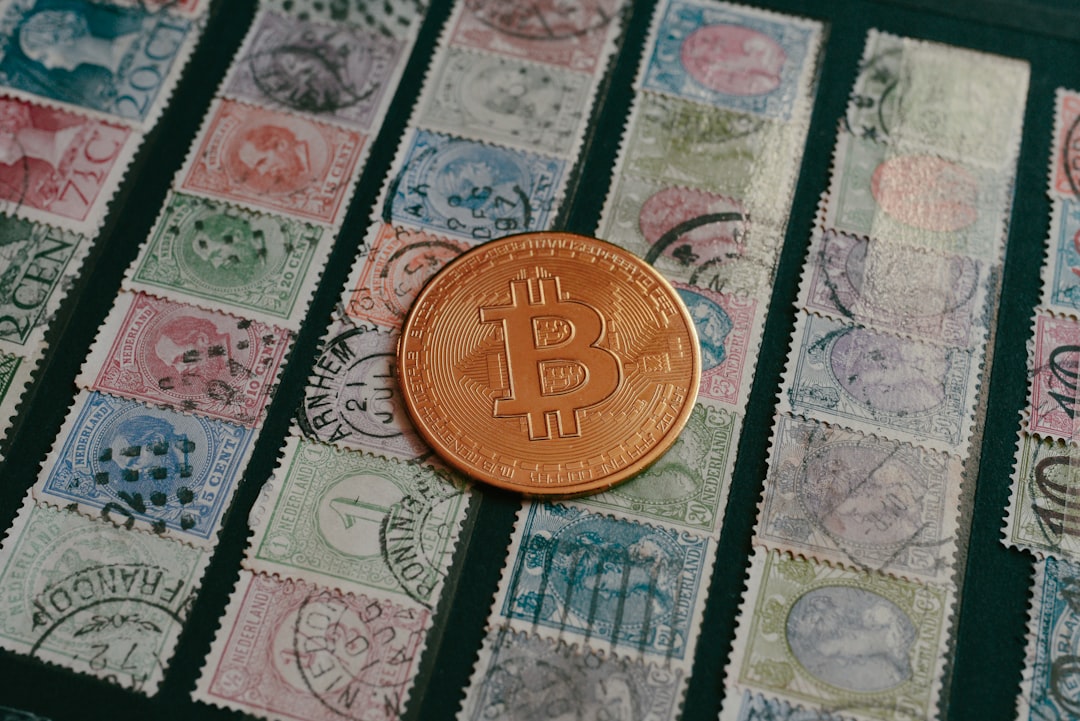
The concept of money has undergone a profound metamorphosis throughout American history. From precious metals painstakingly mined and minted to ephemeral digital bits, the medium of exchange has been a constant negotiation between trust, authority, and societal need. At the heart of this evolution lies the story of fiat currency, a system that, while now commonplace, represents a radical departure from earlier forms of money. To understand the U.S. dollar as it exists today, one must trace the winding path of how representative money ceded its dominance to a form of currency that derives its value not from intrinsic worth, but from governmental decree.
Before the United States even existed as a nation, the American colonies grappled with the challenges of facilitating trade and commerce. Their monetary landscape was a patchwork quilt of foreign coins, barter, and early forms of paper money, each with its own limitations.
Colonial Scarcity and the Birth of “Bills of Credit”
The colonies, largely agrarian and dependent on trade with Great Britain, suffered from a chronic shortage of hard currency, primarily Spanish silver dollars and British sterling. This scarcity acted like a vise, constricting economic activity and making everyday transactions a complex logistical puzzle. To alleviate this, colonial governments began to issue their own paper money, known as “bills of credit.” These were essentially promissory notes, backed by the taxing power of the colonial assembly. While a practical solution to immediate needs, these early issuances were often plagued by overprinting, leading to depreciation and inflation. It was akin to a farmer promising to pay his debts with future harvests, but then promising too many harvests to too many people, devaluing the very notion of a future payment.
The Problem of Double Denominations and Gresham’s Law
The presence of numerous foreign coins, each with slightly different metallic content and varying acceptance, created further complications. This situation often invoked Gresham’s Law, the economic principle famously stating that “bad money drives out good.” When coins of differing purity circulated together, people would hoard the more valuable (good) coins for their intrinsic metal worth, while spending the less valuable (bad) coins. This phenomenon further starved the colonies of precious metal coinage, exacerbating the reliance on less stable paper instruments.
The history of fiat currency in America is a fascinating journey that reflects the evolution of the nation’s economy and financial systems. For those interested in exploring this topic further, a related article can be found at this link, which delves into the origins and implications of fiat money in the United States. This resource provides valuable insights into how fiat currency has shaped economic policies and the everyday lives of Americans throughout history.
The Federal Government Steps In: From Specie to the U.S. Dollar
The establishment of the United States brought with it the need for a unified monetary system. The Founding Fathers, though divided on many issues, agreed on the necessity of a national currency, yet the path to a pure fiat system was far from direct, marked by a persistent tension between the desire for stable, gold-backed money and the practicalities of governing a burgeoning nation.
The Coinage Act of 1792: A Bimetallic Foundation
The Coinage Act of 1792 was a pivotal moment, establishing the U.S. dollar as the unit of account and introducing a bimetallic standard. This meant that the dollar was defined in terms of both silver and gold, with specific weights designated for each. The intention was to create a stable and universally accepted medium of exchange, a monetary anchor in a sea of uncertainty. However, this bimetallic system, while seemingly robust, contained the seeds of its own future instability, as the relative market values of gold and silver could fluctuate, leading to the dishoarding of one metal over the other, much like a seesaw constantly being rebalanced by external forces.
The Civil War and the Introduction of “Greenbacks”
The immense financial demands of the Civil War forced the federal government to take bolder steps. In 1861 and 1862, Congress authorized the issuance of “United States Notes,” commonly known as “greenbacks.” These were the first truly fiat notes issued by the U.S. government, not redeemable in gold or silver at the time of their issuance. They were a direct governmental promise to pay, a fiat in its purest form. This was a significant departure from previous paper money, which at least carried the promise of specie convertibility. The nation was effectively betting on its own survival and economic capacity to absorb this new form of money.
The Legal Tender Act of 1862
The Legal Tender Act of 1862 was crucial in solidifying the role of greenbacks. It declared these notes to be legal tender for all debts, public and private. This meant that creditors were legally obligated to accept them as payment, regardless of whether they preferred gold or silver. This act essentially forced the acceptance of the government’s paper promise, a critical step in establishing fiat currency’s legitimacy.
The End of Bimetallism and the Gold Standard Era
Throughout the late 19th century, the debate over the gold standard raged. Proponents argued that it provided price stability and economic discipline, while opponents, particularly agrarian interests, felt it unfairly benefited creditors and restricted economic growth.
The Gold Standard Act of 1900
The Gold Standard Act of 1900 solidified the United States’ commitment to the gold standard. This act officially declared the gold dollar as the standard unit of value and made all U.S. paper currency redeemable in gold. For decades, this system provided a degree of perceived stability, linking the value of the dollar to a tangible commodity. The gold standard acted as a global anchor, a common language of value that most developed nations understood and adhered to.
The Federal Reserve and the Gradual Shift Towards Fiat
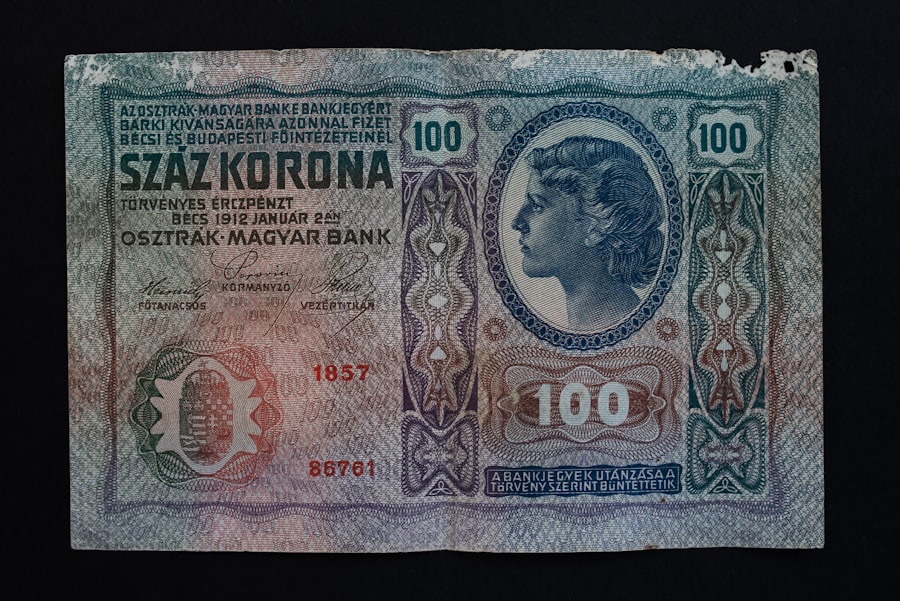
The establishment of the Federal Reserve System in 1913 marked a new chapter in American monetary history, gradually paving the way for a system less tethered to the physical constraints of precious metals.
The Federal Reserve Act of 1913: A Central Bank’s Role
The Federal Reserve Act was a response to a series of financial panics that had plagued the nation. It created a central banking system designed to manage the money supply, provide liquidity to banks, and act as a lender of last resort. While initially operating within the framework of the gold standard, the Fed’s mandate to manage the economy created the infrastructure and the conceptual space for a more flexible monetary policy, one that could eventually operate independent of gold reserves. The Fed became the conductor of the monetary orchestra, capable of adjusting tempo and volume.
The Great Depression and the Abandonment of Gold
The Great Depression of the 1930s dealt a severe blow to the gold standard. The economic crisis revealed the rigidity of the system, as nations struggled to stimulate their economies while bound by gold reserves.
Roosevelt and the Gold Reserve Act of 1934
In 1933, President Franklin D. Roosevelt took the momentous step of taking the United States off the gold standard domestically, prohibiting private ownership of gold coins. The Gold Reserve Act of 1934 further solidified this by devaluing the dollar relative to gold, in essence, buying more dollars for the same amount of gold. This was a significant move, severing the direct link between the average citizen and gold ownership for monetary purposes, and further concentrating monetary control within the government. The U.S. Treasury now held the nation’s gold, not as a direct facilitator of daily transactions, but as a strategic reserve.
The Final Break: The Nixon Shock and a Pure Fiat System
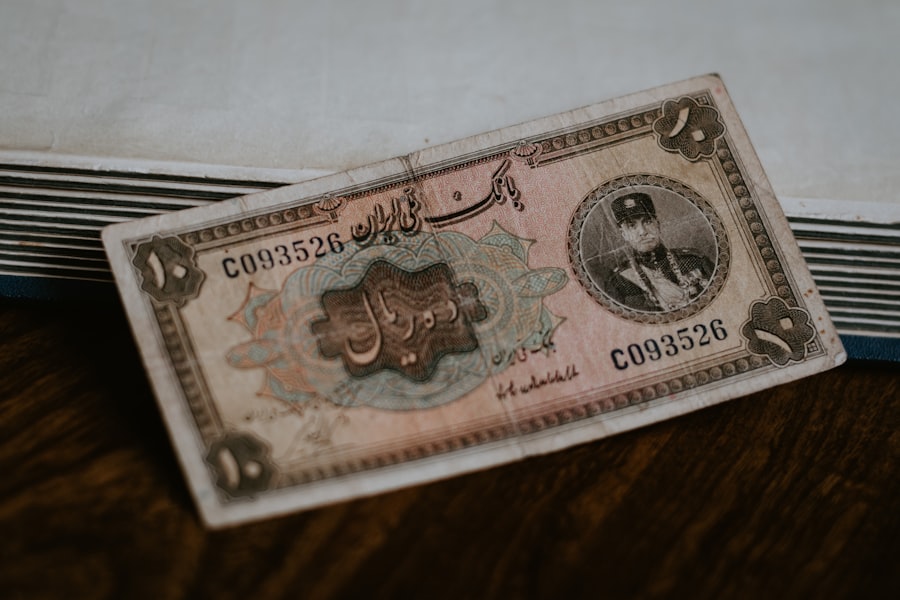
The post-World War II era saw the Bretton Woods system, which pegged most international currencies to the U.S. dollar, which in turn was convertible to gold. While this provided stability for a time, the system began to fray under economic pressures.
The Growing Strain on U.S. Gold Reserves
As the U.S. ran trade deficits and financed costly wars, foreign governments holding dollars began to demand conversion into gold, drawing down American reserves. The U.S. found itself owing more gold than it possessed, a precarious situation akin to a bank running out of actual cash to give its depositors.
The “Nixon Shock” of 1971
On August 15, 1971, President Richard Nixon announced that the United States would unilaterally suspend the convertibility of dollars into gold for foreign governments. This event, famously dubbed the “Nixon Shock,” marked the definitive end of the Bretton Woods system and, more importantly, the end of any formal tie between the U.S. dollar and gold. The dollar became a pure fiat currency, its value resting solely on the faith and credit of the U.S. government and the strength of the American economy. The world’s default monetary compass had lost its physical anchor.
The Era of Floating Exchange Rates and Managed Fiat
Following the Nixon Shock, the international monetary system transitioned to one of floating exchange rates, where currency values are determined by market forces. The U.S. dollar, however, retained its status as the world’s primary reserve currency, despite its fiat nature.
The Federal Reserve’s Dominant Role
In this fiat system, the Federal Reserve’s power to influence the economy through monetary policy became paramount. By controlling interest rates and the money supply, the Fed acts as the primary steward of the dollar’s value. This power, while essential for economic management, also carries significant responsibility, as missteps can lead to inflation or recession. The Fed’s decisions are like adjusting the flow of water in a vast irrigation system, aiming to nourish the economic landscape without causing floods or droughts.
The history of fiat currency in America is a fascinating journey that reflects the evolution of the nation’s economy and financial systems. From the Continental Congress issuing paper money during the Revolutionary War to the establishment of the Federal Reserve, the transition to a fiat currency system has had significant implications for monetary policy and economic stability. For a deeper understanding of this topic, you can explore a related article that delves into the intricacies of fiat currency and its impact on American society by visiting this link.
The Future of Fiat: Digital Currencies and Evolving Trust
| Year | Event | Description | Significance |
|---|---|---|---|
| 1690 | First Colonial Paper Money | Massachusetts Bay Colony issued the first paper money in America to fund military expeditions. | Marked the beginning of fiat currency use in America. |
| 1862 | Introduction of Greenbacks | U.S. government issued paper currency called “Greenbacks” to finance the Civil War. | First national fiat currency issued by the U.S. government. |
| 1913 | Federal Reserve Act | Established the Federal Reserve System as the central bank of the United States. | Centralized control over currency issuance and monetary policy. |
| 1933 | End of Gold Standard for Citizens | U.S. citizens were prohibited from owning gold coins and certificates. | Shifted currency away from gold backing towards fiat money. |
| 1971 | Nixon Ends Gold Convertibility | President Nixon announced the suspension of the dollar’s convertibility into gold. | Officially made U.S. currency fully fiat with no gold backing. |
The history of fiat currency in America is a dynamic narrative, and its evolution is far from over. The digital revolution is now presenting new frontiers and challenges.
The Rise of Digital Fiat and Cryptocurrencies
The advent of cryptocurrencies like Bitcoin has introduced an alternative to traditional fiat. Unlike government-issued fiat, cryptocurrencies are decentralized and rely on cryptographic principles for security. This has sparked debates about the future of money and whether decentralized digital assets could one day challenge the dominance of state-issued fiat. The very concept of trust is being re-examined: can trust be vested in algorithms and networks as readily as it is in governments?
The Central Bank Digital Currency (CBDC) Debate
Many central banks, including the Federal Reserve, are exploring the possibility of issuing their own Central Bank Digital Currencies (CBDCs). A CBDC would be a digital form of a country’s fiat currency, issued and backed by the central bank. This represents a potential evolution of fiat currency, moving it entirely into the digital realm while maintaining government control. The implications for privacy, financial inclusion, and monetary policy are profound and are subjects of intense ongoing discussion. This is not just an upgrade, but a potential reimagining of the very infrastructure of our financial lives.
The journey from intrinsically valuable coins to the abstract promise of government decree has been long and often tumultuous. The history of fiat currency in America is a testament to the adaptability of economic systems and the enduring human need for a reliable medium of exchange. It is a story of innovation, compromise, and the constant redefinition of trust in the monetary realm, a story that continues to unfold with each passing financial innovation.
FAQs
What is fiat currency?
Fiat currency is government-issued money that is not backed by a physical commodity like gold or silver but has value because the government maintains it and people have faith in its value.
When was fiat currency first introduced in America?
Fiat currency was first introduced in America during the Revolutionary War with the issuance of the Continental Congress’s “Continental Currency” to finance the war effort, although it quickly depreciated due to lack of backing and overprinting.
How did the U.S. transition from commodity-backed currency to fiat currency?
The U.S. transitioned from commodity-backed currency to fiat currency gradually, with key moments including the abandonment of the gold standard during the Great Depression and the complete severance of the dollar from gold in 1971 under President Nixon, establishing the modern fiat system.
What role does the Federal Reserve play in the U.S. fiat currency system?
The Federal Reserve, established in 1913, manages the U.S. money supply and monetary policy, issuing Federal Reserve Notes which serve as the primary form of fiat currency in the U.S. economy.
Why is fiat currency important in the American economy?
Fiat currency is important because it provides a flexible and stable medium of exchange, allowing the government to control inflation, manage economic growth, and respond to financial crises without being limited by physical reserves like gold.