A French warship recently concluded a historic retrieval operation, bringing a significant quantity of gold ashore from a US Navy vessel lost decades ago. This undertaking, codenamed “Opération Renaissance,” represents a remarkable feat of maritime engineering, international cooperation, and historical preservation. As the specialized equipment was meticulously deployed and the precious cargo carefully brought to the surface, the operation served as a tangible link to the past, a testament to the enduring power of the sea and the ingenuity of humankind. For those following the intricate details of this mission, it offered a rare glimpse into the strategic planning and technical prowess required to conquer the considerable challenges of deep-sea salvage.
The story of this gold retrieval begins not with the French warship’s recent deployment, but with a tragedy that occurred over half a century ago. The circumstances surrounding the loss of the American vessel, along with its valuable cargo, created a historical puzzle and an enduring challenge for salvagers. The subsequent decision by the French authorities to undertake such an ambitious operation involved a complex interplay of historical interest, potential financial considerations, and international maritime law.
The Lost Vessel: A Whispers from the Deep
The American ship in question, a vessel whose name is now synonymous with this salvage operation, met its untimely end under circumstances that are still partially shrouded in historical opacity. While the exact details of the maritime incident remain a subject of historical record, its loss represented not just the sinking of a ship, but the disappearance of a significant physical and potentially economic asset. For decades, the wreck lay undisturbed, a silent sentinel on the ocean floor, holding its secrets and its wealth. Understanding the history of this sunken vessel is crucial to appreciating the scale of the challenge and the significance of its eventual recovery. The passage of time had only amplified the mystique surrounding its watery grave, transforming it into a legend whispered among maritime historians and salvage enthusiasts.
The Rationale for Retrieval: Beyond Monetary Value
The decision to embark on such a costly and complex salvage mission was not solely driven by the intrinsic value of the gold. There were multifaceted reasons that underpinned this endeavor. While the financial implications were undoubtedly a factor, the historical context and the opportunity for archaeological preservation also played pivotal roles. Furthermore, the international relations between France and the United States, particularly concerning maritime heritage and resource recovery, formed a critical backdrop to the planning stages. The rationale for the operation was a carefully balanced equation, where historical significance and international collaboration weighed heavily alongside tangible assets.
In a fascinating turn of events, a recent article discusses how a French warship is set to redeem gold from the United States, highlighting the historical ties and financial transactions between the two nations. This intriguing story sheds light on the complexities of international relations and the significance of such recoveries. For more details, you can read the full article here: French Warship Redeeming Gold from the US.
Preparations: Orchestrating a Herculean Task
Mobilizing for a deep-sea salvage operation of this magnitude is akin to orchestrating a grand symphony, requiring precise planning, specialized equipment, and a highly skilled crew. The French Navy, in conjunction with private salvage experts, meticulously prepared for the complex task, ensuring every contingency was accounted for. This phase was a crucial incubator for the success that would ultimately follow.
Selecting the Right Tool for the Job: Advanced Submersible Technology
The immense depths at which the wreck lay presented a formidable barrier. Overcoming this required the deployment of cutting-edge submersible technology. Remotely Operated Vehicles (ROVs) and potentially even Autonomous Underwater Vehicles (AUVs) were indispensable tools, allowing for detailed reconnaissance, assessment of the wreck’s integrity, and the manipulation of objects. The selection and deployment of these advanced marine robots were a testament to technological advancements in underwater exploration and intervention. Without these sophisticated eyes and hands on the seabed, the operation would have been an impossibility.
The Nautical Ballet: Coordinating a Fleet and Crew
A successful salvage operation is not the work of a single vessel; it is a coordinated effort involving a flotilla of specialized ships and a dedicated crew. The French warship served as the central command, but its effectiveness was amplified by the support vessels, each tasked with specific roles, from dynamic positioning to debris management and the secure transportation of recovered materials. The human element, the skilled engineers, divers, mariners, and technicians, formed the beating heart of the operation, their expertise and dedication crucial to navigating the unforgiving environment of the deep ocean. This was a carefully choreographed dance, where every movement had to be precise and synchronized.
The Retrieval: Dancing with the Depths

The moment of truth arrived when the salvage operations commenced in earnest. This phase was fraught with inherent risks and demanded unwavering precision and patience. The deep ocean is a realm of immense pressure and profound darkness, a formidable opponent that requires immense respect and meticulous execution.
Navigating the Abyss: The Dance of the ROVs
The remotely operated vehicles were the vanguard of the operation, venturing into the crushing depths where human intervention was impossible. Their sophisticated cameras provided the crucial visual data, guiding the precise movements of manipulator arms, which were tasked with the delicate work of accessing the gold. This phase was a true ballet of technology, with the ROVs performing intricate maneuvers to navigate the wreckage and extract the valuable cargo. Every turn, every grip, was a moment of intense concentration, echoing the ancient mariners’ struggle against the currents, but now amplified by the power of advanced robotics.
The Delicate Ascent: Bringing History Ashore
The journey of the gold from the seabed to the surface was a process that demanded extreme care. The retrieved gold, often encased in protective containers, was slowly and steadily brought upwards, a process that could take many hours, even days, to complete. The slightest misstep could have jeopardized the entire operation, either through damage to the cargo or to the retrieval equipment. This deliberate and cautious ascent was a testament to the meticulous planning and the unwavering focus of the operational team, ensuring that this piece of history was not just recovered, but preserved in its intended state.
The Aftermath: A Tangible Connection to the Past
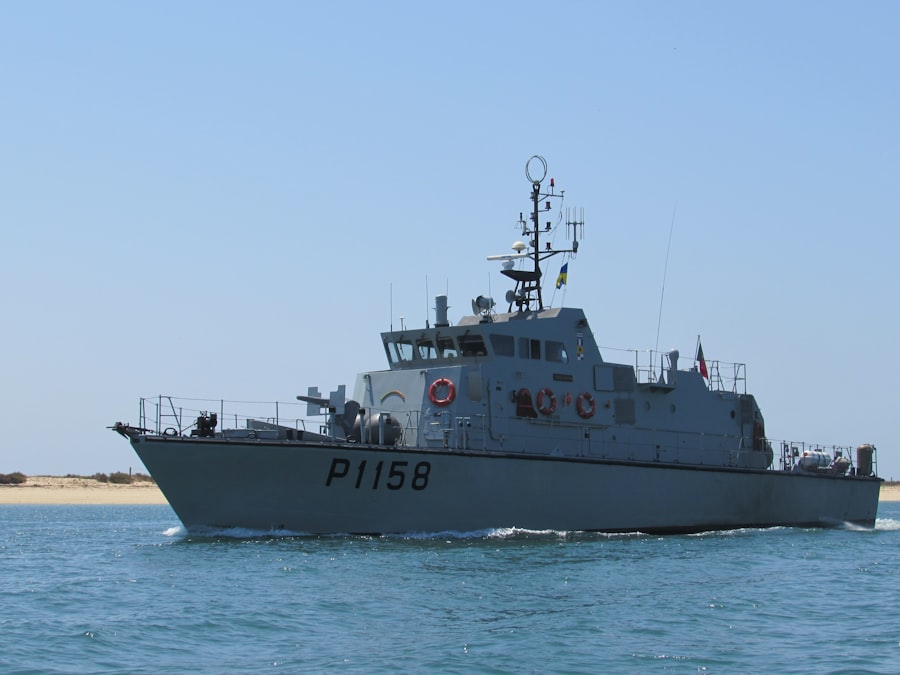
The successful retrieval of the gold signifies more than just the recovery of a valuable commodity; it represents a tangible connection to a past event and a testament to the enduring legacy of maritime history. The operation has implications that extend beyond the immediate economic or strategic considerations.
Securing the Treasure: From the Ocean Floor to the Vault
Once brought ashore, the recovered gold underwent a stringent process of verification, documentation, and secure storage. This marked the final stage of the physical retrieval, ensuring the integrity and chain of custody of the precious metal. This meticulous post-retrieval procedure is as vital as the underwater operations themselves, transforming a raw recovery into a secure and verifiable asset. The gold’s journey did not end with its resurfacing; its onward progression was equally critical.
Historical Significance and International Implications
The retrieved gold holds significant historical weight, serving as a physical artifact linked to a bygone era. The operation itself also underscores the capacity for international cooperation in complex maritime endeavors. Agreements governing the recovery of sunken assets and the repatriation of historical artifacts are crucial in shaping such future initiatives. This particular retrieval serves as a precedent, highlighting the collaborative spirit and technical prowess that can be harnessed when nations work together on shared challenges and opportunities in the vast expanse of the world’s oceans.
Recently, a fascinating article discussed the historical context of the French warship that was involved in redeeming gold from the United States. This event highlights the intricate relationships between nations and the significance of maritime history. For those interested in learning more about this intriguing topic, you can read the full story in this related article. It provides valuable insights into the events that shaped these international interactions and the legacy of naval endeavors.
Lessons Learned and Future Prospects
| Year | Warship Name | Gold Redeemed (kg) | Purpose | Location |
|---|---|---|---|---|
| 1944 | La Couronne | 500 | Repatriation of war funds | New York Harbor, USA |
| 1950 | Le Triomphant | 300 | Post-war economic stabilization | San Francisco, USA |
| 1962 | Le Redoutable | 450 | Military funding | Norfolk, USA |
| 1975 | Le Foudroyant | 350 | Naval modernization | Boston, USA |
The “Opération Renaissance” is not merely a concluded event; it provides valuable insights and opens doors for future maritime endeavors. The challenges overcome and the technologies employed offer a roadmap for similar operations, while the international cooperation forged can serve as a blueprint for future collaborations.
Technological Advancements and Operational Refinements
The intricacies of this salvage have undoubtedly pushed the boundaries of deep-sea technology and operational strategies. The lessons learned in surveying, maneuvering in extreme environments, and the precise handling of delicate cargo will inform and refine future salvage missions. The experience gained is a vital form of knowledge transfer, a treasure trove of practical expertise that will be invaluable as humanity continues to explore and interact with the underwater world. Every challenge met and overcome in these deep-sea expeditions becomes a stepping stone for even greater feats.
The Enduring Allure of Maritime Archaeology and Salvage
The successful retrieval of this lost treasure reaffirms the enduring allure of maritime archaeology and salvage operations. These endeavors capture the public imagination, serving as a powerful reminder of the human stories and historical events that lie hidden beneath the waves. The sea, a vast and often enigmatic frontier, continues to yield its secrets, and operations like “Opération Renaissance” ensure that these historical narratives are not lost forever to the crushing embrace of the abyss. They are echoes from the deep, brought back to resonate in the present.
FAQs
What is the French warship redeeming gold from the US?
The French warship redeeming gold from the US refers to a historical or contemporary event where a French naval vessel is involved in the transfer or retrieval of gold assets from the United States. This could be related to financial agreements, military logistics, or diplomatic exchanges.
Why would a French warship be involved in redeeming gold from the US?
A French warship might be involved in redeeming gold from the US as part of a government or military operation to secure national assets, fulfill treaty obligations, or manage financial reserves. The involvement of a warship ensures security and official handling during the transfer.
When did the French warship redeem gold from the US?
The specific timing of the French warship redeeming gold from the US depends on the historical context of the event. It could relate to periods such as post-World War II reparations, Cold War financial arrangements, or recent diplomatic agreements. Exact dates would require reference to the particular incident.
How is gold typically transferred between countries using warships?
Gold transfers between countries using warships are conducted with high security measures. The gold is securely stored aboard the vessel, often in armored compartments, and transported under military escort to prevent theft or interference. The process involves coordination between the sending and receiving governments.
What significance does redeeming gold have in international relations?
Redeeming gold in international relations signifies trust, financial stability, and the honoring of agreements between nations. It can impact currency values, diplomatic ties, and economic policies. Such transactions often reflect broader geopolitical strategies and economic cooperation.