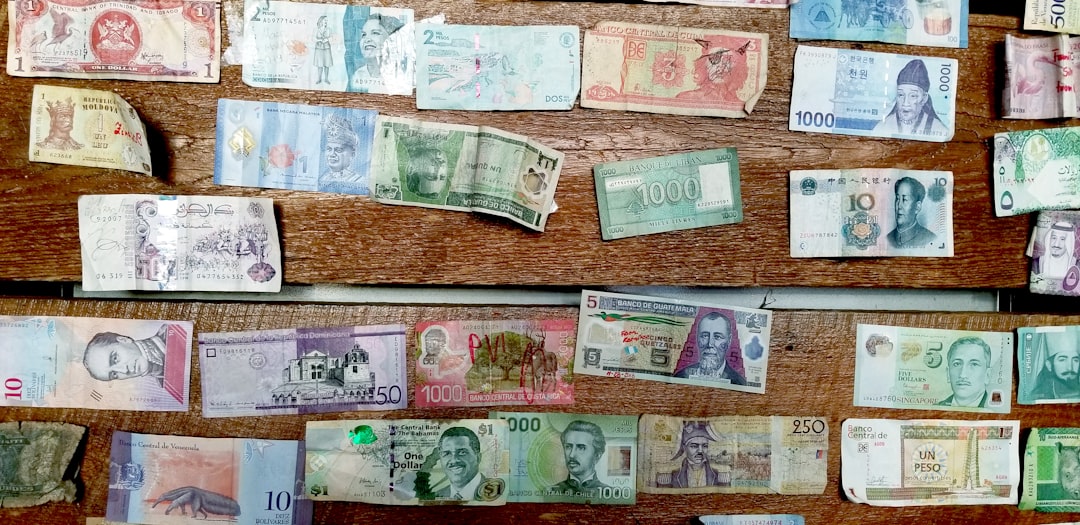
Currency wars and competitive devaluation represent a multifaceted phenomenon in the global economic landscape. This article aims to explore the intricate dynamics, underlying causes, and far-reaching consequences of such strategies, providing a factual and analytical overview akin to a Wikipedia entry.
At its core, a currency war is a situation where a country deliberately weakens its currency to gain an advantage in international trade. This is achieved through various policy interventions, often by lowering interest rates or engaging in direct market manipulation. The goal is simple: to make a nation’s exports cheaper for foreign buyers and imports more expensive for domestic consumers. Think of it as a global game of “who can make their goods the cheapest?” It’s a zero-sum game where one country’s gain is often another’s loss.
The Arsenal of Devaluation
Governments and central banks possess a range of tools to achieve the desired currency depreciation. These interventions, while seemingly straightforward, can have complex ripple effects.
Monetary Policy Levers
- Interest Rate Adjustments: A primary tool is the manipulation of interest rates. Lowering interest rates makes it less attractive for foreign investors to hold assets denominated in that country’s currency, as the returns are lower. This decreased demand for the currency leads to its depreciation. Conversely, raising interest rates tends to strengthen a currency.
- Quantitative Easing (QE): This involves a central bank injecting liquidity into the economy by purchasing government bonds or other securities. This increases the money supply, which can theoretically lead to inflation and a weaker currency, as there are more units of the currency chasing the same amount of goods and services.
Direct Market Intervention
- Foreign Exchange Market Operations: Central banks can directly intervene in the foreign exchange market by selling their own currency and buying foreign currencies. This increased supply of their currency relative to demand naturally pushes its value down. These interventions can be significant, acting like throwing a bucket of water onto a rising tide to try and push it back.
- Capital Controls: In extreme cases, countries may implement capital controls to restrict the outflow of money, thereby preventing further appreciation of their currency. This is a more drastic measure, akin to building a dam to stop a river’s flow.
The Motivation Behind the Moves
The impetus for engaging in currency wars is typically rooted in economic distress or a desire for enhanced global competitiveness. Countries facing sluggish growth, high unemployment, or persistent trade deficits may resort to devaluation as a means of stimulating their economies.
Domestic Economic Challenges
- Stagnant Economic Growth: When a country’s economy is not expanding at a satisfactory pace, policymakers may look for ways to boost exports, which are a key driver of growth. A weaker currency makes exports more attractive, leading to increased demand from overseas.
- High Unemployment: A decline in the value of a currency can lead to increased exports, which in turn can stimulate production and create jobs. This is a direct link between currency policy and domestic employment figures.
- Persistent Trade Deficits: Countries that import more than they export often grapple with trade deficits. Devaluation can help to rebalance this by making imports more expensive for domestic consumers and exports more appealing to foreign buyers.
Global Competitive Pressures
- Maintaining Export Competitiveness: In a globalized economy, countries are constantly vying for market share. If other nations are perceived to be engaging in currency manipulation or have benefited from a stronger currency being more expensive, a country might feel compelled to devalue to remain competitive.
- Responding to Competitors’ Actions: A currency war can escalate as countries react to each other’s devaluation efforts. It can become a tit-for-tat exchange, where each nation tries to outdo the other in weakening their currency.
Currency wars and competitive devaluation have become increasingly relevant in today’s global economy, as nations seek to gain a competitive edge through the manipulation of their currency values. A related article that delves deeper into this topic can be found at Hey Did You Know This, where the implications of such economic strategies are explored in detail, shedding light on how they affect international trade and financial stability.
The Domino Effect: Global Repercussions of Currency Devaluation
The impact of currency wars extends far beyond the borders of the nations directly involved. This global economic chessboard is interconnected, and the moves of one player can trigger a cascade of consequences for others.
Trade Imbalances and Protectionism
As countries devalue their currencies, their exports become cheaper, making them more attractive to consumers in other nations. This can lead to a widening of trade imbalances, with some countries experiencing significant trade surpluses and others facing growing deficits. This can, in turn, foster protectionist sentiments and actions.
The Rise of Tariffs and Quotas
When a country’s domestic industries are struggling to compete with cheaper imports, there is often political pressure to implement protectionist measures. Tariffs (taxes on imports) and quotas (limits on the quantity of imports) can be introduced to level the playing field or shield domestic producers. These measures can escalate into trade disputes, further disrupting global commerce.
Impact on Developing Economies
Developing economies, often reliant on exports of raw materials or basic manufactured goods, can be particularly vulnerable. A sudden devaluation in a major trading partner’s currency can make their exports uncompetitive overnight, severely impacting their economic stability and development prospects. It’s like a small boat being tossed about in the wake of a much larger ship.
Inflationary Pressures and Consumer Costs
While devaluation aims to boost exports, it also makes imports more expensive for domestic consumers. This can lead to inflationary pressures within the devaluing country, as the cost of imported goods and raw materials rises. For citizens, this means their purchasing power diminishes; their hard-earned money buys less.
Imported Goods Become a Luxury
For a country that relies on imported goods for essential commodities like energy, food, or manufactured components, a weaker currency can translate into significantly higher prices for these items. This can strain household budgets and lead to social unrest.
Impact on Multinational Corporations
Multinational corporations are significantly affected by currency fluctuations. Profits earned in foreign currencies can be worth less when repatriated to their home country if that currency has weakened. Conversely, companies operating in countries with appreciating currencies may see increased costs for repatriating profits.
Financial Market Volatility and Capital Flows
Currency wars can inject significant volatility into global financial markets. As exchange rates shift rapidly, investors and businesses face increased uncertainty, which can deter investment and lead to capital flight from perceived riskier markets.
The Flight to Safety
During periods of currency instability, investors often seek “safe haven” assets, such as gold or currencies of countries with stable economies and strong financial systems. This can further exacerbate currency movements, creating a self-fulfilling prophecy of depreciation for some currencies and appreciation for others.
Deterioration of Investment Climate
The unpredictability associated with currency wars can significantly damage a country’s investment climate. Foreign direct investment can dry up as potential investors become wary of the risks involved in operating in an environment of fluctuating exchange rates and potential trade disputes.
The Intended vs. Actual Outcomes: Unintended Consequences

While the stated objective of a currency war is often economic stimulus, the actual outcomes can be far more complex and, at times, detrimental to the initiating country. The intricate web of global economics means that interventions rarely play out exactly as planned.
The Risk of Retaliation and Escalation
The most significant unintended consequence of a currency war is the strong likelihood of retaliatory measures from other countries. If Country A devalues its currency, Country B might feel compelled to do the same to protect its own industries. This tit-for-tat cycle can quickly spiral into a full-blown currency war, where multiple countries are engaged in competitive devaluation, ultimately negating any initial advantage gained. This is akin to a arms race, where each nation builds more powerful weapons in response to their rivals, leading to a less secure world for all.
The “Beggar-Thy-Neighbor” Syndrome
The concept of “beggar-thy-neighbor” policy is central to understanding the unintended consequences. A country’s attempt to improve its economic situation by making its exports cheaper can, in essence, beggar its neighbors by making their exports less competitive and their economies weaker. This can strain diplomatic relations and foster animosity.
Trade Wars as a Subsequent Step
Escalating currency tensions can easily spill over into outright trade wars. As currency manipulation becomes a perceived unfair practice, countries may move from currency adjustments to more direct trade barriers, such as tariffs and import quotas, further damaging global trade and economic growth.
Erosion of Trust and International Cooperation
Currency wars can erode trust among nations and undermine the principles of international economic cooperation. When countries prioritize their own short-term economic gains over the stability of the global system, it weakens multilateral institutions and agreements designed to foster fair trade and economic stability.
Weakening of Global Governance
International bodies like the International Monetary Fund (IMF) and the World Trade Organization (WTO) are tasked with promoting global economic stability and fair trade practices. Currency wars, by their very nature, challenge the effectiveness of these institutions and can lead to a breakdown in international dialogue and cooperation.
Impact on Global Supply Chains
The interconnectedness of global supply chains means that disruptions in one country due to currency fluctuations or trade disputes can have a ripple effect across the world. This uncertainty can lead to companies re-evaluating their supply chain strategies, potentially leading to reduced efficiency and higher costs.
Long-Term Economic Damage
While short-term gains might be perceived, sustained currency wars can inflict long-term damage on the global economy. The persistent uncertainty, reduced trade, and weakened international cooperation can lead to slower global growth, stifle innovation, and make it more difficult for all nations to achieve sustainable economic prosperity.
Beyond the Short-Term Fix: Alternative Approaches to Economic Growth
The allure of currency devaluation as a quick fix for economic woes is understandable, but its inherent risks and potential for negative repercussions necessitate a consideration of more sustainable and collaborative approaches to economic growth.
Fostering Domestic Demand and Investment
Instead of relying on external demand stimulated by a weaker currency, countries can focus on strengthening their domestic economies by fostering domestic consumption and investment. This involves policies that boost household incomes, encourage private sector investment, and improve the overall business environment.
Investing in Human Capital
A well-educated and skilled workforce is a cornerstone of a thriving economy. Investments in education, vocational training, and healthcare can lead to increased productivity, innovation, and ultimately, sustainable economic growth that is not reliant on the vagaries of currency markets.
Infrastructure Development
Robust infrastructure, including transportation networks, energy grids, and digital connectivity, is essential for facilitating trade, attracting investment, and improving the quality of life for citizens. Public and private investment in infrastructure can create jobs and stimulate economic activity.
Promoting Free and Fair Trade Agreements
Rather than engaging in competitive devaluation that can lead to trade disputes, countries can pursue policies that promote free and fair trade agreements. These agreements, when properly structured, can open up new markets, foster competition, and lead to greater economic efficiency for all participating nations.
Strengthening Multilateral Trade Institutions
Supporting and strengthening international trade organizations like the WTO can provide a framework for resolving trade disputes and ensuring that global trade is conducted on fair and transparent terms, thereby reducing the incentive for unilateral currency devaluations.
Addressing Structural Imbalances Collaboratively
Rather than attempting to solve trade imbalances through currency manipulation, nations can engage in dialogue and collaborative efforts to address the underlying structural factors that contribute to these imbalances, such as differences in savings rates, industrial policies, and consumer demand patterns.
Structural Reforms and Innovation
Long-term economic prosperity is best achieved through structural reforms that enhance productivity, innovation, and competitiveness. This includes reducing regulatory burdens, promoting competition, and investing in research and development.
Embracing Technological Advancement
Staying at the forefront of technological advancement is crucial for maintaining economic competitiveness. Countries that foster innovation and embrace new technologies are better positioned to create high-value industries and products, reducing their reliance on currency strategies for competitive advantage.
Diversifying Economies
Economies that are overly reliant on a narrow range of exports are more vulnerable to external shocks. Diversifying the economic base, by developing new industries and expanding into new markets, can create greater resilience and reduce the perceived need for currency manipulation as a survival strategy.
In recent discussions about global economic strategies, the concept of currency wars and competitive devaluation has gained significant attention. A related article explores the implications of these practices on international trade and financial stability. For those interested in understanding the broader context, you can read more about it in this insightful piece on currency dynamics. This article delves into how nations manipulate their currencies to gain a competitive edge, ultimately affecting global markets and economic relationships.
The Path Forward: Towards Stability and Cooperation
| Year | Country | Currency | Devaluation Percentage | Reason for Devaluation | Impact on Exports | Global Response |
|---|---|---|---|---|---|---|
| 2010 | China | Renminbi (CNY) | 2% | Boost export competitiveness | Increased by 5% | US criticized as currency manipulation |
| 2013 | Japan | Yen (JPY) | 15% | Stimulate economic growth | Export growth of 8% | G7 warned against competitive devaluation |
| 2015 | Switzerland | Swiss Franc (CHF) | 10% | Remove currency peg to Euro | Exports became more expensive | Market volatility increased globally |
| 2019 | India | Rupee (INR) | 5% | Counter trade tensions | Moderate export growth | IMF urged caution on currency moves |
| 2020 | Brazil | Real (BRL) | 12% | Support export sector amid pandemic | Exports increased by 7% | Global markets experienced uncertainty |
The era of unchecked currency wars poses a significant threat to global economic stability. Moving forward requires a conscious shift towards policies that prioritize cooperation, transparency, and sustainable economic growth.
Strengthening International Oversight and Transparency
Greater transparency in national economic policies, particularly concerning currency interventions, is crucial. International organizations should have greater oversight capabilities to monitor and address any actions that could destabilize the global financial system.
IMF’s Role in Monitoring and Guidance
The International Monetary Fund (IMF) plays a critical role in monitoring member countries’ economic policies and providing guidance to prevent excessive currency misalignment and competitive devaluations. Strengthening its mandate and resources could enhance its effectiveness.
Data Sharing and Collaboration
Encouraging greater data sharing among central banks and finance ministries can foster a more informed and collaborative approach to managing global economic challenges, including currency stability.
Reaffirming Commitment to Multilateralism
A renewed commitment to multilateralism and international cooperation is essential. Countries must recognize that their economic well-being is interdependent and that a stable global economic environment benefits everyone in the long run.
Dialogue and Diplomacy
Prioritizing diplomatic channels and open dialogue to resolve economic disputes is crucial. This can prevent misunderstandings and de-escalate tensions that might otherwise lead to currency wars.
Upholding International Agreements
Adherence to existing international trade agreements and financial regulations provides a framework for predictable and fair economic interactions, reducing the temptation for countries to resort to unilateral and potentially destabilizing measures.
Promoting Sustainable and Inclusive Growth
Ultimately, the most effective way to avoid currency wars is to foster economies that are inherently strong, resilient, and inclusive. This involves a long-term focus on structural reforms, investment in human capital and infrastructure, and policies that ensure the benefits of economic growth are shared broadly.
Focusing on Quality of Growth
Shifting the focus from the quantity of economic growth, often measured by GDP, to the quality of growth, which emphasizes sustainability, environmental protection, and social equity, can lead to more robust and resilient economies that are less susceptible to the pressures that drive currency wars.
Building Resilient Economic Systems
By building diversified economies, investing in innovation, and fostering strong domestic demand, countries can create economic systems that are less reliant on external trade advantages achieved through currency devaluation. This creates a more stable foundation for prosperity in the long term.
FAQs
What are currency wars?
Currency wars refer to a situation where countries compete against each other to devalue their national currencies. The goal is to gain a trade advantage by making exports cheaper and imports more expensive, thereby boosting domestic economic growth.
What is competitive devaluation?
Competitive devaluation is a strategy where countries deliberately lower the value of their currency relative to others. This is done to improve export competitiveness, reduce trade deficits, and stimulate economic activity, often leading to tensions between trading partners.
How do currency wars affect the global economy?
Currency wars can lead to increased volatility in exchange rates, disrupt international trade, and create uncertainty in financial markets. They may also provoke retaliatory actions from other countries, potentially escalating into broader economic conflicts.
What tools do governments use to devalue their currencies?
Governments and central banks may use monetary policy tools such as lowering interest rates, engaging in quantitative easing, or directly intervening in foreign exchange markets by buying or selling currencies to influence exchange rates.
Can currency wars have long-term negative consequences?
Yes, prolonged currency wars can undermine global economic stability, reduce investor confidence, and lead to inflationary pressures. They may also harm international cooperation and result in protectionist trade policies.