The United States Dollar: A Global Anchor Currency
The United States dollar (USD) occupies a unique and deeply entrenched position in the global financial architecture. It functions as the world’s primary reserve currency, a primary medium of exchange for international trade, and a safe haven asset during times of economic uncertainty. This pervasive influence stems from a confluence of historical factors, economic strength, and inherent stability that has cemented its role as the global anchor currency. Understanding this position requires an examination of its multifaceted advantages and the mechanisms that sustain its dominance.
The dollar’s meteoric rise from a national currency to a global financial linchpin is not an overnight phenomenon but a gradual unfolding of historical circumstances and deliberate policy choices. Its journey is akin to a mighty river, carving its path through the landscape of international finance over decades.
The Bretton Woods Agreement and its Legacy
The post-World War II era marked a pivotal moment. The devastation of the war had crippled the economies of many major European nations and Japan, leaving the United States as the undisputed economic powerhouse. To rebuild and stabilize the international monetary system, delegates from 44 Allied nations convened in Bretton Woods, New Hampshire, in July 1944.
Establishing a New Monetary Order
The Bretton Woods Agreement established a framework for international monetary cooperation that aimed to prevent the competitive devaluations and trade protectionism that had plagued the interwar period. Central to this agreement was the establishment of fixed exchange rates, where currencies were pegged to the U.S. dollar, which in turn was convertible to gold at a fixed price of $35 per ounce. This effectively made the dollar the world’s de facto gold standard.
The Dollar’s Gold Convertibility
This gold convertibility was a crucial pillar of confidence. It provided an objective measure of the dollar’s value and assured other countries that the U.S. would back its currency with a tangible asset. This created a sense of security and predictability in international transactions, facilitating trade and investment.
The Nixon Shock: A Paradigm Shift
The system established at Bretton Woods, while successful for a period, eventually faced strains. Growing U.S. trade deficits and increased foreign dollar holdings led to a depletion of U.S. gold reserves. In August 1971, President Richard Nixon unilaterally announced the suspension of the dollar’s convertibility to gold. This event, often referred to as the “Nixon Shock,” marked the end of the Bretton Woods system of fixed exchange rates.
The Transition to Floating Exchange Rates
The abandonment of gold convertibility ushered in an era of floating exchange rates, where the value of currencies is largely determined by market forces. While this represented a significant departure from the previous system, the dollar’s central role was not immediately relinquished.
The Dollar’s Enduring Dominance Post-Bretton Woods
Despite the absence of gold backing, the dollar’s established infrastructure, the sheer size and depth of the U.S. economy, and the lack of immediate viable alternatives allowed it to retain its dominant position. The groundwork laid by Bretton Woods had created a powerful inertia.
The US dollar has long been regarded as the world’s primary reserve currency, serving as an anchor for global trade and finance. This status is largely attributed to the stability of the US economy, the liquidity of its financial markets, and the widespread acceptance of the dollar in international transactions. For a deeper understanding of the factors that contribute to the dollar’s dominance, you can explore a related article at Hey Did You Know This, which discusses the historical context and implications of the dollar’s role in the global economy.
Pillars of Dollar Dominance
The U.S. dollar’s continued reign is not solely a product of historical circumstance; it is reinforced by a robust set of factors that contribute to its perceived stability and unparalleled utility in the global arena. These pillars are like the mighty roots of an ancient tree, holding it firmly in place.
Economic Size and Strength of the United States
The United States possesses the largest economy in the world by nominal GDP and is a global leader in innovation, technology, and productivity. This immense economic engine provides a foundational layer of confidence in the dollar.
Robust Domestic Market and Consumption
The sheer size of the U.S. domestic market, driven by a large and relatively affluent population, creates consistent demand for goods and services. This inherent economic activity translates into a stable demand for the currency used to facilitate these transactions.
Technological Innovation and Industrial Power
The U.S. remains at the forefront of technological advancement and boasts a diverse and powerful industrial base. This leadership fosters global demand for U.S. products and services, further embedding the dollar in international commerce.
Deep and Liquid Financial Markets
The United States boasts the most developed, deepest, and most liquid financial markets in the world. This provides a welcoming environment for investors and businesses to access capital and manage risk.
Access to Treasury Securities
U.S. Treasury securities are widely regarded as among the safest and most liquid investments globally. They are a cornerstone of global foreign exchange reserves and a benchmark for interest rates worldwide. Their ease of purchase and sale, even in large volumes, makes them an attractive store of value.
Sophisticated Banking and Capital Systems
The U.S. banking system and its capital markets are characterized by their sophistication, transparency, and regulatory oversight. This infrastructure facilitates the smooth flow of capital and reduces transaction costs for international participants.
The Dollar’s Role in International Trade and Finance
A significant portion of global trade is invoiced and settled in U.S. dollars, a practice that creates a continuous demand for the currency. This network effect is self-reinforcing.
Dominance in Commodity Pricing
Major global commodities, such as oil, gold, and many agricultural products, are predominantly priced and traded in U.S. dollars. This means that countries seeking to import these essential goods must acquire dollars, regardless of their own currency. This creates a perpetual demand for dollars on the international stage.
The Eurodollar Market
The Eurodollar market, which refers to dollar-denominated deposits held in banks outside the United States, is a vast and crucial component of global finance. It facilitates international lending and borrowing in dollars, further solidifying the currency’s global reach.
Foreign Exchange Reserves
Central banks around the world hold a significant portion of their foreign exchange reserves in U.S. dollars. This is a testament to the perceived safety and liquidity of dollar-denominated assets, providing a stable demand from official institutions.
The Dollar as a Safe Haven Asset
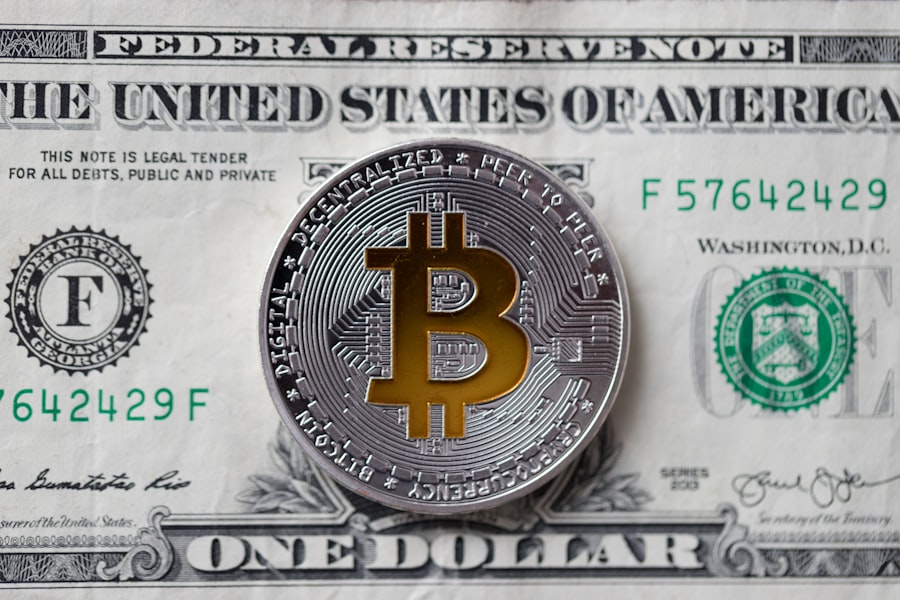
During periods of global financial stress or geopolitical instability, investors and central banks often flock to the U.S. dollar. This “flight to safety” is a critical characteristic that underscores its anchor currency status.
Perceived Stability and Political Certainty
Despite occasional domestic challenges, the United States is generally perceived as having a stable political system and strong institutions. This predictability, relative to many other nations, makes the dollar an attractive refuge during turbulent times.
Rule of Law and Property Rights
The robust legal framework and strong protection of property rights in the United States instill confidence in investors that their assets will be secure, even in volatile environments.
Independent Federal Reserve
The U.S. Federal Reserve, while subject to political oversight, operates with a degree of independence in its monetary policy decisions. This independence is seen as a crucial safeguard against politically motivated devaluations, contributing to the dollar’s stability.
Liquidity During Crises
In times of crisis, when market liquidity can dry up in other currencies, the U.S. dollar market typically remains deep and functional. This availability of readily tradable dollars is a crucial factor in its safe-haven appeal.
Access to U.S. Treasury Market
As previously mentioned, the U.S. Treasury market provides exceptional liquidity, allowing for large transactions even under stress. This makes it a reliable destination for investors seeking to park their funds safely and accessibly.
Central Bank Liquidity Swaps
The Federal Reserve has historically established dollar-denominated liquidity swap lines with other central banks. These arrangements provide foreign central banks with access to U.S. dollars during times of stress, ensuring the smooth functioning of global dollar markets.
Challenges and Future Prospects
While the U.S. dollar’s dominance is currently unchallenged, it is not immune to the forces of change. The global financial landscape is dynamic, and potential challenges to the dollar’s reign are worth considering.
The Rise of Alternative Currencies and Blocs
Several economies and currency blocs are actively seeking to reduce their reliance on the U.S. dollar. The emergence of a multi-polar financial world could gradually erode the dollar’s singular position.
The Euro and its Potential
The Euro, as the currency of a significant economic bloc, has the potential to be a viable alternative reserve currency. However, its adoption has been hampered by factors such as fiscal fragmentation within the Eurozone and differing economic priorities among member states.
The Chinese Yuan and the Digital Yuan
China’s growing economic influence has led to increased global use of the Renminbi (RMB), or Yuan. The development of a digital Yuan also presents a novel avenue for international transactions, although significant capital controls and broader geopolitical factors currently limit its international reach.
Geopolitical Shifts and Trade Wars
Shifting geopolitical alliances and the imposition of trade tariffs or sanctions can impact the attractiveness and usability of the U.S. dollar. Countries might seek to diversify away from a currency perceived as vulnerable to political weaponization.
Weaponization of the Dollar
The U.S. has, at times, used its financial leverage, including access to dollar-denominated transactions, as a tool of foreign policy. This has led some nations to explore alternatives to reduce their exposure to such potential actions.
Diversification Strategies by Trading Partners
Countries are increasingly exploring diversification of their reserves and trade settlement mechanisms to mitigate risks associated with over-reliance on a single currency.
Technological Disruption and Cryptocurrencies
The rapid evolution of financial technology, including the advent of cryptocurrencies and central bank digital currencies (CBDCs), could eventually present alternatives to traditional fiat currencies.
The Potential of Distributed Ledger Technology
Distributed ledger technology has the potential to create more efficient and secure cross-border payment systems, potentially bypassing traditional intermediation and the need for dominant fiat currencies.
The Role of CBDCs
Central bank digital currencies, if widely adopted and interconnected, could offer countries greater control over their monetary systems and facilitate more seamless international transactions. However, many CBDC projects are still in their early developmental stages.
The US dollar has long been regarded as the world’s primary reserve currency, a status that is supported by its widespread acceptance in international trade and finance. This dominance is not only a reflection of the United States’ economic strength but also its political stability and the trust that global markets place in its financial systems. For a deeper understanding of the factors contributing to the dollar’s status as the world’s anchor, you can explore this insightful article that delves into the historical and economic contexts surrounding this phenomenon. To read more, visit this article.
Conclusion: The Enduring Anchor, Facing Evolving Tides
| Metric | Value | Explanation |
|---|---|---|
| Global Foreign Exchange Reserves | 59% | Percentage of global reserves held in US currency, indicating trust and stability. |
| Global Trade Invoicing | 40% | Share of international trade transactions invoiced in US currency. |
| Global Debt Securities | 45% | Proportion of international debt issued in US currency. |
| Petrodollar System | Established in 1970s | Agreements to price oil in US currency, reinforcing its global demand. |
| US Economy Size | Approx. 25% of World GDP | Large and stable economy supports confidence in the currency. |
| US Treasury Market | Over 20 Trillion USD | Largest and most liquid government bond market, attracting global investors. |
| Political Stability | High | Stable political environment enhances currency reliability. |
| Military Strength | Global Presence | US military power supports geopolitical influence and currency dominance. |
The U.S. dollar’s position as the global anchor currency is a formidable one, built on a foundation of economic strength, deep financial markets, and a historical legacy of stability. It acts as the steady hand in the often-turbulent sea of international finance, providing a reliable medium for trade, a safe haven for assets, and a benchmark for global economic activity. The vast network of dollar-denominated transactions, from oil prices to foreign exchange reserves, creates a powerful self-reinforcing loop that is difficult to disrupt.
However, the world is not static. The rise of other economic powers, the evolving landscape of geopolitical relations, and the relentless march of technological innovation are all factors that could gradually reshape the global financial order. While a swift dethroning of the dollar is unlikely in the near to medium term, a gradual diversification of international currency usage and the emergence of alternative financial systems are plausible developments. The dollar’s future as the preeminent anchor will likely depend on the continued resilience of the U.S. economy, the adaptability of its financial institutions, and its ability to navigate the evolving complexities of the global stage. It is a ship that has sailed smoothly for decades, but the winds of change are blowing, and its captain must remain vigilant and adaptable to maintain its course.
FAQs
1. Why is the US dollar considered the world’s anchor currency?
The US dollar is considered the world’s anchor currency because it is widely used in global trade, finance, and as a reserve currency by central banks. Its stability, liquidity, and the size of the US economy contribute to its dominant role in international markets.
2. How does the US dollar benefit global trade?
The US dollar facilitates global trade by providing a common currency for transactions, reducing exchange rate risks and transaction costs. Many commodities, such as oil and gold, are priced in dollars, making it easier for countries to conduct trade.
3. What role does the US dollar play in international finance?
In international finance, the US dollar is the primary currency for issuing debt, conducting foreign exchange reserves, and settling cross-border payments. Its widespread acceptance ensures liquidity and confidence among investors and governments.
4. How do central banks use the US dollar as a reserve currency?
Central banks hold US dollars as part of their foreign exchange reserves to stabilize their own currencies, manage exchange rates, and provide a buffer against economic shocks. The dollar’s reliability and global acceptance make it a preferred reserve asset.
5. What factors contribute to the US dollar’s dominance in the global economy?
Factors include the size and strength of the US economy, the stability of its political and legal systems, the depth and liquidity of US financial markets, and the dollar’s role in global trade and finance. Additionally, trust in US institutions supports its continued dominance.