
The year 1971 stands as a significant marker in the global landscape, not for a single, dramatic event, but for a confluence of economic, political, and social shifts that began to reshape the understanding and trajectory of global poverty. While the term “global poverty” itself was not as universally defined or measured as it is today, the seeds of many of the concepts and challenges that would define anti-poverty efforts for decades were sown in that era. The world was emerging from the post-World War II reconstruction period, experiencing burgeoning globalization, and grappling with the complexities of newly independent nations. Understanding the impact of 1971 on global poverty requires us to examine several interconnected threads.
The early 1970s witnessed a transition in economic thought and practice, with significant implications for developing nations and their struggle against poverty. The post-war Bretton Woods system, which had fostered an era of relative global economic stability and encouraged trade, began to show signs of strain. The impact of this unfolding economic recalibration on the ground in developing countries, many of whom were still consolidating their independence and building their economies, was profound.
The Erosion of the Bretton Woods System
The year 1971 is perhaps most famously remembered for President Nixon’s unilateral decision to suspend the convertibility of the US dollar into gold, effectively ending the Bretton Woods system of fixed exchange rates. This action, often referred to as the “Nixon Shock,” sent ripples through the global financial architecture. For developing countries, reliant on stable currency exchange rates for trade and investment, this represented a significant destabilizing force.
Implications for Developing Economies
The increased volatility in exchange rates made long-term economic planning more challenging. Countries accustomed to predictable currency values found themselves navigating a more fluid and uncertain financial environment. This could lead to difficulties in importing essential goods, servicing foreign debt, and attracting foreign direct investment. If a country’s currency depreciated rapidly, the cost of imported necessities like food and medicine could skyrocket, directly impacting the most vulnerable populations and exacerbating existing poverty. Conversely, for countries with strong export sectors, devalued currencies could theoretically boost competitiveness, but the immediate shock and uncertainty often overshadowed such potential benefits. The stability that had underpinned early development efforts was suddenly less assured.
The Rise of Dependency Theory and its Critique
While not solely a creation of 1971, the debates surrounding dependency theory were highly influential during this period. This school of thought argued that the economic development of the Global South was intrinsically linked to and often hindered by the economic structures and policies of the Global North. It posited that developing countries were caught in a subordinate position within the global capitalist system, serving as sources of raw materials and cheap labor for developed nations, which in turn perpetuated their underdevelopment.
The Argument for Delinking
Proponents of dependency theory, such as Samir Amin, began to advocate for a “delinking” from the global capitalist system as a necessary step for genuine development. They argued that integration into the global economy, as dictated by dominant powers, would inevitably lead to continued exploitation and hinder the ability of developing nations to pursue their own developmental paths. While the feasibility and desirability of such complete delinking remained a subject of intense debate, the discourse itself forced a critical examination of the existing international economic order and its impact on poverty.
Counterarguments and Alternative Development Models
Conversely, proponents of integration and market-oriented development, drawing on neoclassical economics, argued that participation in the global economy offered the best route to prosperity. They emphasized the benefits of trade, foreign investment, and technology transfer in lifting countries out of poverty. The period saw a growing divergence in development strategies, with some nations experimenting with state-led industrialization and import substitution, while others pursued more open economic policies. The success or failure of these divergent approaches would have demonstrably different impacts on poverty levels within those nations.
The year 1971 marked a significant turning point in global economics, particularly in relation to poverty levels around the world. An insightful article that delves into the ramifications of this pivotal year can be found at this link. It discusses how the policies and events of 1971, including the end of the Bretton Woods system, influenced economic stability and contributed to the rise in poverty in various regions. Understanding these historical contexts is crucial for addressing contemporary issues related to global poverty.
The Geopolitical Landscape and Newly Independent States
The immediate post-colonial era was still very much in full swing in 1971, with many nations grappling with the complex legacy of foreign rule and the immense task of nation-building. This geopolitical context held significant sway over poverty dynamics.
De Facto and De Jure Independence
By 1971, a significant number of nations in Asia, Africa, and the Caribbean had achieved their independence, either in the preceding years or decades. However, the reality of sovereignty was often more nuanced. Many newly independent states inherited weak institutions, underdeveloped infrastructure, and economies heavily reliant on former colonial powers. The process of establishing effective governance, building national identity, and fostering economic self-sufficiency was a painstaking and resource-intensive endeavor, directly impacting the capacity to address poverty.
The Scars of Colonialism on Infrastructure and Economy
Colonial economic policies often prioritized the extraction of raw materials for the benefit of the colonial power rather than fostering diversified, self-sustaining local economies. This legacy meant that many developing nations lacked the industrial base, skilled workforce, and robust internal markets necessary for sustained poverty reduction. The infrastructure that did exist, such as railways and ports, was frequently designed to facilitate exports rather than internal trade and development. This created a structural disadvantage that proved difficult to overcome in the short to medium term.
The Challenge of State Building and Governance
Furthermore, the establishment of stable and effective governance systems was a major hurdle. In many post-colonial states, borders were arbitrarily drawn, encompassing diverse ethnic and linguistic groups with little shared history. This could lead to internal political instability, ethnic conflicts, and a diversion of resources away from developmental priorities. Weak administrative capacity meant that even well-intentioned policies to alleviate poverty could be poorly implemented or fall victim to corruption, rendering them ineffective.
The Cold War’s Persistent Shadow
The geopolitical rivalry between the United States and the Soviet Union, while perhaps past its most intense phase, continued to cast a long shadow over global development. Developing nations often found themselves caught between the two superpowers, receiving aid and support conditional on alignment with one bloc or the other. This could distort national development priorities and foster dependency, rather than genuine self-reliance.
Aid as a Tool of Influence
Foreign aid, while sometimes crucial for development, was also frequently a tool of geopolitical influence. Pledges of assistance could be tied to political concessions, military bases, or purchasing agreements. This meant that aid might not always be allocated to projects that would have the most significant impact on reducing poverty, but rather to those that served the strategic interests of the donor nation. The economic reliance fostered by such conditional aid could act as a brake on sustainable poverty alleviation.
The Non-Aligned Movement and its Aspirations
The Non-Aligned Movement (NAM), which had gained prominence in the preceding decades, continued to strive for a third way, seeking to navigate the Cold War bipolarity and advocate for the interests of developing nations. Its efforts to foster collective self-reliance and secure fairer terms of trade were a crucial, albeit often embattled, force in the global discourse on poverty and development. Nations within the NAM sought to chart their own course, free from the dictates of either superpower, which in theory could allow for more tailored and effective poverty reduction strategies.
The Dawn of Global Measurement and Awareness
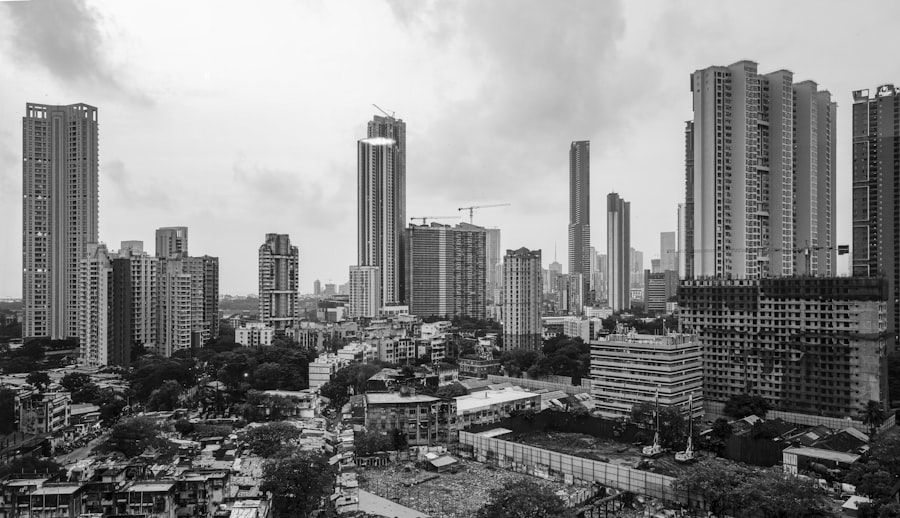
While rudimentary forms of poverty assessment existed, the early 1970s saw a growing recognition of the need for more systematic measurement and a greater global awareness of the scale and nature of poverty. This growing consciousness was a crucial precursor to the more formalized anti-poverty initiatives of later decades.
Early Efforts at Poverty Measurement
While the World Bank and other international organizations were active in development finance, the sophisticated poverty measurement tools and methodologies we employ today were still in their nascent stages. Concepts like Gross National Product (GNP) per capita were widely used as a proxy for development, but they offered a limited view of income distribution and the lived realities of impoverished populations.
The Limitations of Aggregate Data
Reliance on aggregate data, such as GNP per capita, could mask significant inequalities within countries. A country might show respectable overall economic growth, yet if that growth disproportionately benefited a small elite, the majority of the population could remain trapped in poverty. The focus on national averages often obscured the persistent regional disparities and the concentration of poverty in rural or marginalized urban areas.
Humanitarian Impulses and Media Exposure
The growth of international humanitarian organizations, coupled with increasing media coverage of global disparities, began to shine a brighter spotlight on the plight of the poor. Images and reports from famine-stricken regions or areas experiencing widespread disease could evoke empathy and spur humanitarian aid efforts. This growing awareness, while sometimes focused on immediate relief rather than structural solutions, laid foundational groundwork for greater global engagement with poverty.
The Role of NGOs and International Organizations
Non-governmental organizations (NGOs) played an increasingly vital role in highlighting poverty and advocating for the rights of marginalized communities. They often worked directly with impoverished populations, providing a crucial ground-level perspective that informed policy debates. International organizations, such as the United Nations and its specialized agencies, also began to dedicate more resources and attention to poverty-related issues, although their capacity to effect systemic change was still developing.
Technological Advancements and their Uneven Reach
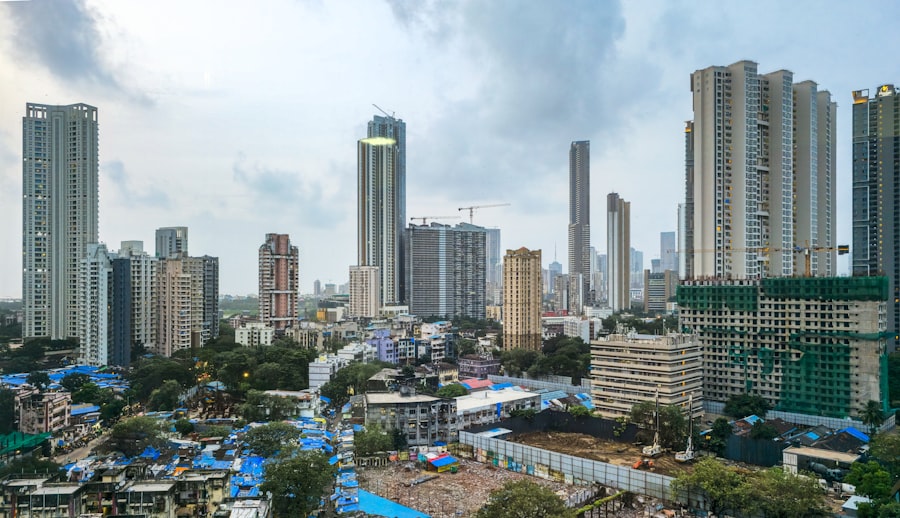
Technological progress in the early 1970s held the promise of transforming lives, yet its benefits were unevenly distributed, often exacerbating existing inequalities.
The Green Revolution and its Mixed Impact
The Green Revolution, a period of agricultural innovation that began in the mid-20th century, was still having a profound impact in 1971. The development of high-yield crop varieties, along with improved irrigation and fertilizers, had the potential to significantly increase food production and alleviate hunger.
Benefits for Some, Challenges for Others
While the Green Revolution undoubtedly contributed to increased food security in many regions, its benefits were not universally shared. Smallholder farmers often lacked the resources to adopt the new technologies, such as access to credit, irrigation, and expensive inputs. This could lead to a widening gap between large, commercial farms and smaller family farms, potentially displacing rural populations and contributing to urban migration and poverty. Moreover, the reliance on monoculture and intensive farming practices raised concerns about environmental sustainability and long-term soil health.
Emerging Technologies and the Digital Divide
The early stages of computing and telecommunications were beginning to emerge, but in 1971, these technologies were largely the preserve of developed nations. The nascent digital divide was already forming, with the potential for such advancements to further stratify the global landscape between those who had access to information and communication technologies and those who did not.
Information Asymmetry
This growing asymmetry in access to information created a significant disadvantage for developing countries. They had less access to global knowledge networks, market intelligence, and advanced research, which are crucial for economic competitiveness and informed policy-making. The inability to participate in the burgeoning information economy meant that the potential benefits of these emerging technologies were largely out of reach for those grappling with the most pressing issues of poverty.
The year 1971 marked a significant turning point in global economic policies, which had profound implications for poverty levels around the world. As countries began to shift towards more liberalized trade practices and economic reforms, the effects on poverty were both positive and negative. For a deeper understanding of how these changes have shaped the current landscape of global poverty, you can explore a related article that discusses these dynamics in detail. This insightful piece can be found here.
The Long Shadow of Policy Choices
| Year | Global Poverty Rate (%) | Number of People in Extreme Poverty (millions) | Key Event Related to 1971 | Impact on Global Poverty |
|---|---|---|---|---|
| 1971 | 42 | 1,800 | End of Bretton Woods system (Nixon Shock) | Shifted global economic policies, affecting aid and trade dynamics |
| 1980 | 35 | 1,500 | Rise of Structural Adjustment Programs | Mixed effects on poverty reduction, with some countries facing setbacks |
| 1990 | 29 | 1,200 | Increased focus on global development goals | Acceleration in poverty reduction efforts worldwide |
| 2000 | 20 | 800 | Millennium Development Goals launched | Significant global commitment to reducing poverty |
| 2010 | 15 | 700 | Global financial crisis aftermath | Slowed poverty reduction in some regions |
| 2020 | 9 | 700 | COVID-19 pandemic | Temporary increase in poverty levels globally |
Ultimately, the impact of 1971 on global poverty is inextricably linked to the policy choices made by national governments and international bodies, many of which were shaped by the economic and geopolitical realities of the time.
The Ideological Divide in Development Strategies
The prevailing ideological divide between capitalist and socialist economic systems had a direct impact on the development strategies adopted by different nations. Countries aligned with the Soviet Union often pursued centrally planned economies and state-led development, while those allied with the United States typically embraced market-based approaches.
State Intervention vs. Free Markets
In the context of poverty reduction, this translated into differing approaches to social welfare programs, land reform, and the role of the state in the economy. Some argued that robust social safety nets and state intervention were essential to protect the vulnerable, while others contended that free markets and private enterprise were the most effective engines of wealth creation and poverty alleviation. The evidence of the effectiveness of these divergent paths would continue to be debated and evaluated for decades.
The Genesis of International Development Institutions
The institutions that would become central to global poverty reduction efforts, such as the World Bank and the International Monetary Fund (IMF), were already established by 1971. However, their mandates and approaches were evolving. The challenges faced by developing nations in that era began to shape the future direction of these organizations, influencing their lending priorities, policy advice, and research agendas.
Evolving Mandates and Criticisms
The early focus of institutions like the World Bank was largely on infrastructure and project finance. However, the growing awareness of the multidimensional nature of poverty began to influence their thinking. While these institutions offered critical financial and technical support, they also faced criticisms regarding their conditional lending practices and their potential to impose Western economic models that were not always suited to local contexts. The debates surrounding these criticisms, which intensified in later decades, had their roots in the policy environments and developmental challenges of the early 1970s.
In conclusion, 1971 was not a singular detonator of global poverty reduction efforts, but rather a year where the undercurrents of significant global shifts began to reshape the landscape of understanding and tackling poverty. The crumbling of the Bretton Woods system, the ongoing debates on development models, the complex realities of newly independent states, the nascent stages of global data measurement, and the uneven reach of technological advancements all contributed to a more complex and nuanced understanding of the challenges ahead. The policy choices made in this era, influenced by ideological divides and the evolving roles of international institutions, laid the groundwork for the anti-poverty strategies and debates that would dominate the late 20th and early 21st centuries, with their impact continuing to be felt.
FAQs
What significant global events in 1971 influenced poverty levels worldwide?
In 1971, several key events impacted global poverty, including the collapse of the Bretton Woods system, which led to currency fluctuations affecting international trade and aid. Additionally, the Green Revolution continued to improve agricultural productivity in developing countries, helping to reduce rural poverty.
How did the economic policies of 1971 affect developing countries?
Economic policies in 1971, such as shifts toward more market-oriented reforms and changes in international financial systems, influenced developing countries by altering trade dynamics and access to capital. These changes sometimes led to economic growth but also created challenges for poverty reduction due to increased volatility.
What role did international organizations play in addressing poverty in 1971?
In 1971, international organizations like the World Bank and the United Nations expanded their focus on poverty alleviation by funding development projects and promoting policies aimed at improving health, education, and infrastructure in low-income countries.
Did the events of 1971 have a lasting impact on global poverty trends?
Yes, the events of 1971 contributed to shaping global economic structures and development strategies that influenced poverty trends for decades. The shift away from fixed exchange rates and the emphasis on agricultural innovation helped set the stage for future poverty reduction efforts.
How did the Green Revolution in 1971 contribute to reducing poverty?
The Green Revolution in 1971 introduced high-yield crop varieties, improved irrigation, and modern farming techniques, which significantly increased food production in many developing countries. This agricultural boost helped reduce hunger and poverty by improving food security and rural incomes.