
You’ve likely experienced it. That nagging feeling that your trusty car, though still cruising, is on its last legs, not due to a catastrophic failure, but a slow, insidious decline. This is the lingering shadow of planned obsolescence, a design philosophy that, for better or worse, has permeated the automotive industry, impacting what you drive, how often you replace it, and the very planet we inhabit.
Planned obsolescence is not a myth whispered in hushed tones among mechanics; it’s a strategic approach to product lifecycle management. In the context of automobiles, it refers to the deliberate inclusion of features or design choices that predetermine a vehicle’s eventual “expiration date,” pushing consumers towards purchasing newer models. This isn’t about building intentionally faulty engines that explode on the highway, but rather about subtle engineering and marketing maneuvers that nudge you toward the dealership. Think of it as a carefully orchestrated symphony, where each note is played at a precise tempo to ensure the performance doesn’t go on forever.
Defining the Strategy: More Than Just Wear and Tear
The concept of obsolescence itself refers to the state of becoming obsolete, of being outdated or no longer useful. Planned obsolescence takes this a step further, actively engineering these limitations into products.
Functional Obsolescence: When Parts Give Out
This is perhaps the most straightforward form. Certain components within your car are designed with a finite lifespan. While wear and tear are natural, planned obsolescence involves selecting materials or employing manufacturing processes that accelerate this wear beyond what might be considered purely functional.
The “Sacrificial” Component: The Case of the Integrated Unit
Modern cars are increasingly reliant on integrated electronic modules, often a complex web of circuit boards and sensors housed in a single unit. When one small part of this unit fails – say, a single transistor – the entire module often needs to be replaced, even if the rest of its functions are perfectly intact. This is akin to needing to buy a whole new stereo system because a single button is stuck.
Material Science and the Ticking Clock
The choice of materials plays a crucial role. Companies might opt for plastics that become brittle over time, rubber seals that degrade faster, or metals that are more susceptible to corrosion, all without overtly compromising immediate performance. This is like building a house with lumber that is predictably prone to rot within a certain timeframe.
Perceived Obsolescence: The Siren Song of Newness
Beyond the physical limitations, planned obsolescence also thrives on psychological manipulation, creating a desire for the new purely for the sake of it. This taps into your aspirations and your perception of status.
The Fashion Cycle of the Automobile: Style Over Substance?
Car designs evolve rapidly. What was cutting-edge last year can feel dated today. This is fueled by marketing campaigns that constantly present new aesthetic trends, making your current vehicle appear unfashionable, even if it’s mechanically sound. It’s a visual treadmill, always pushing you to chase the next aesthetic.
The Feature Creep: More Bells, More Whistles (and More Reasons to Upgrade)
New models are invariably loaded with new technology and features. While these can be genuinely beneficial, they also serve to highlight the perceived deficiencies of older models. This creates a feeling that you are missing out, that your current car is somehow incomplete without the latest infotainment system or advanced driver-assistance features.
Planned obsolescence is a significant concern in the automotive industry, as manufacturers often design vehicles with a limited lifespan to encourage consumers to purchase new models more frequently. A related article that delves deeper into this topic can be found at Hey Did You Know This, where it explores how this practice impacts both consumer behavior and environmental sustainability. Understanding the implications of planned obsolescence can help consumers make more informed decisions when purchasing vehicles.
The Economic Engine: How Planned Obsolescence Fuels the Industry
Planned obsolescence is not an altruistic endeavor; it’s a core strategy for maintaining profitability and continuous growth within the automotive sector. It’s the invisible oil that keeps the gears of the industry grinding.
The Cycle of Consumption: Keeping Production Lines Moving
The fundamental principle is that if a product lasts too long, or if consumers are satisfied with their existing one, production and sales will stagnate. Planned obsolescence ensures a steady stream of demand.
Market Saturation and the Need for Replacement
As more and more cars are sold, the market becomes saturated. To maintain sales figures, manufacturers need to encourage existing owners to upgrade. Planned obsolescence provides a structured way to achieve this.
The “Sweet Spot” of Replacement: Not Too Soon, Not Too Late
Manufacturers aim for a “sweet spot” for vehicle replacement. If cars lasted indefinitely, the entire economic model would collapse. Conversely, if they failed too soon, consumer trust would erode, and regulatory bodies might intervene. Planned obsolescence seeks to find that delicate balance.
Profitability and the Bottom Line: A Calculated Cost
The true cost of a car isn’t just its sticker price; it’s the total cost of ownership over its lifespan, including maintenance and eventual replacement. Planned obsolescence is factored into this equation to ensure sustained profit margins.
The Hidden Costs of Ownership: Beyond the Purchase Price
When you factor in recurring repairs, the declining resale value due to perceived obsolescence, and the eventual cost of a new purchase, the financial impact on you can be significant. Planned obsolescence, in this sense, is an ongoing investment you’re compelled to make.
Environmental Repercussions: The True Price of Progress
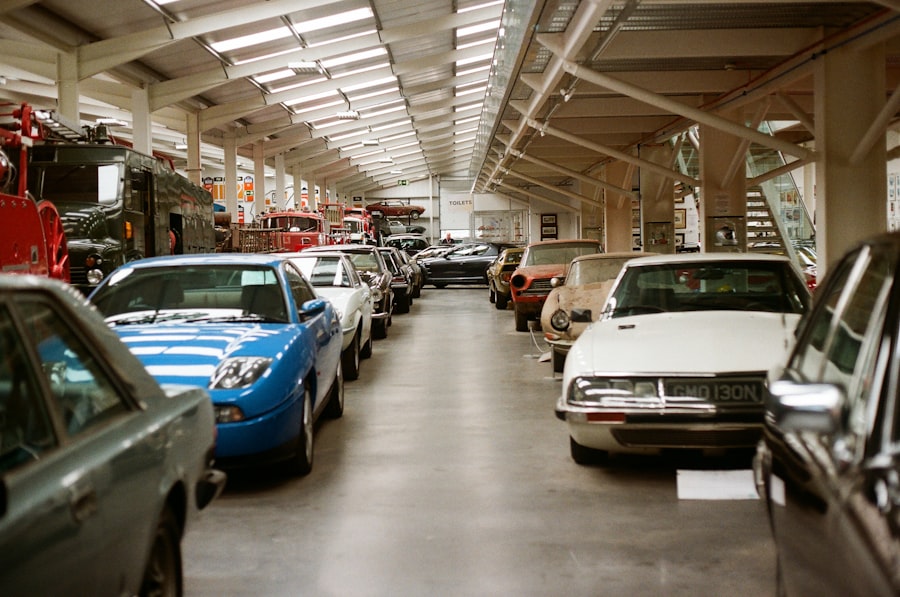
While the economic benefits are clear to the industry, the environmental cost of planned obsolescence is a burden you and the planet are forced to bear. The constant churn of vehicles creates a significant ecological footprint.
Resource Depletion: Mining the Earth for More
The production of a new car is an intensive process, requiring vast amounts of raw materials, energy, and water. Planned obsolescence accelerates this, leading to increased mining, manufacturing, and transportation emissions.
The Carbon Footprint of Manufacturing: From Ore to Assembly Line
Every car manufactured has an embedded carbon footprint. When you multiply this by millions of vehicles produced annually, driven by planned obsolescence, the environmental toll becomes astronomical. This is like leaving a trail of exhaust fumes with every new model released.
The Scarcity of Raw Materials: A Finite Planet
The metals, plastics, and rare earth elements used in car manufacturing are not infinite resources. A system that encourages frequent replacement exacerbates the demand for these finite resources, placing an unsustainable strain on the Earth.
Waste Generation: The Car Graveyard
When a car reaches the end of its engineered lifespan, it typically becomes scrap. Planned obsolescence directly contributes to the massive amount of automotive waste generated globally.
The Landfill Crisis: Mountains of Metal and Plastic
The vast majority of end-of-life vehicles end up in scrapyards or landfills, where their hazardous fluids and materials can leach into the environment. This creates an ever-growing problem of waste management.
The E-Waste Shadow: The Digital Decay of Cars
Modern cars are packed with electronics. As these integrated units fail, they contribute to the growing problem of electronic waste (e-waste), which often contains toxic materials that are difficult to recycle.
The Myth of Recycling: Not All Parts Are Equal
While the automotive industry touts recycling efforts, the reality is that not all components can be efficiently or economically recycled. The complexity of modern vehicle construction, often driven by planned obsolescence, makes comprehensive recycling a significant challenge.
Consumer Impact: The Strained Wallet and the Frustrated Driver
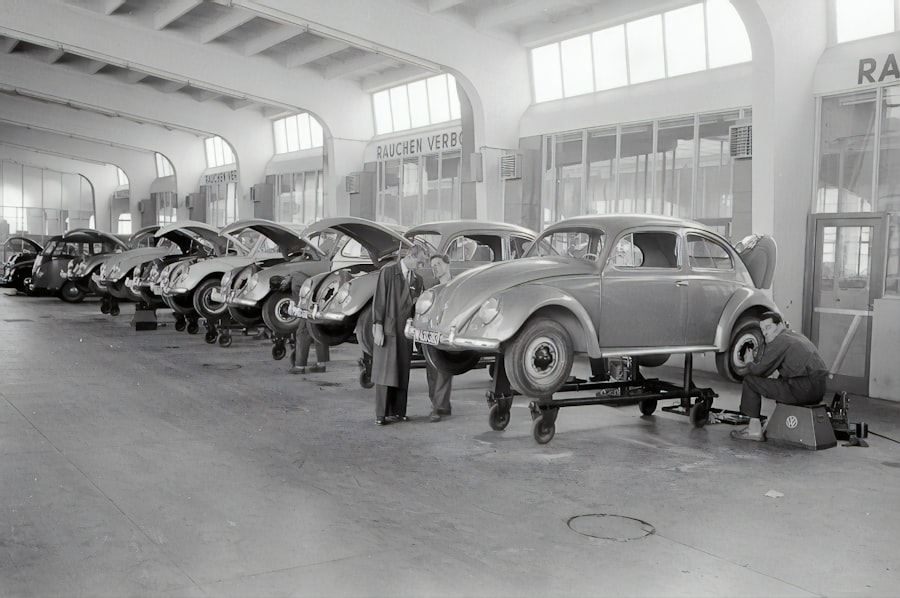
Planned obsolescence directly affects your wallet and your driving experience. You become a captive audience in a system designed to extract more from you.
Financial Strain: The Never-Ending Car Payments
The constant need to replace vehicles places a significant financial burden on consumers. Beyond the initial purchase price, there are ongoing costs associated with maintenance, insurance, and the depreciation of older models.
The Treadmill of Debt: Always Paying for the Next Car
Many consumers finance their vehicle purchases, leading to a perpetual cycle of debt. Planned obsolescence ensures that by the time one loan is paid off, the push to buy a new car is already underway.
The Hidden Costs of Maintenance: A Slow Drain on Your Finances
As components age and begin to fail, repair costs can escalate. If these repairs become so frequent or expensive that they approach the cost of replacing the vehicle, you’re being subtly pushed towards a new purchase.
The Erosion of Trust: When Reliability Becomes a Luxury
Planned obsolescence can lead to a decline in consumer trust in the longevity and reliability of vehicles. When cars are designed to fail, the expectation of dependable, long-term transportation is undermined.
The “Disposable” Mindset: Shorter Lifespans, Shorter Expectations
The design for obsolescence can foster a “disposable” mindset among consumers, where cars are viewed as items with a shorter lifespan, rather than durable goods intended for long-term use.
The Frustration of Unnecessary Repairs: A Sign of Engineered Failure
Experiencing recurring issues with expensive, seemingly unfixable components can be incredibly frustrating. This frustration is often a direct consequence of design choices intended to limit a car’s lifespan.
Planned obsolescence is a significant concern in the automotive industry, where manufacturers often design vehicles with a limited lifespan to encourage consumers to purchase newer models more frequently. This practice not only impacts consumer spending but also raises questions about sustainability and environmental responsibility. For a deeper understanding of how this phenomenon affects both the industry and consumers, you can read a related article that explores these issues in detail. Check it out here.
Countermeasures and the Future of Automotive Design: A Path Towards Sustainability
| Metric | Value | Description |
|---|---|---|
| Average Vehicle Lifespan | 12 years | Typical duration a car remains in use before being scrapped or replaced |
| Average Mileage Before Major Repairs | 100,000 miles | Distance after which significant repairs are commonly needed |
| Model Year Update Cycle | 1 year | Frequency of new model releases encouraging consumers to upgrade |
| Planned Obsolescence Impact on Resale Value | 20-30% drop per year | Annual depreciation rate influenced by design and technology changes |
| Percentage of Non-Replaceable Parts | 15% | Parts designed to be difficult or impossible to replace, encouraging new purchases |
| Average Warranty Period | 3-5 years | Duration manufacturers cover repairs, often shorter than vehicle lifespan |
| Consumer Upgrade Rate | Every 6-8 years | Average time consumers keep a vehicle before purchasing a new one |
Fortunately, awareness of planned obsolescence is growing, and there are movements and innovations pushing for a more sustainable and consumer-friendly approach to car manufacturing. You are not powerless in this equation.
The Right to Repair Movement: Empowering the Consumer
The “Right to Repair” movement advocates for laws that would require manufacturers to make repair information, diagnostic tools, and spare parts readily available to independent mechanics and consumers. This directly challenges the monopolistic control over repairs that often accompanies planned obsolescence.
Access to Information: Unlocking the Secrets of Your Car
Having access to repair manuals, diagnostic software, and readily available spare parts allows you to make informed decisions about repairs, potentially extending the life of your vehicle and saving money.
The Advocate for Longevity: Independent Mechanics as Allies
Independent mechanics, who are not tied to manufacturer dictates, often play a crucial role in extending the lifespan of vehicles by offering more affordable and comprehensive repair solutions.
Circular Economy Principles: Designing for Durability and Reusability
A shift towards circular economy principles in automotive design focuses on creating vehicles that are durable, repairable, and ultimately, reusable or recyclable.
Modular Design: Building for the Future, Not the Dump
Modular design involves constructing vehicles with interchangeable components. This allows for easier repairs, upgrades, and eventual disassembly for material recovery. Imagine a car where you can swap out an old engine for a newer, more efficient one, rather than buying a whole new vehicle.
Designing for Disassembly: A Thoughtful End-of-Life Plan
Designing vehicles with their eventual disassembly in mind makes it easier to recover valuable materials and reduces the amount of waste that ends up in landfills.
Consumer Power and Advocacy: Your Voice Matters
As consumers, your choices and your voices have power. By supporting companies that prioritize durability and sustainability, and by advocating for change, you can influence the future of automotive design.
Informed Purchasing Decisions: Voting with Your Wallet
Researching a vehicle’s expected lifespan, repairability, and the manufacturer’s commitment to sustainability can guide your purchasing decisions towards more responsible options.
The Collective Voice: Advocating for Policy Change
Joining consumer advocacy groups and supporting legislation that promotes product longevity and transparency can create systemic change within the automotive industry. You are not just a buyer; you are a stakeholder in what drives our world.
FAQs
What is planned obsolescence in the automotive industry?
Planned obsolescence in the automotive industry refers to the practice where manufacturers design vehicles or their components with a limited useful life, encouraging consumers to replace or upgrade their cars more frequently.
Why do car manufacturers use planned obsolescence?
Car manufacturers may use planned obsolescence to boost sales by ensuring that vehicles become outdated or less reliable after a certain period, prompting customers to purchase newer models.
What are common examples of planned obsolescence in cars?
Common examples include designing parts that wear out quickly, limiting software updates for older models, or introducing new features that make older cars seem less desirable.
How does planned obsolescence affect consumers?
Planned obsolescence can lead to higher long-term costs for consumers due to more frequent repairs, maintenance, or the need to buy new vehicles sooner than expected.
Are there regulations against planned obsolescence in the automotive industry?
Some countries have laws and regulations aimed at preventing planned obsolescence, promoting durability and repairability, but enforcement and specifics vary widely across regions.