
You are standing at a crossroads, a digital battlefield where your hard-earned money can be easily consumed by devices that flicker and fade like a dying ember. You are seeking out longevity, a steadfast companion in the often-brutal world of consumer electronics. This guide is your compass and your map, designed to equip you with the knowledge to navigate the landscape and make choices that will serve you not just for a season, but for years to come. Forget the fleeting trends and the siren songs of the newest, shiniest gadget; you are on a quest for true durability.
The lifespan of electronic devices is not an arbitrary decree; it is a construction built upon several fundamental principles. To truly understand what makes an electronic item robust, you must first dissect these core components. Think of these as the foundational stones of your investment.
Material Science and Construction Quality
The very substance from which an electronic device is forged plays a critical role in its resilience. You wouldn’t build a house with flimsy plaster, and similarly, you shouldn’t expect a device made from cheap, brittle plastics to withstand the rigors of daily life.
The Importance of Casing Materials
The outer shell of your electronic device is your first line of defense. For portable electronics, particularly laptops, tablets, and smartphones, the choice of casing material is paramount.
Aluminum and Magnesium Alloys
These metals offer a superior strength-to-weight ratio. Devices encased in these alloys tend to be more resistant to bending, denting, and even minor impacts. This is especially crucial for devices that are frequently on the go, exposed to the bumps and jostles of transit. Look for anodized finishes on aluminum, as this process further hardens the surface and protects against scratches.
Polycarbonates and High-Grade Plastics
While often associated with lower-cost devices, not all plastics are created equal. High-impact polycarbonates, often found in premium smartphones and ruggedized laptops, can offer excellent shock absorption. These polymers are designed to flex and deform upon impact, dissipating energy rather than transferring it directly to internal components.
Carbon Fiber Composites
This advanced material, while often found in high-performance applications, is making its way into consumer electronics. Known for its exceptional strength and stiffness, carbon fiber is incredibly lightweight and resistant to corrosion. However, devices with carbon fiber construction typically come with a premium price tag.
Internal Structure and Reinforcement
Beyond the external shell, the internal architecture of a device contributes significantly to its durability.
Chassis and Frame Design
Many higher-quality laptops, for instance, feature a rigid internal chassis, often made of metal, that provides structural support to the motherboard and other delicate components. This frame acts as a protective skeleton, preventing torquing and flex that could otherwise lead to component failure.
Screw vs. Adhesive Construction
Devices that are primarily held together with screws tend to be more serviceable and less prone to delamination over time compared to those that rely heavily on adhesives. While adhesives can create a sleek, seamless look, they can degrade with temperature fluctuations and age, potentially leading to casings coming apart.
Component Selection and Reliability
The individual parts that make up an electronic device are its organs. The quality and reliability of these components directly influence the overall lifespan and stability of the system. Think of it as seeking out seasoned surgeons for a critical operation, not mere apprentices.
Understanding Consumer vs. Industrial Grade Components
There is a clear distinction between components designed for mass consumer markets and those built for more demanding industrial environments.
NAND Flash Memory (SSDs)
For solid-state drives (SSDs) in laptops and external storage, the type of NAND flash used is crucial.
- SLC (Single-Level Cell): Offers the highest endurance and fastest performance but is prohibitively expensive for most consumer devices. It’s the bedrock of reliability.
- MLC (Multi-Level Cell): A good balance of performance, endurance, and cost. Often found in higher-end consumer SSDs.
- TLC (Triple-Level Cell): The most common type in consumer SSDs, offering a good price point but lower endurance than MLC.
- QLC (Quad-Level Cell): The most cost-effective but the least durable. Best suited for read-heavy workloads or devices where data is frequently rewritten.
When choosing an SSD, look for specifications regarding TBW (Terabytes Written), which indicates how much data can be written to the drive before it is expected to degrade. A higher TBW rating signifies greater durability.
Capacitors
Capacitors are vital for stable power delivery.
- Solid Polymer Capacitors (Solid-State Capacitors): These are significantly more durable and reliable than traditional electrolytic capacitors. They are less susceptible to leakage and failure due to heat and age. Many higher-quality motherboards and power supplies opt for solid-state capacitors.
Fans and Cooling Systems
Overheating is a silent killer of electronics.
- Ball Bearing Fans vs. Sleeve Bearing Fans: Ball bearing fans generally have a longer lifespan and can operate in more orientations than sleeve bearing fans, making them a more durable choice for cooling components.
The Trade-offs in Component Choices
Manufacturers often make calculated decisions about component selection to meet specific price points and performance targets.
Cost vs. Endurance
There is an inherent trade-off between the cost of a component and its expected lifespan. More durable, high-endurance components are almost invariably more expensive. Your purchasing decision will involve balancing your budget against your desired longevity.
Performance vs. Longevity
Sometimes, the highest-performing components may not be the most enduring. For example, very high-clocked CPUs can generate more heat, placing greater stress on cooling systems and potentially reducing the lifespan of other components.
When considering the purchase of long-lasting electronics, it’s essential to be informed about the best practices and features to look for in durable devices. For a comprehensive overview, check out this related article on buying guides that can help you make informed decisions: Buying Guide for Long Lasting Electronics. This resource provides valuable insights into the factors that contribute to the longevity of electronic products, ensuring that you invest wisely in technology that stands the test of time.
The Significance of Ingress Protection (IP) Ratings
For devices exposed to the elements – be it moisture, dust, or accidental submersion – the Ingress Protection (IP) rating is your shield and your armor. It provides a standardized, objective measure of your device’s defense against intrusion.
Decoding IP Ratings
An IP rating consists of two digits. The first digit indicates protection against solid objects (dust), and the second digit indicates protection against liquids (water).
First Digit: Solids Protection
- 0: No protection.
- 1: Protected against solid objects larger than 50mm. (e.g., accidental body contact)
- 2: Protected against solid objects larger than 12.5mm. (e.g., fingers)
- 3: Protected against solid objects larger than 2.5mm. (e.g., tools, thick wires)
- 4: Protected against solid objects larger than 1mm. (e.g., wires, small screws)
- 5: Dust protected. Ingress of dust is not entirely prevented but shall not enter in sufficient quantity to interfere with the satisfactory operation of the apparatus.
- 6: Dust tight. No ingress of dust; complete protection against contact. This is the highest level for dust protection.
Second Digit: Liquids Protection
- 0: No protection.
- 1: Protected against vertically falling water drops. (e.g., condensation)
- 2: Protected against vertically falling water drops when the enclosure is tilted up to 15°.
- 3: Protected against water spray from any direction. (e.g., rain)
- 4: Protected against water splashes from any direction. (e.g., accidental spills)
- 5: Protected against water jets from any direction. (e.g., being hosed down)
- 6: Protected against powerful water jets.
- 7: Protected against the effects of temporary immersion in water. (Up to 1 meter for 30 minutes).
- 8: Protected against continuous immersion in water under conditions which shall be specified by the manufacturer. This usually implies deeper submersion or longer durations than IPX7.
Practical Applications of IP Ratings
Understanding these ratings allows you to make informed choices based on your lifestyle and intended use.
Rugged Smartphones and Tablets
If your work or hobbies take you into dusty environments or expose you to the elements, devices with an IP67 or IP68 rating are your robust companions. They are built to shrug off dust ingress and survive accidental drops into water.
Wearable Technology
Smartwatches and fitness trackers often carry IP ratings. An IP67 rating, for example, means you can wear it while washing your hands or in a light rain without concern. If regular swimming is part of your routine, look for higher ratings or devices specifically marketed as swim-proof.
Outdoor Electronics
Speakers, cameras, and other devices designed for outdoor use should, at a minimum, possess an IPX4 rating to withstand typical weather conditions. For more demanding scenarios, such as poolside use or camping in potentially wet terrains, higher ratings are essential.
The Role of Software Updates and Ecosystem Support
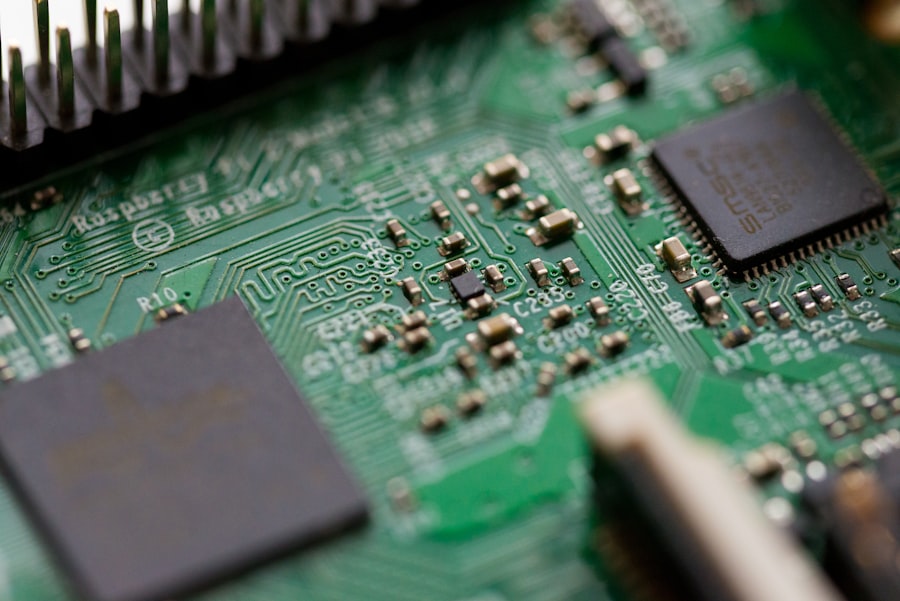
The physical integrity of a device is only one part of its enduring utility. The software that breathes life into the hardware and the ecosystem that surrounds it are equally critical for long-term value. Consider this the ongoing maintenance and community support that keeps your machine running smoothly.
Operating System Longevity
The operating system is the brain of your electronic device. Its ability to receive updates, security patches, and new features directly impacts its usability and relevance over time.
Manufacturer’s Commitment to Updates
When purchasing a device, research the manufacturer’s track record for software support.
- Frequency of Updates: How often does the manufacturer release major OS upgrades and security patches?
- Duration of Support: For how many years has the manufacturer historically provided software updates for their devices? For example, some smartphone manufacturers now commit to 4-7 years of OS and security updates.
- Types of Updates: Are the updates solely for security, or do they also introduce new features and improve performance?
Open-Source vs. Proprietary Systems
While proprietary systems often offer a more polished user experience, open-source platforms can sometimes benefit from a broader developer community, potentially leading to longer-term support and custom ROM development, even after official manufacturer support ceases.
Ecosystem Integration and Compatibility
The value of an electronic device is often amplified by its ability to seamlessly interact with other devices and services you use.
Backward and Forward Compatibility
Look for devices that maintain a degree of backward compatibility with older accessories and software, as well as foresight into future standards. This prevents your new purchase from becoming obsolete the moment a new standard emerges.
Third-Party Accessory Availability
A thriving ecosystem means a wide range of compatible accessories are available. This can include cases, screen protectors, chargers, and other peripherals that enhance the device’s functionality and protection, indirectly contributing to its perceived durability through better care.
Cloud Services and Data Portability
The ability to easily back up and transfer your data to new devices is a crucial aspect of experiencing longevity and minimizing disruption. Devices with robust cloud integration and support for standard data formats ensure your digital life isn’t tied to a single piece of hardware.
Assessing Durability Through Real-World Usage and Reviews
Specifications and ratings are valuable, but they are not the entire story. The collective wisdom of users who have put these devices through their paces offers invaluable insights into their true resilience. You are not the first to venture into this market; learn from those who have already walked the path.
User Reviews and Forums
The internet is a vast repository of experiences. Dive into user reviews and online forums to glean practical, everyday insights.
Identifying Recurring Issues
Pay close attention to common complaints or praises. A device that is consistently praised for its build quality and reliability is a strong indicator of durability. Conversely, frequent mentions of screen cracks, battery failures, or software glitches should serve as red flags.
Long-Term Reviewers
Seek out reviews from users who have owned the device for an extended period (e.g., 6 months to a year or more). These reviews are more likely to reflect the long-term durability and any potential issues that emerge after initial use.
Niche Communities and Professional Reviews
For specialized equipment (e.g., action cameras, professional audio gear), delve into niche communities dedicated to those products. Professional reviewers who focus on testing durability under extreme conditions can also provide rigorous assessments.
Warranty and Repair Policies
A manufacturer’s confidence in the durability of their product is often reflected in their warranty and repair policies.
Understanding Warranty Coverage
- Duration of Warranty: What is the standard warranty period offered? For durable electronics, you’d ideally want to see at least a year, with some manufacturers offering longer periods for specific components.
- What is Covered: Clarify what the warranty covers. Does it include accidental damage, or only manufacturing defects?
- Ease of Claiming: How straightforward is the process for filing a warranty claim? Read reviews or research the manufacturer’s reputation for customer service in this regard.
Availability of Spare Parts and Repair Services
Even the most durable devices may eventually require repair.
- Manufacturer Repair Centers: Does the manufacturer have accessible repair centers?
- Third-Party Repair Options: Are there reliable third-party repair services available for the device?
- Availability of Spare Parts: This is crucial for both official and unofficial repairs. If spare parts are difficult to obtain, a repair can become prohibitively expensive or impossible.
When considering the purchase of long-lasting electronics, it’s essential to make informed decisions that can save you money in the long run. A helpful resource that provides insights into selecting durable gadgets can be found in this buying guide. By following the tips outlined in the article, you can ensure that your investments in technology will withstand the test of time and meet your needs effectively.
Investing in Longevity: Strategies for Extended Lifespan
| Category | Key Metric | Recommended Value/Feature | Reason |
|---|---|---|---|
| Build Quality | Material | Metal or high-grade plastic | Durability and resistance to wear and tear |
| Battery Life | Battery Capacity (mAh) | Above 4000 mAh for portable devices | Longer usage time between charges |
| Warranty | Warranty Period | At least 2 years | Ensures manufacturer support for defects |
| Repairability | Repairability Score | Above 7/10 | Easier and cheaper to repair, extends lifespan |
| Software Support | Update Duration | 3+ years of software updates | Keeps device secure and functional over time |
| Energy Efficiency | Energy Star Rating | Certified or equivalent | Reduces power consumption and heat stress |
| Component Quality | Processor & Memory Specs | Latest generation with sufficient RAM | Ensures smooth performance and longevity |
| Customer Reviews | Average Rating | 4 stars or higher | Indicates user satisfaction and reliability |
Purchasing a durable electronic device is only the first step. Your ongoing care and proactive measures will significantly influence its actual lifespan. You are the custodian of your technology; treat it with the respect it deserves.
Proper Care and Maintenance
Your electronic devices are not indestructible statues; they require mindful handling.
Environmental Considerations
- Temperature Extremes: Avoid exposing your devices to extreme heat or cold, as these can degrade internal components and battery life.
- Humidity and Moisture: Keep devices in dry environments. While water-resistant devices offer protection, prolonged exposure to high humidity can still be detrimental.
- Dust and Debris: For devices without robust dust protection, keep them in clean environments and use appropriate cleaning tools to prevent ingress into vents and ports.
Physical Protection Measures
- Screen Protectors and Cases: These are your immediate, low-cost defenses against scratches, cracks, and minor impacts. For laptops, consider a padded sleeve for transport.
- Avoid Overcharging and Deep Discharges (Batteries): While modern battery management systems are advanced, avoiding consistently leaving devices plugged in 24/7 or letting the battery drain to absolute zero can contribute to longer battery health. Follow manufacturer recommendations for optimal charging practices.
- Use Quality Chargers and Cables: Cheap, uncertified chargers and cables can provide unstable power, potentially damaging your device’s charging circuitry or battery.
Proactive Updates and Software Hygiene
Keeping your software up-to-date is not just about new features; it’s about security and stability, which contribute to a device’s continued usability.
Regular Software and Firmware Updates
Make it a habit to install operating system updates, driver updates, and firmware updates as soon as they are available. These often include performance optimizations and bug fixes that can improve the device’s stability and extend its operational life.
Virus and Malware Protection
For devices accessing the internet, robust antivirus and anti-malware software is essential. Malicious software can not only compromise your data but also strain system resources, leading to slowdowns and potential hardware stress.
Data Management and Backups
Regularly back up your important data. This ensures that even if your device suffers a catastrophic failure, your digital life remains intact, minimizing the impact of a hardware end-of-life.
By embracing these principles and making informed choices, you are not merely buying an electronic device; you are investing in a reliable tool, a faithful servant, and a testament to the enduring power of thoughtful engineering and responsible ownership. Your journey to durable electronics begins with knowledge, and this guide is your first critical step.
FAQs
What factors should I consider to ensure electronics are long-lasting?
When buying electronics for durability, consider build quality, brand reputation, warranty length, user reviews, and the availability of replacement parts or repair services.
How important is the warranty when purchasing long-lasting electronics?
A longer and comprehensive warranty often indicates the manufacturer’s confidence in the product’s durability and provides protection against defects or malfunctions over time.
Are there specific brands known for producing long-lasting electronics?
Yes, some brands have established reputations for reliability and durability. Researching brand history and customer feedback can help identify manufacturers known for long-lasting products.
How can I maintain electronics to extend their lifespan?
Regular cleaning, avoiding exposure to extreme temperatures, using surge protectors, updating software, and following manufacturer guidelines can help prolong the life of electronic devices.
Does price correlate with the longevity of electronic products?
While higher-priced electronics often use better materials and technology, price alone does not guarantee longevity. It’s important to evaluate product specifications, reviews, and warranties alongside cost.