
The Quest for the Independent Mechanic: Navigating Your Autonomous Automotive Arena
When your trusty steed coughs, sputters, or, worse, falls silent, the immediate instinct might be to steer towards the gleaming dealerships. However, for many, the true sanctuary for automotive ailments lies not in the polished chrome of a franchise, but in the often-understated domain of the local, independent repair shop. These establishments, the unsung heroes of your vehicle’s well-being, offer a distinct set of advantages. This guide is your navigational chart, charting a course to finding a competent, trustworthy independent mechanic who can keep your wheels turning without emptying your wallet.
Independent repair shops operate on different principles than their dealership counterparts. While dealerships are tied to specific brands and often prioritize manufacturer-recommended procedures and parts, independent shops possess a broader scope. They are often the seasoned navigators of the entire automotive ocean, familiar with a diverse range of makes and models. This breadth of experience can translate into a more nuanced understanding of your vehicle’s specific needs, especially if it’s an older model or one less commonly serviced by a dealership.
The Dealer Dependency Dilemma
Dealerships, while having specialized knowledge of the brands they represent, can sometimes become a crutch. Their service departments are intrinsically linked to the manufacturer’s playbook, which can lead to a higher cost of labor and parts. This is not to say dealerships are inherently untrustworthy, but their business model often involves upselling recommended services and utilizing proprietary diagnostic tools and parts that can be more expensive. You are, in essence, paying for the brand name and the guaranteed alignment with the manufacturer’s standards.
The Independent Mechanic’s Expertise Spectrum
Independent mechanics, conversely, are often generalists by necessity. They must be adept at diagnosing and repairing a wider array of issues across different vehicle makes and models. This often necessitates a deeper understanding of fundamental automotive principles rather than just brand-specific protocols. Their diagnostic tools might be less proprietary, but their problem-solving skills are honed by experience with a wider range of scenarios. Think of them as the experienced general practitioners of the automotive world, capable of addressing most common ailments and knowing when to refer to a specialist if a highly complex, rare condition arises.
Cost-Benefit Analysis: Where Value Resides
One of the most compelling reasons to seek out an independent shop is the potential for significant cost savings. Labor rates at independent shops are generally lower than at dealerships. Furthermore, they are often more willing to use high-quality aftermarket parts, which can be substantially less expensive than OEM (Original Equipment Manufacturer) parts, without compromising on reliability. This doesn’t mean they’ll always opt for the cheapest option; a reputable independent mechanic will balance cost with quality, advising you on the best value for your specific repair. The goal here is not to find the cheapest mechanic, but the one who offers the best value for the work performed.
Autonomy and Personalization: Beyond the Assembly Line
Unlike the often-streamlined, assembly-line approach of some larger service centers, independent shops can offer a more personalized experience. You are more likely to speak directly with the mechanic who will be working on your car, fostering a direct line of communication and understanding. This personal touch can be invaluable. You can explain your concerns in detail, and they can provide detailed explanations of the problem and the proposed solution, often without the jargon that can sometimes leave you feeling lost in translation.
If you’re looking to support local businesses while getting your devices repaired, finding a reliable independent repair shop is essential. A helpful resource on this topic can be found in the article titled “How to Find a Local Independent Repair Shop” on the website Hey Did You Know This. This article provides valuable tips and insights on identifying trustworthy repair services in your area. You can read it by following this link: How to Find a Local Independent Repair Shop.
The Art of the Search: Where to Unearth Your Ideal Mechanic
Finding a trustworthy independent repair shop is not a matter of chance; it’s a strategic endeavor. Like prospecting for gold, it requires patience, research, and a willingness to dig beneath the surface. The internet has become a vast repository of information, but it’s only one of many tools in your arsenal.
The Power of the Digital Compass: Online Reviews and Forums
Your initial foray into the search often begins online. Websites like Yelp, Google Reviews, and dedicated automotive repair forums can offer a glimpse into the experiences of other vehicle owners. Look for patterns in reviews. While one negative review can be an anomaly, a consistent stream of complaints about dishonesty, poor workmanship, or excessive pricing should serve as a red flag. Conversely, consistently positive reviews highlighting honesty, fair pricing, and expertise are strong indicators of a reputable shop. Pay attention to how the shop owner or manager responds to reviews, both positive and negative. A constructive and professional response to criticism can be a good sign.
The Wisdom of the Crowds: Word-of-Mouth Referrals
While online reviews are helpful, the most potent recommendations often come from people you know and trust. Ask friends, family members, neighbors, and colleagues where they take their vehicles for service. Personal endorsements are highly valuable because they come from individuals who have a vested interest in your well-being and are less likely to recommend a shop that has negatively impacted them. Consider the types of vehicles your acquaintances drive. If someone with a similar make or model to yours has a mechanic they swear by, it’s a strong lead.
The Local Ledger: Community Recommendations and Organizations
Beyond individual recommendations, consider local community resources. Some towns and cities have local automotive associations or consumer advocacy groups that may offer lists of vetted repair shops. Local chambers of commerce might also have directories of businesses. Engaging with these resources can provide a curated list of established and reputable independent shops within your area. These organizations often have a vested interest in maintaining the integrity of local businesses.
The Vetting Process: Essential Questions and Key Indicators
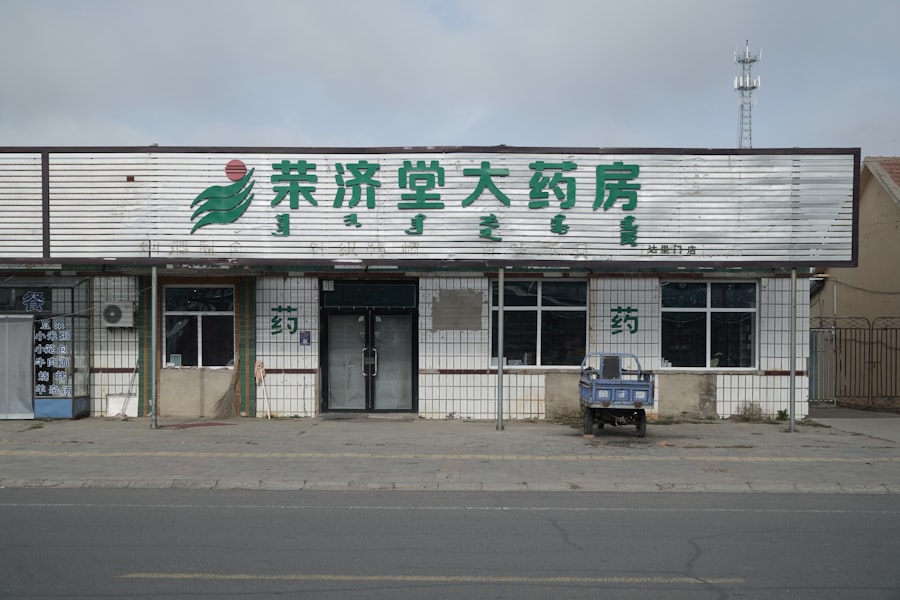
Once you have a shortlist of potential independent repair shops, it’s time to put them through their paces. This vetting process is akin to an interview; you’re assessing their qualifications, their communication style, and your overall comfort level.
The Initial Contact: A Glimpse into Professionalism
The first interaction with a repair shop can reveal a lot. When you call or visit, pay attention to how you are greeted. Are they courteous and attentive? Do they seem knowledgeable when you describe your initial concerns, even if you’re not detailing a specific mechanical issue? A professional demeanor and clear communication from the outset are positive signs. Note whether they ask clarifying questions about your vehicle and the symptoms you’re experiencing. This indicates they are engaged in understanding your problem.
Decoding the Credentials: Certifications and Specializations
While not every independent mechanic will have every certification, look for signs of professional development. Certifications from organizations like ASE (Automotive Service Excellence) are a strong indicator of a mechanic’s competency and commitment to their craft. ASE-certified technicians have passed rigorous exams covering various automotive systems. Additionally, consider if the shop specializes in certain makes or models, especially if your vehicle falls within their area of expertise. While generalists are valuable, a specialist can offer unparalleled knowledge for specific marques.
Transparency and Documentation: The Paper Trail of Trust
A reputable independent repair shop will always provide a written estimate before beginning any work. This estimate should clearly detail the parts needed, the labor involved, and the total cost. Do not agree to any work without a written estimate. Furthermore, inquire about their warranty policy on parts and labor. A shop that stands behind its work will offer a reasonable warranty. The shop should also be willing to provide you with a detailed invoice upon completion of the service, outlining all work performed and parts used. This documentation is crucial for your records and for future reference.
The Diagnostic Deep Dive: Understanding the Problem and the Solution

When your vehicle is in for service, you shouldn’t be left in the dark. A skilled independent mechanic will take the time to explain the diagnosis, the proposed repairs, and the rationale behind them. This ensures you are an informed participant in the decision-making process.
The Mechanics’ Narrative: Explaining the Unseen
A competent mechanic will be able to explain the problem in a way that you can understand, avoiding overly technical jargon. They should be able to demonstrate or illustrate the issue if possible. For example, if a part is worn, they might show you the old part and explain how it functions. If it’s an electronic issue, they might explain how the diagnostic tools identified the fault. The ability to translate complex mechanical issues into accessible terms is a hallmark of effective communication.
The Estimate Equilibrium: Balancing Need and Budget
Before authorizing repairs, you should receive a clear and detailed estimate. This is not just a price tag; it’s a roadmap for the work to be done. The estimate should break down the cost of parts and labor separately and provide a clear total figure. If the mechanic discovers additional issues during the repair, they should contact you before proceeding with any unauthorized work, providing a revised estimate for your approval. This prevents unwelcome surprises and empowers you to make informed decisions about your vehicle’s care.
The Warranty Compass: Understanding Coverage and Duration
A shop’s willingness to offer a warranty on their work is a significant indicator of their confidence in their abilities. Ask about the specifics of their warranty – what it covers, for how long, and under what conditions. A typical warranty might cover parts and labor for a certain number of miles or months. This provides a safety net, ensuring that if a problem recurs due to faulty workmanship or parts, you can return to the shop for a resolution without further expense.
Post-Repair Briefing: Solidifying Understanding
Upon completion of the repair, ask for a brief explanation of what was done. This reinforcement helps solidify your understanding of the work performed and can be useful for future reference or if issues arise. A good mechanic will be happy to walk you through the invoice and answer any lingering questions you may have. This final interaction is crucial for building long-term trust and ensuring your satisfaction.
If you’re looking to support your community while getting your devices repaired, finding a local independent repair shop can be a great option. These shops often provide personalized service and expertise that larger chains may lack. To learn more about how to locate these valuable resources in your area, check out this informative article on the topic. It offers tips and insights that can help you make an informed choice. For more details, you can read the full article here.
Cultivating a Lasting Relationship: The Mechanic as Your Automotive Ally
| Method | Description | Advantages | Considerations |
|---|---|---|---|
| Online Search | Use search engines to find local independent repair shops by entering relevant keywords. | Quick, easy access to multiple options and reviews. | Verify authenticity and check recent reviews for accuracy. |
| Review Websites | Check platforms like Yelp, Google Reviews, or Angie’s List for customer feedback. | Insight into customer satisfaction and service quality. | Beware of fake or biased reviews. |
| Word of Mouth | Ask friends, family, or coworkers for recommendations. | Trusted and personalized suggestions. | Limited to personal network; may not cover all options. |
| Local Business Directories | Consult printed or online local directories listing independent repair shops. | Comprehensive list of local businesses. | May not have updated information or reviews. |
| Social Media Groups | Join local community groups on Facebook or Nextdoor to ask for recommendations. | Real-time feedback and community insights. | Responses may vary in reliability. |
| Check Certifications | Look for shops with certifications like ASE or manufacturer affiliations. | Indicates professional training and quality standards. | Not all good shops have certifications; verify relevance. |
Finding a good independent repair shop is not just about a single transaction; it’s about establishing a relationship. A trusted mechanic can become an invaluable ally in maintaining your vehicle’s health and longevity, saving you time, money, and stress in the long run.
The Loyalty Dividend: Benefits of Long-Term Patronage
When you find a mechanic you trust, stick with them. Consistently using the same shop builds familiarity and rapport. The mechanics will become more acquainted with your vehicle’s history, making future diagnoses and repairs potentially faster and more accurate. They may also be more inclined to go the extra mile for a loyal customer, perhaps by offering a small discount or prioritizing your repair in a busy schedule. This consistent relationship acts as a vital thread in the tapestry of your vehicle’s maintenance.
Preventive Care’s Prescription: Beyond Reactive Repairs
A good independent mechanic won’t just fix what’s broken; they’ll also advise you on preventive maintenance. They can identify potential issues before they become major problems, saving you from more expensive repairs down the line. This proactive approach is like regular check-ups with your doctor; it helps keep your vehicle in optimal condition. They can remind you of upcoming service intervals and recommend necessary fluid changes, inspections, and adjustments that will keep your car running smoothly and efficiently.
The Open Dialogue: Communication as a Two-Way Street
Maintain open and honest communication with your mechanic. If you notice a new noise, a change in performance, or have any concerns, bring them to their attention promptly. Don’t wait for a small issue to escalate into a costly repair. Equally, be honest about your budget and priorities. If you’re facing financial constraints, discuss options for phased repairs or more budget-friendly part choices. This collaborative approach ensures that your vehicle’s maintenance aligns with your needs and capabilities.
The Road Ahead: Navigating Your Automotive Future
By employing a systematic approach to finding and evaluating independent repair shops, you can move beyond the realm of uncertainty and into a space of informed decision-making. You are no longer at the mercy of circumstance, but are empowered to choose a partner who will help you navigate the complexities of automotive maintenance. The independent repair shop is not just a place to fix a broken part; it’s a vital resource for ensuring the continued reliability, safety, and longevity of your vehicle, transforming your journey from a potential automotive minefield into a smoothly paved and well-maintained road.
FAQs
How can I find a local independent repair shop near me?
You can find a local independent repair shop by searching online directories, using map services like Google Maps, asking for recommendations from friends or family, or checking community bulletin boards and local business listings.
What are the benefits of choosing an independent repair shop over a dealership?
Independent repair shops often offer more personalized service, lower labor rates, and may use aftermarket parts to reduce costs. They can also provide quicker turnaround times and support local businesses.
How do I verify the credibility of a local independent repair shop?
Check for certifications such as ASE (Automotive Service Excellence), read customer reviews on platforms like Yelp or Google, ask for references, and confirm that the shop has proper licensing and insurance.
What types of repairs can independent repair shops typically handle?
Most independent repair shops can handle routine maintenance like oil changes, brake repairs, tire services, engine diagnostics, and other mechanical and electrical repairs. However, some specialized repairs may require dealership services.
Should I get a written estimate before authorizing repairs at an independent shop?
Yes, it is advisable to get a detailed written estimate that outlines the cost of parts, labor, and any additional fees before authorizing repairs. This helps avoid unexpected charges and ensures transparency.