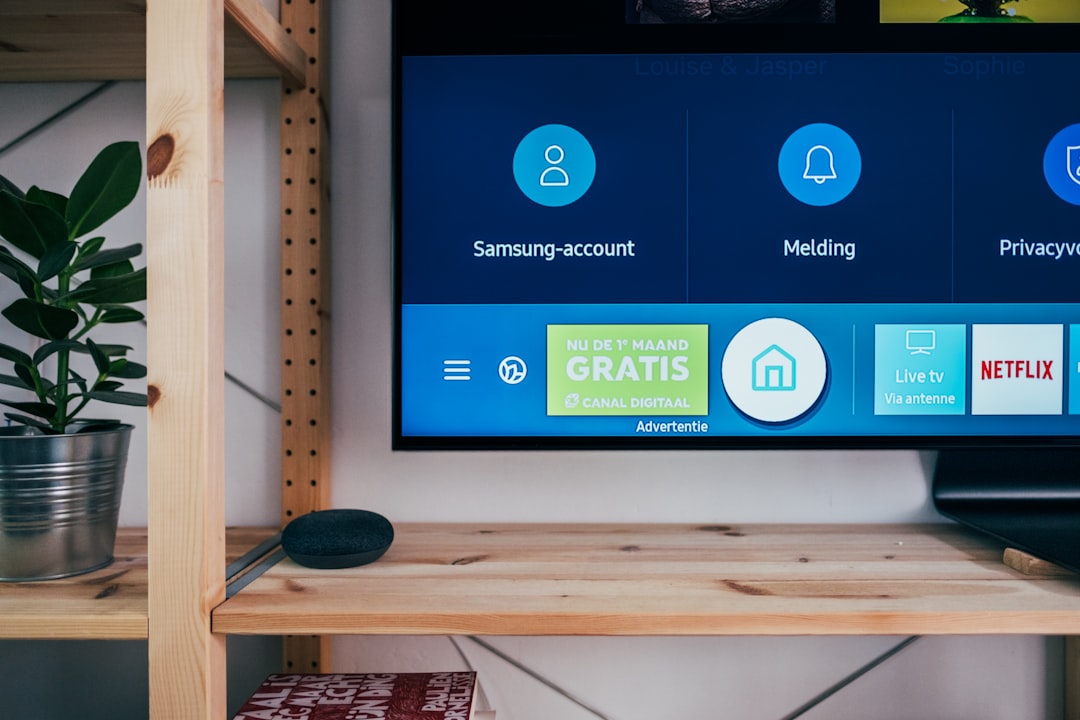
Your home is increasingly a nexus of technology, a humming hive of smart devices designed to streamline, secure, and entertain. From your thermostat that anticipates your arrival to your refrigerator that tracks its contents, these innovations promise convenience. However, a significant, often overlooked, aspect of embracing this smart future is the question of longevity and maintenance. The rapid pace of technological evolution, coupled with the often proprietary and sealed nature of many smart devices, can leave you with a fleet of sophisticated gadgets that are, in essence, disposable electronics. This piece explores the concept of “future-proofing” your home not just by adopting smart technology, but by consciously integrating devices built with repairability and long-term support in mind. It advocates for a shift in perspective, moving away from the throwaway culture that has permeated consumer electronics and towards a more sustainable and economically sensible approach to your smart home ecosystem.
Many smart devices currently available function like intricate clocks: when a single gear breaks, the entire mechanism grinds to a halt. This is often by design. Manufacturers have historically prioritized compact, aesthetically pleasing designs, which frequently involve sealed units, glued components, and proprietary software that can become obsolete without warning.
The Disposable Nature of Modern Electronics
Consider the journey of a typical smart device. It’s purchased, integrated into your home’s network, and for a period, it performs its intended function flawlessly. However, as software updates cease or a key component fails, the device can transform from a helpful assistant into an expensive paperweight. This engineered obsolescence, while potentially driving sales, creates a significant environmental burden and a financial drain on consumers. You might find yourself performing a digital autopsy on a device that, in spirit, is still sound but has been rendered inoperable by a single, non-replaceable part.
The Cost of Unrepairable Technology
The economic implications of unrepairable smart devices are substantial. When a device fails, the default solution is often replacement. This isn’t just a matter of buying a new gadget; it involves the cost of the device itself, the labor to install and configure it, and the environmental cost of manufacturing and disposing of the old one. Over time, these recurring expenses can accumulate, turning your pursuit of convenience into a cycle of costly upgrades. Your smart home, meant to be an investment, can become a perpetual expense.
Environmental Impact: A Growing Concern
The landfill is a stark testament to our consumption patterns. Electronic waste, or e-waste, is one of the fastest-growing waste streams globally. Smart devices, with their complex mix of plastics, metals, and rare earth elements, contribute significantly to this problem. By choosing repairable devices, you actively participate in reducing this environmental footprint, becoming a steward of both your home and the planet.
In today’s rapidly evolving technological landscape, the importance of repairable smart home devices cannot be overstated. A recent article highlights the benefits of choosing devices that can be easily repaired, promoting sustainability and reducing electronic waste. For more insights on this topic, you can read the full article here: Repairable Smart Home Devices. This resource provides valuable information on how to select and maintain smart home technology that aligns with eco-friendly practices.
Defining “Repairable” in the Smart Home Context
The concept of “repairable” needs to be defined when applied to sophisticated electronic devices. It’s not simply about whether a technician can open it, but about the accessibility of parts, the availability of documentation, and the modularity of its design.
Modularity: The Building Blocks of Longevity
Repairable smart devices often employ a modular design. This means that key components are distinct units that can be independently replaced. Think of it like a sophisticated Lego set: if one brick is damaged, you replace that specific brick, not the entire structure. This contrasts with devices where entire circuit boards are fused together, making a single minor failure necessitate the replacement of a much larger, more expensive component.
Accessibility of Parts and Documentation
For a device to be truly repairable, replacement parts must be obtainable. This can range from manufacturers providing official spare parts to a thriving third-party market. Equally important is access to repair manuals, schematics, and troubleshooting guides. Without this information, even a technically proficient individual can struggle to diagnose and fix an issue. The availability of this knowledge acts as a key to unlocking the device’s potential for continued service.
Software Support and Open Standards
Beyond hardware, software plays a crucial role in a device’s lifespan. Devices that rely on proprietary, unsupported software eventually become orphaned. Choosing devices that adhere to open standards or that are backed by a commitment to long-term software updates is essential. This ensures that your devices can continue to communicate with each other and with future technologies, preventing them from becoming isolated islands in your smart home network.
The Benefits of Embracing Repairability
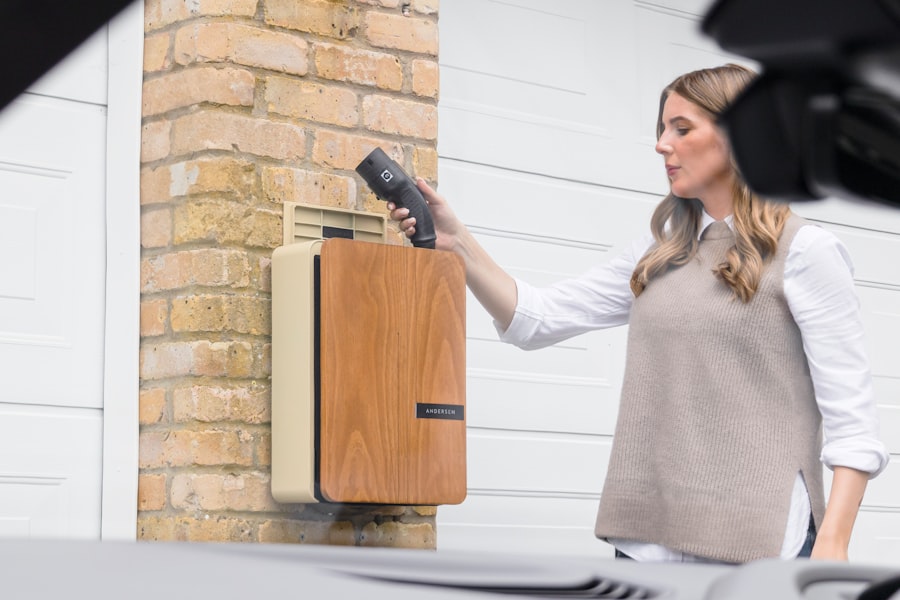
The transition to repairable smart devices offers advantages that extend far beyond environmental consciousness. It translates into tangible financial savings and a greater sense of control over your technological investments.
Financial Prudence: A Long-Term Investment Strategy
By investing in repairable smart devices, you are essentially investing in the longevity of your technology. Instead of viewing purchases as fleeting expenses, you begin to see them as long-term assets. When a component fails, a simple repair can bring the device back to full operational capacity, saving you the full cost of a new purchase. This model shifts the economic landscape of your smart home from a treadmill of constant expenditure to a more sustainable expenditure model.
Reduced E-Waste and a Greener Footprint
As mentioned, the environmental benefits are significant. By extending the life of your devices through repair, you directly reduce the amount of e-waste generated. This contributes to a more sustainable consumption model and lessens the strain on natural resources required to manufacture new electronics. You become an active participant in a circular economy, where products are designed to be used, repaired, and reused.
Enhanced Control and Empowerment
Owning repairable devices gives you a greater sense of agency. You are not entirely at the mercy of a manufacturer’s product cycle or end-of-life policies. You have the knowledge and the means to maintain and extend the life of your technology, fostering a deeper understanding and appreciation for how your smart home functions. This empowerment extends to your ability to customize and adapt your devices over time, rather than being locked into a manufacturer’s predetermined path.
Identifying Repairable Smart Device Brands and Products
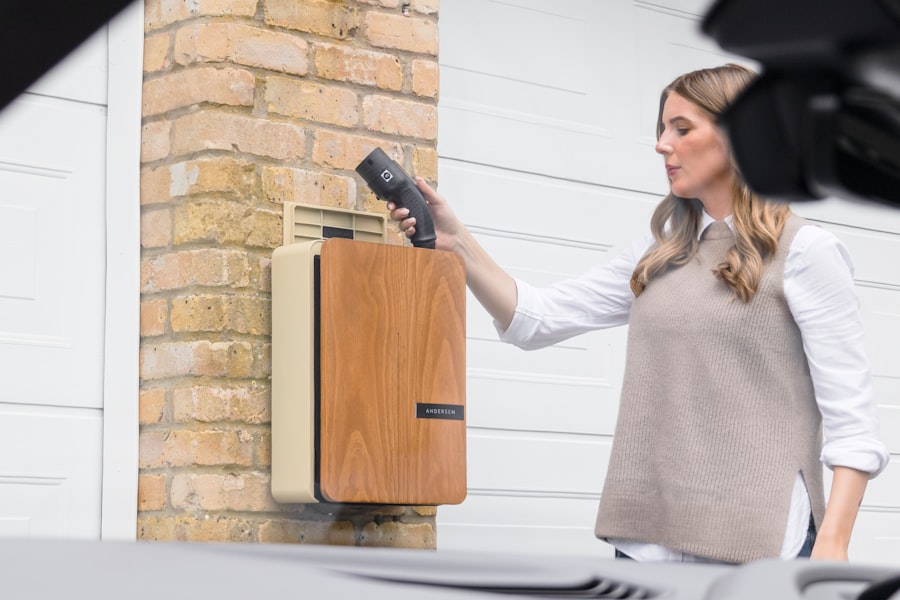
As consumer awareness grows, a number of manufacturers are beginning to prioritize repairability in their product lines. Identifying these brands requires a degree of research, but the pioneers are becoming more visible.
Manufacturers Championing Repairability
Look for companies that explicitly market their commitment to longevity and repair. These may be smaller, niche brands or larger corporations that are responding to consumer demand for more sustainable electronics. Researching their product design philosophy and their spare parts policies is crucial. Some brands might even offer certifications or labels indicating their dedication to repairability.
Certifications and Standards to Watch For
While not yet universally adopted, initiatives such as iFixit’s repairability scores or the European Union’s Ecodesign directive are starting to influence product design. Familiarize yourself with these metrics and standards. A device with a high repairability score from a reputable source is a strong indicator of its potential for longevity.
Examples of Repairable Smart Device Categories
While the market is still evolving, certain categories of smart devices are more amenable to repairability. Smart home hubs, some high-end audio equipment, and even certain types of smart lighting systems are beginning to emerge with repairable designs. Look for devices that are not heavily reliant on non-replaceable batteries or tightly integrated processors.
As the popularity of smart home devices continues to rise, the importance of repairable technology becomes increasingly evident. A recent article discusses how consumers can benefit from choosing devices that are designed for easy repairs, ultimately reducing electronic waste and promoting sustainability. For more insights on this topic, you can read the article on repairable smart home devices here. By opting for repairable options, users not only save money in the long run but also contribute to a healthier planet.
Strategies for Building a Future-Proof Smart Home
| Device Type | Average Repair Time (hours) | Common Repair Issues | Repairability Score (out of 10) | Availability of Spare Parts | Typical Repair Cost |
|---|---|---|---|---|---|
| Smart Thermostat | 1.5 | Screen replacement, sensor failure | 7 | High | 50-100 |
| Smart Light Bulb | 0.5 | LED failure, connectivity issues | 6 | Medium | 15-30 |
| Smart Door Lock | 2 | Battery replacement, motor failure | 8 | High | 70-120 |
| Smart Security Camera | 2.5 | Lens damage, wiring issues | 6 | Medium | 60-130 |
| Smart Speaker | 1 | Speaker replacement, microphone failure | 7 | High | 40-90 |
| Smart Smoke Detector | 1.5 | Battery replacement, sensor malfunction | 7 | High | 30-70 |
Building a future-proof smart home is an ongoing process, not a single purchase. It involves a thoughtful selection of devices, a commitment to maintenance, and an awareness of the evolving technological landscape.
Prioritize Devices with Open Standards and APIs
Devices that communicate using open standards (like Matter, Zigbee, or Z-Wave) and offer robust APIs (Application Programming Interfaces) are more likely to remain compatible with future smart home ecosystems. This interoperability is key to avoiding vendor lock-in and ensuring your devices can communicate with a wider range of products, both current and future.
Invest in Quality Over Ephemeral Trends
Resist the temptation to chase every fleeting technological fad. Instead, focus on devices that solve genuine needs and are built with durable materials and proven engineering. A well-built, repairable device from a reputable manufacturer will likely outlast several iterations of a cheaper, trend-driven alternative. Your smart home shouldn’t be built on shifting sands.
Develop a Maintenance and Upgrade Plan
Regularly review your smart home devices. Check for software updates, perform basic maintenance tasks, and stay informed about potential end-of-life announcements for your key devices. Having a proactive plan for repairs and potential upgrades will prevent unexpected obsolescence from disrupting your home’s functionality. Consider scheduling an annual “smart home wellness check” for your devices.
Consider the DIY and Third-Party Repair Ecosystem
For many electronic devices, a vibrant community of DIY enthusiasts and independent repair shops exists. By choosing devices that are reasonably accessible for repair, you support this ecosystem and increase your own capabilities. Learning basic repair skills or knowing reliable local technicians can be invaluable assets in future-proofing your smart home. Your smart home doesn’t always need a factory-sealed solution; sometimes a skilled hand and a readily available part are all that’s required.
In conclusion, future-proofing your home with smart devices is not solely about adopting the latest technology; it is about making informed choices that prioritize longevity, repairability, and sustainability. By consciously selecting devices that can be maintained and updated, you are not just creating a smarter home, but a more resilient, economically sound, and environmentally responsible one. The future of the smart home lies not in its disposability, but in its enduring utility.
FAQs
What are repairable smart home devices?
Repairable smart home devices are electronic gadgets used in home automation that are designed to be easily fixed or maintained by users or technicians, rather than being replaced entirely when they malfunction.
Why is repairability important for smart home devices?
Repairability is important because it extends the lifespan of devices, reduces electronic waste, saves money for consumers, and supports sustainable consumption by allowing parts to be replaced or repaired instead of discarding the entire device.
Which smart home devices are commonly repairable?
Commonly repairable smart home devices include smart thermostats, smart speakers, security cameras, smart plugs, and lighting systems. Many of these devices have modular components or accessible parts that can be replaced or repaired.
How can I find out if a smart home device is repairable?
You can check the manufacturer’s website for repair guides, look for devices with replaceable parts, consult repairability scores from organizations like iFixit, or read product reviews that mention ease of repair and availability of spare parts.
Are there any tools or skills needed to repair smart home devices?
Basic repair of smart home devices may require tools such as screwdrivers, spudgers, and tweezers. Some repairs might need technical knowledge of electronics or software troubleshooting, but many devices come with user-friendly repair instructions to assist consumers.