
The Cold War, a term that encapsulates the geopolitical tension between the United States and the Soviet Union, emerged in the aftermath of World War
This period, spanning from the late 1940s to the early 1990s, was characterized by a profound ideological divide between capitalism and communism. The two superpowers, each vying for global influence, engaged in a series of confrontations that did not escalate into direct military conflict but instead manifested through various means, including political maneuvering, economic competition, and military posturing. The Cold War was not merely a clash of arms; it was a battle of ideas, with each side attempting to promote its own vision of governance and society.
As the world watched, the Cold War unfolded through a series of crises and confrontations that would shape international relations for decades. The Iron Curtain descended across Europe, dividing the continent into East and West, while nations around the globe found themselves caught in the crossfire of this ideological struggle. The competition for supremacy extended beyond traditional military might, leading to an unprecedented arms race that would see both superpowers amass vast arsenals of nuclear weapons.
This period was marked by a pervasive sense of fear and uncertainty, as the threat of nuclear annihilation loomed large over humanity.
Key Takeaways
- The Cold War was a period of geopolitical tension between the United States and the Soviet Union, characterized by ideological conflict and competition for global influence.
- The Arms Race between the United States and the Soviet Union led to the rapid development and stockpiling of nuclear weapons, creating a constant threat of mutually assured destruction.
- Both the United States and the Soviet Union had extensive nuclear weapons programs, leading to the production of thousands of warheads and the testing of powerful nuclear devices.
- Biological weapons programs were developed by both the United States and the Soviet Union, leading to the production and stockpiling of deadly biological agents for potential use in warfare.
- Chemical weapons programs were also pursued by both the United States and the Soviet Union, resulting in the production and stockpiling of toxic chemical agents for potential use in conflict.
The Arms Race between the United States and the Soviet Union
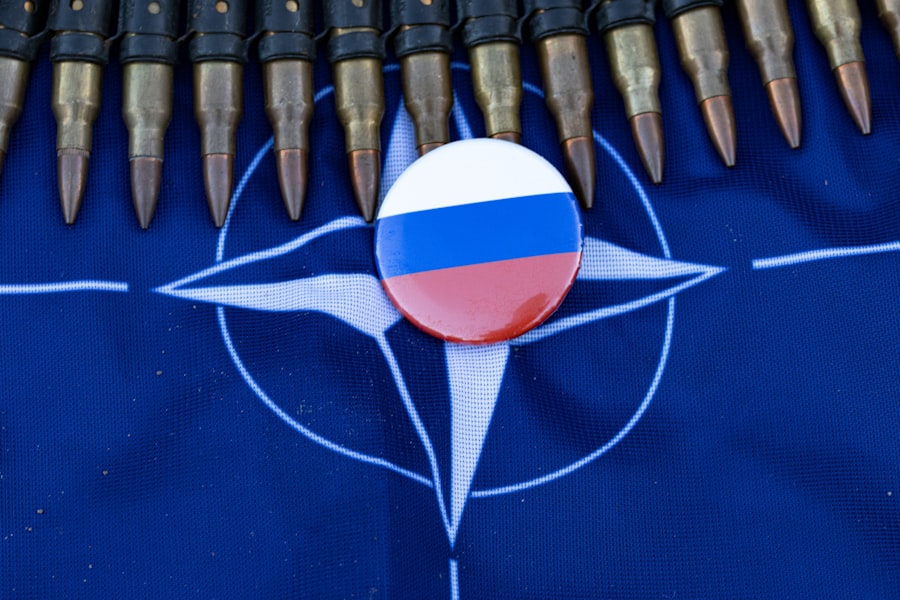
The arms race between the United States and the Soviet Union was one of the defining features of the Cold War. It was a relentless pursuit of military superiority that saw both nations invest heavily in their respective defense capabilities. The competition began in earnest with the development of nuclear weapons, but it quickly expanded to include a wide array of conventional arms and advanced technologies.
Each side sought to outdo the other, leading to a staggering accumulation of weapons that would ultimately threaten global security. The United States initially held a monopoly on nuclear weapons following the bombings of Hiroshima and Nagasaki in 1945. However, this advantage was short-lived as the Soviet Union successfully tested its first atomic bomb in 1949.
This event marked a significant turning point in the Cold War, igniting fears of a potential nuclear conflict. In response, both nations ramped up their military spending and embarked on ambitious programs to develop more sophisticated weaponry. The arms race became a central aspect of their rivalry, with each side striving to achieve technological breakthroughs that would provide a strategic edge.
Nuclear Weapons Programs
| Country | Number of Nuclear Weapons | Year of First Test |
|---|---|---|
| United States | 6,185 | 1945 |
| Russia | 6,375 | 1949 |
| China | 320 | 1964 |
| United Kingdom | 225 | 1952 |
| France | 300 | 1960 |
| India | 150 | 1974 |
| Pakistan | 160 | 1998 |
| North Korea | Unknown | 2006 |
Nuclear weapons programs were at the heart of the Cold War arms race, representing both a deterrent and a potential catalyst for conflict. The United States and the Soviet Union invested enormous resources into developing increasingly powerful nuclear arsenals. The U.S. program, which began during World War II with the Manhattan Project, evolved rapidly in the post-war years. By the 1950s, America had developed thermonuclear weapons, significantly increasing its destructive capability. The Soviet Union, not to be outdone, accelerated its own nuclear program. The successful detonation of its first hydrogen bomb in 1955 marked a critical moment in this competition. Both nations engaged in a series of tests that showcased their advancements in nuclear technology, often with little regard for international safety or environmental concerns. The doctrine of Mutually Assured Destruction (MAD) emerged during this period, positing that neither side would initiate a conflict knowing it could lead to total annihilation. This precarious balance created an atmosphere of tension and fear that permeated global politics.
Biological Weapons Programs
In addition to nuclear capabilities, both superpowers explored biological weapons programs as part of their broader military strategies. These programs aimed to develop pathogens and toxins that could be weaponized for use against enemy forces or civilian populations. The United States initiated its biological weapons program during World War II, focusing on agents such as anthrax and plague.
However, it was not until the Cold War that these efforts intensified significantly. The Soviet Union also pursued an aggressive biological weapons program, which included research into various pathogens and their potential applications in warfare. Reports suggest that the Soviets developed an extensive arsenal of biological agents capable of causing widespread devastation.
The secrecy surrounding these programs raised concerns about their potential use in conflicts and highlighted the ethical dilemmas associated with biological warfare. As both nations continued to advance their capabilities, international efforts to regulate biological weapons became increasingly urgent.
Chemical Weapons Programs
Chemical weapons programs were another facet of the Cold War arms race, with both superpowers investing in research and development to create lethal agents for military use. The legacy of World War I’s chemical warfare loomed large as nations sought to harness these deadly substances for strategic advantage. The United States maintained a stockpile of chemical agents such as nerve gas and mustard gas throughout the Cold War, viewing them as essential components of its military arsenal.
The Soviet Union also developed an extensive chemical weapons program, producing a range of agents designed for use on the battlefield. Both sides engaged in stockpiling these weapons, often in violation of international treaties aimed at curbing their proliferation. The potential for chemical warfare added another layer of complexity to Cold War tensions, as fears grew over the possibility of these weapons being deployed in conflicts around the globe.
Space Weapons Programs
The Cold War extended into outer space as both superpowers recognized the strategic importance of space exploration and military capabilities beyond Earth’s atmosphere. The launch of Sputnik by the Soviet Union in 1957 marked a significant milestone in this competition, igniting fears in the United States about falling behind in technological advancements. This event not only initiated the space race but also prompted both nations to consider how space could be utilized for military purposes.
As satellite technology advanced, both countries began developing systems capable of reconnaissance and surveillance from orbit. The potential for space-based weapons systems became a topic of discussion among military strategists, leading to concerns about an arms race extending beyond Earth. While neither side deployed weapons in space during the Cold War, the groundwork was laid for future developments that would continue to shape military strategies long after the conflict ended.
Cyber Warfare Programs
As technology evolved, so too did the nature of warfare during the Cold War era. While cyber warfare was not fully realized until later decades, both superpowers began exploring ways to leverage emerging technologies for intelligence gathering and disruption. The advent of computers and early networking systems opened new avenues for espionage and information warfare.
Conversely, the Soviet Union focused on countering American technological advantages through its own cyber capabilities. Although cyber warfare remained largely theoretical during this period, it laid the foundation for future conflicts where information manipulation and cyber attacks would become central components of military strategy.
Covert Operations and Espionage
Covert operations and espionage were integral to the Cold War landscape as both superpowers sought to gain intelligence on each other’s activities while undermining their adversaries’ influence globally. The Central Intelligence Agency (CIA) conducted numerous covert operations aimed at destabilizing governments perceived as sympathetic to communism or hostile to U.S. interests. These operations often involved supporting insurgencies or orchestrating regime changes. The KGB, the Soviet Union’s primary security agency, countered with its own extensive network of spies and informants operating within Western nations. Espionage became a high-stakes game where intelligence gathering could shift the balance of power between nations.
Proxy Wars and Support for Insurgencies
The Cold War saw numerous proxy wars erupt across various regions as both superpowers sought to expand their influence without engaging directly in conflict. These wars often pitted U.S.-backed forces against Soviet-supported insurgents or governments, resulting in devastating consequences for local populations. From Vietnam to Afghanistan, these conflicts became battlegrounds for ideological supremacy.
In many cases, both superpowers provided financial support, military training, and equipment to their respective allies or proxies. This strategy allowed them to exert influence while avoiding direct confrontation with one another. However, these proxy wars often led to prolonged violence and instability in affected regions, leaving lasting scars on societies caught in the crossfire.
Nuclear Accidents and Near Misses
Despite efforts to maintain control over their vast arsenals, both superpowers experienced nuclear accidents and near misses that underscored the dangers inherent in their arms race. Incidents such as the 1983 Soviet nuclear false alarm incident revealed how close humanity came to catastrophic conflict due to miscommunication or technical failures. In this case, a Soviet early warning system mistakenly identified a routine satellite launch as an incoming U.S.
missile attack. Similarly, accidents involving nuclear weapons storage facilities raised concerns about safety protocols and security measures surrounding these deadly arsenals. These incidents served as stark reminders that even amidst intense rivalry, human error could lead to disastrous consequences if not carefully managed.
Legacy of the Cold War’s Most Dangerous Weapons Programs
The legacy of the Cold War’s most dangerous weapons programs continues to resonate today as nations grapple with issues related to disarmament and non-proliferation. The vast arsenals amassed during this period have left an indelible mark on global security dynamics, shaping contemporary debates about nuclear deterrence and arms control agreements. While treaties such as the Strategic Arms Reduction Treaty (START) have sought to limit nuclear stockpiles, challenges remain as new technologies emerge and geopolitical tensions persist.
The lessons learned from this tumultuous era serve as both warnings and guides for future generations navigating an increasingly complex international landscape where old rivalries may resurface alongside new threats. In conclusion, the Cold War was defined by an intricate web of military strategies encompassing various forms of warfare—from nuclear arms races to covert operations—each contributing to a legacy that continues to influence global politics today. As nations reflect on this period’s lessons learned, they must remain vigilant against repeating history’s mistakes while striving for a more peaceful coexistence in an ever-evolving world.
In exploring the perilous landscape of Cold War weapons programs, it’s crucial to consider the broader context of military advancements during that era. An insightful article that complements this topic can be found on Hey Did You Know This, which delves into various historical events and technological developments. For a deeper understanding of the intricate dynamics and the technological race that defined the Cold War period, you can read more about it here. This article provides a comprehensive overview of the era’s technological innovations and their lasting impact on global security.
WATCH THIS! The Flying Nuclear Disaster: The Untold Story of the Cold War’s Most Dangerous Aircraft
FAQs
What were some of the most dangerous Cold War weapons programs?
Some of the most dangerous Cold War weapons programs included the development of intercontinental ballistic missiles (ICBMs), nuclear submarines, and strategic bombers by both the United States and the Soviet Union.
How did these weapons programs contribute to the tension of the Cold War?
These weapons programs contributed to the tension of the Cold War by escalating the arms race between the United States and the Soviet Union. The development and deployment of these advanced and destructive weapons created a constant state of fear and suspicion between the two superpowers.
What were the potential consequences of these weapons programs?
The potential consequences of these weapons programs included the possibility of a nuclear war, which could have resulted in catastrophic destruction and loss of life on a global scale. The development of these weapons also led to the proliferation of nuclear technology and the spread of nuclear weapons to other countries.
How did these weapons programs ultimately impact the outcome of the Cold War?
The presence of these dangerous weapons programs ultimately contributed to the deterrence strategy of mutually assured destruction (MAD), which helped prevent direct conflict between the United States and the Soviet Union. The fear of the devastating consequences of nuclear war played a significant role in shaping the diplomatic and military strategies of both superpowers during the Cold War.