Is Your Makeup Safe for Your Skin?
The products you apply to your face are more than just aesthetic enhancers; they are a daily interaction between your skin and a complex cocktail of ingredients. Understanding the safety of these formulations is crucial for maintaining healthy skin and avoiding potential harm. While the beauty industry offers a vast array of choices, a critical eye is necessary to navigate the landscape of makeup ingredients and their impact on your skin.
The ingredients list on a makeup product is your primary contract with the manufacturer. It’s a document that, when deciphered, can reveal potential benefits and risks. You wouldn’t consume food without checking its nutritional information, and similarly, a wise consumer scrutinizes the composition of what they apply to their largest organ, the skin.
Decoding Common Cosmetic Ingredients
Many ingredients you encounter are benign and serve vital functions such as providing color, texture, or preservation. However, some substances warrant closer examination due to their potential for irritation, allergic reactions, or long-term adverse effects.
Emulsifiers: The Unsung Heroes (and Potential Villains)
Emulsifiers are essential for blending oil and water-based ingredients, creating stable and pleasant textures in your makeup. Without them, your foundation might separate into distinct layers of oil and liquid.
Common Emulsifiers and Their Role
- Glyceryl Stearate: A widely used emulsifier derived from glycerin and stearic acid, often found in moisturizers and foundations. It helps create a smooth feel.
- Cetearyl Alcohol: Despite its name, this is a fatty alcohol, not a drying alcohol. It acts as an emollient and emulsifier, contributing to product texture.
- Polysorbates (e.g., Polysorbate 20, Polysorbate 80): These are ethoxylated compounds that help solubilize oils in water-based formulas. While generally considered safe, some concerns exist regarding potential contaminants from the ethoxylation process.
Potential Concerns with Emulsifiers
- Irritation and Sensitivity: For individuals with sensitive skin, certain emulsifiers can disrupt the skin’s natural barrier, leading to dryness, redness, and breakouts.
- Ethoxylation Byproducts: The process of ethoxylation can sometimes lead to the formation of 1,4-dioxane, a potential carcinogen. Reputable manufacturers often take steps to minimize or remove these byproducts.
Preservatives: The Guardians of Longevity
Preservatives are vital for preventing microbial growth within your makeup products. Without them, bacteria, yeast, and mold could proliferate, turning your favorite lipstick into a petri dish of potential infection.
Essential Preservatives in Cosmetics
- Parabens (Methylparaben, Propylparaben, Butylparaben): Historically, parabens have been highly effective and widely used preservatives. They work by inhibiting the growth of microorganisms.
- Phenoxyethanol: A broad-spectrum preservative that is often used as a paraben alternative. It is effective against bacteria and yeast.
- Formaldehyde Releasers (e.g., DMDM Hydantoin, Imidazolidinyl Urea): These preservatives slowly release small amounts of formaldehyde to prevent microbial contamination.
The Debate Surrounding Preservatives
- Paraben Concerns: While regulatory bodies in many regions consider parabens safe at the concentrations used in cosmetics, some studies have raised concerns about their potential endocrine-disrupting properties. This has led to a consumer demand for “paraben-free” products.
- Formaldehyde and Its Releasers: Formaldehyde is a known carcinogen and allergen. While the amounts released by cosmetic preservatives are generally considered very low, individuals with formaldehyde sensitivity may experience allergic reactions.
- Alternative Preservation Systems: The industry is increasingly exploring alternative preservation methods, including natural preservatives and antimicrobial packaging, to address consumer concerns.
Fragrance: The Seductive Scent and Its Hidden Dangers
Fragrance is a powerful tool in the cosmetic industry, capable of evoking emotions and preferences. It’s often the first sensory appeal of a product.
Understanding Fragrance Components
- “Fragrance” or “Parfum”: This single word on an ingredient list can represent a complex mixture of dozens or even hundreds of individual chemicals, including natural extracts and synthetic compounds. The precise composition is often proprietary information.
The Allergic Potential of Fragrances
- Allergenic Compounds: Many components within fragrance mixtures are known allergens. These can trigger contact dermatitis, manifesting as redness, itching, and swelling.
- Respiratory Irritation: For some individuals, inhaling fragrance compounds can exacerbate asthma or cause respiratory irritation.
- “Fragrance-Free” vs. “Unscented”: It’s important to distinguish between these terms. “Fragrance-free” products contain no intentionally added fragrance ingredients. “Unscented” products may contain masking fragrances to cover up inherent odors of other ingredients.
If you’re concerned about the safety of your makeup products and their potential impact on your skin, you might find it helpful to read a related article that discusses the ingredients commonly found in cosmetics and their effects. This article provides valuable insights into how to choose safer makeup options and what to look for on labels. For more information, check out this informative piece at Hey Did You Know This.
Identifying Potentially Harmful Ingredients
Beyond the functional categories, certain ingredients have garnered attention for their potential to cause more significant harm. Vigilance in identifying these substances can protect your skin from undue stress and potential long-term health implications.
The Controversial Ingredients
Several ingredients appear frequently in cosmetic formulations but have faced scrutiny due to scientific studies or consumer concerns.
Talc: A Powdery Concern
Talc, a mineral composed of magnesium, silicon, and oxygen, is widely used for its absorbency and smoothing properties, particularly in powders like eyeshadow, blush, and setting powders.
Applications of Talc in Makeup
- Absorbency: It helps absorb excess oil, contributing to a matte finish.
- Texture Enhancement: It provides a silky feel and aids in product application.
- Pigment Suspension: It helps distribute color evenly.
Concerns Regarding Talc Purity
- Asbestos Contamination: The primary concern with talc is its potential to be contaminated with asbestos, a known carcinogen. Natural talc deposits can be found alongside asbestos deposits, making purification a critical step.
- Inhalational Risks: Inhaling talc particles, particularly in powdered forms, can pose respiratory risks, irrespective of asbestos content.
- Ovarian Cancer Link (Debated): Some studies have suggested a possible link between talc use in the genital area and an increased risk of ovarian cancer, though this link remains a subject of ongoing scientific debate and research.
Heavy Metals: The Uninvited Guests
Heavy metals are naturally occurring elements that can find their way into makeup through pigments or environmental contamination. While some may be present in trace amounts, their accumulation or direct application can be problematic.
Common Heavy Metals Found and Their Sources
- Lead: Often found in some lipsticks and hair dyes, its presence is primarily attributed to contamination of pigments.
- Mercury: Historically used as a preservative, mercury is now largely phased out but can still be detected in some older or unregulated products.
- Arsenic: Can be present as a contaminant in pigments.
- Cadmium: Another pigment-related contaminant.
Health Implications of Heavy Metals
- Neurological Damage: Lead and mercury are known neurotoxins that can affect cognitive function and development.
- Kidney and Liver Damage: Chronic exposure to various heavy metals can impair organ function.
- Carcinogenicity: Some heavy metals, like arsenic and cadmium, are classified as carcinogens.
- Skin Irritation and Allergic Reactions: Certain metals can also cause direct irritation or allergic responses on the skin.
Microbeads: The Tiny Environmental Menaces
While more commonly associated with skincare scrubs, microbeads (small plastic particles) have also appeared in some makeup products, such as exfoliators or volumizing mascaras, to add texture or physical exfoliation.
The Purpose of Microbeads in Makeup
- Exfoliation: To physically buff away dead skin cells.
- Texture Enhancement: To add grittiness or a desirable tactile sensation.
Environmental and Health Concerns
- Non-Biodegradability: These plastic particles do not biodegrade and persist in the environment, contributing to plastic pollution.
- Entry into Food Chain: They can be ingested by aquatic life and subsequently enter the human food chain.
- Potential Skin Damage: While intended for exfoliation, improper use or harsh microbeads can cause micro-tears in the skin, compromising its barrier function. Many regions have now banned the use of microbeads in rinse-off products.
Understanding Your Skin Type and Sensitivity
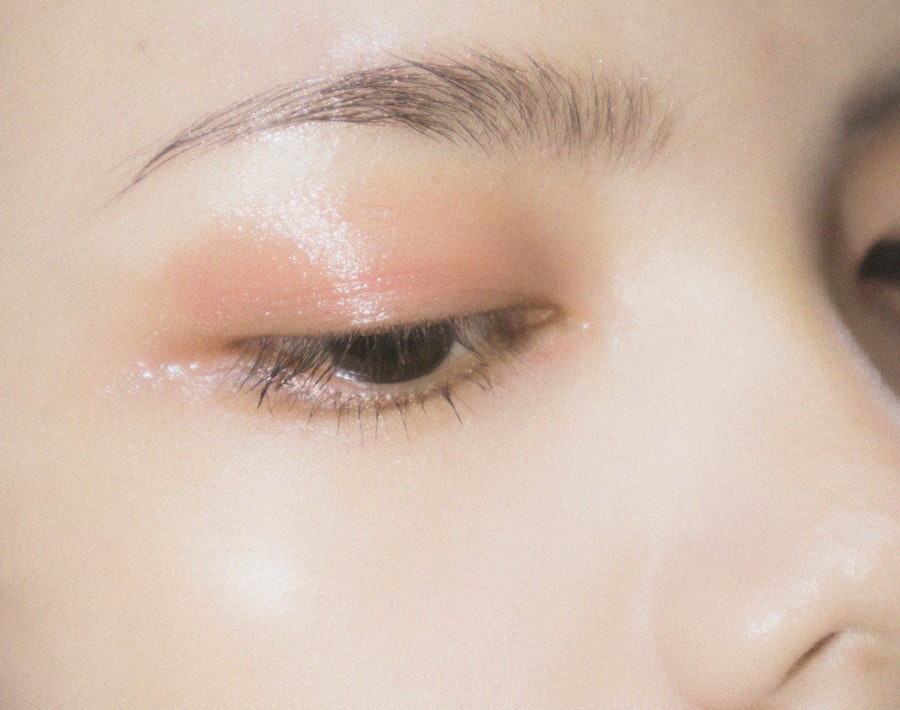
Your skin is not a blank canvas; it’s a unique ecosystem with its own needs and predispositions. What works harmoniously for one person might trigger a cascade of issues for another. Understanding your skin type and identifying sensitivities is paramount to selecting safe and beneficial makeup.
Recognizing Your Skin’s Unique Profile
Different skin types react differently to various ingredients. A product that is a miracle worker for oily skin might be an arid desert for dry skin, and vice versa.
Oily Skin: The Shine-Prone Predicament
Oily skin produces an excess of sebum, which can lead to a shiny appearance, enlarged pores, and a propensity for blemishes.
Makeup Considerations for Oily Skin
- Oil-Free and Non-Comedogenic: Look for products labeled “oil-free” and “non-comedogenic,” meaning they are formulated not to clog pores.
- Matte Finishes: Products designed to provide a matte finish can help control shine throughout the day.
- Absorbent Ingredients: Ingredients like kaolin clay or silica can help absorb excess oil.
- Potential Irritants: Avoid heavy, occlusive formulas that can exacerbate oiliness and breakouts.
Dry Skin: The Thirsty Terrain
Dry skin lacks sufficient moisture and lipids, often appearing dull, rough, and prone to flakiness and tightness.
Makeup Considerations for Dry Skin
- Hydrating and Emollient Formulas: Opt for creamy, moisturizing foundations and concealers that provide hydration and create a dewy finish.
- Avoid Alcohol-Based Products: High concentrations of alcohol can be stripping and further dehydrate the skin.
- Nourishing Ingredients: Look for ingredients like hyaluronic acid, glycerin, and natural oils (e.g., jojoba oil, shea butter) to replenish moisture.
- Creamy Textures: Cream blushes and highlighters tend to blend more seamlessly without emphasizing dry patches.
Sensitive Skin: The Reactive Landscape
Sensitive skin is easily irritated and prone to redness, itching, burning, and stinging in response to certain ingredients or environmental factors.
Makeup Considerations for Sensitive Skin
- Hypoallergenic and Dermatologist-Tested: While not a guarantee, these labels suggest products have been formulated to minimize allergic reactions.
- Fragrance-Free and Dye-Free: These are common triggers for sensitivity and should be avoided.
- Minimal Ingredient Lists: Fewer ingredients often mean fewer potential irritants.
- Patch Testing: Always perform a patch test on a small, inconspicuous area of skin before applying a new product to your entire face.
Acne-Prone Skin: The Blemish-Prone Battleground
Acne-prone skin is characterized by frequent breakouts, blackheads, whiteheads, and inflammation.
Makeup Considerations for Acne-Prone Skin
- Non-Comedogenic and Oil-Free: This is paramount to avoid exacerbating breakouts.
- Salicylic Acid: Some makeup products include salicylic acid, a beta-hydroxy acid that can help exfoliate and unclog pores.
- Soothing Ingredients: Ingredients like green tea extract or chamomile can help calm inflammation.
- Avoid Harsh Scrubbing: When removing makeup, use gentle techniques to avoid further irritating acne lesions.
The Role of Regulations and Certifications

The safety of cosmetic products isn’t solely left to the consumer’s discretion. Regulatory bodies and voluntary certifications play a role in establishing safety standards and providing consumer assurance.
Navigating the Regulatory Landscape
Government agencies often set guidelines and regulations for the cosmetic industry to protect public health.
Regional Regulatory Bodies and Their Mandates
- Food and Drug Administration (FDA) in the United States: The FDA regulates cosmetics under the Federal Food, Drug, and Cosmetic Act. However, it does not pre-approve cosmetic products or ingredients (except for color additives). Manufacturers are responsible for ensuring the safety of their products and labeling.
- European Commission (EC) in the European Union: The EU has a more stringent regulatory framework, with the Cosmetics Regulation (EC) No 1223/2009 requiring comprehensive safety assessments and detailed ingredient listings.
- Health Canada: Canada also has regulations in place to ensure the safety of cosmetics sold within the country.
Key Regulatory Concerns
- Prohibited and Restricted Substances: Regulatory bodies maintain lists of ingredients that are either banned or restricted in cosmetic products due to safety concerns.
- Labeling Requirements: Clear and accurate ingredient labeling is mandated to inform consumers.
- Adverse Event Reporting: Mechanisms are in place for reporting adverse reactions to cosmetic products.
Understanding Certification Labels
Various certifications offer consumers an additional layer of assurance regarding product safety and ethical sourcing.
Common Certification Types and What They Mean
- Cruelty-Free: This certification indicates that the product and its ingredients have not been tested on animals. Organizations like PETA (People for the Ethical Treatment of Animals) and Leaping Bunny provide these certifications.
- Vegan: Vegan certification signifies that the product contains no animal-derived ingredients.
- Organic and Natural Certifications (e.g., USDA Organic, ECOCERT): These certifications ensure that products meet specific standards regarding the sourcing and processing of ingredients, with a focus on natural and organic components. However, “natural” is not a legally defined term, so understanding the certifying body’s standards is crucial.
- Dermatologist-Tested and Hypoallergenic: As mentioned earlier, these labels aim to indicate products formulated to minimize the risk of irritation or allergic reactions, though they are not always independently verified.
When considering whether your makeup is safe for your skin, it’s essential to stay informed about the ingredients and potential allergens in your products. A helpful resource on this topic can be found in a related article that discusses the importance of understanding cosmetic labels and their impact on skin health. You can read more about it in this insightful piece here. By educating yourself, you can make better choices that promote both beauty and skin safety.
Best Practices for Safe Makeup Use
| Metric | Description | Safe Range/Value | Notes |
|---|---|---|---|
| pH Level | Acidity or alkalinity of makeup | 4.5 – 6.0 | Matches skin’s natural pH to avoid irritation |
| Non-comedogenic | Does not clog pores | Yes | Prevents acne and breakouts |
| Hypoallergenic | Less likely to cause allergic reactions | Yes | Important for sensitive skin |
| Fragrance-Free | Contains no added perfumes | Yes | Reduces risk of irritation |
| Paraben Content | Preservative presence | None or minimal | Some prefer paraben-free products |
| Expiration Date | Product shelf life | Not expired | Expired makeup can harbor bacteria |
| Dermatologist Tested | Tested for skin safety | Yes | Ensures product is skin-friendly |
| Ingredients List | Check for harmful chemicals | Free from harmful substances | Avoid sulfates, phthalates, and heavy metals |
Beyond selecting safe products, your application and maintenance habits are crucial to protecting your skin. Think of your makeup bag as a culinary pantry; proper storage and handling are as important as the quality of the ingredients themselves.
Maintaining Product Hygiene and Application Techniques
Good hygiene practices are the frontline defense against bacterial contamination and potential skin infections.
The Importance of Clean Tools and Hands
- Washing Hands: Always wash your hands thoroughly before applying makeup to prevent transferring bacteria to your face and products.
- Cleaning Brushes and Sponges: Makeup brushes and sponges are breeding grounds for bacteria. Clean them regularly (at least once a week for brushes, more often for sponges) with a gentle cleanser and allow them to dry completely. Makeup brush cleaners or mild soap and water are effective.
- Replacing Old Products: Bacteria can accumulate in makeup over time, especially in liquid or cream formulations. Discard old, expired, or discolored products. Mascaras typically have the shortest shelf life (3-6 months) due to the risk of eye infections.
Proper Application and Removal
- Avoid Double-Dipping: When using communal applicators in store, avoid dipping directly into the product multiple times.
- Gentle Removal: Always remove all makeup before going to bed. Use a gentle makeup remover or cleanser that effectively removes your specific makeup type without stripping the skin. Avoid harsh rubbing or tugging, which can damage the skin barrier.
- Sharing with Caution: Avoid sharing makeup, especially eye and lip products, as this can transmit infections.
Staying Informed and Making Conscious Choices
The beauty industry is constantly evolving, with new ingredients and products emerging regularly. Staying informed empowers you to make the best choices for your skin.
Researching Brands and Products
- Read Reviews: Look for reviews from individuals with similar skin types and concerns.
- Consult Ingredient Databases: Utilize online resources like the Environmental Working Group’s (EWG) Skin Deep database or other ingredient analysis websites to understand the safety profile of specific ingredients.
- Contact Manufacturers: If you have specific concerns about a product’s ingredients, don’t hesitate to contact the manufacturer directly.
Listening to Your Skin
Ultimately, your skin is the most reliable indicator of product safety for you. If a product causes redness, itching, breakouts, or any other adverse reaction, discontinue use immediately. Your skin sends signals; learning to interpret them is a vital part of maintaining its health and glow. By paying attention to ingredients, understanding your skin’s needs, and practicing good hygiene, you can navigate the world of makeup with confidence, ensuring that what you put on your face contributes to your well-being rather than detracting from it.
FAQs
1. How can I determine if my makeup is safe for my skin?
To determine if your makeup is safe, check the ingredient list for known irritants or allergens, ensure the product is within its expiration date, and observe how your skin reacts after use. Patch testing new products on a small skin area can also help identify potential adverse reactions.
2. What ingredients should I avoid in makeup products?
Avoid makeup containing harmful ingredients such as parabens, phthalates, formaldehyde-releasing preservatives, heavy metals like lead, and synthetic fragrances if you have sensitive skin. These substances can cause irritation, allergic reactions, or long-term health concerns.
3. How often should I replace my makeup products?
Makeup products should be replaced according to their expiration dates, typically every 3 to 12 months depending on the product type. Mascara and liquid eyeliners should be replaced every 3 months, while powders and lipsticks can last up to 1-2 years. Using expired makeup increases the risk of bacterial contamination.
4. Can makeup cause skin problems like acne or irritation?
Yes, certain makeup products can clog pores, cause irritation, or trigger allergic reactions, leading to acne or other skin issues. Using non-comedogenic, hypoallergenic, and dermatologist-tested products can help minimize these risks.
5. How should I properly remove makeup to keep my skin safe?
Proper makeup removal involves using a gentle cleanser or makeup remover suited to your skin type, followed by washing your face with a mild cleanser. Removing makeup thoroughly before sleeping helps prevent clogged pores, irritation, and potential infections.