
You’re bombarded with promises. Every gleaming bottle and artfully staged advertisement whispers of transformation, of the flawless complexion, the luscious lips, the radiant hair. The beauty industry is a vibrant, dynamic landscape, constantly innovating and churning out new products designed to enhance your natural allure and address your deepest insecurities. Yet, beneath the surface of captivating marketing campaigns lies a fundamental question: how can you be sure these promises translate into tangible results? How do you navigate this sea of innovation and ensure the products you bring into your life are not just aesthetically pleasing but also safe, effective, and truly deliver on their claims? This is where the concept of pressure testing beauty brands becomes not just relevant, but essential.
Pressure testing isn’t about a single, dramatic trial. It’s a multifaceted approach to scrutinizing the integrity of a beauty brand, from the initial formulation of a product to its presence on your shelf. It’s about understanding the rigorous processes that should underpin every claim, ensuring that the dazzling facade of the beauty world is built on a bedrock of scientific understanding and ethical manufacturing. Think of it as being your own discerning inspector, equipped with the knowledge to identify brands that are genuinely committed to quality versus those that rely solely on the magic of marketing.
Before a single jar of cream or tube of lipstick hits the shelves, its very essence is born in a laboratory. This is where the magic, or in some cases, the mundane, truly begins. The formulation of a beauty product is akin to a complex recipe, a delicate dance of ingredients designed to elicit a specific response on your skin or hair. Understanding this process is your first line of defense in assessing a brand’s commitment to quality.
The Cornerstone of Ingredients: Sourcing and Purity
The calibre of the ingredients used in a formulation is the bedrock upon which its efficacy and safety are built. Imagine a chef attempting to create a gourmet meal with spoiled produce. The outcome is inevitably disappointing, and potentially harmful. Similarly, a beauty product made with substandard or impure ingredients will likely fail to deliver on its promises and could even cause adverse reactions.
Investigating Ingredient Origins
You should be able to find information about where a brand sources its key ingredients. Are they sustainably harvested? Are they ethically obtained? For instance, if a brand touts the benefits of a particular botanical extract, you should ideally be able to ascertain its geographical origin and whether it’s cultivated using practices that ensure its potency and purity. Look for certifications that attest to responsible sourcing, such as those from organizations promoting fair trade or organic farming.
The Crucial Role of Purity and Potency
Beyond origin, the purity of individual ingredients is paramount. Impurities can diminish the effectiveness of beneficial compounds and introduce unwanted risks. High-quality brands often invest in rigorous testing to ensure the purity of their raw materials before they even enter the production line. This might involve analytical techniques that identify and quantify any contaminants. Furthermore, the potency of active ingredients is critical. A formulation might contain a “hero” ingredient, but if that ingredient is degraded or present in insufficient quantities, its transformative power will be negligible. Brands that prioritize quality will often specify the concentration of key active ingredients, allowing you to make a more informed judgment.
The Science Behind the Blend: Research and Development
While intuition and tradition play a role in beauty, true quality is often born from scientific investigation and meticulous development. A brand’s investment in research and development (R&D) is a significant indicator of its commitment to innovation and efficacy.
Understanding the R&D Pipeline
The R&D phase is where a brand translates theoretical benefits into tangible products. This involves extensive experimentation, formulation trials, and sensory evaluations. You should look for brands that are transparent about their R&D processes. Do they collaborate with dermatologists, chemists, or other scientific experts? Do they publish research? While detailed scientific papers might be beyond the scope of a casual consumer, hints of a robust R&D pipeline can be found in product descriptions and brand narratives.
Stability Testing: The Marathon of Longevity
A product might be superb on day one, but how does it hold up over time? Stability testing is a crucial, often unseen, part of the development process. It assesses how a product’s physical and chemical properties change when exposed to various environmental factors like heat, light, and humidity over extended periods. This testing ensures that the product maintains its integrity, efficacy, and safety throughout its shelf life. A brand that skips or short-changes stability testing is essentially gambling with your trust and your skin.
In the quest to ensure that beauty brands are held accountable for their claims and practices, it’s essential to explore effective methods for pressure testing these companies. A related article that delves into this topic can be found at Hey Did You Know This, where various strategies and insights are shared to help consumers critically evaluate the integrity and transparency of beauty products. This resource provides valuable information for anyone looking to make informed choices in the beauty industry.
Efficacy Validation: Proving the Potions Work
The most beautifully packaged product with the most alluring ingredient list is ultimately judged by its results. This is where efficacy validation comes into play, transforming abstract claims into demonstrable outcomes.
Clinical Trials and User Studies: The Proof in the Pudding
Claims of “reducing wrinkles by 30%” or “increasing hydration by 50%” are not mere marketing whims. They should be backed by rigorous testing. This is the crucible where product performance is forged and verified.
The Rigour of Clinical Trials
Clinical trials, conducted under controlled conditions by independent researchers or specialized testing facilities, are the gold standard for substantiating efficacy claims. These studies involve a diverse group of participants who use the product as directed, and their results are measured using objective parameters. For example, a brand claiming a skin-brightening effect should ideally have clinical data demonstrating measurable improvements in skin tone and reduction in hyperpigmentation. Look for mentions of “clinically proven” followed by specific data points or references to independent studies.
The Power of Consumer Perception: User Studies
While clinical trials provide objective data, user studies offer valuable insight into how a product performs in real-world conditions, reflecting the diverse experiences of actual consumers. These studies often involve surveys, diaries, and sensory assessments, gathering feedback on texture, scent, ease of use, and perceived effectiveness. Brands that conduct well-designed user studies demonstrate a commitment to understanding the consumer experience and ensuring their products resonate with their target audience.
Photographical and Instrumental Assessments: The Unbiased Observer
Objective measurement is the great equalizer in efficacy validation. While subjective experiences are important, quantifiable data provides irrefutable evidence.
Before and After: The Visual Narrative
The power of “before and after” photos, when presented ethically and without manipulation, can be a compelling way to demonstrate a product’s impact. However, the true value lies in the methodology. Were the lighting conditions consistent? Were the photographs taken by professionals? Were the subjects representative of the intended user base? Reputable brands will often employ standardized photographic protocols to ensure that any visual changes are genuinely attributable to the product.
Instrumental Analysis: The Scientific Yardstick
Beyond visual documentation, instrumental assessments utilize sophisticated tools to measure specific skin or hair characteristics. For instance, a device might be used to measure skin hydration levels, transepidermal water loss, or even the depth of wrinkles. Similarly, instruments can assess hair strength, shine, and breakage. Brands that invest in and reference these types of assessments are demonstrating a commitment to a scientific, rather than purely anecdotal, approach to proving their products’ effectiveness.
Safety and Regulation: The Unseen Guardians of Well-being
The most exciting cosmetic innovation is rendered meaningless if it poses a risk to your health. Safety and regulatory compliance are not optional extras; they are the non-negotiable foundation of any reputable beauty brand.
Navigating the Regulatory Landscape: Compliance as a Compass
The beauty industry, like many others, is subject to a complex web of regulations designed to protect consumers from harm. Adherence to these regulations is a critical aspect of a brand’s commitment to quality.
International Standards and Certifications
Different regions have varying regulatory bodies and standards for cosmetic products. A global brand will need to comply with the regulations of each market it operates in. Look for indications that a brand adheres to recognized international standards, such as those set by the European Union (e.g., cosmetic ingredient databases and safety assessments) or the U.S. Food and Drug Administration (FDA). Certifications for specific claims, like “hypoallergenic” or “dermatologist-tested,” while not always mandatory, can indicate a brand’s proactive approach to consumer safety.
Restricted and Banned Substances: Avoiding the Red Flags
Regulatory bodies maintain lists of substances that are either restricted in their use or outright banned in cosmetic products due to safety concerns. A brand that knowingly uses or fails to adequately test for these substances is not only acting irresponsibly but also operating outside the law. Educating yourself on common restricted ingredients can empower you to identify brands that are transparent about their formulations and have rigorous ingredient screening processes.
Ingredient Safety Assessments: The Precautionary Principle
Before ingredients are even formulated, they should undergo thorough safety assessments. This is akin to a doctor performing a pre-operation check-up, ensuring all systems are clear for the procedure.
Dermatological Testing: The Skin’s Advocate
Dermatological testing is primarily concerned with a product’s potential to cause skin irritation, allergic reactions, or other adverse dermatological effects. Brands committed to quality will often subject their products to rigorous dermatological testing, often in collaboration with independent dermatologists. Look for claims like “dermatologist-tested” or “hypoallergenic,” and understand that these often stem from specific testing protocols.
Allergen Screening and Patch Testing
Within dermatological testing, specific focus is placed on identifying potential allergens. This might involve extensive ingredient screening and, for new formulations or particularly sensitive ingredients, patch testing on a panel of volunteers to assess for delayed hypersensitivity reactions. Brands that prioritize allergen screening are demonstrating a heightened awareness of potential consumer sensitivities and a desire to minimize the risk of adverse reactions.
Manufacturing and Quality Control: From Lab Bench to Your Bathroom Shelf
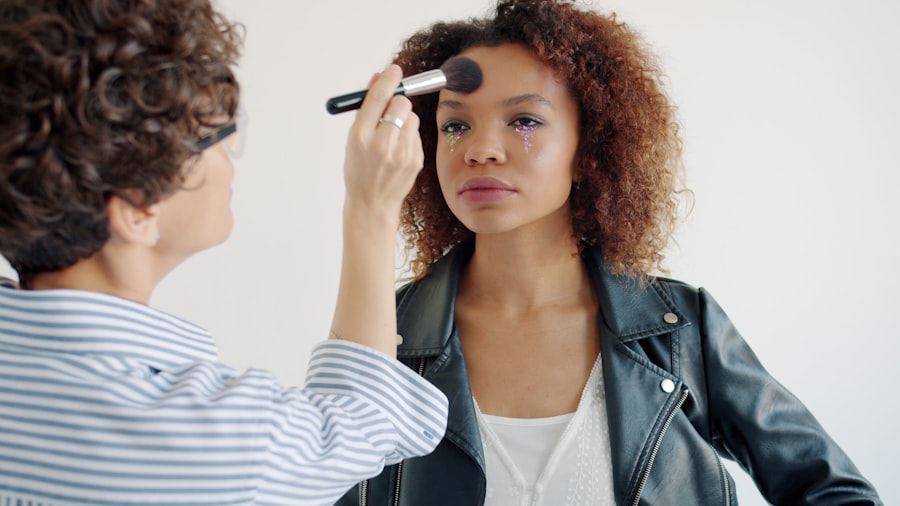
The journey from a meticulously developed formula to a finished product ready for purchase is fraught with potential pitfalls. Robust manufacturing processes and stringent quality control measures are the silent guardians that ensure consistency and integrity at every step.
The Manufacturing Environment: A Sanctuary of Cleanliness
The physical space where your beauty products are made is as crucial as the ingredients they contain. A clean and controlled manufacturing environment is fundamental to preventing contamination and ensuring product safety.
GMP Standards: The Blueprint for Good Manufacturing
Good Manufacturing Practices (GMP) are a set of internationally recognized guidelines that ensure products are consistently produced and controlled according to quality standards. Adherence to GMP is not just a recommendation; it’s a critical indicator of a reputable manufacturer. You might see references to GMP certification on a brand’s website or packaging. These standards cover everything from facility design and hygiene to equipment calibration and personnel training.
Contamination Prevention: The Invisible Enemy
Contamination, whether microbial, chemical, or physical, can render even the most well-formulated product unsafe and ineffective. Stringent protocols are in place at manufacturing facilities to prevent this. This includes air filtration systems, dedicated production lines for different product types, and rigorous cleaning and sterilization procedures. Brands that are transparent about their manufacturing processes often highlight these contamination prevention strategies.
Batch Consistency: The Promise of Sameness
You expect the lipstick you buy today to perform identically to the one you bought six months ago. This consistency is the hallmark of good manufacturing and quality control.
In-Process Quality Checks: The Watchful Eyes
During the manufacturing process, numerous quality checks are performed at various stages. These “in-process” checks monitor factors like pH, viscosity, colour, and fill weight to ensure that each batch conforms to the established specifications. Any deviation triggers an investigation and potential adjustments.
Finished Product Testing: The Final Gatekeeper
Before a batch of product is released for sale, it undergoes a final round of comprehensive testing. This includes analytical testing to confirm ingredient concentrations and purity, as well as physical tests to assess texture, stability, and appearance. This meticulous final inspection acts as the last gatekeeper, ensuring that only products meeting the highest standards reach consumers.
In the quest for transparency and accountability in the beauty industry, it is essential to know how to pressure test beauty brands effectively. A recent article offers valuable insights on this topic, highlighting methods to evaluate brand claims and ingredient safety. For more information on how to navigate this process, you can read the article here. Understanding these strategies can empower consumers to make informed choices and demand higher standards from the products they use.
Ethical Considerations and Transparency: Beyond the Gloss
| Metric | Description | Method of Measurement | Purpose |
|---|---|---|---|
| Product Quality | Assessment of product ingredients, texture, and performance | Lab testing, consumer feedback, expert reviews | Ensure product meets brand claims and customer expectations |
| Brand Awareness | Level of recognition and recall among target audience | Surveys, social media analytics, search volume data | Measure market penetration and visibility |
| Customer Satisfaction | Degree of customer happiness with products and services | Net Promoter Score (NPS), reviews, customer surveys | Gauge loyalty and likelihood of repeat purchases |
| Market Share | Percentage of total sales in the beauty category held by the brand | Industry sales reports, retail data analysis | Evaluate competitive position |
| Social Media Engagement | Interactions such as likes, comments, shares on brand content | Platform analytics tools (Instagram, TikTok, Facebook) | Assess brand connection and influence with audience |
| Product Return Rate | Percentage of products returned by customers | Sales and returns data tracking | Identify product issues and customer dissatisfaction |
| Influencer Partnerships | Number and quality of collaborations with beauty influencers | Campaign reports, influencer reach and engagement metrics | Expand brand reach and credibility |
| Price Competitiveness | Comparison of brand pricing against competitors | Market pricing analysis | Ensure value proposition aligns with target market |
In today’s conscientious world, consumers are increasingly looking beyond just efficacy and safety. Ethical considerations and transparency are becoming paramount in how brands are perceived and chosen.
Cruelty-Free and Vegan Practices: A Compassionate Choice
The welfare of animals and the avoidance of animal-derived ingredients are increasingly important ethical considerations for many consumers.
The Meaning of “Cruelty-Free”
“Cruelty-free” generally means that a product and its ingredients have not been tested on animals at any stage of development. This can be a complex claim, as regulations vary by country. Look for certifications from reputable organizations like PETA (People for the Ethical Treatment of Animals) or Leaping Bunny, which have stringent criteria for awarding their seals of approval.
Understanding “Vegan” in Cosmetics
A “vegan” cosmetic product contains no animal-derived ingredients. This includes common ingredients like beeswax, lanolin, carmine, and certain collagen derivatives. Transparency from the brand about their ingredient sourcing and formulation is crucial for verifying vegan claims.
Sustainable Packaging and Environmental Impact: A Greener Footprint
The environmental impact of beauty products extends beyond their formulation to their packaging. Brands committed to sustainability are making conscious efforts to minimize their ecological footprint.
Reducing Waste and Recyclability
Look for brands that prioritize reducing plastic waste, using recycled materials in their packaging, and offering refillable options. Information about the recyclability of their packaging and any initiatives they have to offset their carbon emissions can be valuable indicators of their commitment to environmental responsibility.
Biodegradable and Compostable Materials
The move towards biodegradable and compostable packaging materials is a significant step in reducing landfill waste. Brands that are exploring and implementing these alternatives are showing a forward-thinking approach to environmental stewardship.
Ingredient Transparency and Communication: The Open Book Approach
In an era of informed consumerism, transparency about ingredients and their purpose is no longer a luxury; it’s an expectation.
Ingredient Lists: Decoding the Labels
While ingredient lists can appear daunting, understanding them is crucial. Brands that use clear, understandable language in their ingredient disclosures, perhaps with explanations of key ingredients on their website, are demonstrating a commitment to educating their consumers. Avoid brands that use vague terminology or obscure ingredient names without further clarification.
Open Communication Channels: The Direct Line
Brands that maintain open communication channels, such as responsive customer service, active social media engagement, and accessible FAQs, provide avenues for consumers to ask questions and seek clarification regarding their products and practices. This direct line of communication fosters trust and allows for a more informed consumer experience, building a strong bridge of understanding between you and the brands you choose to support. By applying this pressure-testing lens, you transform yourself from a passive recipient of beauty promises into an empowered advocate for your own well-being and conscious consumption.
FAQs
What does it mean to pressure test a beauty brand?
Pressure testing a beauty brand involves evaluating its products, marketing strategies, customer service, and overall brand reputation under various conditions to assess performance, reliability, and consumer satisfaction before a full-scale launch or expansion.
Why is pressure testing important for beauty brands?
Pressure testing helps identify potential weaknesses or issues in products and branding, ensuring quality and consistency. It also provides valuable consumer feedback, reduces risks, and increases the chances of success in a competitive market.
What methods are commonly used to pressure test beauty products?
Common methods include product sampling with target consumers, stability and safety testing in labs, market surveys, focus groups, and pilot launches to gather real-world usage data and customer opinions.
How can a beauty brand measure the success of a pressure test?
Success can be measured by analyzing customer feedback, product performance data, sales figures during pilot phases, social media engagement, and the brand’s ability to address any identified issues effectively.
Can pressure testing help improve a beauty brand’s marketing strategy?
Yes, pressure testing provides insights into consumer preferences and responses, allowing brands to refine messaging, packaging, pricing, and promotional tactics to better resonate with their target audience.