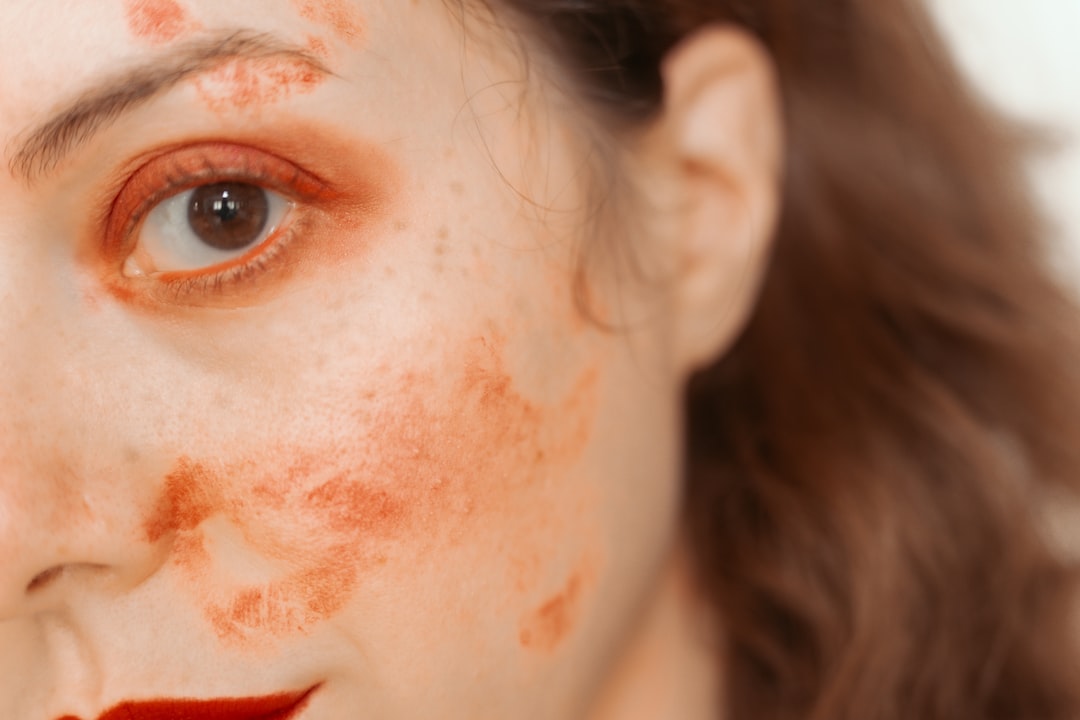
You, a teenager navigating the vibrant world of self-expression, likely have a makeup bag filled with treasures. These products, from the shimmering eyeshadows to the plumping lip glosses, are extensions of your evolving identity. However, lurking beneath the surface of these colorful concoctions are chemicals that demand your attention. The presence of toxic chemicals in teen makeup is not a new revelation, but it is a growing concern, and understanding it is a crucial step in protecting your well-being.
You are drawn to makeup for myriad reasons. It’s a ritual, a confidence booster, a way to stand out or blend in. The advertising may paint a picture of glamour and sophistication, promising a transformation that unlocks your inner radiance. Yet, this glittering façade can conceal a less glamorous reality: a cocktail of chemical ingredients that, over time, can take a toll on your health.
The Appeal of Aesthetics and Social Influence
The teenage years are a tempest of social dynamics. Makeup becomes a tool in this complex arena. You might experiment with different looks to fit in with a group, to express a rebellious spirit, or simply to explore the person you are becoming. The influence of social media, with its endless tutorials and curated images, amplifies this desire to experiment and adorn. A flawless complexion or a bold lip can feel like a shield, a form of armor in the often-unforgiving adolescent landscape. You see your peers using these products, and a silent pressure to conform can build, making the acquisition of makeup a near necessity.
The Marketing Machine: Targeting the Youthful Consumer
The beauty industry is a formidable engine, and its marketing strategies are finely tuned to capture your attention. Brands understand your desire for novelty, your susceptibility to trends, and your burgeoning independence. They often employ vibrant packaging, celebrity endorsements, and aspirational messaging to make their products irresistible. This intense focus on the youth market means that products developed with robust safety testing for adults might not have undergone the same rigorous scrutiny when formulated specifically for, or marketed towards, developing bodies and skin. The very accessibility of these products, often found in affordable drugstores and readily available online, further contributes to their widespread use amongst teenagers.
In recent discussions about the safety of cosmetics for young users, an article on the potential dangers of toxic chemicals in teen makeup has garnered attention. This piece highlights the alarming presence of harmful substances in products marketed to adolescents, raising concerns among parents and health advocates alike. For more information on this important topic, you can read the full article here: Toxic Chemicals in Teen Makeup.
Unmasking the Culprits: Common Toxic Chemicals
The ingredient list on your favorite lipstick or foundation can read like an alien language. While not all chemicals in makeup are harmful, a significant number of them have been flagged for their potential to disrupt your endocrine system, act as carcinogens, or cause other adverse health effects. These substances are not always clearly labeled with warnings, making it difficult for you to make informed decisions without diligent research.
Phthalates: The Softeners with a Harsh Impact
Phthalates are a group of chemicals often used to make plastics more flexible and to help fragrances last longer. In makeup, you might encounter them in nail polish to prevent chipping, in hair sprays as fixatives, and in some fragrances found in lotions and perfumes.
Endocrine Disruption and Reproductive Concerns
The primary concern with phthalates is their ability to mimic hormones, particularly estrogen. This makes them endocrine disruptors, meaning they can interfere with your body’s natural hormone production and function. For developing bodies like yours, this interference can have significant consequences. Studies have linked phthalate exposure to reproductive issues in both males and females, including reduced sperm count and quality, early puberty, and potential impacts on reproductive organ development. They are like silent saboteurs, subtly altering the delicate hormonal symphony within you.
Other Health Implications
Beyond reproductive health, phthalates have been associated with a range of other health problems. Research suggests potential links to asthma, allergies, and even behavioral issues. While the exact mechanisms are still under investigation, the cumulative exposure to these chemicals throughout your formative years raises red flags.
Parabens: The Preservatives That Preserve More Than Just Makeup
Parabens are a class of chemicals commonly used as preservatives in cosmetics to prevent the growth of bacteria and mold, thereby extending the shelf life of products. You’ll find them in a wide array of makeup, from foundations and mascaras to moisturizers and even some sunscreens.
Mimicking Estrogen and Cancer Concerns
Similar to phthalates, parabens are known endocrine disruptors because they can mimic estrogen. This ability to bind to estrogen receptors in the body has raised concerns about their potential role in hormone-sensitive cancers, such as breast cancer. While the direct causal link is still debated and requires more research, the precautionary principle suggests minimizing exposure, especially during periods of rapid development like adolescence. The concern is that these preservatives, designed to keep makeup fresh, might inadvertently contribute to the proliferation of undesirable cells within your body.
Skin Irritation and Allergic Reactions
While designed to protect products, parabens can also trigger adverse reactions in some individuals. They are known to cause skin irritation, redness, and allergic contact dermatitis, making your skin feel less than its best. If you experience unexplained rashes or itching after using certain makeup products, parabens could be a contributing factor.
Heavy Metals: The Glittering Deceivers
Heavy metals, such as lead, mercury, cadmium, and arsenic, are not typically added intentionally to makeup. Instead, they are often present as contaminants from the pigments and raw materials used in manufacturing. You might be unknowingly applying these toxic elements to your skin with every swipe of eyeliner or blush.
Neurological and Developmental Harm
Exposure to heavy metals is a serious concern, particularly for developing brains and bodies. Lead, for instance, is a well-known neurotoxin that can impair cognitive development, lead to learning disabilities, and cause behavioral problems. Mercury can also damage the nervous system and kidneys, while arsenic has been linked to various cancers. These metals can accumulate in your body over time, creating a slow-burning fuse of potential health issues.
Carcinogenic Properties
Many heavy metals are classified as probable or known carcinogens. Their presence in makeup, therefore, elevates the risk of long-term health consequences, including cancer. Even at low levels of exposure, the cumulative effect over years of makeup use can be significant.
Formaldehyde and Formaldehyde-Releasing Preservatives: The Undeniable Sting
Formaldehyde is a known carcinogen and a potent irritant. While it’s less commonly found as a direct ingredient in makeup these days, it can be present in formaldehyde-releasing preservatives. These ingredients slowly break down over time, releasing small amounts of formaldehyde into the product and, subsequently, onto your skin.
Respiratory Issues and Skin Sensitization
Inhaling formaldehyde can irritate your respiratory system, leading to coughing, wheezing, and shortness of breath. On the skin, it can cause allergic reactions, redness, and itching. If you suffer from asthma or have sensitive skin, these ingredients can exacerbate your conditions. This preservative essentially acts like a time-released irritant, delivering its harmful effects gradually.
Link to Cancer
The International Agency for Research on Cancer (IARC) classifies formaldehyde as a human carcinogen. While the amount released from preservatives in makeup is typically small, ongoing exposure, especially from products used daily, raises concerns about long-term cancer risk.
Talc: The Powdery Deception
Talc, a mineral used in many powders for makeup products like blushes, eyeshadows, and setting powders, has faced scrutiny due to potential contamination with asbestos. Asbestos is a known carcinogen.
Asbestos Contamination Risks
When talc is mined, it can sometimes be found in close proximity to asbestos deposits, leading to inadvertent contamination. Inhaling asbestos fibers can cause serious lung diseases, including mesothelioma and lung cancer. While cosmetic-grade talc is supposed to be tested for asbestos, past recalls and lawsuits have raised concerns about the reliability of these testing protocols. The concern is not the talc itself, but the unwelcome hitchhikers it might carry.
Skin and Respiratory Irritation
Even in its pure form, talc can be a respiratory irritant, particularly for those with pre-existing breathing conditions. Inhaling fine talc particles can cause irritation in the lungs.
The Impact on Teenage Health: A Vulnerable Stage
Your teenage years are a period of profound physical and hormonal change. Your skin is still developing, your endocrine system is undergoing significant shifts, and your immune system is maturing. This makes you particularly susceptible to the effects of toxic chemicals.
Skin Absorption: A Direct Pathway
Your skin, while a protective barrier, is also a permeable organ. Many chemicals in makeup can be absorbed through your skin and enter your bloodstream. This direct pathway means that the ingredients you apply are not just sitting on the surface; they are making their way into your body. Teen skin can sometimes be more sensitive and reactive, further increasing the potential for absorption and irritation.
Hormonal Disruption and Long-Term Consequences
As mentioned, many of the problematic chemicals in makeup are endocrine disruptors. During adolescence, your body is finely tuning its hormonal balance to support growth, development, and eventually, reproduction. Exposure to chemicals that mimic or interfere with these hormones can have lasting consequences, potentially impacting your reproductive health, metabolism, and even your cognitive function well into adulthood. Think of it as throwing a wrench into a finely tuned engine just as it’s beginning to operate at full capacity.
Cumulative Exposure: A Slow Buildup
You likely don’t use just one makeup product. You might have a foundation, concealer, blush, bronzer, multiple eyeshadows, eyeliner, mascara, and various lip products. Each of these products can contain a cocktail of chemicals. The cumulative exposure from using multiple products daily, over a period of several years, is a significant concern. These chemicals don’t just disappear; they can accumulate in your body, increasing the overall risk. It’s like adding a little bit of sand to a bucket every day; eventually, the bucket will be full.
Navigating Your Choices: Empowering Yourself with Knowledge
The information about toxic chemicals in makeup can feel overwhelming, but it doesn’t have to be paralyzing. Armed with knowledge, you can become a discerning consumer and make safer choices for your health.
Reading the Labels: Decoding the Ingredient List
Ingredient lists, often found on the back of makeup packaging or on the manufacturer’s website, are your primary tool. While the scientific names can be daunting, you can start by looking for common problematic ingredients. Organizations like the Environmental Working Group (EWG) provide databases that rate the safety of cosmetic ingredients and products, offering a valuable resource for your research.
Seeking Out “Clean” Beauty Brands
The beauty industry is responding to consumer demand for safer products. A growing number of brands are committed to formulating their products without parabens, phthalates, sulfates, and synthetic fragrances. Look for certifications like “cruelty-free” and “organic,” but more importantly, investigate a brand’s commitment to transparency regarding their ingredient sourcing and safety testing. These brands are like lighthouses in a foggy sea, guiding you towards safer shores.
Understanding “Natural” vs. “Non-Toxic”
It’s important to understand that “natural” doesn’t always equate to “safe.” Many naturally occurring substances can be irritating or allergenic. The focus should be on “non-toxic” ingredients, meaning ingredients that have been proven to be safe for human use. A product can be made with natural ingredients and still contain harmful contaminants or irritants, just as a synthetic product can be formulated with safe and well-tolerated ingredients.
Concerns about the safety of cosmetics used by teenagers have been growing, particularly regarding the presence of toxic chemicals in makeup products. Many parents and health advocates are urging for stricter regulations to protect young consumers from harmful substances that can be absorbed through the skin. For more information on this pressing issue, you can read a related article that discusses the potential dangers and offers insights into safer alternatives. Check it out here.
Advocacy and Future Considerations: A Collective Responsibility
| Chemical | Common Use in Makeup | Potential Health Risks | Typical Concentration in Teen Makeup (%) | Regulatory Status |
|---|---|---|---|---|
| Lead | Lipsticks, eyeliners | Neurotoxicity, developmental issues | 0.001 – 0.01 | Banned or restricted in many countries |
| Parabens (e.g., methylparaben) | Preservatives in foundations, mascaras | Endocrine disruption, allergic reactions | 0.1 – 0.8 | Restricted in EU, allowed in US with limits |
| Phthalates (e.g., DBP) | Fragrance carriers, nail polishes | Reproductive toxicity, hormone disruption | 0.05 – 0.3 | Banned in cosmetics in EU, restricted in US |
| Formaldehyde releasers (e.g., DMDM hydantoin) | Preservatives in mascaras, foundations | Skin irritation, carcinogenic potential | 0.01 – 0.2 | Restricted in some countries |
| Toluene | Nail polish, hair dyes | Respiratory issues, neurotoxicity | 0.1 – 0.5 | Banned or restricted in many countries |
| Coal tar dyes (e.g., CI 75470) | Hair dyes, lipsticks | Carcinogenic potential, skin sensitization | Trace amounts | Restricted in some countries |
Your awareness and your choices have the power to influence the beauty industry. By demanding safer products, you contribute to a larger movement that advocates for better regulation and more transparent manufacturing practices.
The Role of Regulation and Consumer Pressure
Currently, the regulation of cosmetics in many countries is less stringent than that of pharmaceuticals. This allows for a wider range of chemicals to be used in products. However, increasing consumer awareness and pressure can drive regulatory bodies to enact stronger laws and enforce stricter testing protocols. Your voice, amplified by others, can be a powerful catalyst for change.
Educating Yourself and Others
Sharing the knowledge you gain is crucial. Talk to your friends, family, and even your school nurse or counselor about the importance of ingredient awareness. The more informed you and your peers are, the more likely you are to collectively advocate for safer products and healthier choices. This knowledge is like a seed; when planted and shared, it can grow into a forest of awareness.
The Future of Teen Makeup: A Safer Horizon
The growing concern surrounding toxic chemicals in teen makeup is not a cause for despair, but a call to action. By understanding the potential risks and empowering yourself with knowledge, you can navigate the world of beauty with greater confidence and care. The future of teen makeup can, and should, be one where self-expression and well-being go hand in hand, painted with vibrant colors and delivered with pristine ingredients.
FAQs
What are some common toxic chemicals found in teen makeup?
Common toxic chemicals in teen makeup include parabens, phthalates, lead, formaldehyde-releasing preservatives, and synthetic fragrances. These substances can potentially cause skin irritation, hormonal disruptions, or other health issues.
Why is it important to avoid toxic chemicals in teen makeup?
Teen skin is often more sensitive and still developing, making it more susceptible to irritation and long-term damage. Avoiding toxic chemicals helps reduce the risk of allergic reactions, hormonal imbalances, and potential long-term health effects.
How can parents and teens identify safe makeup products?
Look for products labeled as non-toxic, hypoallergenic, or dermatologist-tested. Checking ingredient lists for harmful chemicals and choosing brands that prioritize natural or organic ingredients can also help ensure safer makeup choices.
Are there regulations controlling toxic chemicals in teen makeup?
Yes, many countries have regulations limiting or banning certain harmful chemicals in cosmetics. However, regulations vary by region, and not all toxic substances are banned, so consumers should remain vigilant and informed.
What steps can teens take to minimize exposure to toxic chemicals in makeup?
Teens can minimize exposure by using makeup sparingly, removing it thoroughly before sleep, choosing products with safer ingredients, and avoiding sharing makeup to reduce contamination and skin issues.