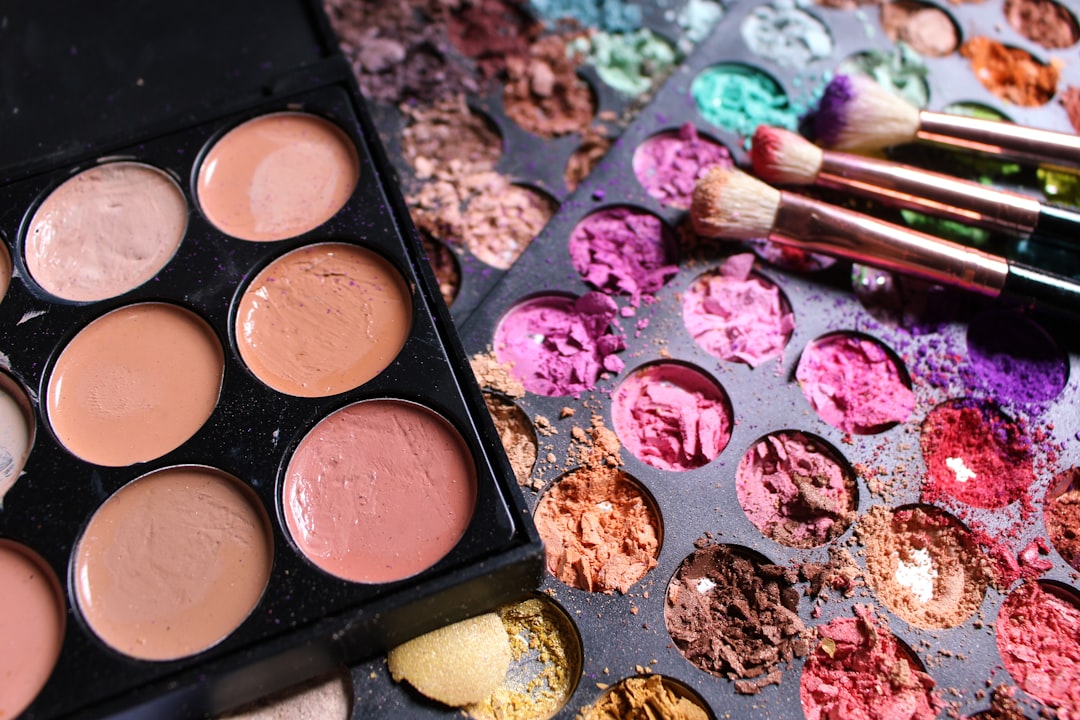
You stand before the dazzling array of cosmetics, each promising a flawless complexion. Your hands reach for a new foundation, a vibrant blush, or a luxurious cream, propelled by the desire for enhanced beauty. However, amidst this allure, a silent saboteur may lurk within the very products you apply to your skin. This article explores common makeup ingredients frequently implicated in triggering breakouts: fragrance, lanolin, and mineral oil. By understanding their potential mechanisms of action, you can make more informed choices for your skin’s health.
Fragrance, often listed simply as “fragrance” or “parfum” on ingredient labels, is a ubiquitous component in personal care products, from your morning cleanser to your evening moisturizer, and, of course, your makeup. Its purpose is undeniable: to enhance the sensory experience, masking less appealing natural odors of raw ingredients or imparting a pleasant aroma. However, for a significant portion of the population, fragrance is less an aesthetic delight and more a dermal irritant, a hidden current pulling your skin into a whirlpool of inflammation.
The Compositional Complexity of “Fragrance”
What exactly is “fragrance”? It is not a single chemical entity. Instead, “fragrance” is a catch-all term that can encompass hundreds, sometimes thousands, of individual chemical compounds. These compounds can be derived from natural sources, such as essential oils and plant extracts, or they can be entirely synthetic, manufactured in laboratories. The lack of transparency mandated by regulatory bodies often means that manufacturers are not required to disclose the specific constituents of their fragrance blends, citing proprietary trade secrets. This opaqueness presents a significant challenge for consumers trying to identify and avoid specific allergens or irritants. It’s like being handed a sealed puzzle box and told only that it contains “pieces.”
Fragrance and Contact Dermatitis
One of the primary ways fragrance contributes to breakouts is through its potential to induce contact dermatitis. This can manifest in two main forms:
Irritant Contact Dermatitis
Irritant contact dermatitis occurs when a substance directly damages the skin’s protective barrier, leading to immediate inflammation. For fragrance, this can happen when certain volatile compounds irritate the skin cells. You might experience redness, itching, burning, and stinging, often within minutes or hours of application. This type of reaction doesn’t necessarily involve an immune response but rather a direct chemical assault on your skin, akin to a splash of acid on a delicate surface.
Allergic Contact Dermatitis
Allergic contact dermatitis is a delayed hypersensitivity reaction mediated by your immune system. If you are sensitized to a particular fragrance component, your immune system recognizes it as a threat upon subsequent exposures. This triggers an inflammatory cascade, typically manifesting 24 to 72 hours after contact. Symptoms include intense itching, redness, swelling, blistering, and weeping lesions. Given the vast number of potential allergens within a single “fragrance” blend, identifying the specific culprit can be a complex and frustrating endeavor. It’s like trying to find a single, faulty wire in a sprawling, unmarked circuit board.
Beyond Dermatitis: Fragrance as an Acne Trigger
Even in the absence of overt contact dermatitis, fragrance can exacerbate or trigger acne.
Inflammation and Pore Clogging
Many fragrance compounds, particularly synthetic ones, are known to be irritating. This irritation can lead to subclinical inflammation within the skin. Inflammation is a known precursor to acne lesion formation. When your pores become inflamed, the cells lining the pore shed more rapidly, increasing the likelihood of dead skin cells combining with sebum to form a plug. This plugged pore, a microcomedone, is the foundational lesion of acne. Think of it as a small, silent friction, gradually eroding the smooth function of your pores.
Oxidative Stress
Some fragrance ingredients can also contribute to oxidative stress in the skin. Oxidative stress can damage skin cells and trigger inflammatory pathways, further contributing to acne development. This is akin to a slow, internal rust on the machinery of your skin, compromising its structural integrity.
Photosensitivity
Certain fragrance ingredients, particularly some natural essential oils like bergamot oil (when not furocoumarin-free), can be phototoxic or photoallergenic. This means they react with ultraviolet (UV) light, leading to enhanced skin irritation, redness, and even hyperpigmentation. While not a direct breakout trigger in itself, the resulting inflammation can certainly predispose your skin to acne. Applying a photosensitizing fragrance before sun exposure is like adding fuel to a potential fire.
If you’re concerned about how certain makeup ingredients may lead to breakouts, you might find it helpful to read a related article that delves deeper into this topic. The article discusses common culprits in makeup products that can clog pores and irritate the skin, ultimately leading to acne. For more insights, check out this informative piece on makeup ingredients that cause breakouts at Hey Did You Know This.
Lanolin: Nature’s Emollient with a Catch
Lanolin is a waxy substance secreted by the sebaceous glands of wool-bearing animals, primarily sheep. It is often referred to as “wool wax” or “wool grease.” Historically, lanolin has been prized in cosmetics and pharmaceuticals for its exceptional emollient and occlusive properties. It forms a semi-occlusive barrier on the skin, reducing transepidermal water loss (TEWL) and helping to keep the skin hydrated and soft. You might find it in heavy creams, lip balms, and even some foundations, lauded for its ability to create a smooth, supple feel. However, for some individuals, this very property becomes a double-edged sword, leading to clogged pores and breakouts.
The Hydrocarbon Matrix of Lanolin
Lanolin is a complex mixture of esters, fatty acids, and fatty alcohols. Its structure allows it to absorb and hold a significant amount of water, making it an effective moisturizer. Its occlusive nature means it creates a protective film on the skin’s surface, preventing moisture from escaping. This action, while beneficial for very dry or compromised skin, can be problematic for acne-prone individuals. The very blanket it provides for moisture retention can also act as a hermetic seal over your pores.
Lanolin and Comedogenicity
The primary concern with lanolin for breakout sufferers is its comedogenicity. A comedogenic ingredient is one that tends to clog pores, leading to the formation of comedones (blackheads and whiteheads), which are the precursors to inflammatory acne lesions.
Occlusion and Follicular Impaction
Lanolin’s occlusive properties, while excellent for preventing water loss, can inadvertently trap dead skin cells, sebum, and bacteria within the hair follicles. This creates an ideal environment for the proliferation of P. acnes bacteria (now reclassified as Cutibacterium acnes) and the development of inflammatory acne. You can visualize this as a densely packed urban environment – if waste isn’t properly removed, it quickly accumulates and causes problems. Lanolin acts as a barrier, hindering the natural exfoliation and clearing of pores.
Variable Purity and Composition
The comedogenicity of lanolin can also vary depending on its purity and the specific processing methods employed. Highly refined medical-grade lanolin, sometimes referred to as “hypoallergenic lanolin,” may be less likely to cause issues than cruder forms. However, even purified versions can still be problematic for very sensitive or highly acne-prone individuals. The variability is like relying on a single, broad label for a wide range of products, without knowing the specific contents of each.
Lanolin and Allergic Reactions
Beyond comedogenicity, lanolin can also be a contact allergen for a small percentage of the population. This means that if you are sensitized to lanolin, you might experience allergic contact dermatitis, characterized by redness, itching, swelling, and sometimes blistering, upon exposure. While less common than fragrance allergies, lanolin allergy is a recognized dermatological concern.
Mineral Oil: A Misunderstood Heavy Hitter
Mineral oil, also known as liquid paraffin, paraffinum liquidum, or simply “petrolatum” when in its thicker form, is a colorless, odorless, transparent oily liquid that is a byproduct of petroleum distillation. It is widely used in cosmetics and personal care products due to its inertness, stability, low cost, and excellent occlusive properties. You’ll find it in everything from baby oil to moisturizers, sunscreens, and of course, many makeup products, often lauded for its ability to create a smooth feel and prevent water loss. However, like lanolin, its occlusive nature can be a double-edged sword for acne-prone skin.
The Origins and Purity of Mineral Oil
Mineral oil is derived from petroleum. It undergoes extensive purification processes to remove impurities, including polycyclic aromatic hydrocarbons (PAHs), which can be carcinogenic. Cosmetic-grade mineral oil is highly refined and is generally considered non-toxic and non-comedogenic by many regulatory bodies and organizations. This distinction between industrial-grade and cosmetic-grade mineral oil is crucial. It’s the difference between crude oil directly from the ground and the highly refined gasoline that powers your car.
The Comedogenicity Debate: A Nuanced Perspective
The question of mineral oil’s comedogenicity has been a subject of long-standing debate within the dermatological community.
The “Non-Comedogenic” Claim
Many studies, particularly those involving highly refined cosmetic-grade mineral oil, have concluded that it is non-comedogenic or has a very low comedogenic potential. Proponents argue that mineral oil is a large molecule that sits on the skin’s surface without penetrating the pores, thereby not clogging them. They emphasize its inert nature, meaning it doesn’t react with skin components or bacteria, making it a safe option for sensitive skin.
The Counter-Argument: Occlusion and “Impaction”
However, critics argue that while mineral oil itself may not technically “clog” pores by physically entering and plugging them, its strong occlusive properties can still contribute to breakouts. By forming a breathable but significant barrier on the skin’s surface, mineral oil can trap existing sebum, dead skin cells, and bacteria within the pilosebaceous unit. This creates an anaerobic environment favorable for the proliferation of C. acnes, leading to inflammation and the formation of comedones and inflammatory lesions. Imagine a thin, cling film over your skin; while it may not directly push into your pores, it can certainly prevent the natural flow and clearing that your skin needs.
Differences in Individual Skin Chemistry
Furthermore, the impact of mineral oil, like many ingredients, can be highly individual. What is non-comedogenic for one person may still trigger breakouts in another, especially those with particularly oily or hyperkeratinized skin (where skin cells shed abnormally). Factors such as the concentration of mineral oil in a product, the other ingredients it’s combined with, and your skin’s unique biological response all play a role. It’s not a universally applicable law, but rather a variable equation for each person.
Mineral Oil and Skin Barrier Function
While some argue mineral oil can impair the skin barrier by hindering healthy cell turnover, its primary action is occlusive. For compromised or extremely dry skin, its ability to reduce TEWL can actually be beneficial for barrier repair. However, for acne-prone skin, this benefit might be outweighed by the potential for follicular impaction.
The Synergy of Irritants: More Than the Sum of Their Parts
It’s crucial to understand that breakouts are often not caused by a single ingredient but rather by a combination of factors, including genetics, hormones, stress, and your skincare routine. The ingredients discussed here – fragrance, lanolin, and mineral oil – can act as aggravating factors, each contributing to the multifactorial nature of acne. When multiple irritating or comedogenic ingredients are present in a single product, their combined effect can be far more potent than any single ingredient in isolation. It’s like several small streams converging to form a mighty river.
The “Product Pile-Up” Effect
Consider your daily routine: a fragranced cleanser, a moisturizer containing lanolin, and a foundation formulated with mineral oil. Each product may contain a potential irritant or pore-clogger. The cumulative effect of layering multiple products with these ingredients can overwhelm your skin’s natural defenses and lead to persistent breakouts. This “product pile-up” is a common trap for those battling acne.
Compromised Skin Barrier
Fragrance can directly compromise your skin barrier through irritation. A weakened barrier is more susceptible to external aggressors, inflammation, and bacterial colonization, making your skin more vulnerable to all forms of breakouts. If your skin’s protective wall is constantly being chipped away, it’s easier for invaders to breach.
When it comes to choosing the right makeup products, understanding the ingredients that can cause breakouts is essential for maintaining clear skin. Many people are unaware that certain components, such as silicones and heavy oils, can clog pores and lead to acne. For a deeper dive into this topic, you might find it helpful to read a related article that discusses various makeup ingredients and their potential effects on your skin. You can check it out here: makeup ingredients that cause breakouts. Being informed can empower you to make better choices for your skincare routine.
Navigating Ingredient Labels for Clearer Skin
| Ingredient | Common Sources | Potential Effect | Reason for Breakouts | Notes |
|---|---|---|---|---|
| Isopropyl Myristate | Found in foundations, moisturizers | High comedogenicity | Clogs pores, leading to acne | Avoid if prone to acne |
| Coconut Oil | Natural moisturizers, lip balms | Highly comedogenic | Blocks pores, causes inflammation | Better for dry skin, avoid if acne-prone |
| Sodium Lauryl Sulfate (SLS) | Facial cleansers, makeup removers | Irritant, can cause dryness | Dry skin triggers excess oil production | Use gentle alternatives |
| Lanolin | Lipsticks, moisturizers | Moderate comedogenicity | Can clog pores in sensitive skin | Patch test recommended |
| Fragrance (Synthetic) | Perfumed makeup products | Skin irritation | Inflammation can worsen acne | Opt for fragrance-free products |
| Silicones (e.g., Dimethicone) | Primers, foundations | Low to moderate comedogenicity | May trap dirt and oil | Generally safe but monitor skin response |
| Algae Extracts | Natural skincare, makeup | Can cause irritation | May trigger acne in sensitive skin | Use cautiously if prone to breakouts |
Armed with this knowledge, you are better equipped to scrutinize ingredient labels and make conscious choices for your skin’s health.
Becoming an Ingredient Detective
Make it a habit to read ingredient lists carefully. Look for terms like “fragrance,” “parfum,” “lanolin,” “wool wax,” “mineral oil,” “paraffinum liquidum,” and “petrolatum.” Understand that “natural” fragrances are not inherently safer than synthetic ones, as many natural extracts can also be potent allergens and irritants.
“Fragrance-Free” vs. “Unscented”
Be aware of the distinction between “fragrance-free” and “unscented.” “Fragrance-free” typically means no fragrance compounds have been added to the product. “Unscented,” however, might mean that fragrance chemicals have been added to mask the natural odor of other raw ingredients, resulting in no discernible scent. Always aim for “fragrance-free” if fragrance sensitivities are a concern.
Patch Testing
Before incorporating a new product into your full routine, especially if you have sensitive or acne-prone skin, consider patch testing. Apply a small amount of the product to an inconspicuous area, such as behind your ear or on your inner forearm, for a few days. Monitor for any signs of redness, itching, irritation, or breakouts. This small precaution can save you significant frustration and discomfort.
Seeking Alternatives
Fortunately, the cosmetic industry has responded to consumer demand for “cleaner” and “skin-friendly” formulations.
Fragrance Alternatives
Many brands offer fragrance-free versions of their popular products. Additionally, products specifically formulated for sensitive skin are often fragrance-free. Look for claims like “hypoallergenic” or “dermatologist-tested,” although these terms are not always regulated and should be interpreted with a critical eye.
Lanolin Alternatives
Instead of lanolin, look for emollients and occlusives like shea butter, ceramides, hyaluronic acid, squalane, or petrolatum. While petrolatum is a mineral oil derivative, it is often considered less comedogenic than some forms of lanolin, especially for those sensitive to lanolin’s specific chemical structure.
Mineral Oil Alternatives
For those concerned about mineral oil, alternatives include squalane, jojoba oil, sunflower oil, and various silicones (e.g., dimethicone), which are often lauded for their non-comedogenic properties and ability to provide a smooth feel without heavy occlusion. Remember that even “natural” oils can be comedogenic for some individuals, so research and patch testing remain essential.
Conclusion
Your skin is a complex and sensitive organ, a vibrant ecosystem that responds uniquely to its environment. While the desire for beauty products that deliver immediate gratification is strong, a thoughtful approach to ingredient selection is paramount for maintaining skin health, especially if you are prone to breakouts. Fragrance, lanolin, and mineral oil, despite their widespread use and perceived benefits, can be silent saboteurs for reactive skin. By understanding their potential mechanisms of action – irritation, allergic reactions, and comedogenicity – you can become a more discerning consumer. Choose products that nurture rather than irritate, and empower yourself with the knowledge to create a skincare and makeup routine that truly serves your skin, fostering clarity and comfort rather than battling ongoing inflammation. Your skin will thank you for being its vigilant guardian.
FAQs
What makeup ingredients are commonly known to cause breakouts?
Ingredients such as heavy oils (like mineral oil and coconut oil), silicones (like dimethicone), certain alcohols, and fragrances can clog pores and lead to breakouts in some individuals.
How can I identify if a makeup ingredient is causing my breakouts?
If you notice breakouts after using a specific product, check its ingredient list for common comedogenic substances. Conducting a patch test on a small skin area before full application can also help identify potential irritants.
Are all oils in makeup products bad for acne-prone skin?
Not all oils cause breakouts. Some oils, like jojoba and argan oil, are non-comedogenic and can be beneficial. However, heavier oils like coconut oil are more likely to clog pores and cause acne.
Can fragrance in makeup products contribute to skin breakouts?
Yes, synthetic fragrances can irritate sensitive skin and potentially lead to breakouts or allergic reactions, especially in acne-prone individuals.
What should I look for in makeup products if I have acne-prone skin?
Look for products labeled “non-comedogenic,” “oil-free,” and “fragrance-free.” These are formulated to minimize the risk of clogging pores and causing breakouts.