The whirring brush, the refreshing mint, the promise of a cavity-free smile – toothpaste is a daily ritual for most Americans, a seemingly innocuous part of hygiene. Yet, beneath the surface of this familiar paste lies a hidden landscape of chemicals, some of which have raised concerns among health professionals and consumers alike. While the primary goal of toothpaste is to clean teeth and prevent decay, the ingredients used to achieve this can sometimes carry unintended consequences. This article will delve into the current landscape of toothpaste ingredients, focusing on substances that have garnered attention for their potential health impacts, and explore the ongoing discussions surrounding their use in products readily available on American shelves.
As you navigate the toothpaste aisle, faced with a bewildering array of choices, it’s easy to assume that all ingredients are rigorously tested and universally recognized as safe. However, the regulatory framework governing cosmetic ingredients, including toothpaste, allows for a degree of discretion. This means that while many formulations are undoubtedly safe and effective when used as directed, a closer examination of certain components reveals a more nuanced picture, prompting questions about long-term exposure and the cumulative effects of these chemicals on our bodies.
Fluoride, the undisputed champion of cavity prevention, is a cornerstone of modern oral care. Its ability to strengthen tooth enamel and make it more resistant to acid attacks is well-documented and has contributed significantly to the decline in tooth decay rates over the past century. However, even this lauded ingredient is not without its controversies. While essential for dental health, excessive fluoride intake can lead to adverse effects, sparking ongoing debates about optimal levels and potential risks.
Fluorosis: A Speckled Smile
One of the most visible consequences of excessive fluoride consumption is dental fluorosis. This condition manifests as white spots or streaks on tooth enamel, ranging from barely perceptible to distinctly discolored, and in severe cases, can lead to pitting and brown staining. While primarily an aesthetic concern in mild forms, it serves as a potent indicator that more fluoride has entered the body than is beneficial.
Sources of Fluoride Intake
The primary source of fluoride in toothpaste is, of course, the product itself. Children, due to their smaller body size and tendency to swallow toothpaste, are particularly susceptible to ingesting higher doses. However, fluoride also finds its way into our systems through other avenues, such as fluoridated public water supplies and certain foods and beverages processed with fluoridated water. This cumulative exposure, while generally considered safe for most, necessitates careful monitoring, especially for vulnerable populations.
Systemic Exposure and Developmental Concerns
Beyond the cosmetic effects on enamel, questions have been raised about the potential systemic impact of fluoride, particularly concerning neurological development in infants and young children. While research in this area is ongoing and complex, some studies have suggested a correlation between higher prenatal or early-childhood fluoride exposure and subtle deficits in cognitive function. These findings, while not conclusive enough to warrant a complete ban on fluoride in toothpaste, have fueled calls for greater transparency and caution.
The Scientific Debate: A Constant Pendulum
The scientific community remains divided on the precise risks associated with current fluoride exposure levels. Proponents emphasize the overwhelming evidence of fluoride’s role in preventing cavities, a public health crisis that toothpaste has helped to mitigate. Critics, however, highlight the potential for harm, especially with cumulative exposure and in developing brains. This ongoing scientific dialogue underscores the need for continued research and a balanced approach to public health recommendations.
Concerns about dangerous chemicals in American toothpaste brands have been raised in various studies and articles. One such article that delves into this issue is available at this link, where it discusses the potential risks associated with certain ingredients commonly found in toothpaste. The article highlights the importance of being aware of what we put in our mouths daily and encourages consumers to make informed choices about their dental care products.
Foaming Agents: Creating the Illusion of Cleanliness
The satisfying lather produced by many toothpastes is largely thanks to foaming agents, most notably Sodium Lauryl Sulfate (SLS). For decades, SLS has been a staple ingredient, prized for its ability to create a rich foam that helps distribute the toothpaste and gives the user a tactile sense of cleanliness. However, this ubiquitous surfactant is also a subject of considerable debate and concern.
SLS: More Than Just a Foaming Friend
SLS is a powerful surfactant, meaning it effectively reduces surface tension and can easily lift and wash away debris. This makes it excellent for cleaning purposes, but its potent nature can also lead to undesirable side effects for some individuals.
Oral Irritation and Canker Sores
One of the most frequently reported issues associated with SLS is its potential to cause oral irritation and mouth sores, commonly known as canker sores (aphthous ulcers). For individuals prone to these painful lesions, SLS can act as a trigger, exacerbating existing sensitivities. The mechanism is believed to be related to SLS’s ability to disrupt the protective mucous membranes in the mouth, leaving them more vulnerable.
Potential for Systemic Absorption
While the primary area of concern is topical irritation, there have been discussions about the potential for SLS to be absorbed into the bloodstream. Although this risk is generally considered low, especially with proper rinsing, it adds another layer of consideration for those seeking to minimize their exposure to synthetic chemicals.
Alternatives to SLS: A Growing Market
The growing awareness of SLS’s potential drawbacks has spurred the development of SLS-free toothpaste formulations. These products often utilize alternative foaming agents, such as cocamidopropyl betaine or decyl glucoside, derived from plant-based sources. While these alternatives may produce a less dramatic foam, they offer a gentler option for sensitive mouths and for consumers who prefer to avoid SLS.
Sweetening the Deal: Artificial Sweeteners and Their Implications
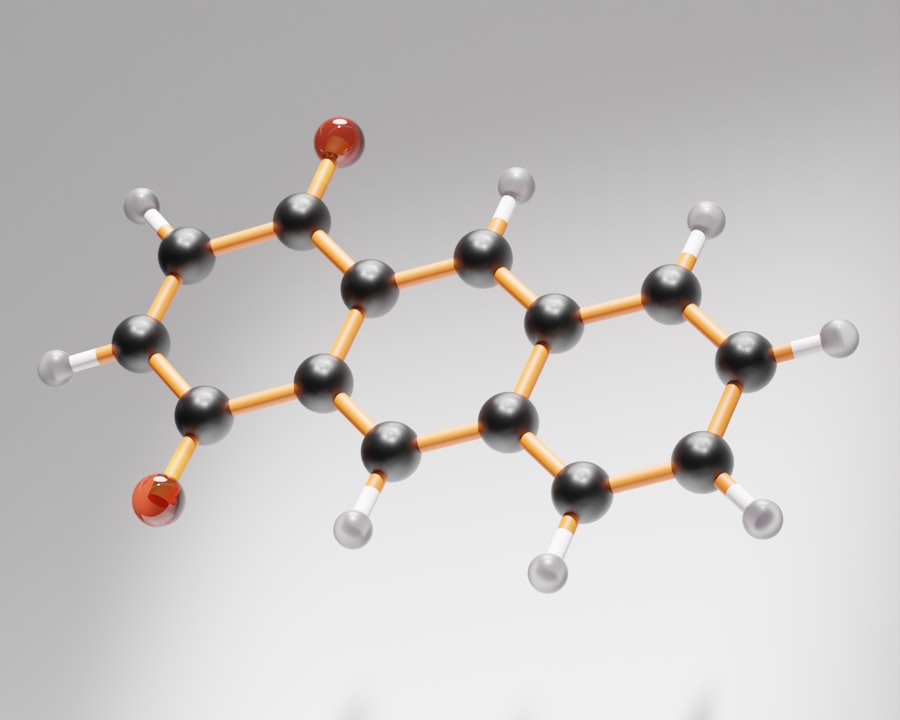
The pleasant taste of toothpaste is crucial for encouraging regular brushing, especially among children. To achieve this sweetness without relying on sugar, which would be detrimental to dental health, manufacturers often turn to artificial sweeteners. While these compounds provide a calorie-free flavor, their long-term effects and safety profiles continue to be scrutinized.
Saccharin: A Sweetener with a Past
Saccharin, one of the oldest artificial sweeteners, has been used in toothpaste for many years. While it was historically linked to cancer concerns in animal studies, extensive research has since determined that it is safe for human consumption at typical levels. Nevertheless, its presence in products intended for frequent oral contact warrants continued attention.
Sucralose: Bypassing the Body
Sucralose, another popular artificial sweetener, is often used in toothpaste. It is derived from sugar but is chemically modified to be non-caloric and resistant to metabolism, meaning it passes through the body largely unchanged.
Concerns about Microplastic and Environmental Impact
While the direct health impact of sucralose in toothpaste is generally considered minimal, some research has begun to explore the potential environmental consequences of its widespread use. As a chemical that is not fully metabolized, it can enter wastewater systems and potentially persist in the environment. While this is more of an ecological concern than a direct oral health issue in the context of toothpaste, it highlights the broader implications of the chemicals we introduce into our daily routines.
Xylitol: A Tooth-Friendly Sweetener
In contrast to some artificial sweeteners, xylitol stands out as a naturally occurring sugar alcohol that offers distinct oral health benefits. Derived from birch trees or corn, xylitol not only provides sweetness but also actively inhibits the growth of Streptococcus mutans, the primary bacteria responsible for tooth decay. It can also help to neutralize acids in the mouth. This dual action makes it a preferred sweetener for many in the natural oral care industry.
The Rise of Xylitol-Enhanced Toothpastes
The growing popularity of xylitol has led to an increasing number of toothpastes featuring it as a primary ingredient. These formulations aim to combine effective cleaning with proactive dental health benefits, offering a compelling alternative for those seeking to optimize their oral care beyond simple plaque removal.
Preservatives: Guarding Against Contamination
Toothpaste, like many consumable products, requires preservatives to prevent the growth of bacteria and mold, ensuring its safety and extending its shelf life. While essential for product integrity, some common preservatives have raised questions about their potential health effects when used consistently.
Parabens: A Persistent Presence
Parabens, a group of commonly used preservatives, have been a subject of controversy for years. Their ability to prevent microbial growth has made them a staple in cosmetics and personal care products, including toothpaste.
Endocrine Disruption Concerns
The primary concern surrounding parabens is their potential to act as endocrine disruptors. This means they can mimic estrogen in the body, potentially interfering with the normal functioning of hormones. While the levels of parabens in toothpaste are generally low, the cumulative exposure from a wide range of products has led to calls for their reduction or elimination.
Triclosan: A Controversial Antimicrobial
Triclosan, an antimicrobial agent, was once widely used in toothpaste to help fight gingivitis and plaque. However, its use has become increasingly controversial due to concerns about antibiotic resistance and potential endocrine disruption.
Regulatory Shifts and Toothpaste Reformulation
In response to mounting concerns, regulatory bodies have begun to restrict the use of triclosan in certain products, and many toothpaste manufacturers have voluntarily reformulated their products to remove it. This shift highlights the evolving understanding of chemical safety and the industry’s responsiveness to scientific evidence and public pressure.
Natural Preservatives: A Greener Approach
As consumer demand for “cleaner” products grows, manufacturers are increasingly exploring natural preservatives. These can include ingredients like essential oils (e.g., tea tree oil, peppermint oil), plant extracts, or mineral-based preservatives. While these alternatives are often perceived as safer, their efficacy and potential for allergenic reactions still require careful evaluation.
Concerns about dangerous chemicals in American toothpaste brands have been rising, prompting many consumers to seek safer alternatives. A related article discusses the potential risks associated with common ingredients found in popular toothpaste products and offers insights into how to choose healthier options. For more information on this important topic, you can read the article here.
Beyond the Basics: Other Ingredients of Note
| Toothpaste Brand | Dangerous Chemical | Concentration (%) | Potential Health Risk | Regulatory Status |
|---|---|---|---|---|
| Brand A | Triclosan | 0.3 | Endocrine disruption, antibiotic resistance | Banned in some countries, restricted in US |
| Brand B | Fluoride | 0.15 | Dental fluorosis, toxicity in high doses | Approved with limits by FDA |
| Brand C | Sodium Lauryl Sulfate (SLS) | 1.0 | Mouth irritation, canker sores | Generally recognized as safe |
| Brand D | Propylene Glycol | 2.0 | Skin irritation, potential allergen | Approved for cosmetic use |
| Brand E | Parabens | 0.05 | Possible hormone disruption | Restricted in some products |
The ingredient list of toothpaste extends beyond the core components, encompassing a range of other substances that contribute to its texture, color, flavor, and overall efficacy. Within this broader spectrum, a few ingredients warrant specific attention.
Propylene Glycol: A Humectant with a Reputation
Propylene glycol is a humectant, meaning it helps toothpaste retain moisture, preventing it from drying out. It also contributes to the smooth texture. While generally considered safe, some individuals may experience mild irritation or allergic reactions.
Debate Over Skin Sensitivity
While the primary exposure route for toothpaste is oral, there have been discussions about propylene glycol’s potential for skin sensitivity, particularly in higher concentrations. This has led some to seek out toothpaste formulations that avoid it.
Titanium Dioxide: The Whitening Agent
Titanium dioxide is a common ingredient used as a whitening agent and opacifier in toothpaste. It scatters light, making the paste appear brighter.
Nanoparticle Concerns and Inhalation Risks
Concerns have been raised about the use of nanoparticles of titanium dioxide. While the primary concern is often related to inhalation in industrial settings, the potential for microscopic particles to enter the bloodstream through oral absorption remains a subject of ongoing research and discussion within the scientific community.
Dyes and Colorants: A Spectrum of Choices
Toothpastes often contain artificial dyes and colorants to enhance their visual appeal. While regulated for safety, some consumers choose to avoid these artificial additives due to concerns about potential sensitivities or a general preference for natural ingredients.
The Allure of Natural Colorants
The shift towards natural ingredients has also extended to colorants, with manufacturers experimenting with plant-based dyes like spirulina, chlorophyll, or beetroot extract to achieve appealing shades without synthetic additives.
The landscape of toothpaste ingredients is a dynamic one, constantly evolving as new research emerges and consumer preferences shift. While the quest for a healthy, cavity-free smile is paramount, it is becoming increasingly evident that the ingredients we choose for this daily ritual warrant our attention. By understanding the potential benefits and drawbacks of common toothpaste components, consumers are empowered to make more informed decisions about their oral care, navigating the market with a critical eye and a commitment to their overall well-being. The toothpaste tube, a seemingly simple vessel of oral hygiene, can indeed hold a complex story, a reminder that even in our most routine practices, knowledge is the key to unlocking a healthier future.
WATCH NOW ▶️ WARNING: Why Your Shampoo Is Illegal In Europe
FAQs
What are some common dangerous chemicals found in American toothpaste brands?
Some common potentially harmful chemicals found in American toothpaste include triclosan, sodium lauryl sulfate (SLS), fluoride in excessive amounts, parabens, and artificial sweeteners like saccharin.
Why are these chemicals considered dangerous?
These chemicals can cause various health concerns such as allergic reactions, hormonal disruptions, toxicity if ingested in large amounts, and potential links to cancer or antibiotic resistance.
Are all American toothpaste brands unsafe due to these chemicals?
No, not all American toothpaste brands contain dangerous chemicals. Many brands offer formulations free from harmful substances, focusing on natural or organic ingredients.
How can consumers identify toothpaste with dangerous chemicals?
Consumers should read ingredient labels carefully, avoid products containing known harmful chemicals like triclosan or parabens, and look for certifications such as ADA approval or organic labels.
What are safer alternatives to toothpaste with dangerous chemicals?
Safer alternatives include toothpaste brands that use natural ingredients, fluoride-free options if recommended by a dentist, and products certified by reputable organizations for safety and efficacy.