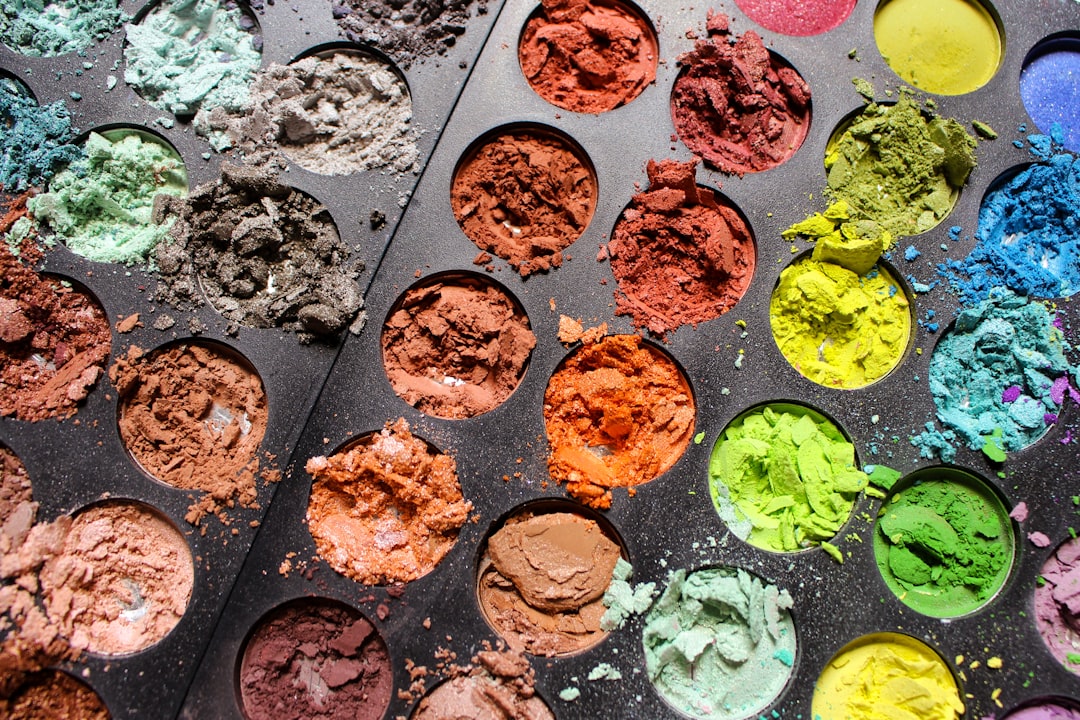
The issue of toxic heavy metals in cosmetic products has garnered considerable attention, particularly within the United States market. While the presence of these elements is often unintentional, a byproduct of raw material sourcing and manufacturing processes, their potential health implications warrant detailed examination. This article delves into the various facets of heavy metal contamination in US makeup brands, exploring the types of metals commonly found, their pathways into products, the associated health risks, and current regulatory frameworks.
Heavy metals, defined as metallic elements with relatively high density, are naturally occurring in the Earth’s crust. However, their accumulation in living organisms can lead to toxicity. In cosmetics, their presence is rarely deliberate; instead, it frequently stems from impurities in mineral-derived ingredients or contamination during production.
Common Heavy Metals of Concern
Several heavy metals are commonly identified in makeup products, each carrying distinct toxicological profiles.
- Lead (Pb): Lead is perhaps one of the most well-known and extensively studied heavy metal contaminants. It is frequently found as an impurity in color additives derived from naturally occurring mineral pigments. Even at low levels, lead exposure is a significant health concern, particularly due to its neurotoxic effects.
- Cadmium (Cd): Cadmium is another prevalent heavy metal contaminant, often present as an impurity in mineral pigments, especially those used to achieve red, orange, and yellow hues. Chronic exposure to cadmium can lead to kidney damage and bone demineralization.
- Arsenic (As): Arsenic can enter cosmetic products through contaminated raw materials, particularly clays and mineral-based ingredients. Both organic and inorganic forms of arsenic exist, with inorganic arsenic being significantly more toxic. Long-term exposure is associated with an increased risk of cancer.
- Chromium (Cr): While trivalent chromium (Cr(III)) is an essential trace element, hexavalent chromium (Cr(VI)) is a potent carcinogen. Chromium can be found as an impurity in mineral pigments and can also result from manufacturing processes.
- Nickel (Ni): Nickel is a common skin sensitizer and allergen. It can be present as an impurity in various cosmetic ingredients, including certain pigments and metal-based packaging components.
- Mercury (Hg): Historically, mercury compounds were intentionally added to some cosmetics, particularly skin-lightening creams. While largely banned in many countries, trace amounts can still be found illicitly or as cross-contamination. Mercury is a neurotoxin and can damage the kidneys.
Pathways of Contamination
The journey of heavy metals from the earth to a consumer’s makeup bag is multifaceted, often resembling an intricate network of interconnected streams.
- Raw Material Impurities: The most significant source of heavy metal contamination is the raw materials themselves. Many cosmetic ingredients, especially mineral-based pigments like iron oxides, titanium dioxide, and mica, are mined from the earth. These minerals are naturally intertwined with various heavy metals, which can then be carried through the refining process and into the final product.
- Manufacturing Processes: Contamination can also occur during the manufacturing stage. Machinery made of certain metals can leach into the product, or impurities in water used in formulations can introduce heavy metals. Inadequate cleaning protocols between batches can also lead to cross-contamination.
- Environmental Contamination: While less direct, environmental factors can contribute to heavy metal presence. For instance, plants used in botanical extracts, if grown in contaminated soil, can absorb heavy metals, which then find their way into cosmetic formulations.
Recent concerns have emerged regarding the presence of toxic heavy metals in makeup products from various U.S. brands, raising alarm among consumers about the safety of their beauty routines. An insightful article that delves into this issue can be found at Hey Did You Know This, which explores the potential health risks associated with these contaminants and offers guidance on how to choose safer cosmetics.
Health Implications of Exposure
The human body is an intricate system, and the introduction of exogenous substances like heavy metals can disrupt its delicate balance. The health risks associated with heavy metal exposure from cosmetics are generally considered to be chronic and cumulative, rather than acute, mirroring the slow erosion of stone under constant dripping water.
Neurotoxic Effects
Several heavy metals, most notably lead and mercury, exert significant neurotoxic effects.
- Cognitive Impairment: Lead exposure, even at low levels, has been linked to decreased cognitive function, learning disabilities, and behavioral problems, particularly in children. Its presence in lip products, which can be inadvertently ingested, is therefore of particular concern.
- Developmental Delays: For developing fetuses and young children, heavy metal exposure can interfere with brain development, leading to long-term neurological deficits.
Carcinogenic Potential
Some heavy metals are classified as human carcinogens, meaning they have the potential to cause cancer.
- Arsenic and Cadmium: Both arsenic and cadmium are known carcinogens. Long-term exposure through various routes, including potential skin absorption or ingestion from cosmetics, can increase the risk of various cancers, including skin, lung, and bladder cancer.
- Chromium (Hexavalent): Hexavalent chromium is a potent carcinogen with particular links to lung cancer when inhaled. While skin exposure is a different pathway, the long-term effects of dermal absorption of chromium (VI) from cosmetics remain a subject of ongoing research.
Concerns about toxic heavy metals in makeup have been gaining attention, especially regarding popular brands in the United States. Many consumers are unaware that some cosmetics may contain harmful substances like lead and arsenic, which can pose serious health risks over time. For those interested in learning more about this pressing issue, a related article discusses the prevalence of these contaminants in various makeup products and offers insights into safer alternatives. You can read it here: this informative piece.
Allergic Reactions and Skin Irritation
Certain heavy metals are well-known allergens and can trigger adverse skin reactions.
- Nickel Allergy: Nickel is a very common contact allergen. Exposure to nickel in cosmetics, even at trace levels, can cause contact dermatitis, characterized by redness, itching, and rashes in individuals sensitized to nickel. This is a prevalent issue, affecting a significant portion of the population.
- Chromium Allergy: Similar to nickel, chromium can also induce allergic contact dermatitis in sensitive individuals.
Organ System Damage
Beyond neurological and carcinogenic effects, heavy metals can also cause damage to various internal organs.
- Kidney Damage: Cadmium and mercury are nephrotoxic, meaning they can damage the kidneys, impairing their ability to filter waste products from the blood.
- Liver Damage: Some heavy metals, including copper (when in excess) and iron, can accumulate in the liver, leading to oxidative stress and liver damage over time. While cosmetic exposure is generally lower, cumulative exposure from various sources can contribute to the overall body burden.
- Reproductive Toxicity: Certain heavy metals, such as lead and cadmium, have been associated with adverse reproductive outcomes, including reduced fertility and complications during pregnancy.
Regulatory Landscape in the US
The regulatory environment surrounding cosmetics in the United States differs from that of pharmaceuticals, often described as a patchwork of regulations rather than a tightly woven fabric. The Food and Drug Administration (FDA) is the primary regulatory body, but its authority over cosmetics is less stringent than over drugs.
FDA’s Approach to Cosmetics Safety
The FDA generally operates under the assumption that cosmetic manufacturers are responsible for ensuring the safety of their products before they are marketed. Unlike drugs, cosmetics do not require pre-market approval by the FDA, with the exception of color additives.
- Color Additive Certification: The FDA does require certification for most color additives used in cosmetics. This process involves reviewing the composition and purity of the color additive, and it is during this review that the presence of heavy metal impurities is often scrutinized. However, not all color additives are subject to this certification process, particularly those derived from some natural sources.
- Adulteration and Misbranding: The FDA can take action against cosmetics that are “adulterated” or “misbranded.” Adulteration can include products containing poisonous or deleterious substances that may render the product injurious to users under customary conditions of use. Heavy metals at certain levels could fall under this category.
- Voluntary Reporting: The FDA relies heavily on voluntary reporting from manufacturers and consumers regarding adverse events. This passive surveillance system can make it challenging to identify widespread issues quickly.
State-Level and Industry Initiatives
Due to perceived gaps in federal oversight, some states and industry organizations have initiated their own measures to address heavy metal contamination.
- California’s Proposition 65: California’s Safe Drinking Water and Toxic Enforcement Act of 1986, commonly known as Proposition 65, requires businesses to provide warnings to Californians about significant exposures to chemicals that cause cancer or birth defects or other reproductive harm. This has prompted many cosmetic companies to reformulate products or add warnings for chemicals on the Proposition 65 list, which includes numerous heavy metals.
- Industry Self-Regulation: Some cosmetic industry associations and individual brands have adopted stricter internal standards regarding heavy metal limits than those mandated by the FDA. This often involves rigorous testing of raw materials and finished products, and a movement towards “clean beauty” formulations that prioritize minimal processing and transparency.
- Third-Party Certifications: A growing number of third-party certification bodies offer seals of approval for cosmetic products that meet specific criteria, often including stringent limits for heavy metal contamination. These certifications provide consumers with an additional layer of assurance.
Consumer Empowerment and Advocacy
In the absence of comprehensive and proactive federal regulation, consumers themselves become crucial actors in driving change, much like a steady current eroding a riverbed.
Informed Purchase Decisions
Consumers play a pivotal role through their purchasing power and demand for transparency.
- Reading Ingredient Labels: Familiarity with common ingredient names associated with potential heavy metal contamination (e.g., specific mineral pigments) can empower consumers to make more informed choices. However, ingredient lists often do not specify purity levels.
- Researching Brands: Investigating brands that openly share their testing protocols, ingredient sourcing, and heavy metal limits can help consumers identify those committed to safety. Websites of advocacy groups and independent testing organizations often provide valuable resources.
- Utilizing Consumer Databases: Several non-profit organizations maintain online databases that assess the safety of cosmetic products, including heavy metal content, based on available research and product information. The Environmental Working Group’s (EWG) Skin Deep® database is a prominent example.
Advocacy for Stronger Regulation
Beyond individual choices, collective action is essential to advocate for more robust regulatory frameworks.
- Contacting Legislators: Engaging with elected officials to express concerns about cosmetic safety and advocate for stricter regulations on heavy metal contamination can influence policy.
- Supporting Advocacy Groups: Organizations dedicated to chemical safety and public health often spearhead efforts to push for legislative reform and raise public awareness. Financial support or active participation in these groups can amplify their impact.
- Sharing Experiences: Reporting adverse reactions to health authorities like the FDA can contribute to their surveillance efforts and highlight patterns of concern. Consumer reports can often serve as an early warning system.
The Future of Cosmetic Safety
The landscape of cosmetic safety regarding heavy metals is continuously evolving. Scientific advancements in analytical chemistry allow for the detection of even trace amounts of these contaminants, and a growing understanding of their long-term health effects fuels the demand for safer products. As public awareness increases, and the industry responds with greater transparency and commitment to cleaner manufacturing, the hope is that the presence of toxic heavy metals in US makeup brands will diminish significantly, allowing consumers to use these products with greater confidence and peace of mind. The journey towards truly safe cosmetics is an ongoing one, but with informed consumers, responsible manufacturers, and proactive regulators, it is an achievable destination.
WATCH NOW ▶️ WARNING: Why Your Shampoo Is Illegal In Europe
FAQs
What are toxic heavy metals commonly found in US makeup brands?
Toxic heavy metals such as lead, mercury, cadmium, arsenic, and chromium can sometimes be found in trace amounts in makeup products. These metals may enter cosmetics through contaminated raw materials or manufacturing processes.
Are toxic heavy metals in makeup harmful to health?
Yes, prolonged exposure to toxic heavy metals can pose health risks. For example, lead exposure can affect the nervous system, mercury can damage kidneys and the brain, and cadmium is linked to cancer. However, the levels in most regulated cosmetics are typically low.
How do toxic heavy metals get into makeup products?
Heavy metals can contaminate makeup through natural mineral pigments, contaminated ingredients, or during manufacturing. Some color additives derived from minerals may contain trace metals if not properly purified.
Are US makeup brands regulated for heavy metal content?
The US Food and Drug Administration (FDA) regulates cosmetics but does not set specific limits for heavy metals in makeup. However, the FDA monitors products and can take action if products are found to be unsafe or mislabeled.
How can consumers avoid toxic heavy metals in makeup?
Consumers can reduce risk by choosing products from reputable brands, checking for third-party testing or certifications, avoiding products with suspicious ingredients, and staying informed about recalls or safety alerts related to cosmetics.