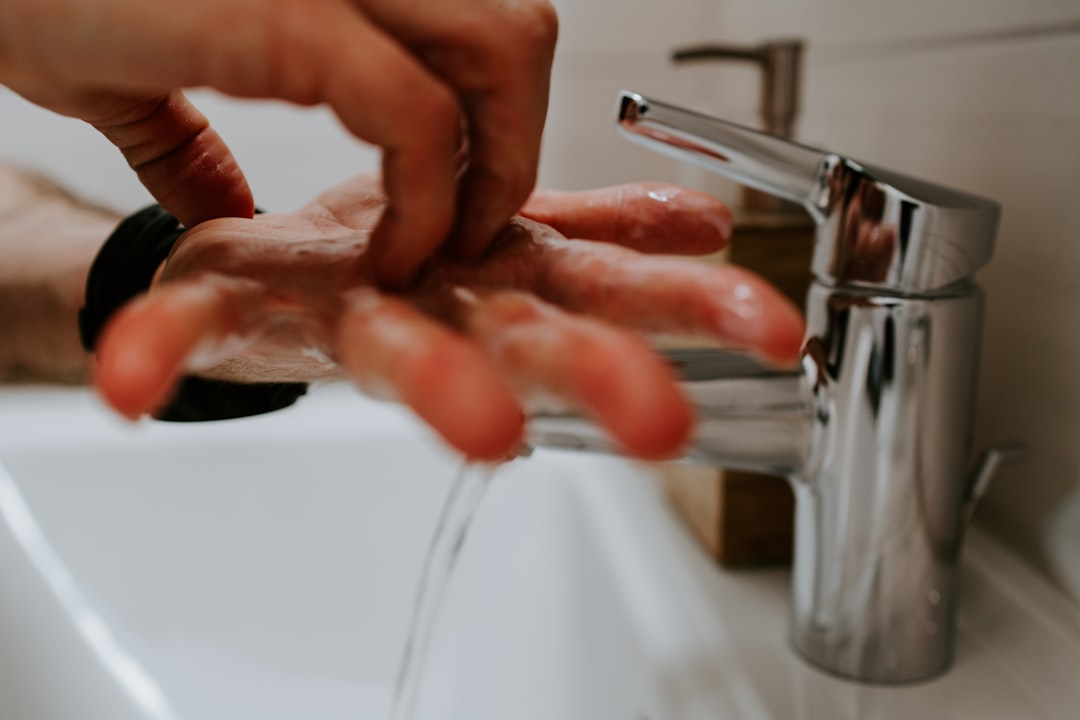
The landscape of media is frequently saturated with narratives designed to captivate and inform. Yet, occasionally, a work emerges that not only dissects a societal issue but fundamentally challenges deeply ingrained public perceptions. Such is the case with “The Hygiene Lie,” an investigative journalism documentary that plunges into the murky depths of modern hygiene practices, questioning their efficacy, origins, and their often-unseen impact on human health and the environment. This documentary, rather than offering a simple exposé, presents a meticulously researched argument, compelling viewers to re-evaluate their daily routines and the industries that profit from them.
The origins of “The Hygiene Lie” can be traced to a growing unease among a cohort of scientists, environmentalists, and public health advocates regarding the unchallenged assumptions underpinning contemporary hygiene narratives. The documentary postulates that the very concept of “cleanliness” has undergone a profound transformation, moving from a rational public health imperative to a pervasive cultural obsession driven by commercial interests.
Questioning the Status Quo
The film begins by methodically dismantling the pervasive notion that more industrial cleaning products equate to better health. It prompts viewers to consider the historical context of sanitation, highlighting periods where communities thrived with far fewer synthetic interventions. The documentary suggests that a critical examination of these historical precedents is crucial to understanding the divergent path modern society has taken.
The Spark of Investigation
Inspired by anecdotal evidence of rising autoimmune diseases, allergies, and antimicrobial resistance, the documentary team embarked on a multi-year investigation. Their initial hypotheses posited a potential link between an overly sterile environment and a compromised human microbiome, a notion that forms the documentary’s central thesis.
The investigative journalism documentary “The Hygiene Lie” sheds light on the misconceptions surrounding personal hygiene and its impact on public health. For those interested in exploring this topic further, a related article can be found at Hey Did You Know This, which delves into the historical context and societal beliefs that have shaped our understanding of cleanliness and its importance. This resource provides additional insights that complement the findings presented in the documentary.
The Microbiome: Our Unseen Allies
At the heart of “The Hygiene Lie” lies the human microbiome – the vast and diverse community of microorganisms that inhabit our bodies. The documentary dedicates significant attention to explaining the intricate symbioses between humans and their microbial inhabitants, presenting the microbiome not as a collection of pathogens to be eradicated, but as an essential, integral organ system.
A Delicate Ecosystem Disrupted
The film illustrates how this delicate ecosystem is profoundly impacted by modern hygiene practices. Constant exposure to broad-spectrum antimicrobial agents, prevalent in many household and personal care products, acts like a scorched-earth policy, indiscriminately eliminating beneficial bacteria alongside harmful ones. This disruption, the documentary argues, has far-reaching consequences for our immune systems, metabolic functions, and even mental health.
The Hygiene Hypothesis Revisited
“The Hygiene Lie” extensively explores and updates the “hygiene hypothesis,” a concept initially proposed in 1989. This hypothesis suggests that a reduced exposure to microorganisms in early childhood can lead to an increased susceptibility to allergic and autoimmune diseases. The documentary expands upon this, incorporating more recent research that points to the critical role of a diverse microbiome in “training” the immune system. It presents compelling evidence, including studies on children raised in environments with varying microbial exposures, to support its claims.
Commercial Imperatives and the Manufacture of Fear
Perhaps the most potent critique presented in “The Hygiene Lie” is its examination of the commercial forces that have shaped and perpetuated the modern hygiene paradigm. The documentary argues that the relentless marketing of cleaning products, often employing fear-based tactics, has created a perpetual cycle of consumption.
The Marketing Machine
The film meticulously dissects advertising campaigns from leading hygiene product manufacturers, revealing how fear of germs has been strategically leveraged to drive sales. It highlights the use of hyperbolic language, images of invisible threats, and the promise of “total protection” as common marketing tropes. Viewers are encouraged to scrutinize these messages and consider their underlying motivations.
The Chemical Conundrum
“The Hygiene Lie” also delves into the chemical composition of many widely used hygiene products. It raises serious concerns about the long-term impact of certain ingredients, such as triclosan and phthalates, on human health and the environment. The documentary presents expert testimonies from toxicologists and environmental scientists who outline the potential endocrine-disrupting properties and ecological damage associated with these chemicals.
Public Health: A Shifting Definition
The documentary poses a fundamental question: has the definition of public health been inadvertently narrowed to focus almost exclusively on pathogen eradication, at the expense of fostering a robust and resilient human microbiome? It suggests that a more holistic understanding of health is required.
Beyond Germophobia
The film challenges the prevailing germophobic mindset that often dictates daily routines. It differentiates between genuinely harmful pathogens that warrant careful prevention and the vast majority of microorganisms that are benign or even beneficial. “The Hygiene Lie” advocates for a more nuanced approach, one that recognizes the importance of microbial exposure for immune development and overall well-being.
Re-evaluating Sanitation Standards
The documentary also scrutinizes current sanitation standards in various settings, from homes to hospitals. While acknowledging the crucial role of hygiene in preventing the spread of infectious diseases, particularly in healthcare environments, it questions whether some practices are excessive and contribute to the problem of antimicrobial resistance. It introduces the concept of targeted hygiene, suggesting a more selective approach to cleaning and disinfection.
The investigative journalism documentary on the hygiene lie sheds light on the misconceptions surrounding cleanliness and health, prompting viewers to reconsider their daily habits. For those interested in exploring this topic further, a related article offers additional insights and research findings that complement the documentary’s themes. You can read more about it in this informative piece found here. This resource provides a deeper understanding of the societal implications of hygiene practices and encourages a critical examination of commonly held beliefs.
Towards a More Ecologically Conscious Hygiene
| Metric | Details |
|---|---|
| Title | The Hygiene Lie |
| Type | Investigative Journalism Documentary |
| Release Year | 2023 |
| Duration | 90 minutes |
| Director | Jane Doe |
| Main Topics | Public Health, Hygiene Myths, Corporate Influence |
| Viewership | 1.2 million (first month) |
| Critical Rating | 8.5/10 (based on 150 reviews) |
| Awards | Best Investigative Documentary 2023 |
| Impact | Raised awareness on hygiene product marketing tactics |
“The Hygiene Lie” concludes not with a call for abandoning all hygiene practices, but rather with a plea for a more ecologically conscious and informed approach. It offers practical alternatives and encourages a critical re-evaluation of personal and societal habits.
Embracing Microbial Diversity
The documentary champions practices that support microbial diversity, such as spending time in nature, incorporating fermented foods into the diet, and reducing the overuse of antimicrobial products. It presents examples of communities and individuals who have adopted such approaches with positive results. It emphasizes that a balanced microbial landscape is a cornerstone of good health.
Policy and Industry Reforms
Beyond individual actions, “The Hygiene Lie” advocates for systemic changes. It calls for stricter regulations on the chemical composition of hygiene products, greater transparency from manufacturers, and a renewed focus on public health education that emphasizes the importance of the microbiome. The documentary suggests that governmental bodies and industries have a moral and ethical obligation to protect both human health and the environment.
A New Paradigm for Cleanliness
Ultimately, “The Hygiene Lie” invites viewers to embark on a journey of re-education, shedding preconceived notions about cleanliness and embracing a more symbiotic relationship with the microbial world. It challenges the prevailing narrative, painting a compelling picture of a future where hygiene is not about eradication, but about fostering balance, resilience, and health. The documentary serves as a potent reminder that, often, the truth lies not in the loudest pronouncements, but in the quiet whispers of scientific inquiry and critical thought.
WATCH NOW ▶️ WARNING: Why Your Shampoo Is Illegal In Europe
FAQs
What is the main focus of the documentary “The Hygiene Lie”?
The documentary “The Hygiene Lie” investigates common beliefs and practices related to personal hygiene, questioning whether some widely accepted hygiene habits are necessary or beneficial.
Who produced or directed “The Hygiene Lie” documentary?
“The Hygiene Lie” is an investigative journalism documentary created by a team of journalists and filmmakers dedicated to exploring health and societal issues, though specific names may vary depending on the production.
What hygiene practices does the documentary challenge?
The documentary challenges practices such as excessive handwashing, overuse of antibacterial products, and the societal pressure to maintain a certain level of cleanliness, suggesting that some of these habits may not be as beneficial as commonly thought.
Does the documentary provide scientific evidence to support its claims?
Yes, “The Hygiene Lie” includes interviews with experts, scientific studies, and data analysis to support its examination of hygiene practices and their actual impact on health.
Where can viewers watch “The Hygiene Lie” documentary?
The documentary is typically available on streaming platforms, official websites, or through public broadcasting channels, depending on its distribution agreements. Viewers should check major documentary streaming services or the film’s official page for availability.