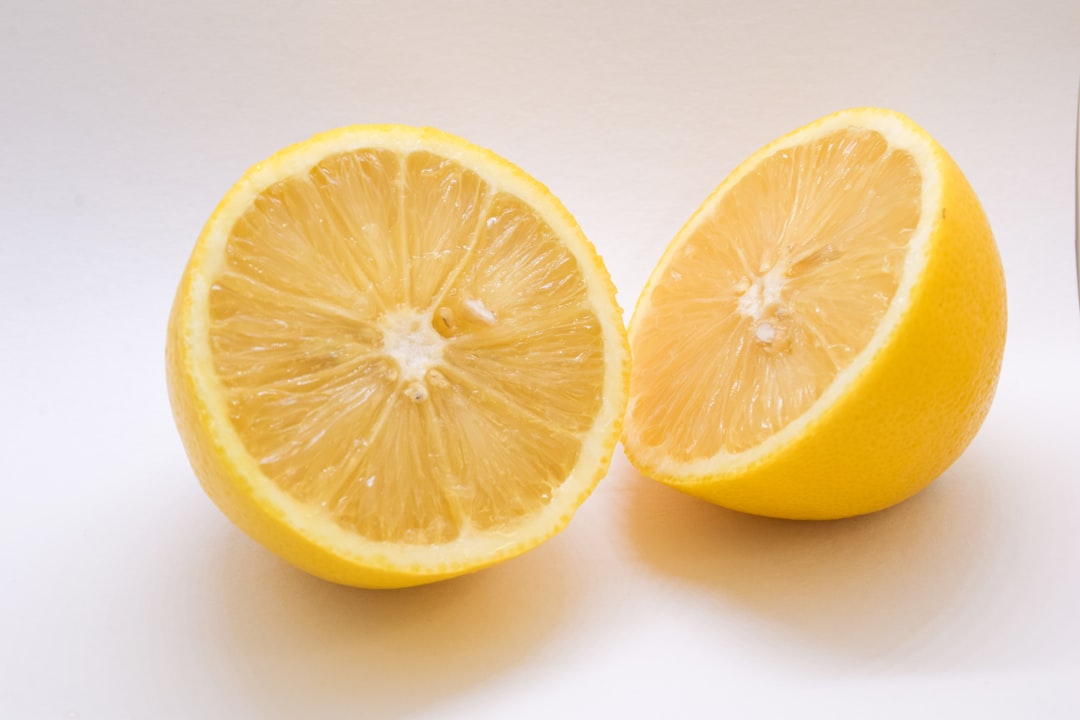
The allure of a freshly cleaned home, imbued with the zesty brightness of citrus, is a powerful sensory promise. Manufacturers have long harnessed this association, infusing cleaning products with artificial citrus fragrances to signal purity, freshness, and efficacy. This olfactory shortcut, however, often masks a more complex reality. Beyond the immediate pleasant aroma lies a hidden landscape of chemical transformations, where seemingly innocuous ingredients can give rise to secondary pollutants, silently impacting indoor air quality and potentially posing risks to human health and the environment. This article delves into the intricate processes by which common citrus-scented cleaning agents contribute to the formation of these insidious airborne contaminants, exploring their sources, their transformations, and their wider implications.
The Citrus Aroma: A Fragrant Facade
Recent studies have highlighted the impact of citrus-scented cleaners on air quality, particularly concerning the formation of secondary pollutants. These cleaners, while popular for their pleasant aroma, can react with other airborne compounds to produce harmful substances like ozone and particulate matter. For a deeper understanding of this issue and its implications for indoor air quality, you can read more in the related article found at Hey Did You Know This.
The Chemical Foundation of Citrus Scents
The vibrant scent of citrus is a complex symphony orchestrated by a group of volatile organic compounds (VOCs), primarily terpenes. Limonene, a bicyclic monoterpene, is the undisputed star of this show, accounting for a significant portion of the characteristic orange and lemon fragrance. It is abundantly present in citrus peels and is a popular additive in both natural and synthetic cleaning products. Other terpenes, such as pinene and myrcene, may also be present, contributing nuanced notes to the overall aroma.
The Ubiquity of Limonene in Household Products
Limonene’s appeal extends beyond its pleasant smell. It possesses excellent solvent properties, making it effective at dissolving grease, oils, and grime. This dual functionality – its scent and its cleaning power – has cemented its place as a go-to ingredient for countless household cleaning products. From all-purpose sprays and dish soaps to floor cleaners and laundry detergents, the cheerful yellow and orange labels often bear testament to the presence of limonene, a veritable olfactory beacon of cleanliness. Its use is not limited to artificial fragrances; it is also extracted from natural citrus sources, further bolstering its perception as a “green” or “natural” ingredient.
Beyond the Surface: The Reactive Nature of Limonene
While limonene’s solvent capabilities are celebrated, its chemical structure, characterized by an unsaturated double bond, also makes it highly reactive. This inherent reactivity is the primary driver behind the formation of secondary pollutants. When limonene is released into the indoor environment, it does not simply dissipate. Instead, it embarks on a cascade of atmospheric chemistry, interacting with other components within the air.
Recent studies have highlighted the impact of citrus-scented cleaners on air quality, particularly concerning the formation of secondary pollutants. These cleaners often contain volatile organic compounds that can react with other atmospheric elements, leading to the creation of harmful substances like ozone. For more insights on this topic, you can read a related article that discusses the implications of using such products in our homes and their effects on indoor air quality. To learn more, visit this article.
The Unseen Transformations: From Limonene to Pollution
The Dance with Ozone: A Catalytic Conversion
One of the most significant pathways for limonene transformation involves its reaction with ozone (O₃), an atmospheric oxidant commonly found indoors, particularly in environments with elevated levels of particulate matter and certain electronic devices. Ozone, a powerful oxidizing agent, readily attacks the double bond in limonene, initiating a complex series of oxidation reactions. This “dance with ozone,” as it were, is a critical juncture where the fragrant terpene begins its metamorphosis into more problematic compounds.
- Ozonolysis of Limonene: The ozonolysis of limonene is a well-studied reaction that yields a variety of oxygenated products. The initial attack of ozone cleaves the double bond, leading to the formation of carbonyl compounds. These intermediates, though often transient, are the building blocks for the secondary pollutants that emerge.
- Formation of Aldehydes and Ketones: Among the primary products of limonene ozonolysis are various aldehydes and ketones. These include compounds like limonaldhyde, perillaldehyde, and carvone, many of which possess their own distinct odors, often less pleasant and more pungent than the original citrus scent. These can contribute to the lingering, stale smell sometimes associated with poorly ventilated spaces after cleaning.
A Cascade of Oxidative Reactions
The initial ozonolysis is just the beginning of a longer chain of oxidative processes. The intermediates formed can undergo further reactions with hydroxyl radicals (•OH), another ubiquitous oxidant in indoor air, or with themselves. This cascade of reactions leads to the formation of a wider array of secondary pollutants. Think of it like a single spark igniting a chain reaction in a dry forest; the initial event, the limonene-ozone interaction, sets off a series of subsequent releases and transformations.
- The Role of Hydroxyl Radicals: Hydroxyl radicals are highly reactive species that play a crucial role in atmospheric chemistry. They can abstract hydrogen atoms or add to double bonds, further oxidizing organic molecules. In the context of indoor air, they readily react with VOCs like limonene and its ozonolysis products, driving the formation of smaller, more volatile, and potentially more harmful compounds.
- Fragmentation and Rearrangement: The oxidative processes can lead to the fragmentation of the limonene molecule, breaking it down into smaller organic molecules. Rearrangement reactions can also occur, altering the molecular structure and potentially changing the properties of the resulting compounds.
The Emerging Threats: Specific Secondary Pollutants
The Menace of Organic Peroxides and Epoxides
A particularly concerning group of secondary pollutants formed from limonene oxidation are organic peroxides and epoxides. These are highly reactive and unstable compounds that can pose significant health risks.
- Peroxy Radicals as Intermediates: During the oxidation of limonene, peroxy radicals are important intermediates. These radicals can then react with other molecules or undergo self-reactions to form organic peroxides.
- Epoxidation of the Double Bond: The presence of the double bond in limonene also makes it susceptible to epoxidation, a process where an oxygen atom is inserted across the double bond, forming a three-membered ring containing an oxygen atom (an epoxide). Epoxides are known for their reactivity and can be potent irritants and potential mutagens.
The Problem of Ultra-Fine Particles
The reactions of limonene with ozone and other oxidants can also lead to the formation of new particles in the air, particularly ultra-fine particles (UFPs) with a diameter of less than 100 nanometers. These tiny particles are of particular concern because of their ability to penetrate deep into the respiratory system.
- Nucleation and Condensation: The oxidation products of limonene can act as seeds for new particle formation through nucleation. Existing organic molecules can also condense onto these nascent particles, leading to their growth. This process effectively transforms gaseous pollutants into solid or liquid particulate matter.
- Health Implications of UFPs: Ultra-fine particles are known to cause inflammation in the airways and can exacerbate pre-existing respiratory conditions like asthma and bronchitis. Their small size allows them to bypass the body’s natural defense mechanisms and enter the bloodstream, potentially impacting other organs.
The Alarming Rise of Secondary Organic Aerosols (SOAs)
The most significant environmental and health concern stemming from limonene oxidation is the formation of Secondary Organic Aerosols (SOAs). SOAs are a major component of ambient particulate matter and are formed through the atmospheric oxidation of volatile organic compounds. Limonene, being a highly reactive VOC, is a potent precursor to SOAs, especially in indoor environments where concentrations can be elevated.
- Contribution to Indoor Air Pollution: SOAs formed from limonene contribute substantially to the overall organic aerosol burden in indoor air. These complex mixtures of oxidized organic compounds can have adverse health effects and also influence the optical properties of the atmosphere.
- Impact on Atmospheric Chemistry and Climate: While this article focuses on indoor pollution, it is important to note that SOAs also play a role in outdoor air quality, influencing visibility and participating in atmospheric chemical cycles. Their formation contributes to the complex web of interactions that define our atmospheric environment.
The Health Repercussions: More Than Just a Stuffy Nose
Respiratory Distress and Sensitization
The inhalation of secondary pollutants generated from citrus-scented cleaners can trigger a range of respiratory issues. The irritant properties of many of these compounds can inflame the delicate tissues of the lungs.
- Irritation of Airways: Aldehydes and other oxygenated VOCs can directly irritate the nasal passages, throat, and lungs, leading to symptoms such as coughing, wheezing, and shortness of breath. This is akin to a relentless, invisible sandblaster working on the sensitive lining of your respiratory system.
- Exacerbation of Asthma and Allergies: For individuals with pre-existing respiratory conditions like asthma or allergies, exposure to these secondary pollutants can act as a potent trigger, leading to more severe and frequent attacks. The inflammatory response can heighten the reactivity of already sensitive airways.
Potential for Carcinogenicity and Mutagenicity
Some of the secondary pollutants formed, particularly epoxides, have raised concerns due to their potential carcinogenic and mutagenic properties. While direct causal links in humans from typical household exposure are still under investigation, the presence of such reactive molecules warrants caution.
- DNA Damage: Epoxides are electrophilic and can react with nucleophilic sites in cellular macromolecules, including DNA. This interaction can lead to DNA adducts, which can cause mutations and potentially lead to cancer.
- Ongoing Research and Precautionary Principle: The scientific community continues to research the long-term health effects of chronic low-level exposure to these secondary pollutants. In the meantime, the precautionary principle suggests minimizing exposure to substances with known or suspected harmful properties.
Systemic Health Concerns
Beyond the immediate respiratory effects, there is growing evidence suggesting that prolonged exposure to indoor air pollutants, including those derived from cleaning products, may contribute to a wider range of health issues.
- Neurotoxicity: Some volatile organic compounds have been linked to neurotoxic effects, impacting cognitive function and mood. While the direct role of limonene-derived secondary pollutants in this is an active area of research, the general impact of indoor air quality on neurological health is a recognized concern.
- Cardiovascular Health: Emerging research is also exploring the potential links between exposure to particulate matter, including SOAs, and cardiovascular diseases. The ultra-fine particles, in particular, can enter the bloodstream, potentially contributing to inflammation and other cardiovascular issues.
Mitigating the Lingering Shadows: Towards Safer Cleaning
Understanding and Labeling: The First Line of Defense
Consumers often rely on the perceived “naturalness” or “freshness” of citrus scents to guide their purchasing decisions. A greater understanding of the chemical transformations that occur is crucial for making informed choices.
- Decoding Ingredient Lists: While precise breakdowns of all reaction products are not feasible on product labels, consumers can look for ingredients known to be high in terpenes, such as limonene, and consider alternatives. The challenge lies in the fact that even “natural” citrus extracts are rich in these reactive compounds.
- The Role of Scented vs. Unscented: Opting for unscented or “fragrance-free” cleaning products, while not entirely eliminating the risk of secondary pollutant formation from other ingredients, significantly reduces the contribution of reactive VOCs like limonene. This is akin to removing one major fuel source from a potential fire.
Ventilation: The Breath of Fresh Air
Adequate ventilation is a cornerstone of maintaining good indoor air quality and is especially important when using cleaning products, regardless of their scent.
- Dilution is the Solution: Opening windows and doors during and after cleaning allows for the exchange of indoor air with fresh outdoor air, diluting the concentration of both primary and secondary pollutants. This is like opening a vent to let out a smoky room.
- Mechanical Ventilation Systems: Employing exhaust fans in kitchens and bathrooms and utilizing whole-house ventilation systems can continuously improve air circulation and reduce the build-up of indoor pollutants.
Alternative Cleaning Strategies: A Greener Path Forward
The recognition of the hidden dangers of citrus-scented cleaners is driving innovation and promoting the adoption of alternative cleaning methods.
- Embracing Simpler Ingredients: Many effective cleaning tasks can be accomplished with basic, less reactive ingredients like vinegar, baking soda, and water. These alternatives often lack the volatile terpenes that are prone to forming secondary pollutants.
- Focus on Physical Removal: Emphasis on proper scrubbing, wiping, and vacuuming techniques can physically remove dirt and grime, often reducing the need for harsh chemical cleaners and their associated fragrant additives. This mechanical approach bypasses the need for chemical reactions altogether.
Conclusion: A Call for Conscious Cleaning
The pleasant aroma of citrus-scented cleaning products, while appealing to our senses, should not blind us to the underlying chemical realities. The transformation of volatile terpenes like limonene into a cocktail of secondary pollutants, including ultra-fine particles and organic aerosols, presents a silent threat to our indoor environments. As consumers, we possess the power to influence this landscape through our purchasing choices and our cleaning habits. By understanding the hidden dangers, embracing ventilation, and exploring alternative cleaning strategies, we can move towards a future where our homes are not only clean but also truly healthy. The pursuit of freshness should not come at the cost of our well-being, and by making conscious choices, we can ensure that the only lingering scent in our homes is the genuine one of health and comfort.
WATCH NOW ▶️ WARNING: Why Your Shampoo Is Illegal In Europe
FAQs
What are secondary pollutants in the context of citrus scented cleaners?
Secondary pollutants are harmful chemicals that are not originally present in the cleaner but form when the cleaner’s ingredients react with other substances in the environment, such as ozone or sunlight. In citrus scented cleaners, compounds like limonene can react to create these secondary pollutants.
How do citrus scented cleaners contribute to the formation of secondary pollutants?
Citrus scented cleaners often contain volatile organic compounds (VOCs) like limonene. When these VOCs are released into the air, they can react with atmospheric oxidants such as ozone, leading to the formation of secondary pollutants like formaldehyde and fine particulate matter.
Are secondary pollutants from citrus scented cleaners harmful to health?
Yes, secondary pollutants such as formaldehyde and fine particulate matter can pose health risks. Exposure to these pollutants may cause respiratory irritation, allergic reactions, and exacerbate conditions like asthma or other respiratory diseases.
Can the use of citrus scented cleaners indoors increase indoor air pollution?
Yes, using citrus scented cleaners indoors can increase indoor air pollution by releasing VOCs that react to form secondary pollutants. Poor ventilation can exacerbate this effect, leading to higher concentrations of harmful compounds inside homes or workplaces.
How can one reduce the formation of secondary pollutants when using citrus scented cleaners?
To reduce secondary pollutant formation, use citrus scented cleaners in well-ventilated areas, limit the amount used, and consider using cleaners with lower VOC content. Additionally, avoiding the use of these cleaners during times of high outdoor ozone levels can help minimize reactions that produce secondary pollutants.