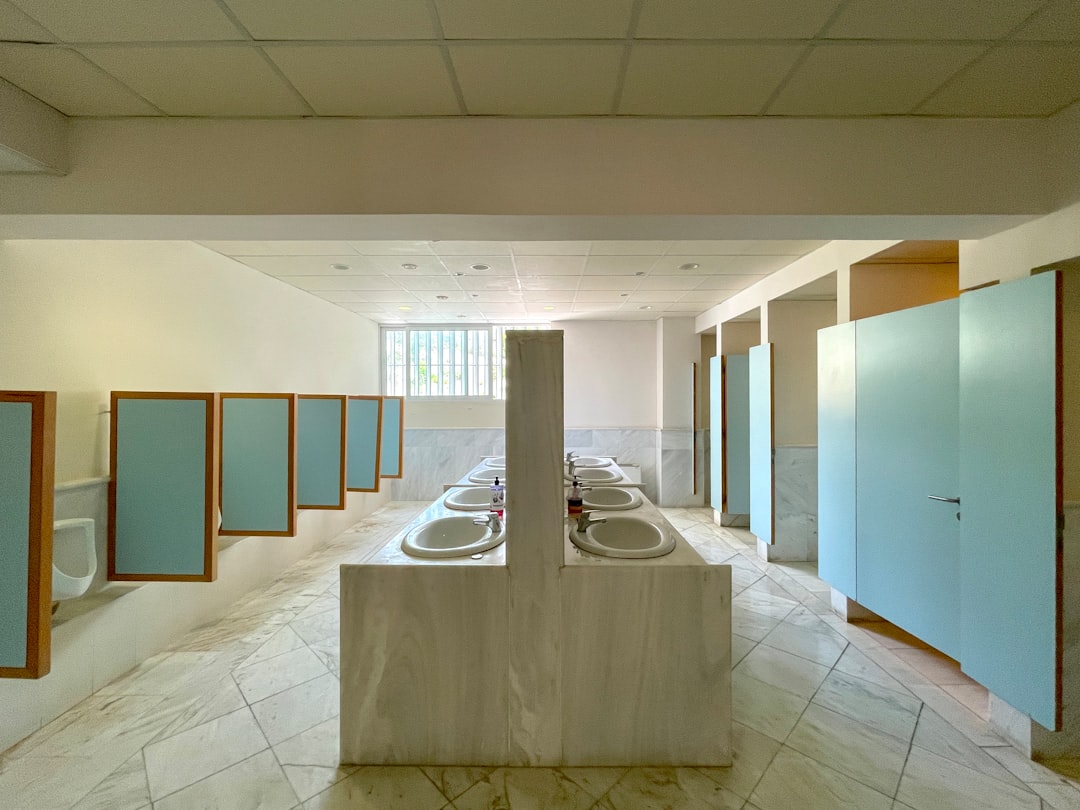
The bathroom, a sanctuary of personal hygiene, often harbors an unseen ecosystem of microorganisms. Disinfection, the process of eliminating these pathogens, is paramount for maintaining health and preventing the spread of infectious diseases. While conventional disinfectants offer potent antimicrobial action, they frequently contain harsh chemicals that pose risks to human health and the environment. This guide explores non-toxic alternatives for bathroom disinfection, offering practical methods and ingredient insights to create a healthier, safer cleaning regimen.
Disinfection differs from mere cleaning. Cleaning removes visible dirt and debris, offering a superficial aesthetic improvement. Disinfection, conversely, targets and eliminates microscopic organisms such as bacteria, viruses, and fungi, which can cause illness. The bathroom, with its warm, moist environment, is an ideal breeding ground for these pathogens.
Common Bathroom Pathogens
- Bacteria: Escherichia coli (E. coli), Salmonella, and Staphylococcus aureus (Staph) are frequently found, particularly around toilets, sinks, and showers. These can cause gastrointestinal distress, skin infections, and more severe conditions.
- Viruses: Norovirus and influenza viruses can persist on surfaces for extended periods, contributing to widespread illness. Contact with contaminated surfaces followed by touching the face is a common transmission route.
- Fungi: Mold and mildew, types of fungi, thrive in damp environments. Beyond their unpleasant appearance and musty odor, some species produce mycotoxins that can trigger respiratory issues and allergic reactions.
The Problem with Conventional Disinfectants
Traditional disinfectants often rely on active ingredients such as quaternary ammonium compounds (quats), chlorine bleaches (sodium hypochlorite), and triclosan. While effective, these chemicals come with significant drawbacks:
- Health Risks: Exposure to these substances can irritate skin, eyes, and respiratory systems. Long-term exposure has been linked to asthma, allergies, and endocrine disruption.
- Environmental Impact: When flushed down drains, these chemicals enter wastewater systems, potentially contaminating aquatic ecosystems and contributing to antibiotic resistance.
- Corrosive Properties: Bleach, in particular, can damage surfaces over time, leading to discoloration and material degradation.
If you’re looking for effective ways to keep your bathroom clean without resorting to toxic chemicals, you might find this article on natural cleaning solutions particularly helpful. It offers a variety of eco-friendly methods and ingredients that can help you disinfect your bathroom safely. For more information, check out the article here: How to Disinfect Your Bathroom Without Toxic Chemicals.
Cornerstones of Non-Toxic Disinfection
Non-toxic disinfection centers on leveraging naturally occurring substances with antimicrobial properties and employing mechanical cleaning techniques. The philosophy is to create an environment where pathogens cannot thrive, rather than solely annihilating them with harsh chemicals.
Vinegar: The Versatile Acid
White distilled vinegar, a dilute solution of acetic acid, is a powerful and versatile non-toxic disinfectant. Its acidic nature disrupts the cellular structure of many bacteria and viruses.
- Mechanism of Action: Acetic acid denatures proteins and solubilizes lipids, effectively breaking down microbial cell walls and membranes.
- Applications: Vinegar is effective against many common bathroom bacteria, mold, and mildew. It also acts as a natural deodorizer and descaler, combating soap scum and hard water stains.
- Usage: For general disinfection, a 1:1 solution of white vinegar and water can be sprayed onto surfaces, allowed to sit for 5-10 minutes, and then wiped clean. For more stubborn mold or soap scum, undiluted vinegar can be applied.
Hydrogen Peroxide: The Oxygenator
Hydrogen peroxide (H₂O₂), typically available in a 3% solution, is another potent non-toxic disinfectant. It works by releasing oxygen, which oxidizes and damages microbial cells.
- Mechanism of Action: Hydrogen peroxide generates reactive oxygen species, which attack cellular components like lipids, proteins, and DNA, leading to microbial death.
- Applications: It is effective against a broad spectrum of bacteria, viruses, and fungi. It is particularly useful for areas prone to mold and mildew.
- Usage: A 3% solution can be sprayed directly onto surfaces. For disinfection, it should remain on the surface for at least 5-10 minutes before wiping. Caution: Hydrogen peroxide can lighten fabrics and some surfaces, always test in an inconspicuous area first. It is also advisable to use it in well-ventilated spaces.
Essential Oils: Nature’s Potent Extracts
Certain essential oils possess significant antimicrobial properties, acting as natural disinfectants and deodorizers. Tea tree oil, eucalyptus oil, and lavender oil are particularly effective.
- Mechanism of Action: Many essential oils contain compounds like terpenes and phenols that interfere with microbial cell membrane integrity, enzyme activity, and genetic material.
- Applications: They can be added to cleaning solutions for an added disinfectant boost and a pleasant aroma. They are effective against various bacteria, fungi, and some viruses.
- Usage: A few drops (5-10) of essential oil can be added to a spray bottle containing vinegar and water, or diluted hydrogen peroxide. Always dilute essential oils, as direct application can be irritating.
Baking Soda: The Gentle Abrasive
Baking soda (sodium bicarbonate) is not a primary disinfectant, but it is an invaluable non-toxic cleaning agent that supports disinfection by lifting dirt, absorbing odors, and providing a gentle abrasive action.
- Mechanism of Action: Its alkaline nature can disrupt some microbial environments, and its fine crystalline structure aids in scrubbing away grime where microbes hide.
- Applications: Excellent for scrubbing sinks, tubs, and tiles. It also neutralizes odors, making it ideal for toilet bowls and drains.
- Usage: A paste of baking soda and water can be applied to surfaces, allowed to sit, and then scrubbed and rinsed. Sprinkling baking soda into toilet bowls and letting it sit overnight before scrubbing can significantly improve cleanliness.
Practical Non-Toxic Disinfection Strategies
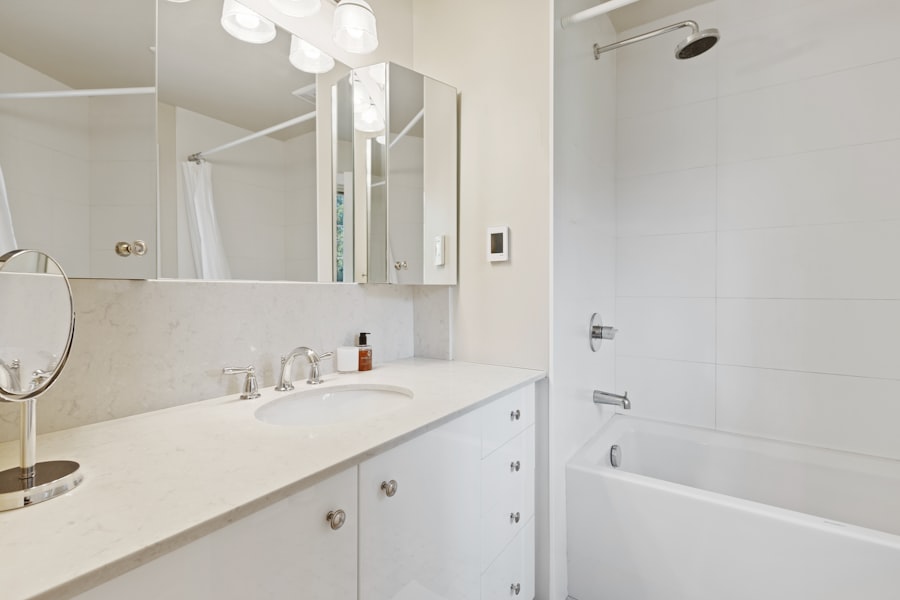
Implementing non-toxic disinfection in the bathroom is a straightforward process that requires regular attention and the right tools. Think of it as a dance between consistent effort and effective, natural ingredients.
Daily Maintenance Rituals
Consistent cleaning prevents the accumulation of significant microbial loads. These small, daily actions are the preventative medicine for your bathroom.
- Wipe Down Surfaces: After each use, wipe down sink counters, faucets, and shower walls with a cloth dampened with a dilute vinegar solution or a simple warm water and castile soap solution.
- Ventilation is Key: Always run the exhaust fan during and after showers/baths for at least 30 minutes to reduce humidity, which inhibits mold and mildew growth. Opening a window, even briefly, can also help.
- Spot Cleaning: Address spills and splatters immediately. The longer organic matter remains, the more likely pathogens are to proliferate.
Weekly Deep Clean Procedures
A weekly deep clean ensures a thorough reset of the bathroom’s microbial landscape. This is where the heavier lifting of non-toxic disinfection occurs.
- Toilet Bowl Disinfection:
- Method: Sprinkle baking soda liberally into the toilet bowl, including under the rim. Allow it to sit for at least 15-30 minutes, or even overnight for a deeper clean. The baking soda acts as a deodorizer and a gentle abrasive.
- Follow-Up: Pour 1 cup of white vinegar into the bowl. The reaction between the baking soda and vinegar will create a fizzing action, aiding in loosening grime. Let it sit for another 15 minutes, then scrub thoroughly with a toilet brush and flush. For added disinfection, spray the bowl with 3% hydrogen peroxide after flushing and let it sit for 10 minutes before a final rinse.
- Shower and Bathtub Disinfection:
- Soap Scum and Mold: Spray surfaces liberally with undiluted white vinegar or a 1:1 vinegar-water solution. For stubborn mold spots, apply neat 3% hydrogen peroxide.
- Dwell Time: Allow the disinfectant to sit for 10-15 minutes (vinegar) or 5-10 minutes (hydrogen peroxide) to allow the antimicrobial action to take effect.
- Scrubbing: Use a scrub brush, a non-scratch sponge, or a microfiber cloth to clean surfaces. For stubborn grime, a paste of baking soda and water can be applied and scrubbed.
- Rinse: Rinse thoroughly with warm water, ensuring all residues are removed.
- Sink and Countertop Disinfection:
- Cleaning: Remove all items from the sink area. Spray surfaces with a 1:1 vinegar-water solution or a 3% hydrogen peroxide solution.
- Faucet and Drain: Pay particular attention to faucet handles, edges of the sink, and the drain area, as these are high-touch zones. You can use an old toothbrush to clean around faucet bases.
- Wipe Down: Let the solution dwell for 5-10 minutes, then wipe clean with a clean microfiber cloth.
Floor and Tile Disinfection
Bathroom floors, especially around the toilet, are major reservoirs for bacteria.
- Vacuum or Sweep: Start by vacuuming or sweeping to remove loose dirt and hair.
- Mopping Solution: Prepare a mopping solution using hot water and ¼ cup of white vinegar per gallon of water. For extra antimicrobial power, add 10-15 drops of tea tree oil or eucalyptus oil to the solution.
- Mop Thoroughly: Mop the entire floor, paying extra attention to grout lines and corners. Allow the solution to air dry or wipe with a separate clean, dry mop. Avoid using essential oils on porous stone tiles without testing first, as some may cause discoloration.
Tools for Effective Non-Toxic Cleaning
The right tools are extensions of your cleaning intent, enabling thorough and efficient disinfection without chemical dependence.
Microfiber Cloths
These cloths are excellent because their microscopic fibers capture and hold dirt, dust, and microbes more effectively than traditional cotton cloths.
- Benefits: Highly absorbent, lint-free, and reusable. Can be used effectively with just water for light cleaning, reducing the need for harsh chemicals.
- Usage: Designate separate cloths for different areas (e.g., toilet, sink, mirror) to prevent cross-contamination. Wash them regularly in hot water.
Scrub Brushes and Sponges
Different surfaces require different levels of abrasion.
- Stiff-Bristled Brushes: Ideal for grout lines, tile, and stubborn grime in the toilet bowl.
- Non-Scratch Sponges: Suitable for ceramic, porcelain, and fiberglass surfaces.
- Silicone Brushes: Offer a hygienic alternative for toilet brushes, being non-porous and easier to clean.
Spray Bottles
Essential for applying liquid non-toxic disinfectants evenly and efficiently.
- Labeling: Crucial for safety and organization. Clearly label bottles with their contents and preparation date.
- Separate Bottles: Have separate bottles for vinegar solutions, hydrogen peroxide solutions, and general cleaning solutions to prevent accidental mixing, which can dilute effectiveness or create undesired reactions.
If you’re looking for effective ways to keep your bathroom clean without resorting to toxic chemicals, you might find it helpful to explore a related article that offers some insightful tips. This article discusses various natural alternatives that not only disinfect but also leave your space smelling fresh. You can read more about these eco-friendly cleaning methods by visiting this informative resource. Embracing these techniques can contribute to a healthier home environment while ensuring that your bathroom remains sparkling clean.
Safety Considerations and Best Practices
| Disinfectant | Active Ingredient | Effectiveness | Usage Instructions | Safety Notes |
|---|---|---|---|---|
| White Vinegar | Acetic Acid (5%) | Moderate – effective against some bacteria and mold | Spray undiluted on surfaces, let sit 10 minutes, then wipe | Avoid on natural stone surfaces; may cause etching |
| Baking Soda | Sodium Bicarbonate | Low – mild abrasive and deodorizer | Make a paste with water, scrub surfaces, rinse thoroughly | Safe for most surfaces; avoid inhaling powder |
| Hydrogen Peroxide (3%) | Hydrogen Peroxide | High – effective against bacteria, viruses, and mold | Spray on surfaces, let sit 10 minutes, then wipe | Store in dark container; avoid mixing with vinegar |
| Tea Tree Oil Solution | Tea Tree Oil (1-2%) in water | Moderate – antifungal and antibacterial properties | Mix oil with water, spray on surfaces, let dry | May cause allergic reactions; test on small area first |
| Lemon Juice | Citric Acid | Low to Moderate – antibacterial and deodorizing | Apply fresh lemon juice, let sit 5-10 minutes, rinse | Avoid on stone surfaces; can bleach fabrics |
Even with non-toxic solutions, mindful application and storage are crucial. A natural alternative doesn’t negate the need for common-sense precautions.
Ventilation
Always ensure good ventilation when cleaning. Although non-toxic, concentrated vinegar can be pungent, and hydrogen peroxide releases oxygen which, while safe, is best used in open areas.
- Mechanism: Running an exhaust fan or opening a window creates airflow, dissipating odors and preventing the buildup of any airborne particles.
Storage of Ingredients
Store non-toxic cleaning agents safely and out of reach of children and pets, just as you would with conventional cleaners.
- Hydrogen Peroxide: Store in its original dark bottle or an opaque spray bottle, as light degrades it rapidly.
- Essential Oils: Keep in dark glass bottles, away from direct sunlight and heat, to preserve their potency.
Patch Testing
Before applying any new cleaning solution to an entire surface, particularly delicate materials or natural stone, perform a patch test in an inconspicuous area.
- Purpose: This prevents potential damage, discoloration, or etching. Vinegar, being acidic, can etch natural stone like marble.
Regular Replacement of Tools
Just as you would replace worn-out equipment, regularly replace sponges, brushes, and cloths.
- Hygiene: Worn tools can harbor bacteria and become less effective, hindering cleaning efforts.
- Frequency: Replace sponges every 2-4 weeks, and wash microfiber cloths after every 1-2 uses.
By embracing these non-toxic disinfection strategies and understanding the principles behind them, individuals can create a truly clean and healthy bathroom environment, safeguarding both personal well-being and environmental integrity without resorting to harsh chemicals. The journey to a toxin-free home begins with informed choices and consistent effort.
WATCH NOW ▶️ WARNING: Why Your Shampoo Is Illegal In Europe
FAQs
1. What are some effective natural ingredients for disinfecting a bathroom?
Common natural disinfectants include white vinegar, baking soda, hydrogen peroxide, and tea tree oil. These ingredients have antimicrobial properties and can help clean surfaces without the use of harsh chemicals.
2. How can I use vinegar to disinfect bathroom surfaces?
You can mix equal parts of white vinegar and water in a spray bottle and apply it to bathroom surfaces. Let it sit for several minutes before wiping it off. Vinegar is effective against many bacteria and mold but should not be used on natural stone surfaces.
3. Is hydrogen peroxide safe to use for bathroom disinfection?
Yes, hydrogen peroxide is a safe and non-toxic disinfectant when used properly. It can be sprayed directly onto surfaces and left to sit for about 10 minutes before wiping. It helps kill bacteria, viruses, and mold.
4. Can baking soda be used as a disinfectant in the bathroom?
Baking soda is primarily a cleaning agent and deodorizer rather than a disinfectant. It can be combined with vinegar or hydrogen peroxide to enhance cleaning and help remove grime, but it does not kill germs on its own.
5. Are essential oils effective for disinfecting bathroom areas?
Some essential oils, such as tea tree oil, eucalyptus, and lavender, have antimicrobial properties and can be added to natural cleaning solutions. However, they should be used as a supplement to other disinfectants rather than the sole cleaning agent.